
Review · NEW ZEALAND
Tongariro River: Grade 3 Whitewater Rafting
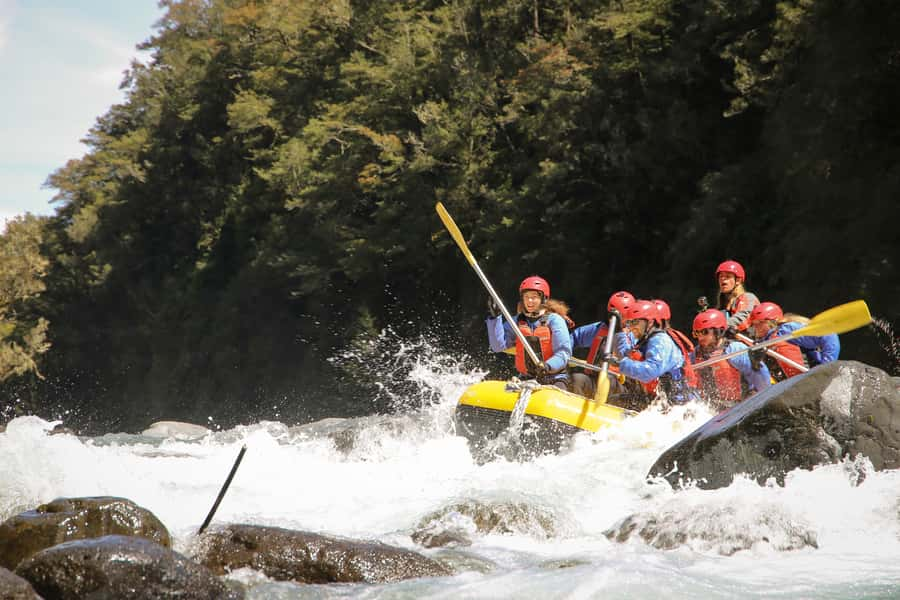
The best part of this Tongariro River trip is the steady run of more than 60 Grade 3 rapids, with the river providing a proper thrill without requiring expert rafting skills. You get a short bus ride from the Turangi base, a full safety briefing, and a guide calling the strokes as your raft works through the whitewater.
I like the upper river scenery, which you can see from the water rather than from a roadside lookout. I also like the chance to spot a rare blue duck, a small native bird that gives the quiet stretches a special purpose. The main point to consider is that this is active whitewater, so you need to be comfortable following instructions, getting wet, and working as part of a raft team.
Key points to know before you book
- Over 60 Grade 3 rapids: Expect a lively four-hour outing with repeated roller coaster sections rather than one short burst of action.
- Guides lead every stage: Fletcher and Sarah are among the guides praised for clear communication, care, and strong group leadership.
- Scenery only visible from the river: The upper Tongariro offers a different view of the area, with quiet water between the rapids.
- Blue duck spotting is possible: Keep watch along the river, but treat it as a lucky extra rather than a promise.
- Suitable from age 11: Children aged 11 and 12 must be with a responsible adult, and children under 11 cannot join.
- $112 includes the essentials: Equipment, life jacket, guide, safety briefing, and transport to the river start are included, while photos cost extra.
Why 60 rapids make this a good first rafting trip
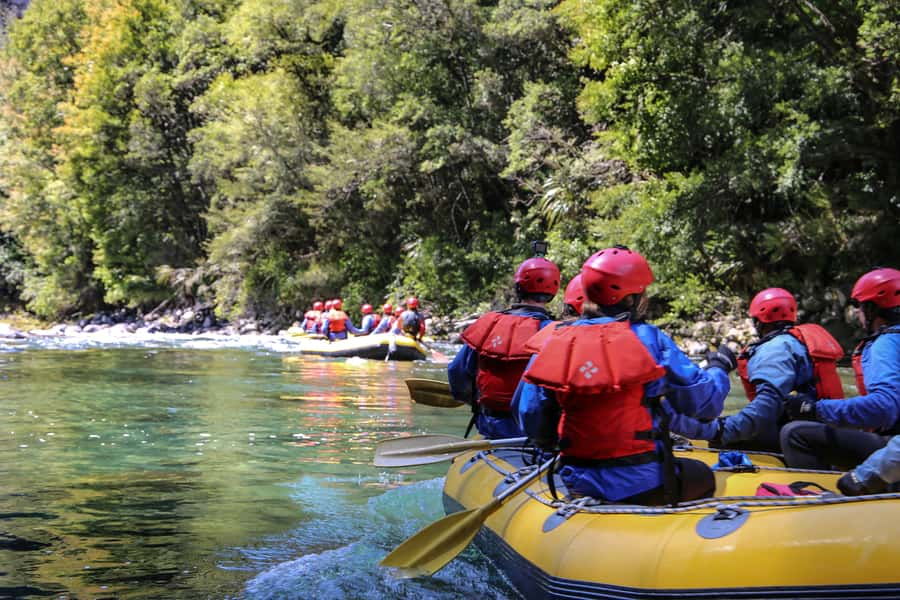
Grade 3 whitewater sits in a useful middle ground. It is exciting enough to feel like a real adventure, but the experience is designed for people without advanced rafting skills as well as those who have rafted before.
You will not simply sit in a boat while the guide does all the work. The safety talk covers paddling instructions, and you will need to listen closely and respond as the raft enters each rapid. That shared effort is part of the appeal. It gives the group a job to do, and it turns a collection of strangers into a short-lived paddling team.
The number of rapids matters, too. A trip with more than 60 sections of whitewater gives you time to settle in. The first few moments may feel tense, especially if you are not a natural risk taker, but the rhythm becomes easier as you learn how the guide’s commands fit the movement of the raft.
The action is not constant from start to finish. The Tongariro includes quieter water between the rapids, giving you time to look around, catch your breath, and enjoy the river. That change of pace helps keep the four-hour outing from feeling like one long physical test.
More White Water Rafting Trips in New Zealand:
- Khao Lak: Khao Sok Bamboo Rafting and Elephant Bathing Trip
★ 4.8 · 719 reviews - Denali Rafting Canyon Wave
★ 5.0 · 643 reviews - 2 Hour Rafting on the Yellowstone River
★ 5.0 · 549 reviews
Starting at the Turangi rafting base
Your day begins at Tongariro River Rafting, 133 Atirau Road, Turangi 3353. Starting at the company’s own base keeps the first part simple. You arrive, meet the guide, and receive the equipment needed for the river.
The included gear covers the essentials, including a life jacket. You should arrive with swimwear, a towel, and any personal medication you need. Leave alcohol and drugs out of the day, and do not arrive intoxicated. Those rules are basic, but they matter more on moving water, where clear attention and fast responses are important.
After you are equipped, a short bus trip takes you from the base to the river’s starting point. This transfer is useful because you do not need to arrange separate transport to the launch area or work out where to leave a vehicle.
The supplied details do not specify group size, water temperature, or the exact type of rafting equipment beyond the life jacket and necessary gear. I would not assume that every personal comfort item is provided. Bring the basics listed, and ask the operator directly if you need details about wetsuits, footwear, or changing facilities.
The safety briefing and paddle work
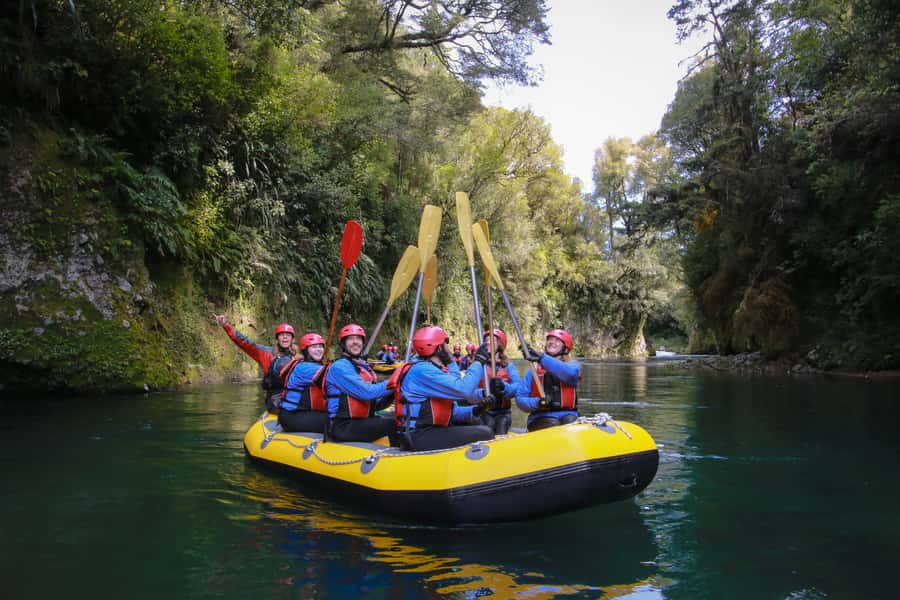
Before the raft enters the current, your guide gives a full safety briefing and explains how to paddle. This is the part to take seriously, even if you have watched rafting videos or have done a similar trip before.
The guide is in charge of reading the river and directing the raft. Your role is to follow instructions quickly and stay focused when the water gets noisy. The better the group responds together, the more controlled the ride feels.
The human side of the trip is one of its strongest points. Fletcher is praised for being supportive, caring, informative, and attentive, while Sarah is singled out for warm communication and a welcoming approach. Those qualities matter on a Grade 3 trip because confidence often comes from the guide’s tone as much as from the equipment.
If you feel nervous before the start, say so. The experience is aimed at both beginners and more experienced rafters, and the guide can help you understand what to do. You do not need to arrive as a confident paddler, but you do need to be willing to listen and take part.
Into the upper Tongariro River
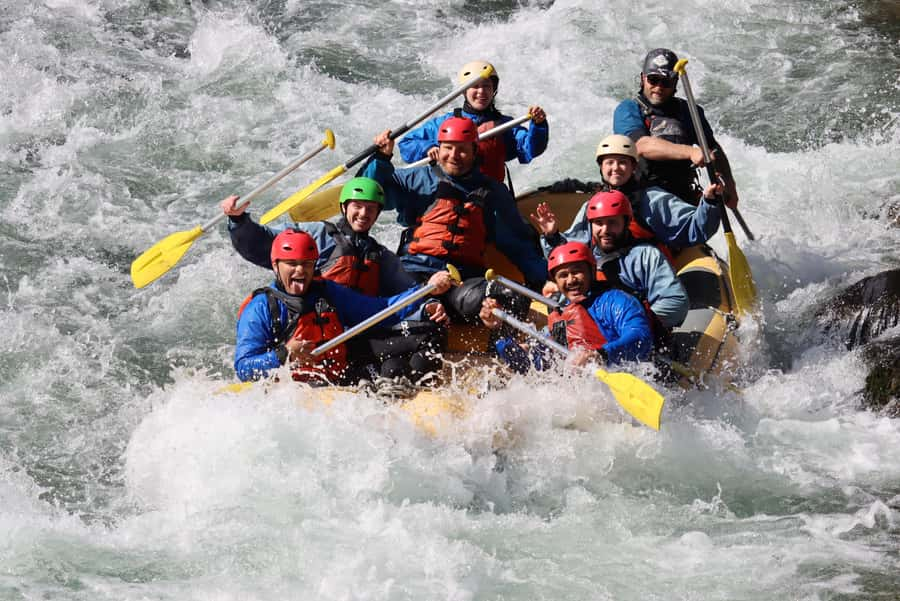
The upper reaches of the Tongariro provide the setting for the trip. From the raft, you see the river at water level, with views that are not available from a road or ordinary walking route.
This is where the experience gains more than its adrenaline. Between rapids, the river gives you a chance to look at the surrounding scenery and watch the current from inside it. You are not passing through as a spectator. The water controls your pace, and the guide chooses the safest line through each section.
Keep your eyes open for the rare blue duck. The bird is not guaranteed, and the rapids will demand much of your attention, but the possibility adds a nice wildlife element to the outing. It also encourages you to look beyond the next splash and notice the quieter riverbank.
The supplied information does not identify exact viewing points or promise a sighting. Treat the blue duck as a lucky bonus, not the reason to book. The main event is the rafting, with the scenery and wildlife adding depth during the calmer stretches.
Same park country, a different day out:
- From Manapouri: Doubtful Sound Wilderness Day Trip
★ 4.8 · 1,621 reviews - Rotorua: Hell’s Gate Outdoor Mud Spa & Guided Walk
★ 4.7 · 1,140 reviews - Abel Tasman National Full Park Scenic Cruise
★ 4.4 · 855 reviews - Abel Tasman: Sea Shuttle Cruise and Walking Tour Combo
★ 4.6 · 704 reviews
What Grade 3 feels like on the water
Grade 3 rapids are described here as fun, heart-pounding, roller coaster sections. That wording gives you a good sense of the balance. You should expect real movement, splashing water, and moments that make the raft drop, turn, or rise over the current.
At the same time, this is not presented as an expert-only expedition. The trip is built for beginners and people with more experience, with an expert guide managing the route and giving paddle commands. You still need reasonable comfort with physical activity and getting wet.
The repeated rapids create a learning curve. Early on, you may concentrate on staying balanced and remembering the instructions. Later, you can pay more attention to the shape of the water and the way the whole raft reacts when everyone paddles together.
Rain or hail does not necessarily end the fun. One outing was described as enjoyable in both conditions, which is a reminder that the weather may be part of the day. You should be prepared for a wet experience rather than counting on clear skies.
This is also not the right choice if you want a quiet sightseeing cruise. The rafting has a strong action component, and the group must work together. If you prefer a dry seat and a fixed route, choose a different way to see the Tongariro.
The final run and return to base
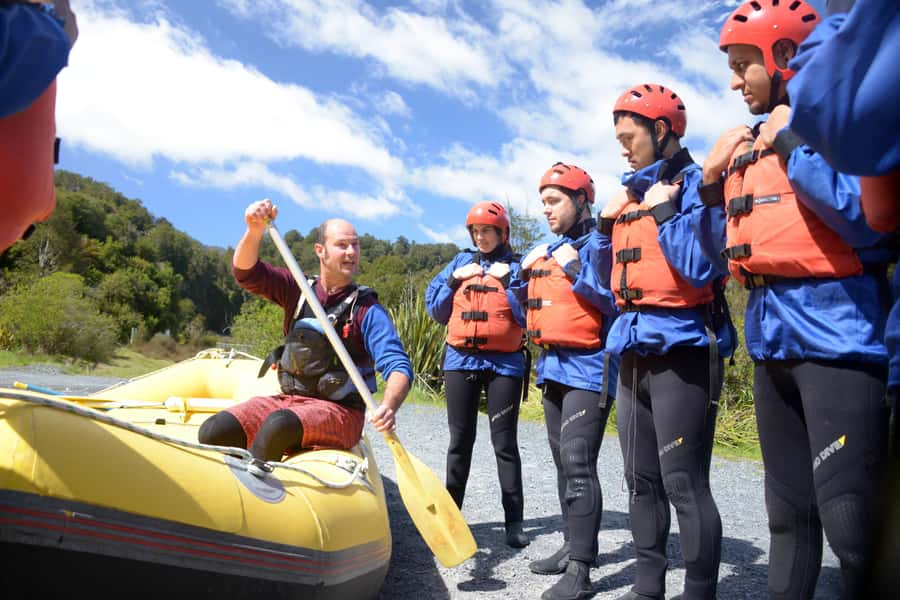
Once the river section ends, you return to the rafting base. The four-hour duration includes the preparation, transport, briefing, rafting, and return process, not just time bouncing through rapids.
Back at the base, you can check out photographs from the trip. Digital photos are not included in the $112 price, so you will pay extra if you want to purchase them. This is worth remembering before the day begins, especially if you are comparing the total cost with other activities.
Photos can be useful here because rafting is difficult to document safely from inside the boat. You are busy paddling, holding position, and listening to the guide. If having action shots matters to you, allow for that additional cost rather than assuming the package covers it.
Is $112 good value?
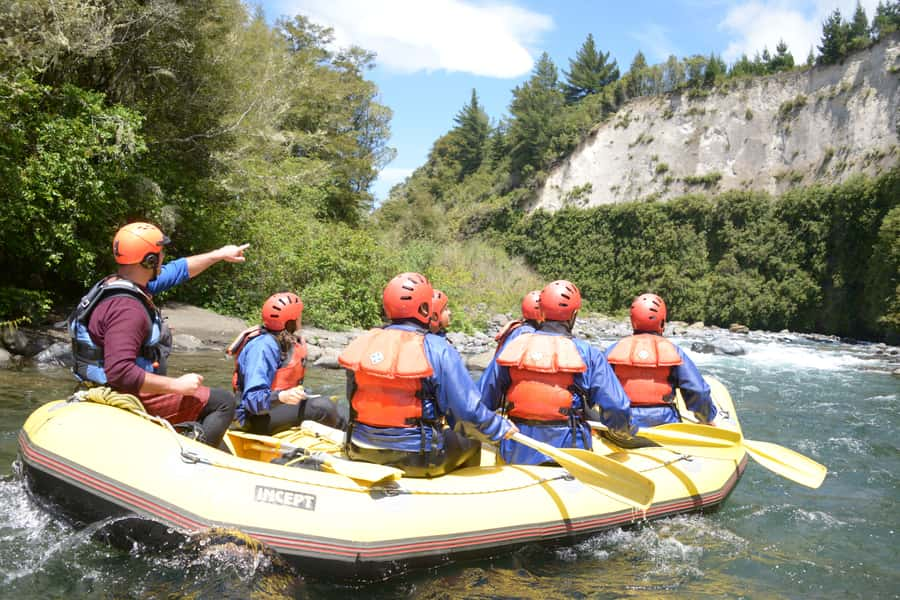
At $112 per person, the price is fair for a four-hour guided whitewater activity when you count what is included. Your fee covers the guide, necessary equipment, life jacket, safety instruction, and the bus ride to the river start.
The value is strongest if you want an active experience rather than a short scenic stop. More than 60 rapids give the trip substance, and the duration leaves room for instruction, repeated practice, and quieter river views. You are paying for a complete outing, not simply a few minutes on the water.
The cost is less attractive if you are not sure you want to raft. The photos cost extra, and you will need to bring your own swimwear, towel, and medication. The activity also asks for several hours of your day, so it works best when you genuinely want the whitewater experience.
Compared with a simple viewpoint or river walk, this gives you access to a different side of the Tongariro. Compared with a more advanced rafting trip, Grade 3 offers a friendlier entry point. For a first rafting experience in the North Island, the combination of instruction, equipment, and river time makes the price reasonable.
Who will enjoy this trip most
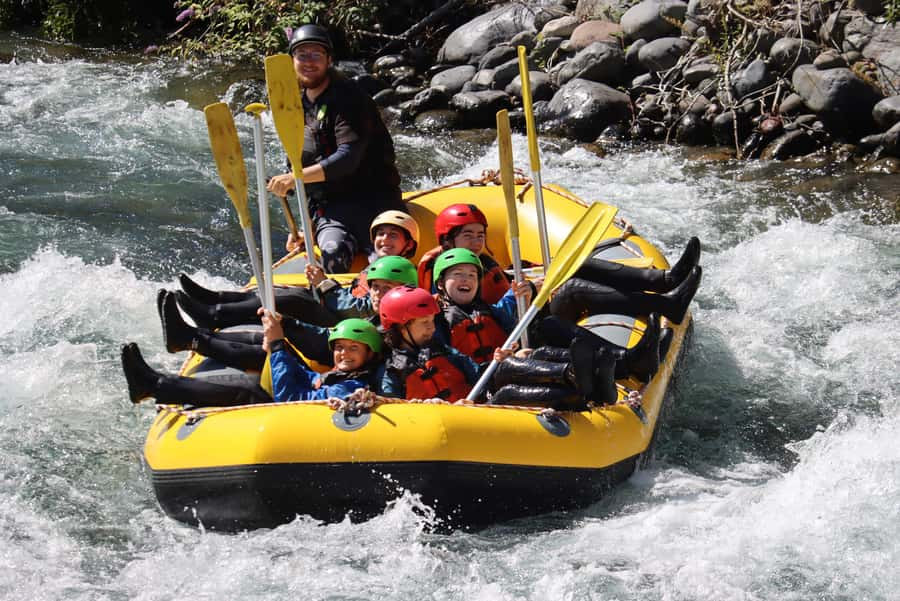
This outing suits adults, families with older children, and active visitors who want a controlled introduction to whitewater. It is also a good fit if you enjoy group activities where everyone has a clear role.
Children under 11 cannot join. Those aged 11 or 12 must be accompanied by a responsible adult, so families should plan around that rule rather than assuming younger children can ride along.
You should be comfortable getting wet and taking directions. You do not need previous rafting experience, but you should be able to participate in paddling and stay alert during the rapids.
The trip may also suit nervous first-timers. A strong guide can make a major difference, and the feedback about Fletcher’s care and support suggests that the guiding style is attentive as well as energetic. Still, do not book if you are hoping for a completely risk-free or passive outing. Grade 3 whitewater has genuine excitement.
Anyone who relies on personal medication must bring it. Arriving without required medication might mean you cannot raft, so this is not a small packing detail.
Practical booking advice for Turangi
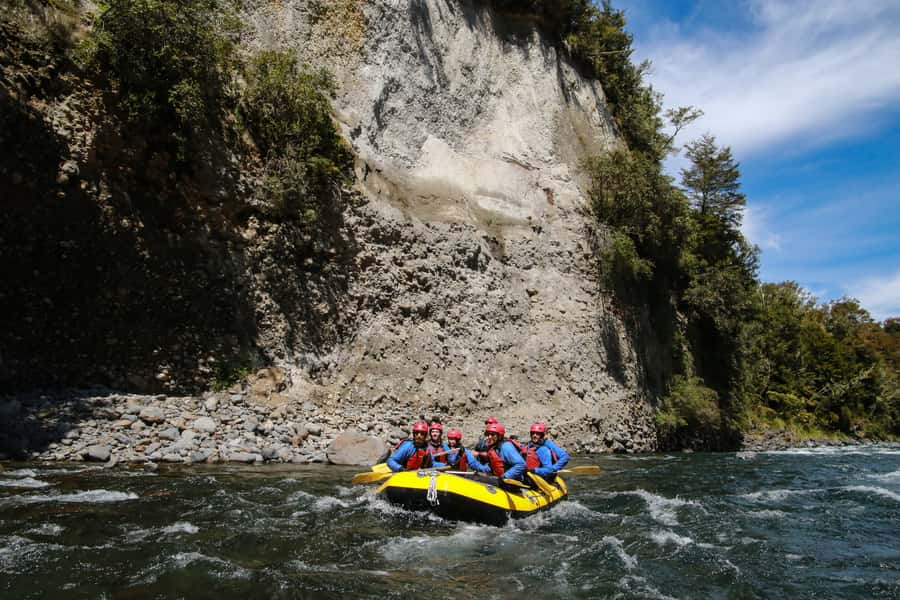
Plan to arrive ready for the water, not dressed for a standard sightseeing tour. Swimwear and a towel are specifically required, and you should keep personal medication with you.
The tour is conducted in English, so you need to understand the guide’s safety and paddling instructions. That is especially important when the raft is moving quickly and there is little time for repeated explanations.
The activity requires a minimum number of participants to operate. Even after confirmation, it may be cancelled if that number is not met. If that happens, you are offered an alternative date or a full refund.
You can cancel up to 24 hours before the activity for a full refund, and the reserve now, pay later option lets you hold a place without paying at the time of booking. Check the available start times because the four-hour outing needs to fit your wider Turangi or Tongariro National Park plans.
Should you book the Tongariro rafting trip?
Book it if you want a lively half-day on the river, like the idea of working with a guide and group, and are happy to get wet. The combination of over 60 Grade 3 rapids, upper river scenery, and possible blue duck sightings gives the outing more variety than a simple thrill ride.
I would especially recommend it to first-time rafters who feel curious but not fully confident. The guide-led format, clear safety instruction, and emphasis on teamwork give you a sensible way into the sport.
Think twice if you dislike cold water, physical activity, or changing weather. Also check the age and medication rules carefully. For the right person, $112 buys a substantial, well-supported adventure with plenty of time on the Tongariro and a good chance of finishing ready to do it again.
FAQ
Where does the rafting trip meet?
The meeting point is Tongariro River Rafting, 133 Atirau Road, Turangi 3353.
How long does the rafting experience last?
The activity lasts four hours, including preparation, transport to the river start, safety instruction, rafting, and the return to base.
How many rapids will I raft?
You will tackle more than 60 Grade 3 rapids on the Tongariro River.
Is the trip suitable for beginners?
Yes. The activity is designed for both novice rafters and people with more rafting experience, and an expert guide leads the group.
What equipment is included?
Necessary rafting equipment is included, including a life jacket. A guide and full safety briefing are also included.
Do I need to bring swimwear?
Yes. You should bring swimwear, a towel, and any personal medication you need.
Can children join the rafting trip?
Children under 11 cannot join. Children aged 11 and 12 must be accompanied by a responsible adult.
Are digital photos included in the price?
No. Digital photos are available to purchase separately after the trip.
What language is the tour conducted in?
The live tour guide speaks English.
Can I cancel the booking?
You can cancel up to 24 hours in advance for a full refund. The activity may also be cancelled after confirmation if the minimum number of participants is not reached, in which case you will be offered another date or a full refund.
Just added around New Zealand
- Tongariro Alpine Crossing: Round-Trip Shuttle Service★ 4.6 · 44 reviews
- Tongariro Alpine Crossing: Premium Guided Hike★ 4.6 · 189 reviews
- Te Anau: 30-Minute Fiordland National Park Scenic Flight★ 4.8 · 41 reviews
- Takaka: Farewell Spit/Abel Tasman Scenic Flight★ 5.0 · 25 reviews
- Stewart Island: Ulva Island Guided Wilderness Walk & Cruise★ 4.5 · 165 reviews
- Rotorua: Hells Gate Outdoor Mud Bath & Spa Experience★ 4.6 · 398 reviews
- Marahau: Abel Tasman Kayaks Kayak and Walk★ 4.8 · 65 reviews
- Mārahau: Abel Tasman Marine Reserve Kayak Tour★ 4.9 · 22 reviews
New Zealand National Park Tours, compared.
From Manapouri: Doubtful Sound Wilderness Day Trip
Read our review →
Rotorua: Hell’s Gate Outdoor Mud Spa & Guided Walk
Read our review →
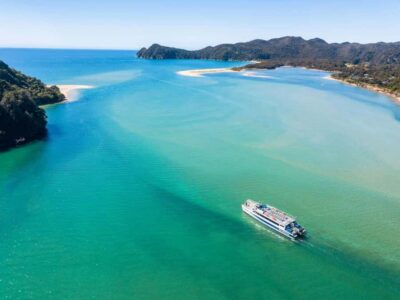
Abel Tasman: Sea Shuttle Cruise and Walking Tour Combo
Read our review →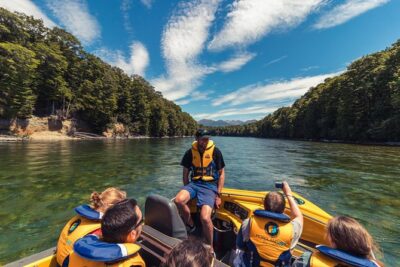
Jet Boat Journey through Fiordland National Park – Pure Wilderness
Read our review →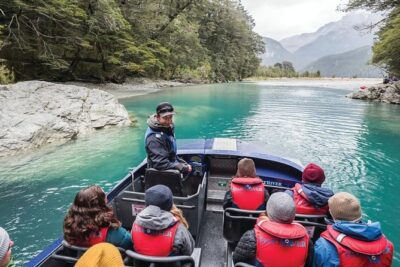
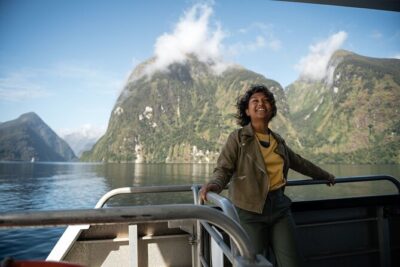
Doubtful Sound Wilderness Day Cruise from Manapouri
Read our review →
Browse the lists this tour appears in