
Review · SPAIN
Mallorca: Discover Scuba Diving for Beginners
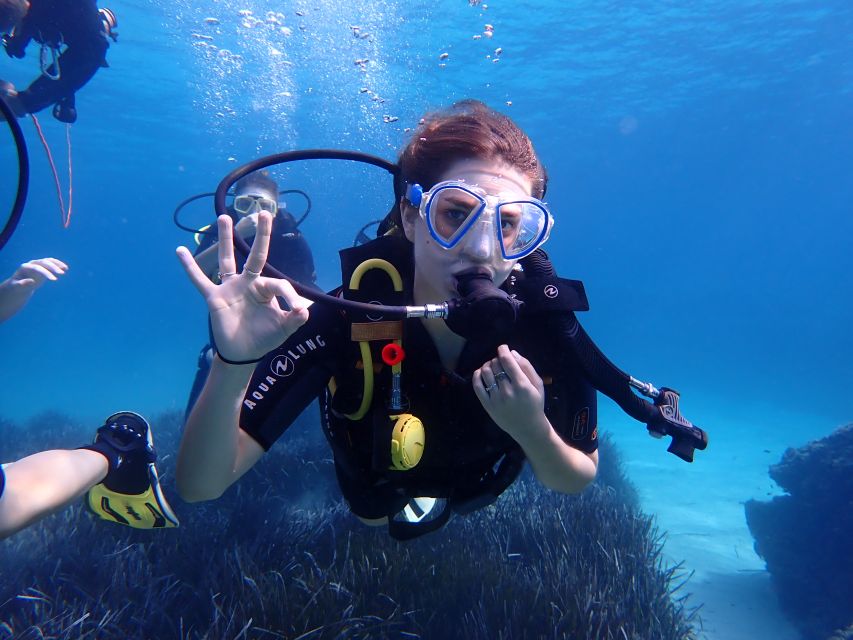
Mallorca’s underwater world makes a fine first lesson in scuba. This 3.5-hour experience keeps beginners in calm, shallow water, then takes you to a protected marine reserve for a guided underwater session no deeper than 6 meters. You do not need prior experience, and you do not need to be a strong swimmer, but you must feel comfortable in the water.
I especially like the small groups of six or fewer and the fact that two certified PADI instructors are in the water. I also like the shore entry, since you can get used to breathing through the regulator before heading farther out instead of stepping straight off a boat into open water.
The main drawback is that your actual time exploring underwater is limited. Past participants describe roughly 25 to 45 minutes in the water, depending on the session, and carrying the equipment to the entry point can be tiring.
Key points to know before booking
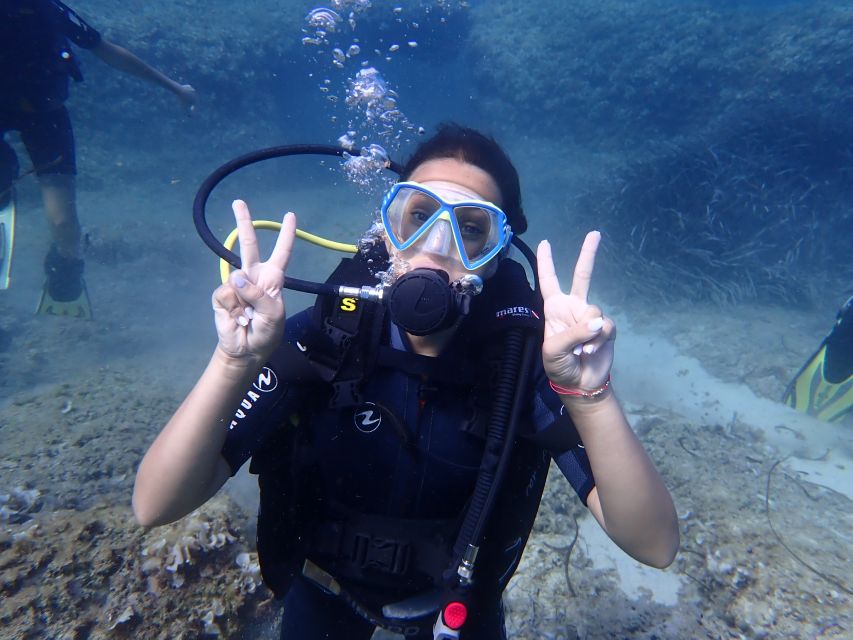
- Maximum depth of 6 meters: You stay in a controlled area suited to first-time scuba participants.
- Two PADI instructors in the water: Guides such as Robert, Bruno, Raul, and Kristofer have helped nervous beginners feel at ease.
- Shallow-water training first: You practice breathing, ear equalization, mask clearing, and hand signals before going farther.
- Protected marine reserve: The setting can offer clear water, fish, caves, and rocky underwater scenery, though marine life varies.
- Shore entry with steps: You avoid a boat jump, but the equipment feels heavy on land and the walk can be awkward.
- Certificate included: The PADI Discover Scuba Diving certificate may count toward a later PADI Open Water Diver course.
A gentle first look beneath Mallorca’s coast
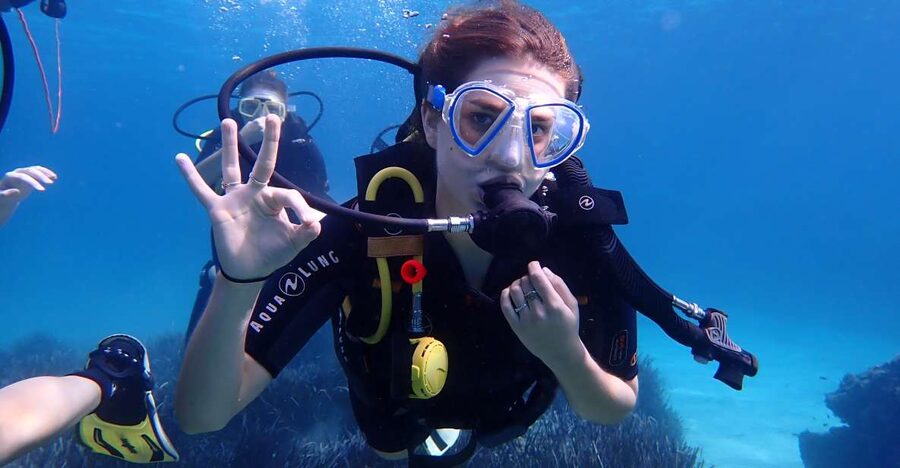
At $176 per person, this is not the cheapest water activity in Mallorca. You are paying for full equipment, instruction from two PADI professionals, transport in an air-conditioned minivan, reserve entry, insurance during the activity, and a small group rather than a crowded lesson.
That package makes more sense if you are testing scuba for the first time. You do not need to buy or rent equipment separately, and the instructors handle the technical parts while you focus on breathing and staying relaxed. The price also includes a certificate, which gives the session more value if you later decide to take a full PADI Open Water Diver course.
I would not book this expecting a long reef expedition. It is an introduction, not a full certification course. The maximum depth is 6 meters, and the underwater portion can feel short if you quickly get comfortable with the gear. Still, for a first attempt, a short and closely supervised session is often exactly what you want.
The setting is a protected marine reserve along Mallorca’s coast. The water has been described as clear, with rocky scenery, fish, and some caves. Conditions and marine life can change, though. One participant had almost no fish during the session, while others saw plenty, so you should treat wildlife as a welcome possibility rather than a guarantee.
A few more park trips around Spain worth a look
- Thingvellir: Silfra Fissure Diving with Optional Pickup
★ 4.6 · 73 reviews - From Sharm: Luxury Diving cruise to Ras Mohammed with Lunch
★ 4.3 · 31 reviews - From Sharm: Ras Mohammed snorkeling cruise & optional diving
★ 4.5 · 28 reviews
Meeting the instructors and getting ready
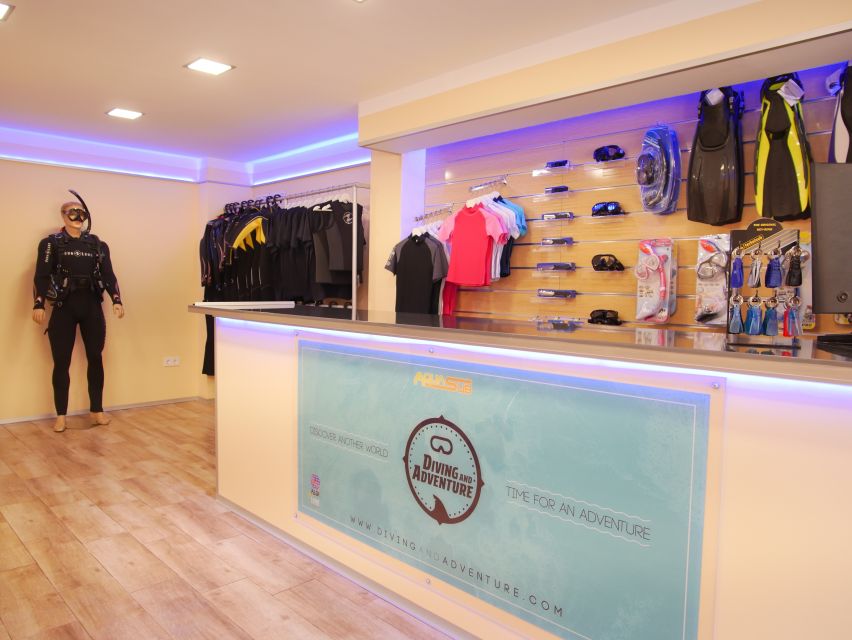
The experience uses two meeting arrangements, and this is one detail you should read carefully before booking. If you are staying in Playa de Palma and walking to the meeting point, go to the ticket shop at Carretera de l’Arenal, 48 in Platja de Palma, 30 minutes before the scheduled start.
The minivan leaves promptly and cannot wait. I would arrive early rather than try to cut it close, especially if you are carrying swim gear or finding the shop for the first time.
If you are driving, go directly to the dive center at Ctra. Cabo Blanco, Km 11, Cabo Regana. The center is on the right just after the barrier. Parking is outside the barrier, and this is the better choice for drivers.
The ride to the site is part of the half-day schedule. One past participant described a 30 to 45-minute drive after getting equipped, so allow room in your plans. The exact timing can vary, but you should not schedule a tight lunch reservation or airport transfer immediately afterward.
At the center, you receive your scuba equipment and prepare before heading to the water. The equipment is substantial. Walking in it is one of the least graceful parts of the day, and several people found that carrying or wearing the gear on land was harder than the underwater portion.
That is normal. Scuba equipment is designed for the water, where the buoyancy system takes much of the weight. On shore, the tank and other gear can feel bulky. Wear a swimsuit under your clothes and bring a dry change of clothing for the ride back.
The briefing covers the skills that matter
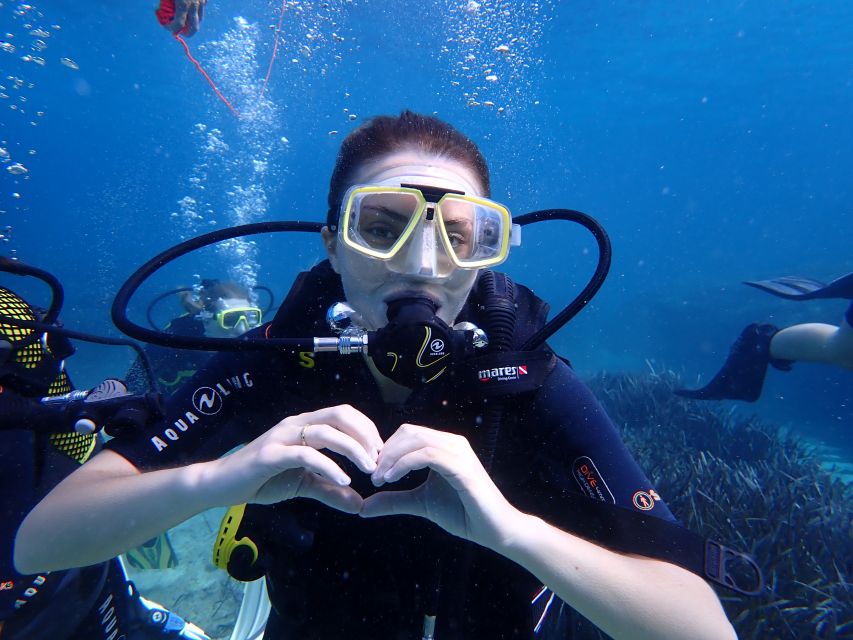
Before entering the water, your instructor explains how the equipment works, how to breathe, how to equalize your ears, and how to communicate underwater. You also go over safety procedures and hand signals.
The teaching style is slow and practical. You are not expected to memorize a long technical lesson or perform every skill perfectly at once. The instructors work through each part until you are comfortable enough to continue.
This is where the two-instructor setup matters. A beginner can need help with a mask, a regulator, ear pressure, or simply nerves. With two professionals supervising a group of no more than six, there is a better chance of getting individual attention than in a large class.
The instructors speak Spanish, English, French, and German. Past sessions have included guides named Robert, Bruno, Raul, and Kristofer, among others. Robert has been singled out for clear explanations, while Raul and Kristofer have helped nervous beginners settle into the experience. Staff names can change, but the useful point is that multilingual instruction is available.
You must complete the official PADI Medical Questionnaire. Depending on your answers, you may need medical clearance from a doctor before the activity. If clearance is required and you cannot show it on the day, you cannot participate and no refund is available, so handle this well before your appointment.
Learning to breathe underwater in shallow water
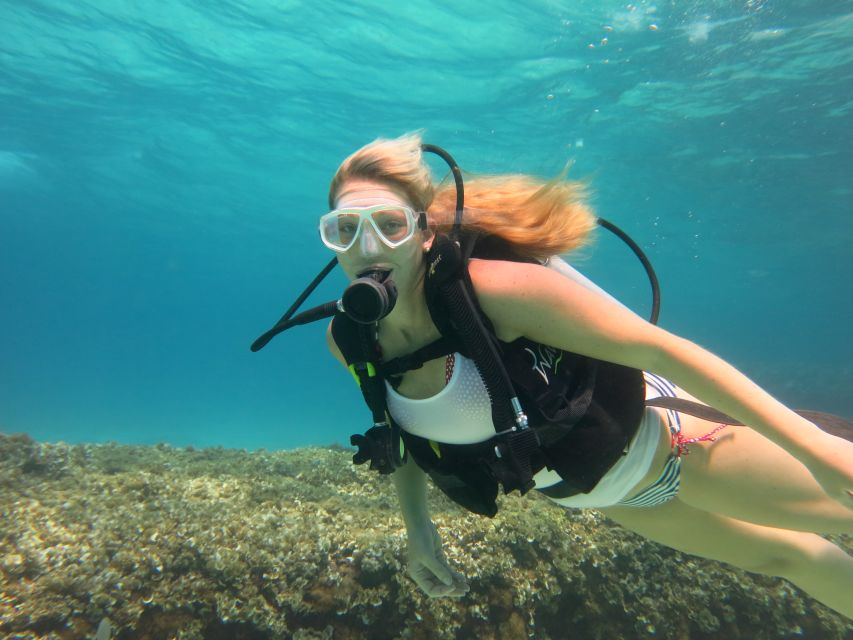
The practice begins in calm, shallow water. This is the most important part of the session, even though the later underwater exploration gets more attention.
You practice breathing through the regulator and get used to the unusual feeling of breathing while your face is underwater. You also work on equalizing your ears, clearing your mask, and using hand signals.
The shore entry is helpful here. You can hold onto the rocks or use the entry steps while you get your breathing under control. One family group particularly appreciated having time to try the equipment before going farther. That small pause can make a major difference if you feel nervous.
I would tell you not to rush this section. If your breathing feels awkward, signal your instructor and take another moment. The whole point is to build calm, not to prove that you can tolerate discomfort.
Non-swimmers have taken part, but you must feel comfortable in the water. The instructors can provide close support, yet this is still a water activity using scuba equipment. If you have serious concerns about being in water, talk with the provider before booking.
Same park country, a different day out:
- Tenerife: Teide National Park Sunset & Stargazing Tour
★ 4.2 · 3,812 reviews - Tenerife: Sunset and Stargazing at Teide National Park
★ 4.7 · 2,826 reviews - Teide National Park Sunset & Stargazing with Dinner (Star Safari)
★ 5.0 · 2,601 reviews - Lanzarote: Timanfaya Park, Jameos Agua, & Cueva Verdes Tour
★ 4.5 · 2,393 reviews
The guided underwater session at 6 meters
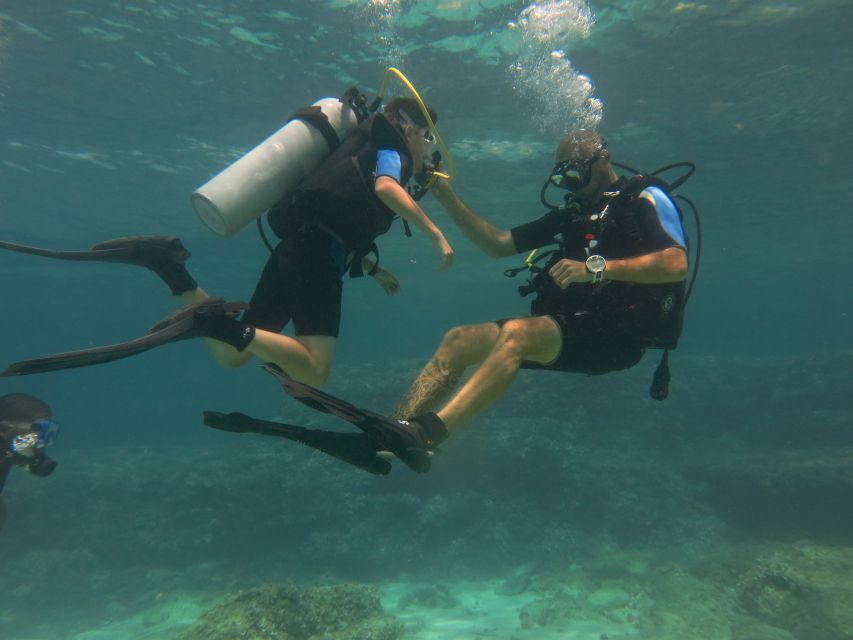
Once you are comfortable with the basic skills, the group begins its guided underwater session in the protected reserve. The maximum depth is 6 meters, which keeps the experience within a manageable range for a first attempt.
At this depth, the main attraction is the sensation of weightlessness. You can move slowly over the rocky seabed, look for fish, and take in the underwater formations without dealing with strong depth or complicated conditions.
The water has been described as clear and free of strong current at the beginner site. Some sessions have included fish and caves, while others have had little marine life. The reserve setting improves the chance of seeing something interesting, but it cannot control the animals or visibility on a particular day.
You should also know that the activity is not built around a guaranteed wildlife checklist. If you see fish, treat it as a bonus. The real goal is to learn how it feels to breathe underwater and control your body with the equipment.
The instructors remain close and check on you throughout the session. That matters more than dramatic scenery when you are new to scuba. If you become anxious, have trouble equalizing, or need help with your mask, you have direct support rather than being left to manage alone.
The exact underwater time varies. One account described 38 minutes in the water, with about 25 minutes of actual scuba. Another described 40 to 45 minutes underwater. The total activity lasts 3.5 hours because preparation, transport, equipment, and practice take up much of the schedule.
What the shore entry is really like
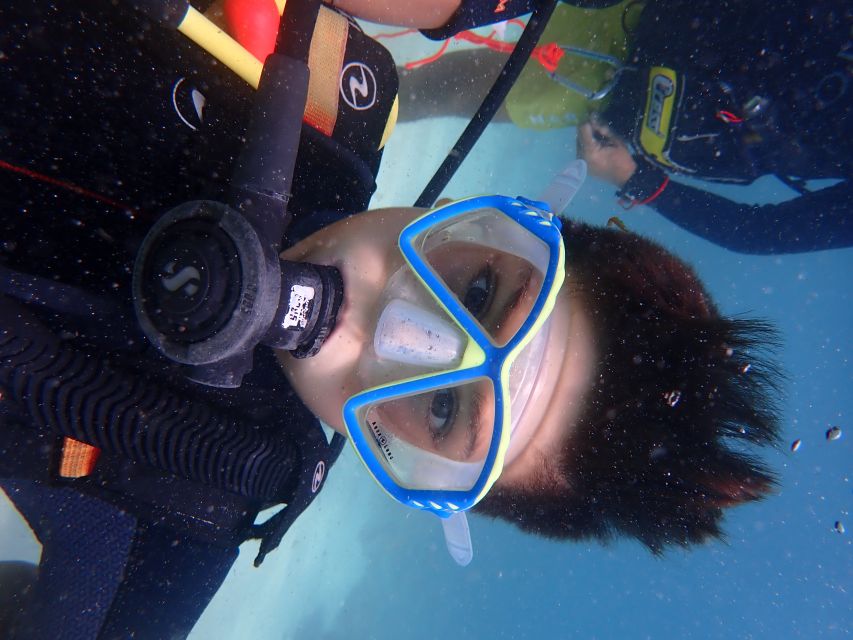
A shore entry has a clear advantage: you do not have to jump from a boat. For many first-timers, that removes one of the most intimidating moments.
You enter using comfortable steps, then get used to the equipment in shallow water. This lets you focus on breathing and balance before moving into the main area.
The trade-off is the approach to the water. You may need to walk while carrying or wearing heavy equipment, and one participant found the beach walk difficult. The entry itself is suitable for beginners, but it is not ideal for people with mobility impairments.
Bring a towel, swimwear, a change of clothes, and something to drink. Your passport or ID is also required. Photos are not included, though an optional photo package has been available for about 10 euros in past sessions. If you want a lasting record of your first underwater experience, ask about the current price before you start.
Who will get the most from this Mallorca activity
I would choose this for:
- A first-time scuba participant who wants a careful introduction
- A nervous swimmer who needs an instructor nearby
- Families with children aged 10 or older who meet the water and medical requirements
- Couples or friends who want to try scuba without committing to a full course
- Anyone staying near Playa de Palma who wants transport included
- A future scuba student who wants an initial session that may count toward PADI Open Water Diver training
Children must be at least 10. Anyone under 14 must scuba with an adult, and participants under 18 need a legal guardian’s signature.
This is not suitable during pregnancy. You also need to leave at least 12 hours between the activity and a flight. People with heart or respiratory problems should not book, and the activity is not suitable for people with mobility impairments.
Alcohol and drugs are not allowed. That is a basic safety rule, but it is worth keeping in mind if this is part of a busy beach holiday.
How the certificate and cancellation terms affect value
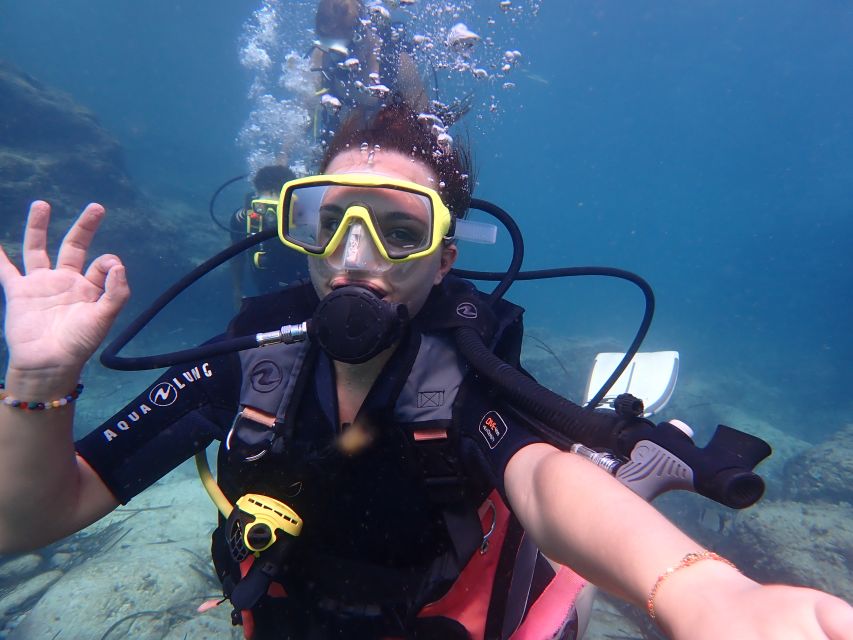
The included PADI Discover Scuba Diving certificate is useful, but you should understand what it means. It records your participation in this introductory experience. It is not the same as completing a full Open Water Diver certification.
The session may be credited toward that later course if you decide to continue. That makes the experience more than a one-off photo opportunity, especially if you already suspect that scuba could become a regular hobby.
The $176 price is easiest to justify when you value personal supervision and convenience. You receive equipment, transport, reserve entry, insurance during the activity, two PADI instructors, and the certificate. Photos cost extra, and the underwater time is limited, so the value is strongest for beginners who want a supported first step rather than a long exploration.
You can cancel up to 24 hours before the activity for a full refund. You can also reserve now and pay later, which helps if your Mallorca plans are not fixed.
My advice for making the decision
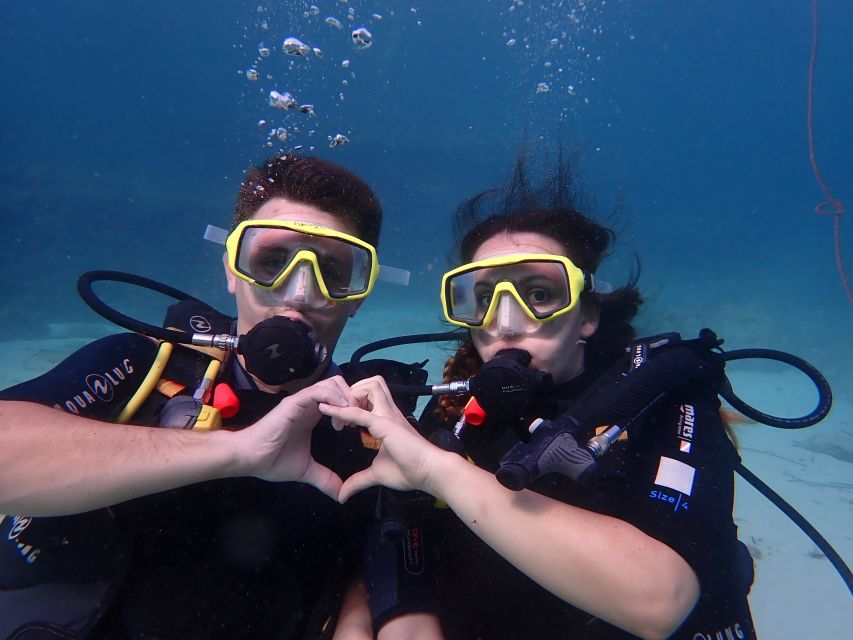
I would book this if you are curious about scuba but want the first session kept calm, shallow, and closely supervised. The instructors have a strong record of helping nervous participants, and the small group size is a real advantage.
I would think twice if you want a long underwater excursion, guaranteed fish sightings, or a full scuba qualification in one morning. You should also be ready for heavy equipment on land and a schedule that may include a fairly long van ride.
For most suitable beginners, the balance is good. You get a real taste of scuba in a protected setting without taking a full course or boarding a boat. Go slowly during the shallow-water practice, listen to the instructors, and judge the experience by how comfortable you feel underwater, not by how many fish appear.
FAQ
Do I need prior scuba experience?
No. The activity is designed for complete beginners, and the instructors teach equipment use, breathing, safety, and underwater communication before the session.
How deep will I go?
The guided underwater session reaches a maximum depth of 6 meters.
How many people are in each group?
Groups are limited to a maximum of six participants, with two certified PADI instructors in the water.
What languages are available?
Instruction is available in Spanish, English, French, and German.
What is the minimum age?
The minimum age is 10. Anyone under 14 must participate with an adult, and anyone under 18 needs a legal guardian’s signature.
Do I need medical clearance?
Everyone must complete the official PADI Medical Questionnaire. Depending on your answers, a doctor’s clearance may be required before the activity. If you need clearance and cannot present it on the day, you cannot participate and no refund is available.
Can I fly after the activity?
You must wait at least 12 hours after the scuba session before flying. Pregnancy excludes participation, and the activity is not suitable for people with heart problems, respiratory issues, or mobility impairments.
Just added around Spain
- Tour to Timanfaya, La Geria and La Laguna Verde★ 4.5 · 48 reviews
- Visit and wine tasting with sausage and BODEGA PIRINEOS cheese★ 5.0 · 73 reviews
- Rafting in Gallego River – Spain, Murillo de Gallego – UR Pirineos★ 5.0 · 139 reviews
- Timanfaya National Park: Evening Tour with Volcano Dinner★ 4.4 · 129 reviews
- From South Tenerife: Teide National Park Tour★ 4.8 · 283 reviews
- Tenerife: Teide National Park Buggy Tour with Hotel Transfer★ 4.5 · 145 reviews
- Tenerife: Teide National Park & Teno Rural Park Private Tour★ 5.0 · 35 reviews
- Tenerife: Teide National Park and Volcano Buggy Tour★ 4.0 · 39 reviews
Spain National Park Tours, compared.
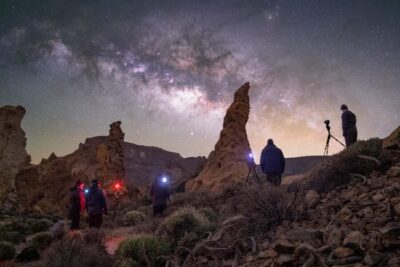
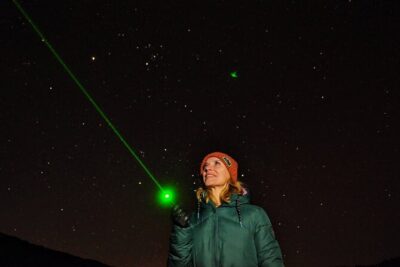
Teide National Park Sunset & Stargazing with Dinner (Star Safari)
Read our review →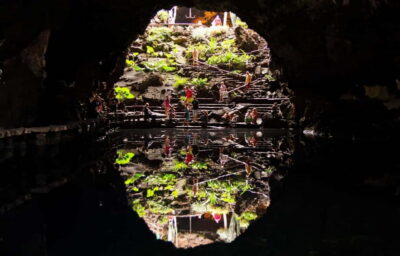
Timanfaya Park, Jameos Agua, & Cueva Verdes Tour
Read our review →
Teide National Park: Sunset & Stargazing Safari with Dinner
Read our review →
Timanfaya National Park Volcanic Craters Tour
Read our review →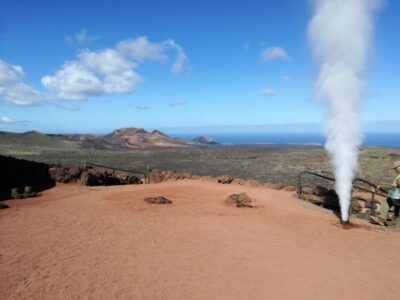
Arrecife: Timanfaya and Green Lagoon for Cruise Passengers
Read our review →
Timanfaya Park and Jameos del Agua Full-Day Tour
Read our review →Browse the lists this tour appears in