
Review · SIGIRIYA
Minneriya National Park Wild Elephant Safari – Private
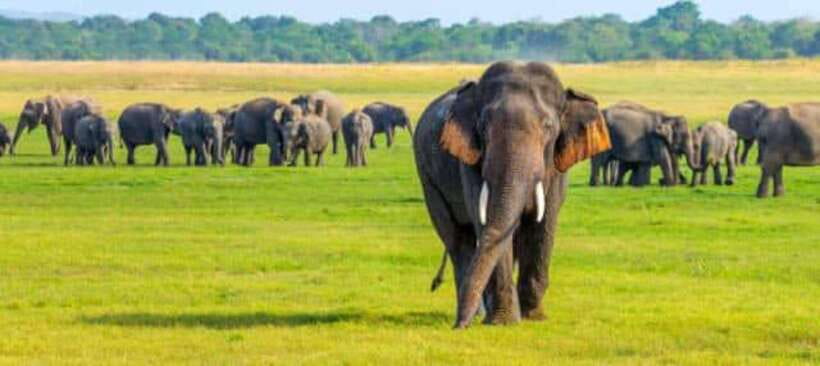
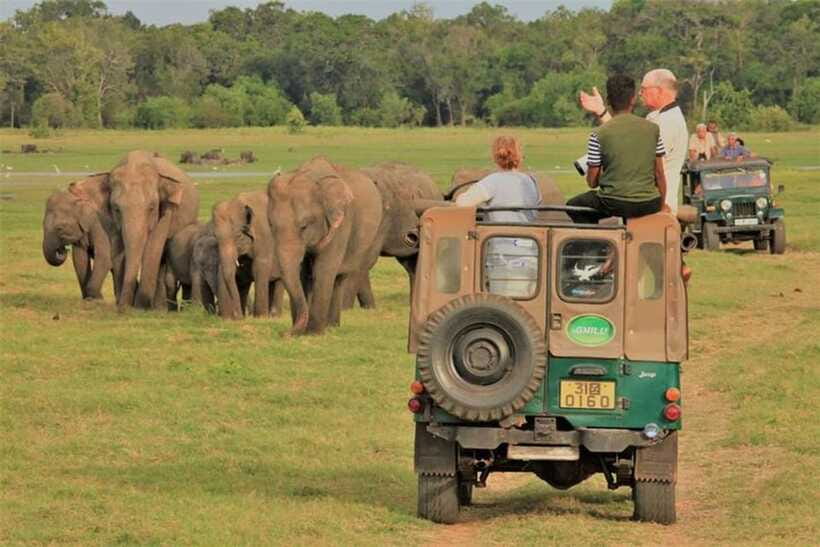
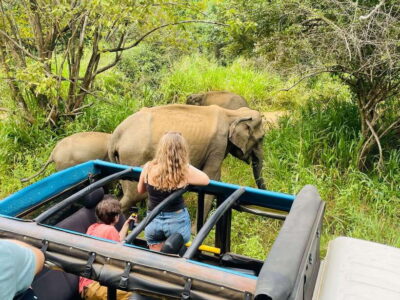
Minneriya National Park is famous for one of Asia’s great elephant gatherings. In the dry season, herds come to the Minneriya Tank to drink, feed, and meet, sometimes forming large family groups across the open grass. This private 4×4 safari gives you a good chance to watch that scene from a close, open-sided vehicle.
I like the easy hotel pickup and the fact that your driver controls the pace rather than rushing you from one animal to the next. I also like the 50% money-back guarantee if you do not see elephants, though the guarantee does not remove the basic uncertainty of wildlife watching. Herds can shift to another park, and park admission is an extra charge.
Key points at a glance
- Large elephant gatherings: Dry-season herds often gather around Minneriya Tank, with reports of 20 to 50 elephants in one outing.
- Private jeep, flexible viewing: You ride in a private 4×4 with an English-speaking safari driver rather than sharing the vehicle with strangers.
- Three to four hours in the park: The route passes grasslands, forest, wetlands, and the tank, with time for photos and quiet observation.
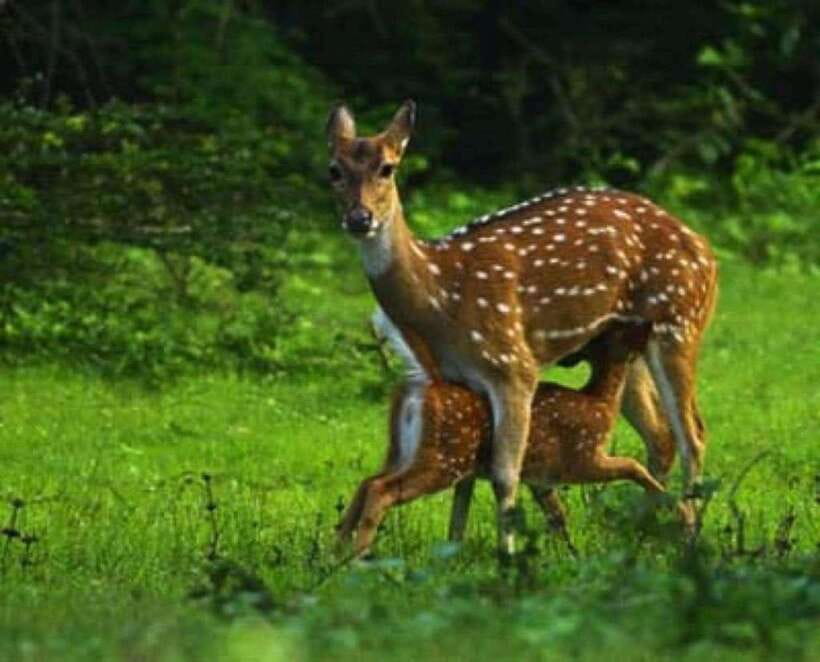
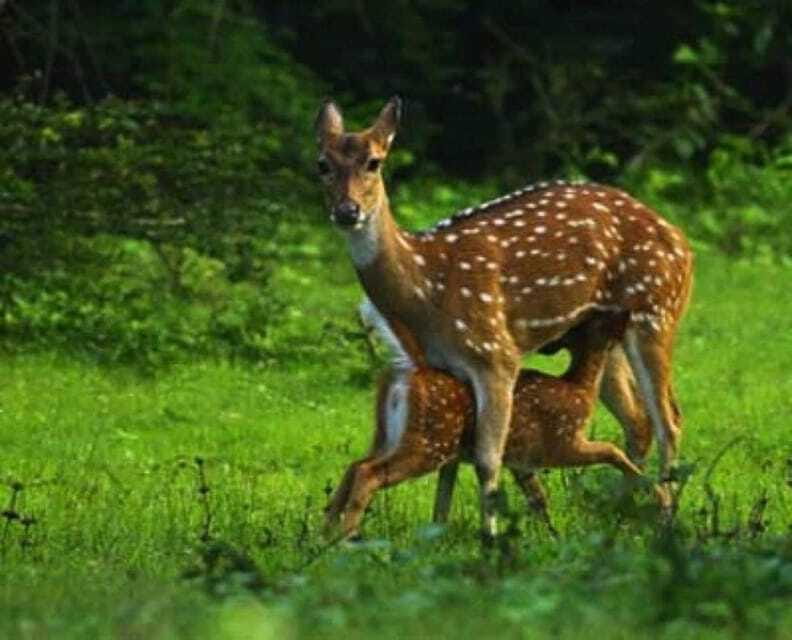
- Wildlife beyond elephants: You might see deer, monkeys, water buffalo, peacocks, crocodiles, eagles, and other birds.
- Park choice can change: Depending on weather and animal movements, the safari may switch to Kaudulla National Park or Hurulu Eco Park.
- Morning is the safer crowd choice: The operator recommends a morning departure, while afternoon trips can offer golden light and elephants coming to drink.
Why Minneriya’s elephant gathering matters
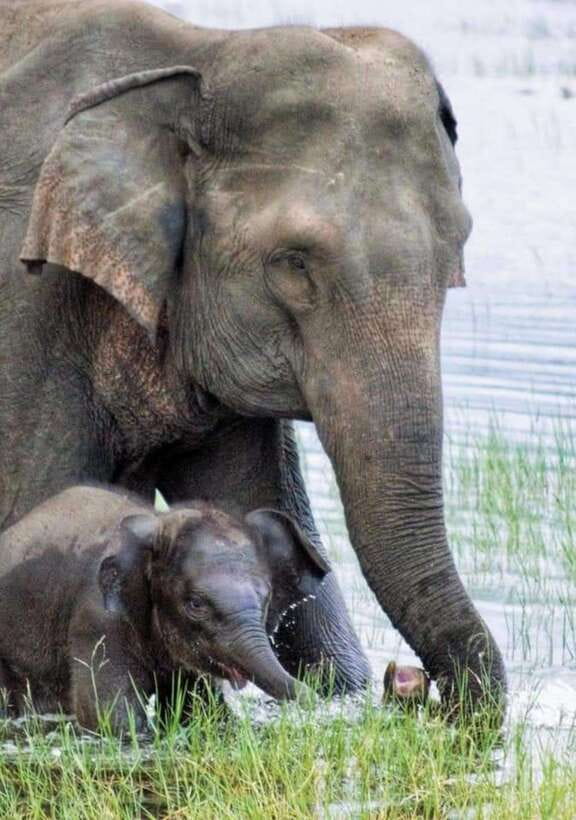
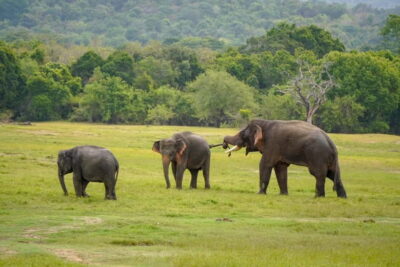
The main reason to book this safari is simple: Minneriya offers a real chance to see wild Asian elephants in numbers. These are not elephants brought out for a staged encounter. They are free-ranging animals using the tank and surrounding grasslands for water and food.
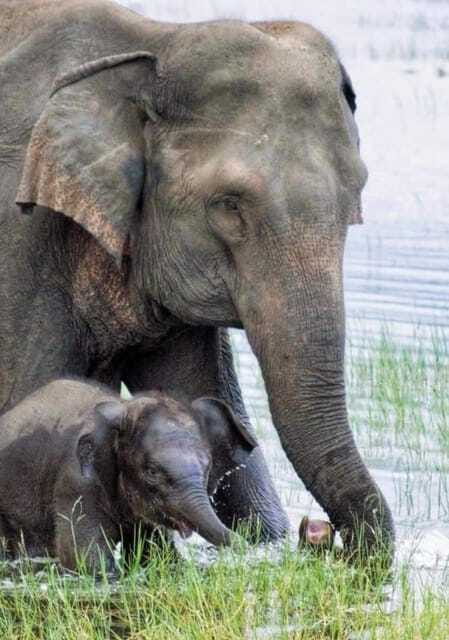
The famous gathering is strongest during the dry season, when water becomes more limited elsewhere. Elephants may arrive in family groups, including adults and young calves. You may see them drinking at the edge of the tank, pulling at grass, or standing together in loose groups before moving back toward the trees.
That setting gives the experience more weight than a quick roadside sighting. You are watching animals choose where to go and what to do. Still, nature sets the schedule. A herd may be hidden in woodland, spread over a wide area, or moving between parks.
The 50% money-back promise if you do not see elephants is useful, but you should read it as a sign of the operator’s confidence, not a promise that the safari will deliver a close-up sighting every time. No responsible safari can control animal movements.
More Elephant Safaris in Sri Lanka
- Udawalawe National Park: Elephant Safari with Expert Guide
★ 4.9 · 641 reviews - From Sigiriya: Minneriya National Park Elephant Safari
★ 4.8 · 365 reviews - Private Jeep Safari at Minneriya National Park to Visit Elephants
★ 5.0 · 338 reviews
Hotel pickup and the private 4×4
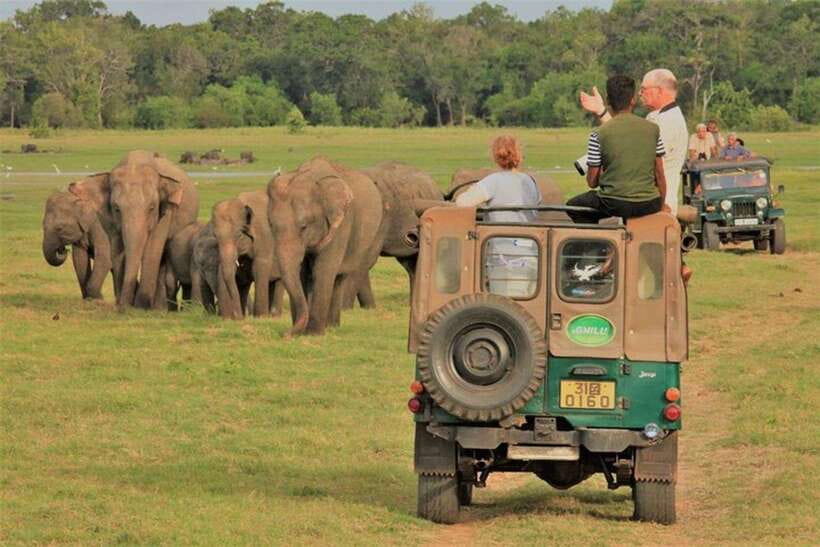
The safari lasts about four hours, with roughly three to four hours spent on the park outing itself. Pickup and drop-off are included from selected nearby areas, which is especially handy if you are staying around Sigiriya or another base in Sri Lanka’s Cultural Triangle.
You meet an English-speaking safari driver and travel in a private 4×4 built for wildlife viewing. The private setup matters most if you want to stop for photos, ask questions, or keep the outing focused on elephants rather than fitting into another group’s plan.
There is one practical point to keep in mind: private jeep does not mean private park. Other jeeps can be present around the same animals. One afternoon outing had about ten other vehicles nearby, though it still felt manageable rather than jammed with traffic.
Pickup timing may not be perfect. One booking had a late driver, but the safari finished with a quick return to the hotel, so the total delay was limited. I would still keep a little flexibility in your schedule, especially if you have a train, transfer, or timed attraction afterward.
Fuel, parking, vehicle charges, bottled water, and passenger insurance during the safari are included. Meals and snacks are not, so eat beforehand if you are booking a morning start or bring something suitable for the hotel pickup portion.
Entering Minneriya National Park
Once inside, the jeep moves through a mix of grassland, forest, and wetland. The scenery changes as you approach the tank, and the open areas are usually the best places to scan for elephant groups.
Your driver handles the route and points out animals. The strongest feedback about this experience centers on the drivers’ friendliness, effort, and ability to find wildlife. One outing produced sightings of about 50 elephants, along with many birds. Another found 20 to 30 elephants, water buffalo, monkeys, deer, and an eagle.
Those numbers should help you set expectations, not treat them as a guarantee. You might see several elephant groups, or you might spend time waiting for animals to emerge from the trees. That waiting is part of a proper safari. A driver who does not rush away can give you a better chance of seeing natural behavior.
You should also pay attention to the smaller sightings. A peacock crossing open ground, a monkey in the trees, or a crocodile near the water can make the drive feel like more than a single-species search. Birds are a real part of the outing, with eagles and other species possible around the tank and wetlands.
Watching elephants at the tank
The tank is the emotional center of the trip. Elephants may gather at the water, then spread onto the grass to feed. You can watch them move in family groups, with younger animals staying close to adults.
Close viewing is possible, and several outings produced elephants at very short range. Your driver may position the jeep near a herd, but you should expect some judgment and patience. The animals need room, and the best guide is not always the one who drives closest.
One afternoon booking began slowly with only a single elephant during the first hour. Around 4:30 p.m., herds began leaving the woods to drink and feed. The group eventually saw babies and large herds at close range. That is a useful reminder: an ordinary start can turn into a memorable finish.
Not every driver takes the same approach. In one case, the jeep initially stayed farther from the elephants than nearby vehicles. After the passengers asked, the driver moved closer and they ended up near a large herd. If you want a closer view, speak up politely. Your driver can often adjust the position while still keeping a safe distance.
The goal should be a good view, not the closest possible view. Elephants are powerful and unpredictable, and crowding them can change their behavior. I prefer a driver who gives the animals space while still finding a clear angle for photographs.
More Safari Tours in Sri Lanka
- Udawalawe National Park | Private Safari Tour
★ 5.0 · 1,499 reviews - Yala National Park Safari Tours: Morning/Evening/Full Day
★ 4.8 · 818 reviews - Full day Safari – Yala National Park – 04.30 am to 06.00 pm with – Janaka safari
★ 5.0 · 603 reviews - Yala National Park: Half, 7-Hour, or Full-Day Safari & Meals
★ 4.8 · 489 reviews
Morning or afternoon: choosing your timing
The operator recommends a morning safari to avoid crowds. That is sensible if your priority is a quieter park and cooler conditions. Morning also gives you a full day afterward for Sigiriya, Dambulla, or another nearby stop.
Afternoon has its own appeal. The golden light can look beautiful on the water, and elephants may come out from the trees later in the day to drink and feed. One successful afternoon safari began at 2:30 p.m. and improved sharply around 4:30 p.m.
The right choice depends on your priorities. Choose morning for a calmer start and a better chance of avoiding a cluster of jeeps. Choose afternoon if you want sunset colors and can accept a slower first hour.
Animal movements also change the plan. Depending on weather and where the herds are feeding, the safari may switch from Minneriya to Kaudulla National Park or Hurulu Eco Park. That can feel disappointing if you have your heart set on Minneriya, but following the elephants is usually more sensible than driving into an empty park simply to preserve the original name.
One afternoon group accepted an additional 3,500 Sri Lankan rupees to move to Kaudulla, where the herds had shifted. The switch paid off with many elephants, including babies. Confirm any extra charge before agreeing to a park change.
What you pay, and what you do not
At about $27 per person, the tour price is attractive for a private jeep, driver, pickup, drop-off, water, fuel, parking, and vehicle charges. The value improves if you are sharing the private jeep with family or friends, since you get a dedicated vehicle without paying for a luxury safari package.
The important extra cost is the national park entrance fee. It is not included. One booking paid 11,000 Sri Lankan rupees per person in cash, after being told about the charge the night before. Fees can change, so treat that figure as a useful example rather than a fixed current price.
Bring enough local cash for admission and keep money available if the driver recommends a different park with an additional charge. Meals, snacks, and personal spending are also yours to cover.
Bottled water is included, which is a small but welcome detail in Sri Lanka’s heat. Passenger insurance during the safari is included too, though that should not replace sensible care inside the vehicle.
The rating is strong at 4.8 from 27 ratings, and transport received a perfect score from 93 percent of customers. That points to a well-liked basic safari rather than a polished luxury operation. You are paying for access, transport, and a capable local driver, not a private naturalist with specialist equipment.
The driver makes the difference
A good safari driver does much more than steer. The driver watches the road, reads animal movement, chooses a useful position, and explains what you are seeing. The best feedback here focuses on friendly drivers who made a real effort to find elephants and other animals.
You should expect an English-speaking driver, but not necessarily a specialist guide with formal wildlife credentials. The experience depends heavily on who is assigned that day. Some drivers may explain animal behavior in detail, while others may be more focused on navigation and spotting.
Ask questions early. If you care about birds, tell the driver. If you want time for photography, say so. If the jeep is staying too far from a herd and a closer position seems safe, ask politely rather than waiting until the safari is almost over.
There was one uncomfortable report of a driver taking the group to an Ayurvedic massage place in the forest near the end of the outing. That was not part of the stated safari inclusions, and the stop felt forced. You should feel free to decline any unexpected detour and make clear that you want to return to your hotel.
Sunset, photography, and the feel of the outing
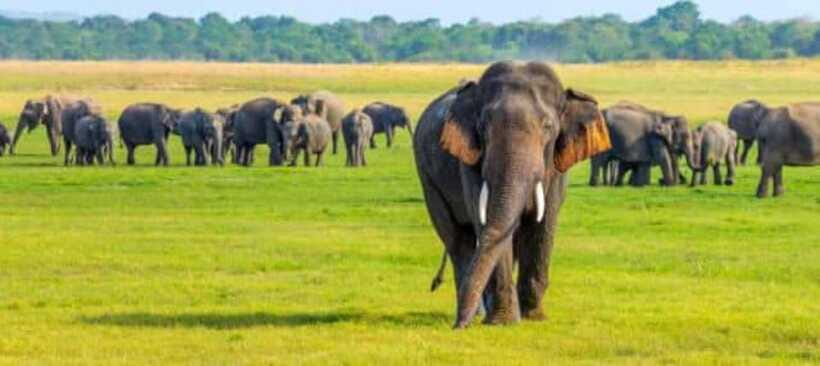
Late afternoon can provide the most pleasing light. The sky may turn gold above the tank, and the water can reflect the changing colors as elephants feed nearby. This is a strong time for wide photographs that show animals, water, and open grass together.
Photography is easiest when the jeep pauses steadily and the animals are in the open. Bring a charged phone or camera, but do not expect every image to be perfect. Elephants may stand in shade, turn away, or disappear behind vegetation within seconds.
The private jeep gives you more freedom to wait than a large shared vehicle might. Even so, this is still a motor safari on rough park roads. You are there for animal sightings and the setting, not a smooth ride.
Take time to watch without photographing every moment. Seeing a calf stay close to its mother, or a herd move as one group toward water, is often more memorable than filling your camera roll.
Who will enjoy this safari most
This outing suits you if elephants are a top reason for visiting Sri Lanka. It also works well for couples, families, and small groups who want a private vehicle and hotel transport without paying for a high-end wildlife lodge.
It is a good match for first-time safari visitors because the itinerary is straightforward. You are collected from your hotel, driven into the park, spend several hours looking for wildlife, and return to the same hotel.
Families should appreciate the chance to see elephants, monkeys, deer, buffalo, and birds in one outing. Children may find the first slow stretch difficult, so bring water, keep expectations flexible, and explain that wildlife does not perform on demand.
This may not suit you if you need a tightly timed excursion or dislike rough vehicle travel. It is also not ideal if you want a fully private park with no other jeeps nearby. For that, you would need a different and likely more expensive type of safari arrangement.
Should you book the Minneriya safari?
I would book this if you want a reasonably priced private jeep and your main goal is to see wild elephants near the tank. The strongest parts are the private vehicle, hotel pickup, friendly drivers, flexible animal spotting, and genuine chances of seeing large herds.
Before paying, confirm your pickup area, the current park entrance fee, the accepted payment method, and what happens if the elephants have moved to Kaudulla or Hurulu. Choose a morning start if crowds concern you. Pick afternoon if golden light and the chance of elephants appearing later matter more.
The experience is not perfectly controlled. Pickup may run late, another park may replace Minneriya, and one driver may need a polite reminder to move closer or skip an unwanted stop. But at $27 per person before admission, it offers a solid way to see Sri Lanka’s elephants without committing to an expensive full-day safari.
FAQ
How long does the Minneriya elephant safari last?
The activity lasts about four hours, with the park safari itself taking approximately three to four hours.
Is hotel pickup included?
Yes. Hotel pickup and drop-off are included from selected nearby areas.
Is the national park entrance fee included?
No. The entrance fee is separate. One booking paid 11,000 Sri Lankan rupees per person in cash, but you should confirm the current fee before going.
What animals might I see besides elephants?
You might see deer, monkeys, water buffalo, peacocks, crocodiles, eagles, and other bird species.
Can the safari move to another park?
Yes. Due to weather or animal movements, the outing may change to Kaudulla National Park or Hurulu Eco Park.
What happens if I do not see elephants?
The activity includes a 50% money-back guarantee if you do not see elephants. Wildlife sightings are still subject to weather and animal movements.
Just added around Sri Lanka
- Minneriya National Park Safari from Habarana★ 5.0 · 23 reviews
- Minneriya National Park Safari – Private Jeep with Hotel Pickup★ 5.0 · 44 reviews
- Kaudulla National Park Safari | Jeep with Tickets★ 5.0 · 21 reviews
- Minneriya National Park Elephant Jeep Safari Private Tour★ 5.0 · 68 reviews
- Sri Lanka Wild Life Uniqe Safari 26★ 5.0 · 28 reviews
- Minneriya National Park | Private Safari★ 5.0 · 59 reviews
- All Inclusive Private Safari in Minneriya National Park★ 4.5 · 26 reviews
- Tangalle/Hiriketiya: Yala National Park Safari in a 4×4★ 4.9 · 22 reviews
Sigiriya National Park Tours, compared.
From Sigiriya: Minneriya National Park Private Jeep Safari
Read our review →
From Sigiriya: Minneriya National Park Elephant Safari
Read our review →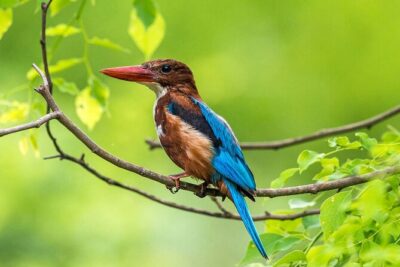
Private Jeep Safari at Minneriya National Park to Visit Elephants
Read our review →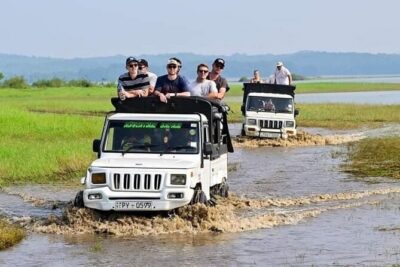
Sigiriya Lion Rock Hike & Minneriya National Park Safari
Read our review →Browse the lists this tour appears in