
Review · SKAFTAFELL
Skaftafell National Park: Falljokull Glacier Advanced Hike
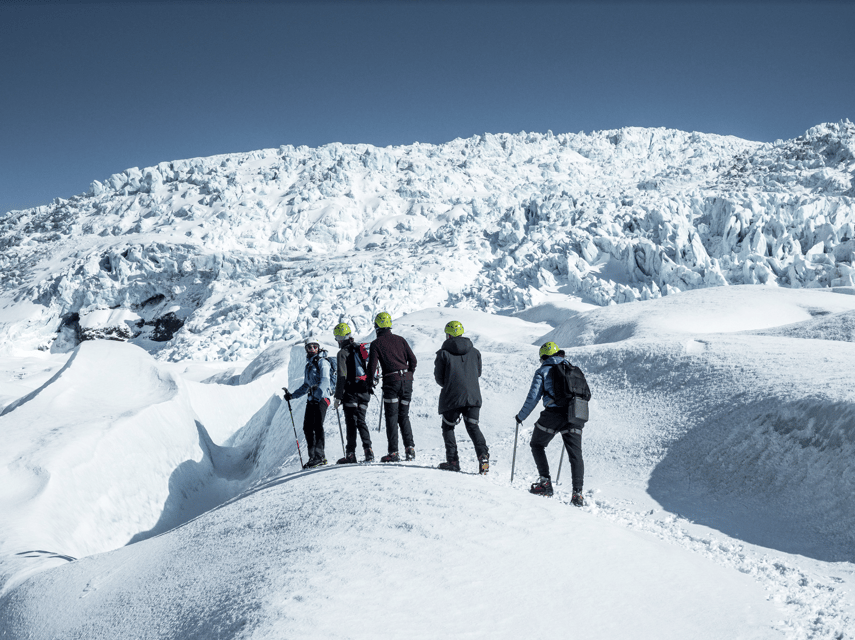
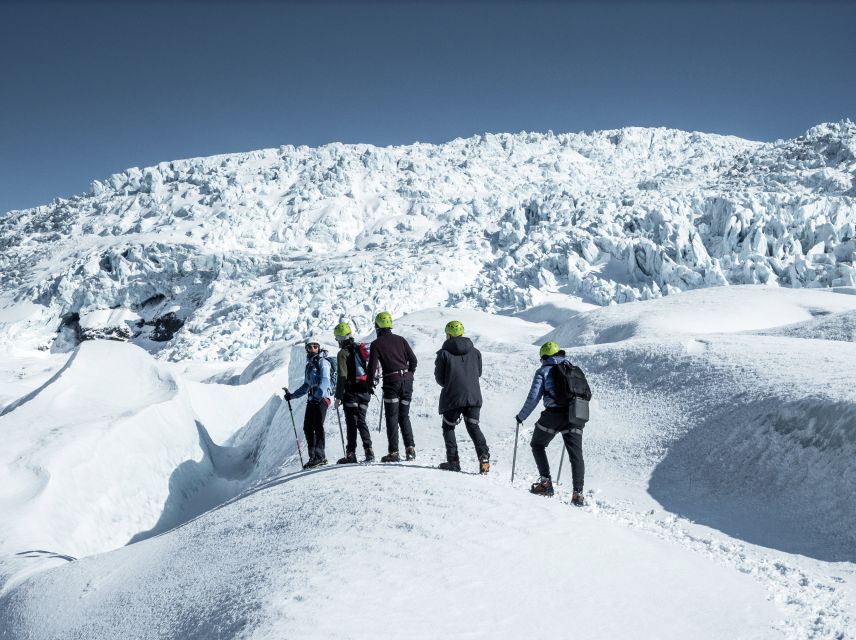
Falljökull is not a flat sheet of ice you simply stroll across. It is a steep, broken glacier with blue ice, crevasses, moulins, and an icefall that makes every step feel like a small mountaineering adventure. The five-hour outing gives you about three hours on the glacier, enough time to climb higher and leave the busiest lower section behind.
I especially like the small groups of up to 10 and the careful equipment briefing before you set foot on the ice. I also like that the guides, including Anna, Marc, Paula, Filip, and others, explain both glacier science and the effects of climate change rather than treating the outing as a simple photo stop.
The main caution is that this is a real hike. Steep sections, awkward footing, and roughly 8 kilometers of total walking have been reported by participants, so you need reasonable fitness, warm waterproof clothing, and sturdy ankle-high boots.
Key points to know before you book
- Three hours on the ice: The five-hour version gives you time to climb farther up Falljökull and see more formations.
- A small group matters: With no more than 10 participants, the guide can adjust the pace and help on steep sections.
- Safety gear is supplied: You receive a helmet, harness, crampons, and ice axe, with instruction before the hike begins.
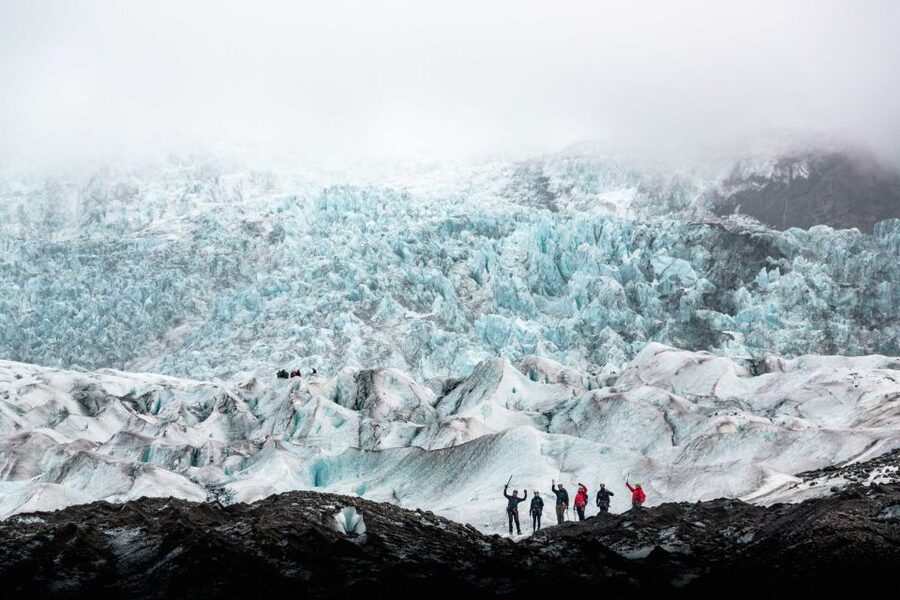
- The glacier is active and uneven: Expect crevasses, moulins, ice tunnels, steep slopes, and changing conditions.
- The walk is physically demanding: It is manageable for many fit beginners, but it is not an easy nature walk.
- The price buys time and supervision: At $167 per person, the extra glacier time and certified guide make the five-hour option better value than a short introduction for many people.
Why Falljökull feels more adventurous than a standard glacier walk
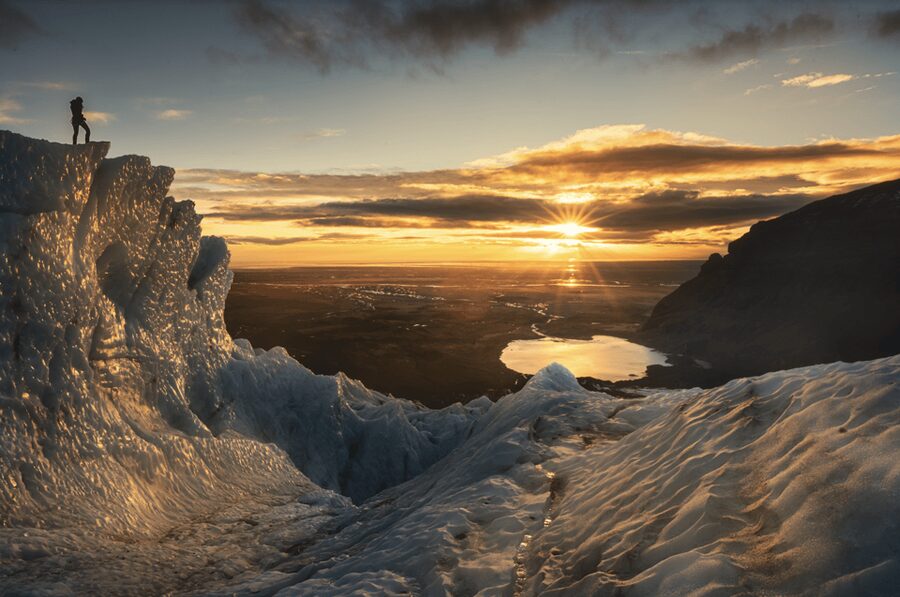
Falljökull means the falling glacier, an apt name for an outlet flowing from Vatnajökull. Vatnajökull is Iceland’s largest ice cap and one of Europe’s great frozen expanses. Falljökull spills down from it in a broken icefall, creating a more active setting than the broad, level ice many people picture when they hear glacier hike.
You will see the glacier change as you climb. Near the lower section, the surface may look gray and rough from rock and meltwater. Farther up, the ice becomes more sculpted, with blue cracks, ridges, holes, and steep walls. The exact route depends on weather and ice conditions, so no two outings are likely to follow precisely the same line.
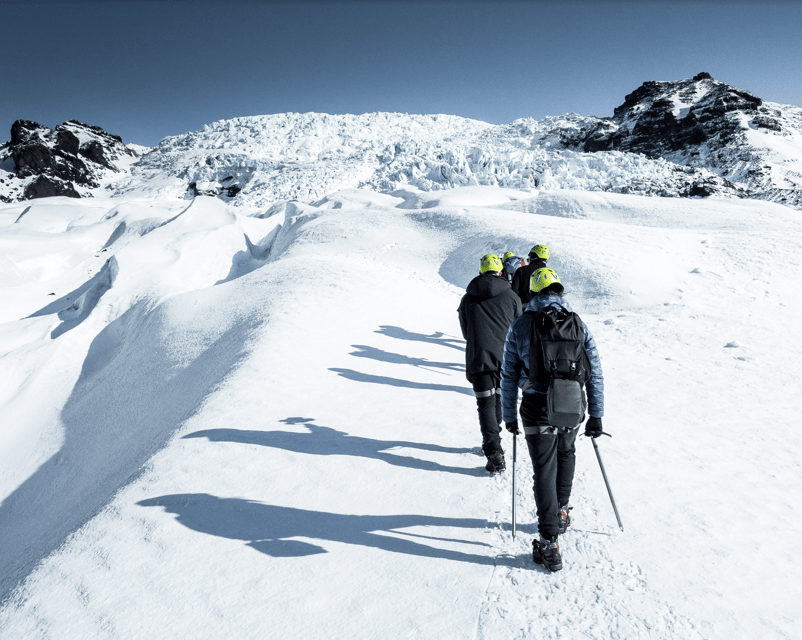
The special appeal is that you are not just looking at the glacier from a marked viewpoint. You are moving through it with crampons on your boots, learning how to place each foot, and watching your guide choose a safe route around open cracks. That makes the experience feel personal and physical.
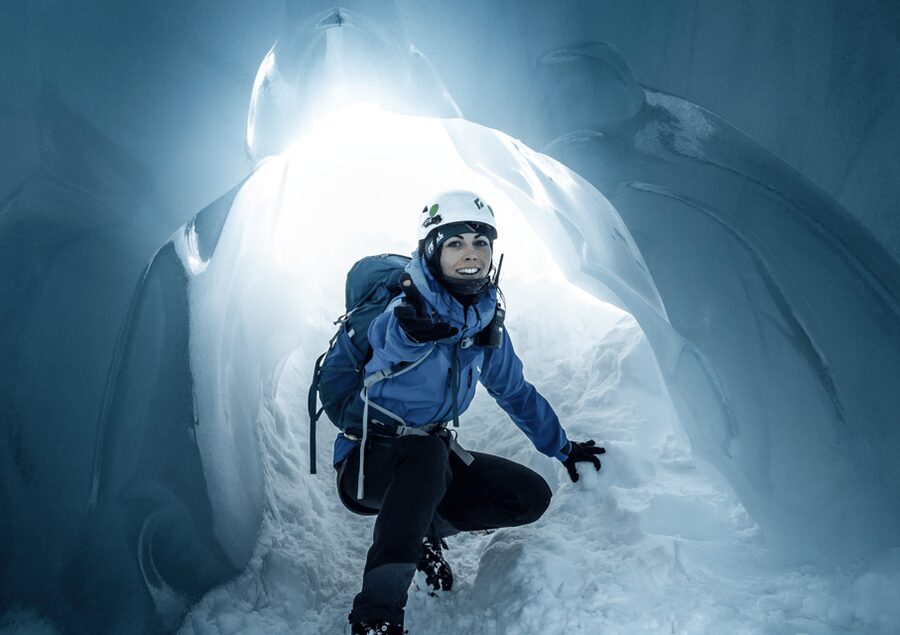
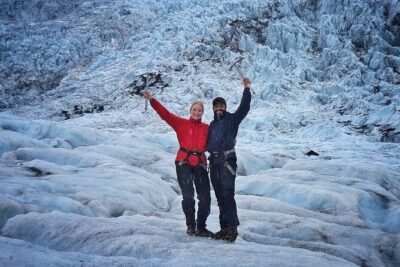
You may also peer into ice tunnels and small openings where the inner blue color shows through. Moulins, formed when meltwater pours into cracks and cuts vertical shafts through the ice, give the glacier an almost cave-like character. These features are beautiful, but they also explain why a guided trip is essential.
More Glacier and Ice Cave Tours in Iceland
- Jökulsárlón: Vatnajökull Ice Cave Guided Tour
★ 4.2 · 2,046 reviews - Skaftafell: Ice Cave Tour and Glacier Hike
★ 4.5 · 1,746 reviews - Jökulsárlón: Crystal Ice Cave Super Jeep Tour
★ 4.1 · 1,681 reviews
Starting at Tröll Expeditions Skaftafell
You meet at the Tröll Expeditions Skaftafell base 20 minutes before departure. The meeting point is about 1 kilometer west of Hofgarður and 9 kilometers east of Falljökull Glacier. A private, free parking area is visible from the road.
This setup works well if you are driving the south coast or Iceland’s Ring Road. Hotel pickup is not included, so you need to reach Skaftafell on your own. Build in time to park, find the office, and get dressed without rushing.
At the base, the team supplies the main glacier equipment: helmet, harness, crampons, and ice axe. Waterproof pants, waterproof jackets, and hiking boots are available to rent if your own gear is not suitable. Bring warm clothing in layers, and take the weather forecast seriously. Iceland can change from calm to wet and windy in a short time.
Coffee and chocolate are included at the base. That sounds like a small touch, but it is welcome before or after five hours outside, especially in colder weather.
The 10-minute Tröll Bus ride and approach walk
After gearing up, you ride the Tröll Bus toward the glacier. The listed transport time is about 30 minutes in the full schedule, while the direct ride to the glacier is described as roughly 10 minutes, followed by a walk. The difference likely reflects loading, transfers, and the approach on foot.
The road does not take you right to the ice. You still walk from the drop-off point toward the glacier, and this approach has become longer as the ice retreats. One participant found the walk from the shuttle to the glacier tiring, but it also makes the effects of warming visible before the main hike even starts.
That extra walking is worth knowing about. If you arrive expecting to step off the bus directly onto the ice, you may be surprised. Think of the approach as part of the outing, not a minor transfer.
Safety instruction before the first crampon step
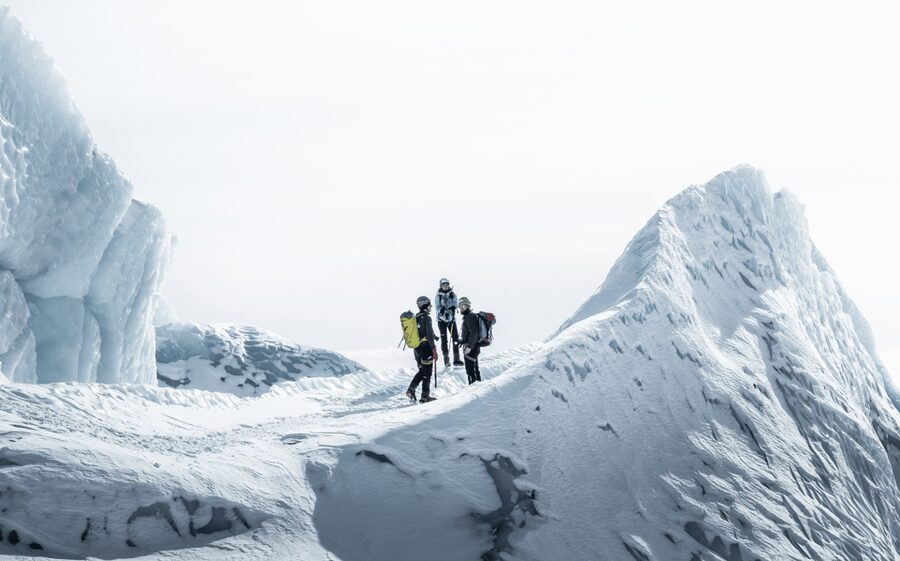
At Vatnajökull National Park, your guide gives a safety briefing and demonstrates how to use the equipment. You learn how to walk in crampons, how to step up and down on sloping ice, and how to handle the ice axe.
Crampons take a little practice. You need to lift your feet rather than shuffle, and steep sections require deliberate steps. Guides have helped participants through tricky climbs and descents, adjusting the pace when someone needs a rest. Vertical climbing sections may appear on the route, but these are optional according to the experience described by participants.
The helmet is not decorative equipment. It protects you from falling ice and bumps, while the harness and rope system may be used where the terrain calls for extra security. Conditions determine what the group can safely do, and your guide has the final say on route and timing.
This is where the small group becomes important. A maximum of 10 people allows the guide to watch foot placement, answer questions, and offer a hand on awkward sections. Groups with similar fitness can sometimes reach more varied terrain, but the guide should still keep the outing within a safe, shared pace.
Same park country, a different day out:
- Skaftafell: Falljokull Glacier Easy Group Hike
★ 4.7 · 1,508 reviews - Skaftafell: Blue Ice Glacier Hike on Vatnajökull
★ 4.7 · 1,045 reviews - Jökulsárlón: Vatnajökull Glacier Guided Hiking Tour
★ 4.7 · 921 reviews - From Jökulsárlón: Vatnajökull Glacier Blue Ice Cave Tour
★ 4.6 · 866 reviews
Three hours exploring the icefall
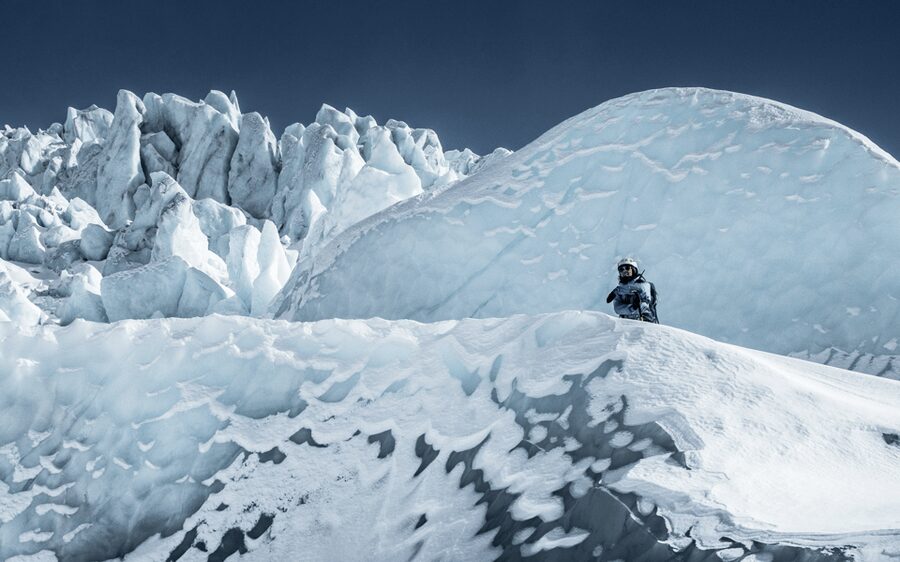
The main glacier portion lasts about three hours. That is the reason I would choose this five-hour version over a shorter option if your schedule and fitness allow.
You climb through Falljökull’s uneven icefall, stopping for explanations, photographs, and short rests. The route can include deep fissures, blue ice, narrow openings, and steep sections where you use your crampons carefully. The point is not to race upward. It is to give you time to understand the ice and see how quickly its texture changes.
At higher points, the views open over Skaftafell and the surrounding area. On a clear day, you can look across the national park from a position that is far more dramatic than a roadside viewpoint. Fog, rain, and wind can reduce the views, but the ice remains interesting in poor weather.
The outing has a good rhythm. You walk, stop, listen, and then move again. Guides such as Marc, Anna, Paula, Filip, Rick, and others have been praised for combining safety with humor and useful instruction. That matters on a long hike because a dry explanation of glacier movement is easier to absorb when you are also being shown a real crevasse or meltwater channel.
Some groups have reached about 380 meters of elevation gain, and one reported total distance was around 8 kilometers. Another account described roughly 5 miles of walking. These figures are not a fixed promise for every departure, since weather, route, and group pace can change, but they give you a useful idea of the effort involved.
What makes the glacier science worth your time
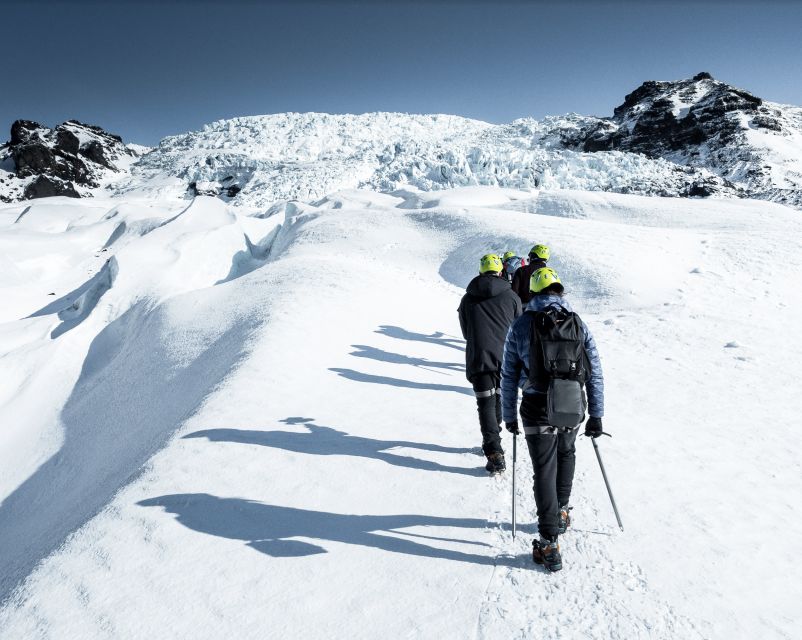
The guide explains how glaciers form, how they move, and why the ice develops cracks and blue sections. You also learn about moulins, which carry meltwater down into the glacier, and crevasses, which open as the ice bends and pulls apart.
The climate lesson is not tacked on as a lecture. The retreating ice is visible in the changing approach from the bus. A longer walk to the glacier can show you, in a very direct way, how far the edge has moved over time.
I appreciate this part because it gives the scenery meaning. You are not only collecting photographs of blue ice. You are seeing a powerful natural system that is changing rapidly. The guide can point out the signs on the ground and explain how the glacier’s future is tied to warmer temperatures.
Some departures have also included drinking from a small glacier waterfall. Bring a water bottle if you would like to collect or drink water where the guide says it is safe. Do not assume every meltwater stream is suitable without asking first.
Weather, clothing, and the physical challenge
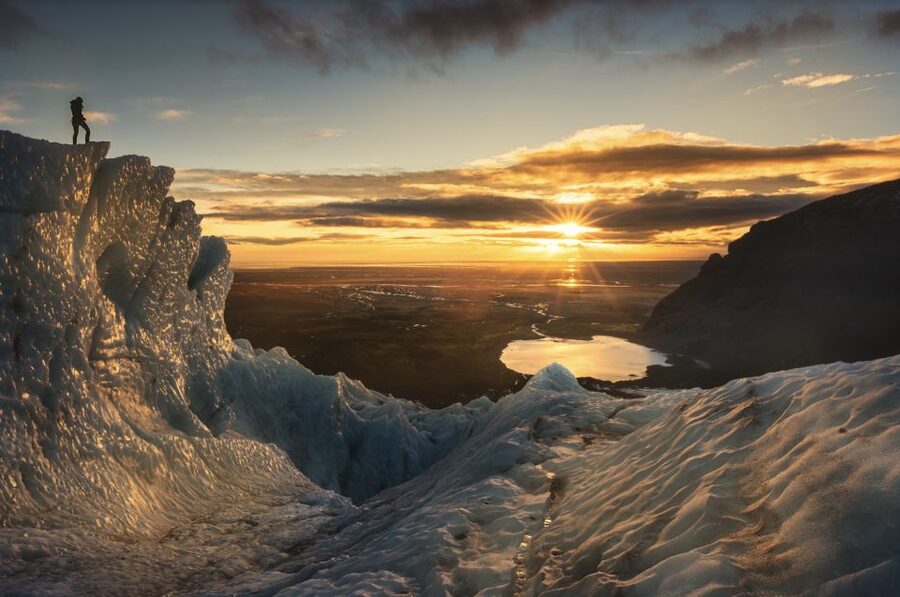
Icelandic weather can test your planning. Participants have completed the hike in rain, fog, high wind, and sunshine. One outing was shortened from five hours to three because of very strong winds, with a partial refund provided in that case.
Wear warm layers and waterproof outer clothing. Waterproof trousers are particularly useful because you may kneel, sit briefly, or brush against wet ice. Sturdy ankle-high hiking boots are required, and you can rent boots, a waterproof jacket, or waterproof trousers if needed.
The cold is not the only issue. The hike uses your legs, ankles, and knees in unusual ways. Crampons make the ice manageable, but steep climbing and descending still take work. Stretch afterward, and be honest with yourself if you have joint problems or limited stamina.
You do not need previous glacier experience. The guide teaches the basic techniques, and many first-time participants have managed the route. You do need to be comfortable with a demanding hike and changing ground. This is a good match for an active adult, not for someone seeking a gentle scenic walk.
Children under 12 are not permitted. The activity is conducted in English, and the group size is limited to 10 people.
Is the five-hour version worth $167?
At $167 per person, this is not a cheap add-on. Icelandic guided activities can be expensive, and the price may make you compare it with a shorter glacier walk or an ice cave outing.
The five-hour format earns its cost through time. You get about three hours on the glacier rather than a quick introduction, and you have a better chance of climbing higher, reaching quieter sections, and seeing a wider range of ice features. Several participants considered the added time worthwhile for that reason.
The price includes the guide, all main glacier equipment, parking, and coffee and chocolate. Food is not included, and neither is hotel pickup. You should bring water and a snack, particularly if you are used to eating during a five-hour outdoor activity.
I would choose the five-hour trip if Falljökull is one of the main reasons you are stopping at Skaftafell. If you have limited time, modest fitness, or only want to stand on a glacier once for the experience, a shorter option may be enough. The five-hour trip is better for anyone who wants the glacier itself to be the main event.
Free cancellation is available up to 24 hours before departure, and you can reserve now and pay later. Starting times vary, so check availability for your date.
Who will enjoy this outing most?
I would recommend it to fit adults, active couples, friends, and older teenagers who want a hands-on introduction to glacier travel. It suits people who enjoy learning while doing, rather than simply taking a bus to a viewpoint.
It is also a good choice for photographers, although you need to keep your camera secure and avoid letting pictures distract you from foot placement. The ice changes constantly in shape and color, while the views over Skaftafell give you plenty to photograph during stops.
You may want to think twice if you dislike steep ground, wet weather, or long periods outdoors. The hike can be tiring even when the pace is sensible. You should also avoid booking it as a casual filler between other demanding activities.
Should you book the Falljökull advanced hike?
Book it if you want a substantial glacier experience with a small group, proper equipment, and enough time to move beyond the lower ice. The strongest reasons are the three hours on Falljökull, the chance to climb higher, and guides who focus closely on safety while explaining the ice.
Skip it if you want an easy walk, need hotel pickup, or cannot manage several hours of uneven and sometimes steep terrain. Weather may shorten the route, and the price is significant.
For most fit visitors spending time around Skaftafell, I think the five-hour format is the better choice. It gives the glacier room to become more than a backdrop. Bring waterproof layers, boots, water, and a willingness to work a little, and you will get a far more complete experience of Iceland’s changing ice.
FAQ
Where does the Falljökull glacier hike begin?
Meet at the Tröll Expeditions Skaftafell meeting point, about 1 kilometer west of Hofgarður and 9 kilometers east of Falljökull Glacier. Free private parking is available at the meeting point.
How long is the activity?
The full activity lasts about five hours. This includes transport, the safety briefing, the approach walk, about three hours on the glacier, and the return journey.
How much time do I spend on the glacier?
You spend roughly three hours on Falljökull itself. The route may include steep ice, crevasses, moulins, ice tunnels, and higher sections of the glacier.
What equipment is included?
The tour provides a helmet, harness, crampons, and ice axe. Waterproof trousers, waterproof jackets, and hiking boots can be rented if you do not have suitable gear.
Do I need previous glacier hiking experience?
No previous glacier experience is stated as a requirement. Your guide explains how to use the equipment and how to walk safely in crampons, but you should have reasonable fitness for a demanding hike.
Is the activity suitable for children?
The activity is not suitable for children under 12.
What happens if I need to cancel?
You can cancel up to 24 hours before departure for a full refund. You can also reserve your place and pay later, subject to availability.
More Hikes and Treks in Iceland
- Skaftafell: Blue Ice Cave & Glacier Hike on Vatnajökull
★ 4.7 · 643 reviews - Skaftafell Glacier Hike 3-Hour Small Group Tour
★ 4.5 · 580 reviews - Blue Ice Discovery – Guided Glacier Hike from Skaftafell
★ 5.0 · 532 reviews - Skaftafell: Extra-Small Group Glacier Hike
★ 4.9 · 501 reviews
Just added around Iceland
- Thingvellir: Silfra Freedive Adevnture with a Guide★ 4.8 · 40 reviews
- Skaftafell: Small-Group Vatnajökull Glacier Hike (Moderate)★ 4.8 · 327 reviews
- Skaftafell National Park: Falljokull Ice Climb and Hike★ 4.7 · 78 reviews
- Skaftafell: Blue Ice Experience Easy Glacier Hike★ 4.8 · 264 reviews
- Skaftafell: Glacier XTreme – Hike & Ice Climbing Adventure★ 4.9 · 45 reviews
- Skaftafell: Ice Cave Experience★ 4.4 · 21 reviews
- Skaftafell: Half-Day Vatnajökull National Park Glacier Hike★ 4.9 · 120 reviews
- Skaftafell: Blue Ice Maze Glacier Hike on Vatnajökull★ 4.6 · 111 reviews
Skaftafell National Park Tours, compared.
Skaftafell: Falljokull Glacier Easy Group Hike
Read our review →
Jökulsárlón: Vatnajökull Glacier Guided Hiking Tour
Read our review →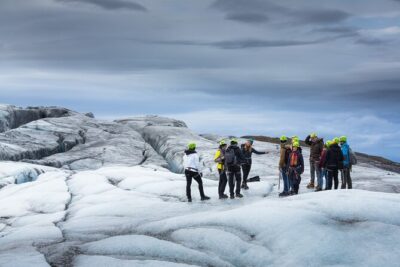
Skaftafell Glacier Hike 3-Hour Small Group Tour
Read our review →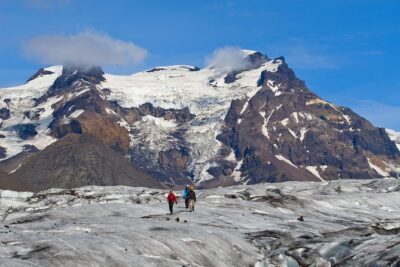
Blue Ice Discovery – Guided Glacier Hike from Skaftafell
Read our review →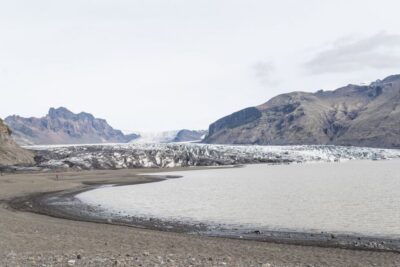
Glacier Hike from Skaftafell – Extra Small Group
Read our review →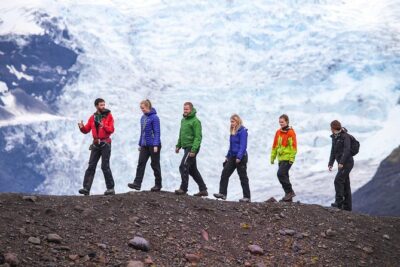
Glacier Adventure From Skaftafell – Small Group Tour
Read our review →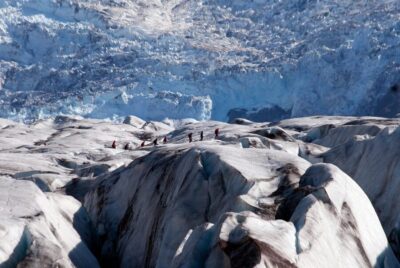
Skaftafell: Blue Ice Experience Easy Glacier Hike
Read our review →Browse the lists this tour appears in