Review · HOBART
Tasmania: Wilderness and Wildlife Guided 6-Day Tour
Tasmania packs an astonishing range of scenery into six days: tall forest, alpine lakes, wild beaches, pink granite mountains, old mining towns, and animals you cannot see in mainland Australia. This is an active small-group trip built for seeing the island without renting a car or planning every road and trail yourself.
I especially like the choice of walking routes and the way local guides such as Phil, Brendan, Hayden, and Keygan bring practical knowledge of the island to the road. I also like the mix of famous places, such as Wineglass Bay and Cradle Mountain, with quieter stops such as the Henty Sand Dunes and Honeymoon Bay. The tradeoff is a full schedule, long driving days, and a bus that one recent participant found a little old.
Key points at a glance
- Six days across Tasmania: Travel from Hobart to Strahan, Cradle Mountain, Launceston, Bicheno, Freycinet, Richmond, and Wellington Park.
- Flexible walking choices: Pick easy walks such as Russell Falls or tougher routes such as Marion’s Lookout and Mount Amos.
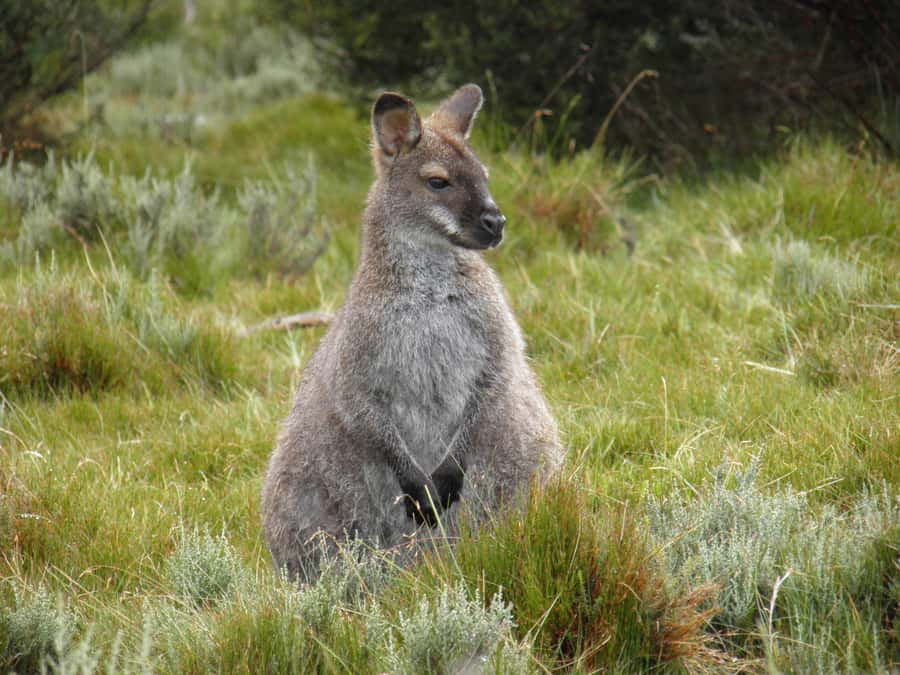
- Wildlife with context: See wombats, wallabies, kangaroos, quolls, birds, and Tasmanian devils at Bonorong Wildlife Sanctuary.
- Two very different coasts: Walk white-sand beaches at the Bay of Fires and Freycinet, then breathe in the open Pacific at Ocean Beach.
- Accommodation options: Choose hostel rooms or motel rooms, with private ensuite rooms available in motels.
- A practical car-free solution: Hobart pickups, park entry, five nights of accommodation, and guided walks are included for $831 per person.
What $831 buys you across six days
At $831 per person, this tour is not a bare-bones bus transfer. It includes five nights of accommodation, national park entry fees, Bonorong Wildlife Sanctuary, Hobart pickups and drop-offs at selected central locations, and commentary throughout the trip.
Food and drinks are extra, and the Gordon River Cruise is also an optional added cost. You will need to budget for meals along the way, but that also gives you some freedom. You can choose between hostel and motel accommodation, which helps explain the price difference between booking choices.
I see the strongest value in the transport and access. Tasmania’s best places are spread widely across the island, and reaching Strahan, Cradle Mountain, Freycinet, and the Bay of Fires independently takes careful planning and a car. Here, the route connects them in one trip, while a guide handles the roads, park entrances, and daily choices.
The schedule is busy, but that is the point. You are not spending six days in one region. You are covering the island’s major natural attractions, with enough walking to get beyond the roadside viewpoint.
More National Park Day Trips in Australia
- Grampians National Park Small-Group Eco Day Tour
★ 4.8 · 577 reviews - From Darwin: Kakadu Wilderness Escape & Rock Art Day Tour
★ 4.5 · 403 reviews - Litchfield National Park Day Tour from Darwin
★ 4.0 · 264 reviews
Day 1: rainforest, waterfalls, and the road to Strahan
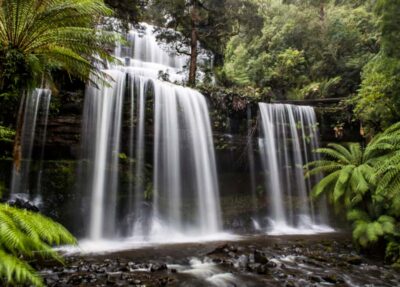
The trip begins in Hobart and heads west through Mount Field National Park. The short walk to Russell Falls takes about 25 minutes and covers 1.4 kilometers on a flat, even route. It is an easy start, and you can see one of Tasmania’s favorite waterfalls without spending the morning on a demanding trail.
The forest here is part of the appeal. You will walk among some of the world’s tallest trees before continuing toward Lake St Clair, Australia’s deepest freshwater lake. The change from wet forest to open mountain country gives you a quick sense of how varied Tasmania can be.
The drive through Franklin-Gordon National Park is one of the day’s major rewards. Expect rainforest, mountain views, rivers, and lakes, with the scenery unfolding from the vehicle as well as on foot. This is also a long travel day, so bring water, warm layers, and something to occupy you between stops.
Before reaching Strahan, the route passes through Queenstown. The old mining town has a very different feel from the forest and lakes, with a past shaped by mining and a stark setting on Tasmania’s western side. You spend the night in Strahan, a harbourside village that makes a useful base for the next day.
Day 2: sand dunes, ancient forest, and Ocean Beach
Day two focuses on the West Coast’s wilder side. The Henty Sand Dunes are a memorable contrast to the rainforest and mountains. Their scale gives the stop a sense of open space, and walking across sand takes more effort than a flat path, so comfortable shoes matter.
You will also take a guided nature walk through ancient rainforest. This is where the guide’s local knowledge becomes especially useful. The trees and plants can blur together when you are moving quickly, but commentary helps you notice what makes the forest distinctive.
The other major option is a Gordon River Cruise, available at your own cost. If you choose it, you will spend part of the day on the water rather than on the included walking program. Check the timing and price before departure, since this is an add-on and not part of the $831 package.
Later, the group reaches Ocean Beach. This is a broad, exposed stretch of coast where the feeling is less about swimming and more about wind, distance, and clean sea air. The day gives you a good balance of optional planning and included nature stops, although you should not expect a relaxed resort-style pace.
You return to Strahan for a second night. Keeping the same accommodation for two nights is welcome after a long first day and reduces the need to repack.
Day 3: choosing your Cradle Mountain walk
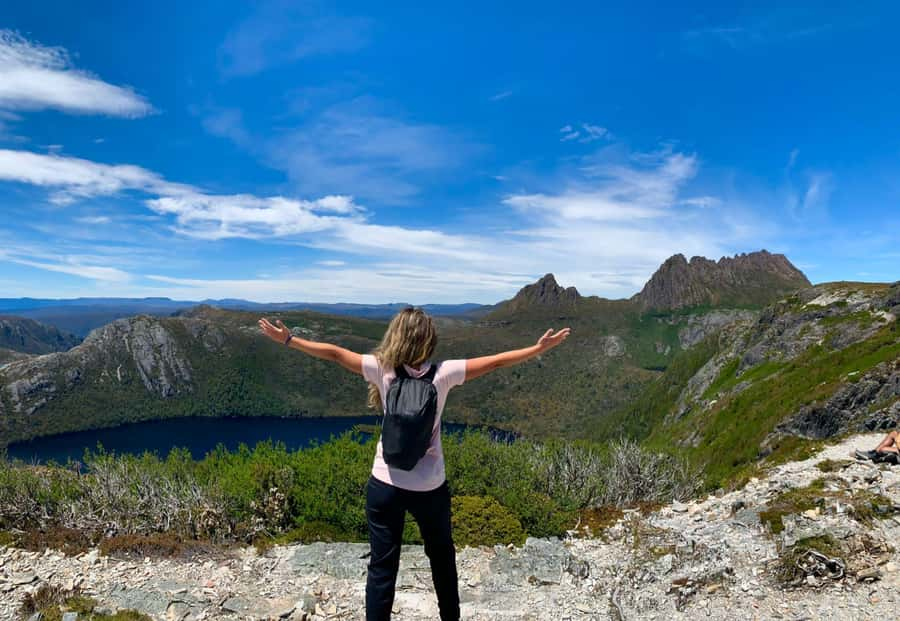
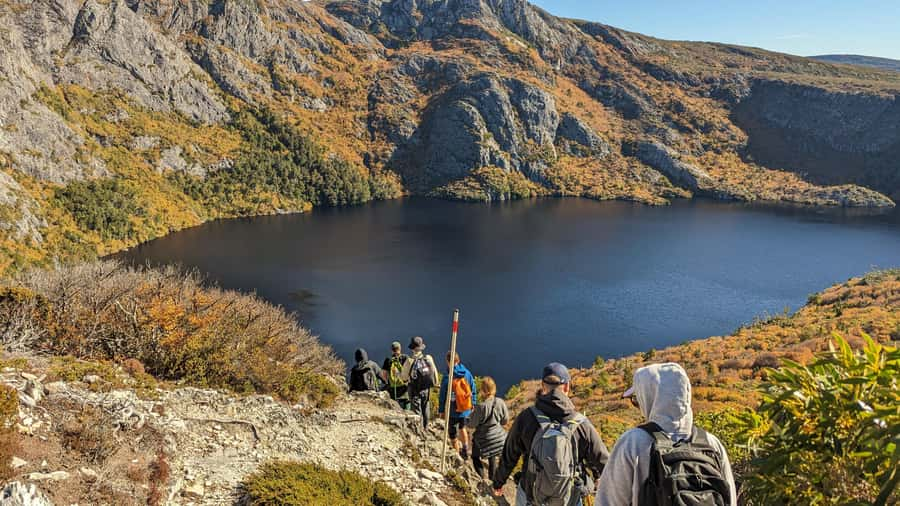
Cradle Mountain National Park is the trip’s alpine centerpiece. The park is part of a World Heritage-listed area, with glacially formed lakes, high peaks, rough tracks, and changing weather. You can choose a walk based on your fitness and energy.
The Dove Lake Circuit is the sensible choice for many people. It takes around two to three hours, covers six kilometers, and includes short hills, rough surfaces, and many steps. It is not a technical hike, but it is more demanding than the Russell Falls walk.
If you want more of a challenge, Marion’s Lookout provides a steeper route and wider views. The itinerary also includes a chance to look for wombats at Ronny Creek, one of the most appealing wildlife moments on the route. Sightings are not guaranteed, but the area is known for these sturdy, famously unbothered animals.
This flexibility is one of the tour’s best features. You are not forced into the same hike as everyone else, and the walks can be guided or completed without a guide. A guide such as Brendan or Keygan may add useful detail about the area, but you still retain some control over how hard you want to push.
After leaving the park, the tour stops in Sheffield, known as the Town of Murals, before continuing to Launceston. The stop breaks up the drive and adds a touch of local character after a day among mountains and lakes.
More Nature Reserve Tours in Australia
- From Port Arthur: Tasman Island Wilderness Cruise
★ 4.9 · 704 reviews - From Hobart/Adventure Bay: Bruny Island Wilderness Cruise
★ 4.8 · 601 reviews - Hobart: Bruny Island Wilderness Coast Eco Cruise with Lunch
★ 4.8 · 498 reviews - Wilsons Promontory Wilderness Cruise from Tidal River
★ 5.0 · 449 reviews
Day 4: Cataract Gorge and the Bay of Fires
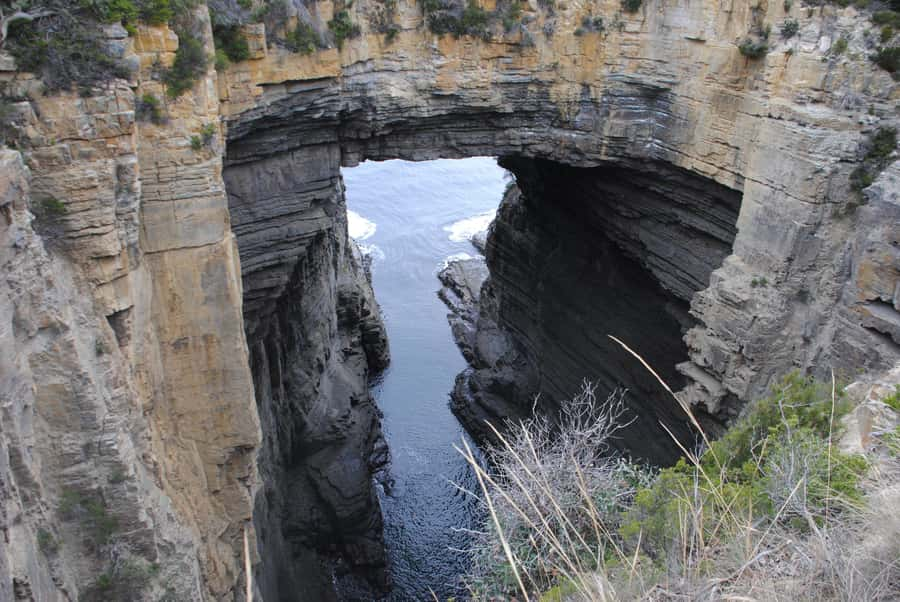
Launceston’s Cataract Gorge is a pleasant contrast to the previous day’s alpine walking. You can walk through the gorge area and look for local wallabies before heading east. This stop is relatively accessible compared with the rougher national park tracks, though the exact walking distance depends on the group and guide.
The road then leads toward St Helens, where you stop for lunch. Food is not included, so this is a useful chance to buy something for the afternoon or prepare for the remaining walking.
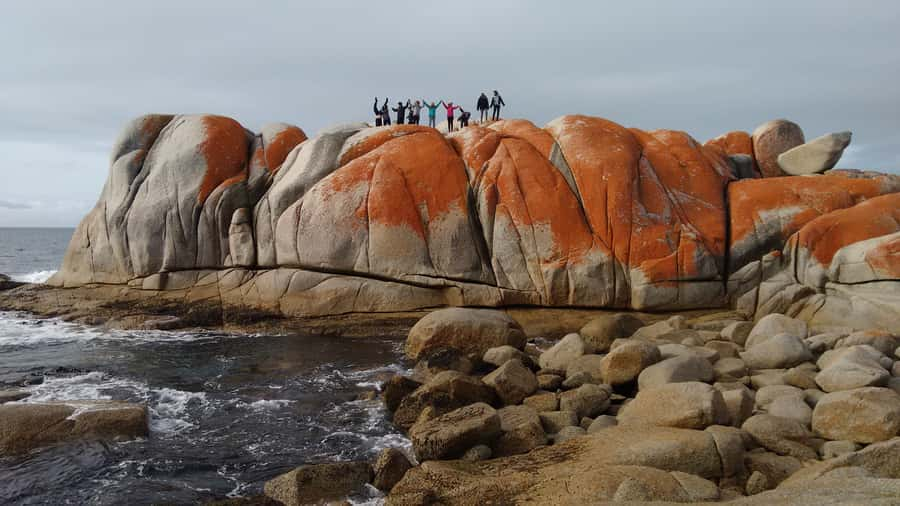
The Bay of Fires is one of Tasmania’s most photogenic coastal areas, but its appeal is more than bright water and pale sand. The coastline combines beaches, rocky sections, and the distinctive orange lichen on granite rocks. You will have time to walk along the white sands, so bring sunscreen, a hat, and a towel if you hope to swim.
The overnight stop is Bicheno, a small fishing village. Penguins can be seen emerging from the sea here, although the schedule and wildlife sightings can vary. Do not treat the penguin encounter as a guaranteed performance. It is better understood as a chance to watch wild animals at the end of the day.
Day 5: Freycinet, Wineglass Bay, and Cape Tourville
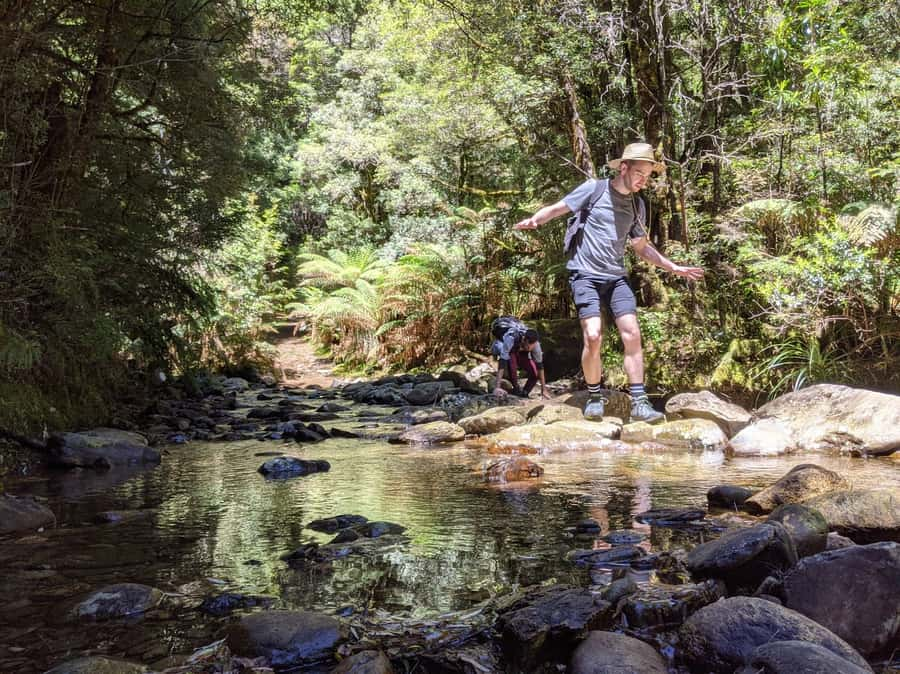
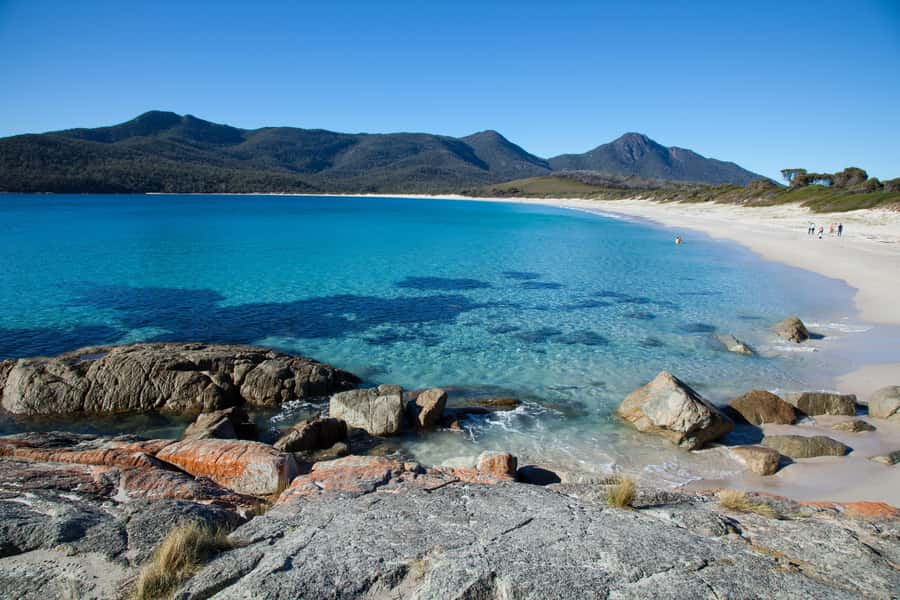
Freycinet National Park is the coastal highlight for many people. The park combines forest, coves, beaches, and the pink granite Hazards mountain range. At Honeymoon Bay, you can see the Hazards from a quieter coastal setting before choosing how much walking you want to do.
The main choice is between the Wineglass Bay lookout and the more demanding Mount Amos climb. Mount Amos requires a serious effort and is best suited to people with good mobility and the right footwear. The Wineglass Bay lookout is the more manageable option, and you can continue down to the beach afterward.
That choice matters. Some visitors want the physical challenge and a higher viewpoint, while others prefer time on the sand and a less strenuous route. This tour does not assume everyone has the same fitness level, which makes the day workable for a mixed group.
Cape Tourville adds another coastal viewpoint with broad ocean and mountain views. You then return to Hobart along the Great Eastern Drive. After four nights on the road, arriving back in Hobart gives you a chance to sleep in the same city where the trip began before the final day.
Day 6: devils, Richmond, and Mount Wellington
The final day begins at Bonorong Wildlife Sanctuary, Tasmania’s best-known conservation and wildlife sanctuary. You can see Tasmanian devils, wombats, kangaroos, wallabies, quolls, and birds. The sanctuary also provides a more reliable chance to see native animals than a roadside stop, where wildlife may not appear at all.
A special sanctuary-led experience may be available as part of the visit, adding useful context to the animal encounters. This is a strong finish for anyone interested in Tasmania’s wildlife, particularly if you have not managed to spot a devil or wombat in the national parks.
The route continues to Richmond, a colonial village with a different pace and appearance from the wilderness stops. It is a good place to walk around before returning through the Coal River Valley.
The final nature stop is Wellington Park, known locally as The Mountain and by its palawa name, kunanyi. Your guide can take you through features such as fern glades, eucalyptus forest, rock columns, and boulder fields. Walking tracks lead to scenic lookouts, so you get one last chance to stretch your legs and see Hobart’s mountain setting.
The tour ends after this experience. Since day six is still active, do not schedule a tight flight immediately afterward unless you have confirmed the finish time.
Walking level, transport, and accommodation
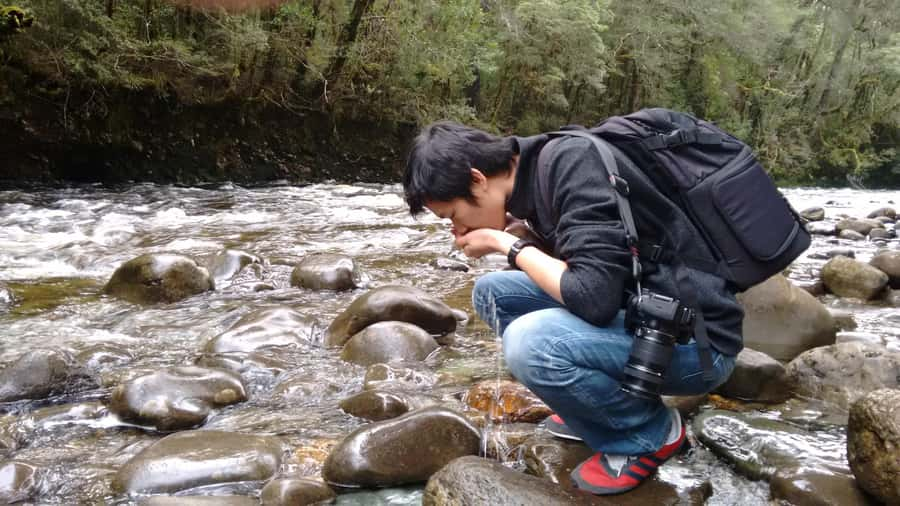
This is an active tour, but you do not need to be an experienced hiker. Most walks are easy to moderate, and all are optional. The key is honest self-assessment.
Russell Falls is a short, flat walk. Dove Lake is longer, with rough surfaces and steps. Marion’s Lookout and Mount Amos require more effort. Comfortable walking shoes are the minimum, while hiking shoes are a wise choice for the rougher tracks.
The tour is not suitable for children under eight, people with back problems, or people with mobility impairments. Guests with moderate fitness and good mobility will get the most from the schedule.
You can bring up to 20 kilograms of luggage, stored in a trailer during travel days. Pack a small day bag with water, sunscreen, a jacket, long pants, and your camera. Tasmania’s weather can change quickly, so warm clothing belongs in your day bag even when Hobart starts mild.
Accommodation choices include hostels and motels. Hostel rooms may be same-gender dormitories or private twin, double, or single rooms with shared same-gender bathrooms. Motel rooms have private ensuite facilities. A twin or double booking requires at least two people.
The vehicle is functional rather than luxurious. One participant found the bus a little old, which is worth considering on the longer road sections. The tradeoff is that the route reaches places that are difficult to link without your own car.
Guides, group feel, and the small details
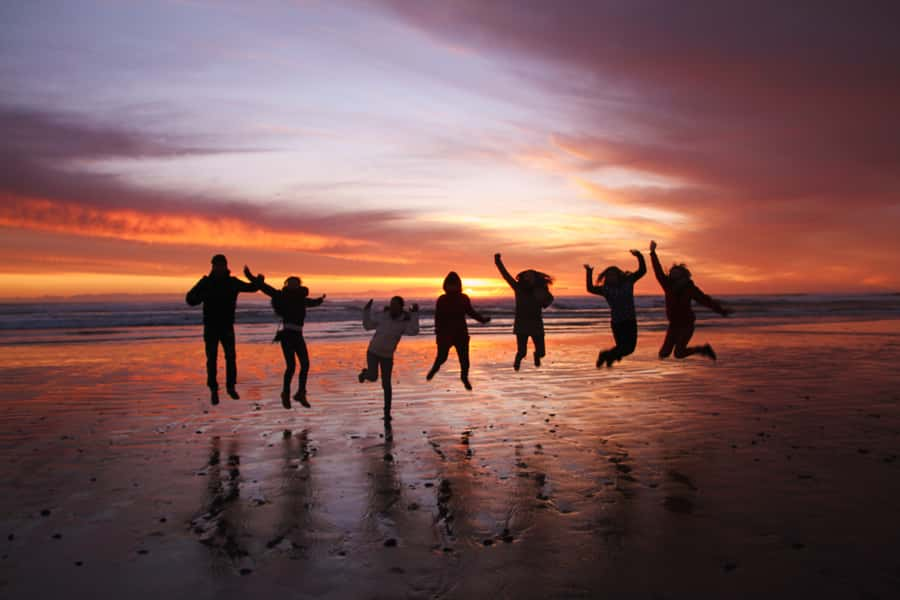
The guide can shape this trip as much as the scenery. Phil, a local Tasmanian guide, is known for sharing stories and pointing out good cafes and ice cream stops. Brendan was praised for his enthusiasm for the walking trails, while Hayden was described as patient, friendly, and capable. Keygan also brings strong interest in Tasmania’s animals, scenery, and past.
Guide assignments can change. One participant enjoyed Brendan so much that a different guide on the final day felt like a small disappointment, though Garreth was still considered a good and well-informed guide. This is a reminder not to book around one specific guide unless the operator confirms who will lead your departure.
The group can include different ages and nationalities. The walking choices help people with different energy levels stay comfortable, and a private group is available if you want more control over the pace and company.
Who should book this Tasmania tour?
I would choose this trip if you have six days, no rental car, and a strong interest in walking and wildlife. It is particularly good for first-time visitors who want the major natural highlights without spending weeks stitching together buses, accommodation, and park transport.
I would think twice if you want long, unstructured days, high-end accommodation, or a slow trip focused on one region. The itinerary covers a lot of ground, and meals, drinks, and the Gordon River Cruise are extra.
Book it if you want a well-organized route with real time on trails, not just photo stops. Bring sturdy shoes, accept that some days involve long drives, and choose motel accommodation if a private ensuite is important to you. With its excellent mix of coast, forest, mountains, and animals, this is one of the more efficient ways to get a first taste of Tasmania.
FAQ
How long is the Tasmania wilderness and wildlife tour?
The tour lasts six days and includes five nights of accommodation.
What is included in the price?
The price includes selected Hobart city pickups and drop-offs, five nights of accommodation, English commentary, guided walks, national park entrance fees, and entry to Bonorong Wildlife Sanctuary.
Are meals and drinks included?
No. Food and drinks are not included, so you need to budget for them during the tour.
Is the Gordon River Cruise included?
No. The cruise is optional and available at your own expense.
What accommodation choices are available?
You can choose hostel or motel accommodation. Motels have private rooms with ensuite facilities. Hostels offer same-gender dorm rooms or private twin, double, or single rooms with shared same-gender bathrooms.
Are the walks difficult?
Most walks are easy to moderate, and all are optional. Russell Falls is a 25-minute, 1.4-kilometer easy walk, while the Dove Lake Circuit takes around two to three hours and covers six kilometers over rough surfaces, short hills, and steps.
Can I bring luggage?
Yes. You can bring up to 20 kilograms of luggage, which is stored in a trailer on travel days.
Is hotel pickup available in Hobart?
Pickup is available from centrally located hotels and hostels in Hobart. Pickup is not available from Airbnbs or private residences, and people staying outside the pickup area will be given a nearby meeting point by the operator.
More 6-Day Experiences in Australia
- 6-Day Garden Route & Addo South African Adventure from Cape Town
★ 5.0 · 282 reviews - Private 6-Day Tarangire Manyara Crater and Serengeti with Mid-Range Lodges
★ 5.0 · 238 reviews - Cape Town: Garden Route and Addo Elephant Park 6-Day Safari
★ 4.7 · 175 reviews - African Wildlife & Nature – 5 Kenya national parks – 6 day Jeep Safari
★ 5.0 · 60 reviews
More Wildlife Watching in Australia
- Kakadu Wildlife Escape Fogg Dam or Crocodile Cruise from Darwin
★ 4.5 · 295 reviews - Darwin: Kakadu National Park & Wildlife Full Day Tour
★ 4.5 · 200 reviews - Darwin: Litchfield National Park Waterfalls & Wildlife Tour
★ 4.6 · 43 reviews - Kalbarri: Murchison River Wilderness Wildlife Cruise
★ 4.6 · 26 reviews
Just added around Australia
- Cape Tribulation & Daintree Wilderness (TCT)★ 5.0 · 136 reviews
- Barron Gorge and Kuranda National Park Half Day Rainforest and Waterfall 4WD Tour from Cairns★ 5.0 · 73 reviews
- Half-Day Abseiling Adventure in Blue Mountains National Park★ 5.0 · 59 reviews
- Full Day Kayaking Tour in Coorong National Park★ 5.0 · 120 reviews
- Sydney: Northern Beaches and Ku-ring-gai National Park Tour★ 4.6 · 32 reviews
- Sydney: Royal National Park private day tour★ 5.0 · 24 reviews
- Sydney: Blue Mountains Kangaroos, Wilderness and Sunset Tour★ 4.8 · 97 reviews
- Port Douglas: Daintree National Park Tour, Cruise, & Zipline★ 4.9 · 31 reviews
Hobart National Park Tours, compared.
Port Arthur Full-day Guided Tour with Harbour Cruise and Tasman National Park
Read our review →
Bruny Island Wilderness Cruise from Adventure Bay, Bruny Island
Read our review →
Wineglass Bay & Freycinet National Park Day Trip from Hobart
Read our review →
Southwest Tasmania Wilderness Experience: Fly Cruise and Walk Including Lunch
Read our review →
Hobart: Wineglass Bay & Freycinet National Park Active Tour
Read our review →