
Review · NEW ZEALAND
Tongariro Alpine Crossing: Premium Guided Hike
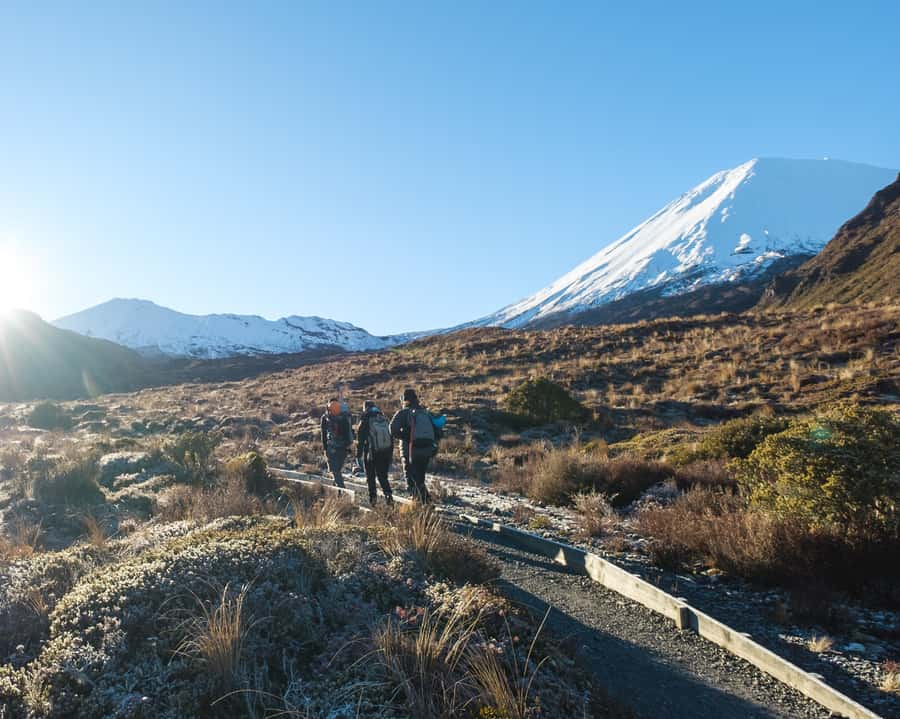
The Tongariro Alpine Crossing takes you through one of New Zealand’s strangest day-hike settings: black volcanic rock, red craters, mineral-stained ground, mountain springs, and startlingly bright lakes. The full day lasts about nine hours, including short van rides from Adrift Tongariro’s base in National Park.
I like the small-group feel of guided support, especially when wind, snow, or fatigue changes the plan. I also like the practical help: winter crampons and ice axes are supplied when needed, and guides such as Ty, Stu, Hiro, Hannah, and Kenny have helped hikers manage everything from quad cramps to difficult weather.
The catch is simple: this is a hard walk, not a gentle sightseeing outing. You need a reasonable fitness level, several clothing layers, and patience with weather decisions. The full crossing to Ketetahi is not guaranteed, and strong wind or poor conditions can stop you from reaching the far end.
Key points to know before you book
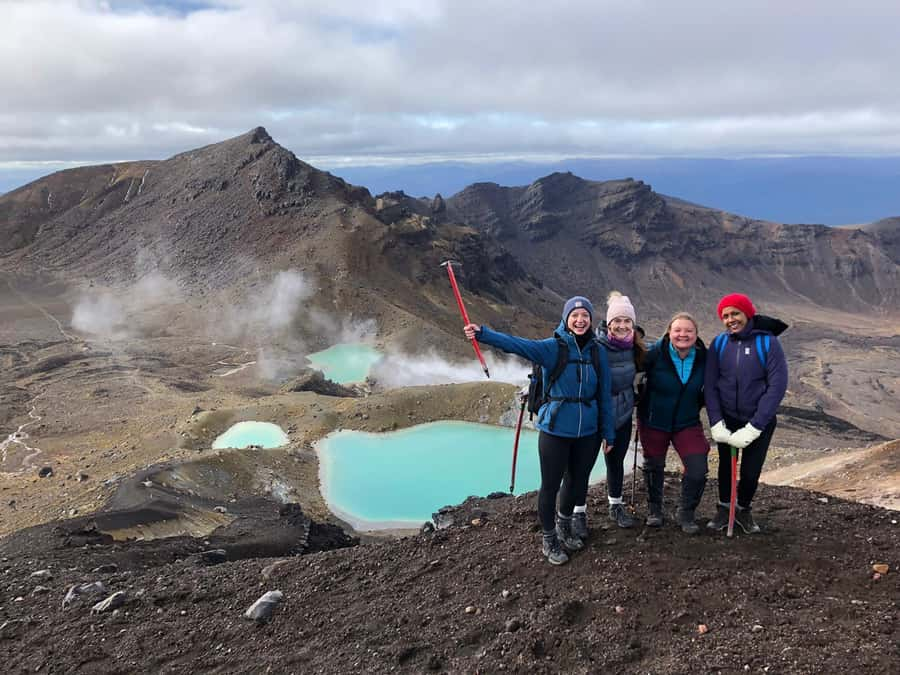
- Volcanic scenery changes by the hour: Expect red craters, black rock, sulfur-stained ground, springs, and the Emerald and Blue Lakes.
- Nine hours means a full mountain day: The hiking section is planned for about eight hours, with roughly 25 minutes in the van each way.
- Weather controls the route: Wind, snow, ice, avalanche risk, and hypothermia all affect how far you go.
- Winter gear is available: Crampons and ice axes are supplied when conditions call for them, with $60 of clothing and footwear hire included.
- You bring your own food and water: Pack lunch, snacks, and 1 to 2 litres of water.
- Guides add real value: They set the pace, explain the volcanic setting, and can help with cramps, fatigue, or a change of plan.
Why the Tongariro Crossing feels unlike an ordinary hike
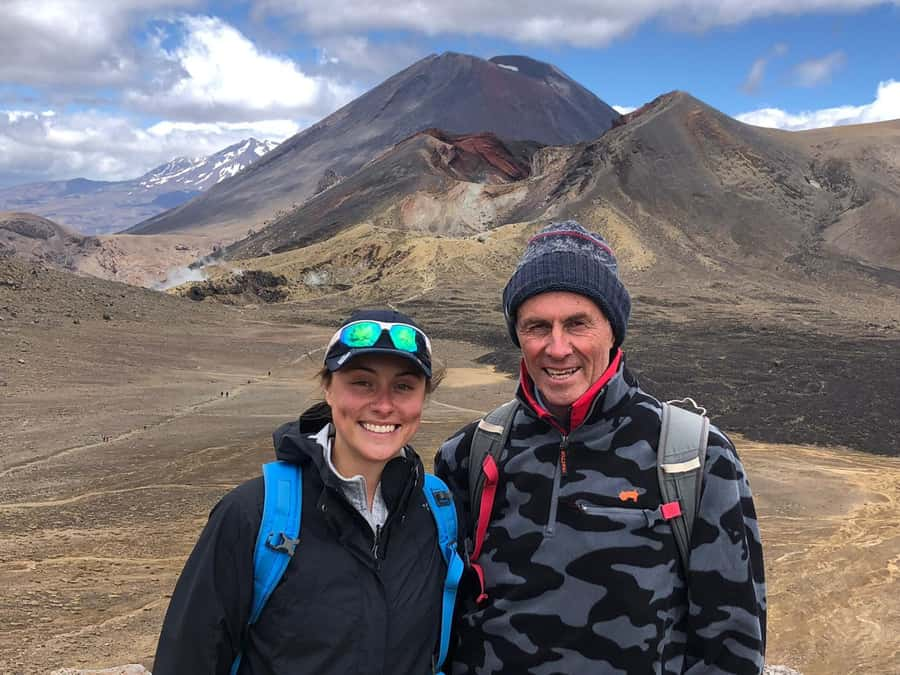
The appeal here is not one single viewpoint. It is the way the ground keeps changing beneath you. One stretch may feel stark and lunar, with scoured rocks and red volcanic formations. Another brings native bush, springs, and a softer green edge to the route.
The craters tell a story of different periods of volcanic activity. Sulfur, aluminium, silica, and other minerals have produced colors and textures that are far more varied than the usual gray mountain trail. The red crater is the visual star for many people, but the Emerald Lakes often provide the most dramatic contrast.
On clear days, you can also see Mt Ngauruhoe, Mt Tongariro, and Mt Ruapehu. Ngauruhoe is especially familiar to film fans because it was used as the visual model for Mt Doom, though the real mountain is more than a movie backdrop. Its steep cone, volcanic surroundings, and changing weather give the walk its sense of scale.
The crossing is often described as New Zealand’s best one-day walk. That is a bold label, but the route earns it through variety. You get serious mountain scenery without needing a multi-day expedition or prior alpine training.
More Hikes and Treks in New Zealand:
- Cinque Terre Day Trip with Optional Hiking or Pisa
★ 5.0 · 8,486 reviews - Florence: Cinque Terre Day Trip with Optional Hiking or Pisa
★ 4.9 · 4,848 reviews - From Chania: Full-Day Samaria Gorge Trek Excursion & Guide
★ 4.6 · 3,191 reviews
Starting at 53 Carroll Street in National Park
Your day begins at the Adrift Tongariro base and shop at 53 Carroll Street, National Park 3948. From there, the operator provides transport to the walking area, a ride of about 25 minutes.
That transfer matters more than it might seem. You do not need to work out the mountain transport on your own, and the guide can use the drive and meeting time to assess the group and the day’s conditions. The starting point and exact route may vary with weather and safety concerns.
The tour accepts both individual and group bookings. If you are traveling alone, you can still book, since the operator generally meets its minimum numbers, particularly on good-weather days. Return transfers from Taupo CBD, Turangi, and Whakapapa Village are available for an additional charge, with a minimum of two people, so check that cost before assuming the base price covers your entire journey.
The first hours: bush, rock, and a rising sense of scale
The walk includes sections through New Zealand native bush before the route opens into more exposed volcanic terrain. This change is part of what makes the crossing so satisfying. You begin with a more sheltered walking environment, then gradually move toward a place where wind, temperature, and visibility matter much more.
Your guide leads the group along alternative paths when possible. That can help you avoid some of the busiest sections without missing the main sights. Do not expect a quiet wilderness day from start to finish, since this is a famous route, but a guide can make the flow of the day calmer and more efficient.
This is also where pacing becomes important. The group may include people with different hiking backgrounds. Linda’s experience with Adrift involved careful attention to age and walking levels, with sensible rest stops and a steady pace. That sort of support is useful, but it does not remove the physical work.
You should be honest with your guide before setting out if you are concerned about fitness. There may be route or pacing options to discuss, but you still need to be ready for a long mountain walk with steep and tiring sections.
Red Crater and the high volcanic section
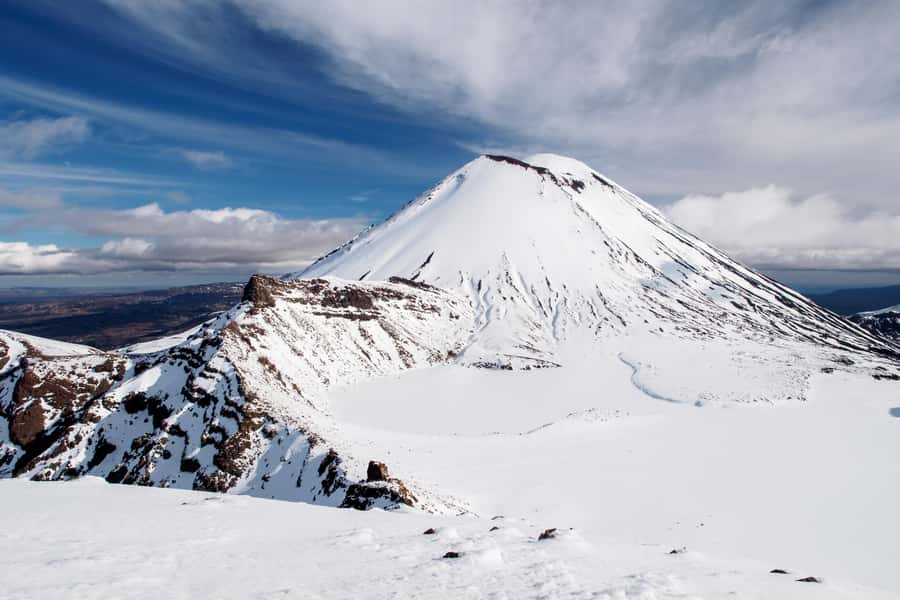
As you reach the more exposed part of the route, the scenery becomes harsher and more dramatic. Expect loose volcanic rock, scoured surfaces, strong wind, and wide views when the cloud lifts.
The red crater is one of the walk’s main visual rewards. Its color comes from the volcanic minerals in the rock, and the sharp forms around it make the area feel far removed from ordinary New Zealand hiking tracks. The beauty here is not soft or pastoral. It is raw, unusual, and sometimes severe.
This is also the section where weather can quickly change your day. A sunny morning does not promise warm conditions higher up. Maria’s advice is worth following: bring multiple layers because you may move from summer-like warmth to winter-like cold in a short time.
A windbreaker and waterproof raincoat are essential. Add wool, merino, thermals, fleece, or softshell layers according to the season. In winter, bring three warm top layers, thermal long underwear or walking trousers with over-trousers, a warm hat, and gloves.
If the conditions require it, Adrift supplies crampons and ice axes. No alpine experience is needed, and the guide provides training and instruction on the day. That is a major reason to choose a guided outing rather than attempting winter conditions without suitable knowledge or equipment.
A few more park trips around New Zealand worth a look
- Rotorua: Hell’s Gate Outdoor Mud Spa & Guided Walk
★ 4.7 · 1,140 reviews - Abel Tasman National Park: Sailing and Self-Guided Walk
★ 4.8 · 238 reviews - Stewart Island: Ulva Island Guided Wilderness Walk & Cruise
★ 4.5 · 165 reviews - Abel Tasman National Park: Self-Guided Walk & Sailing
★ 4.7 · 30 reviews
Emerald Lakes and Blue Lake
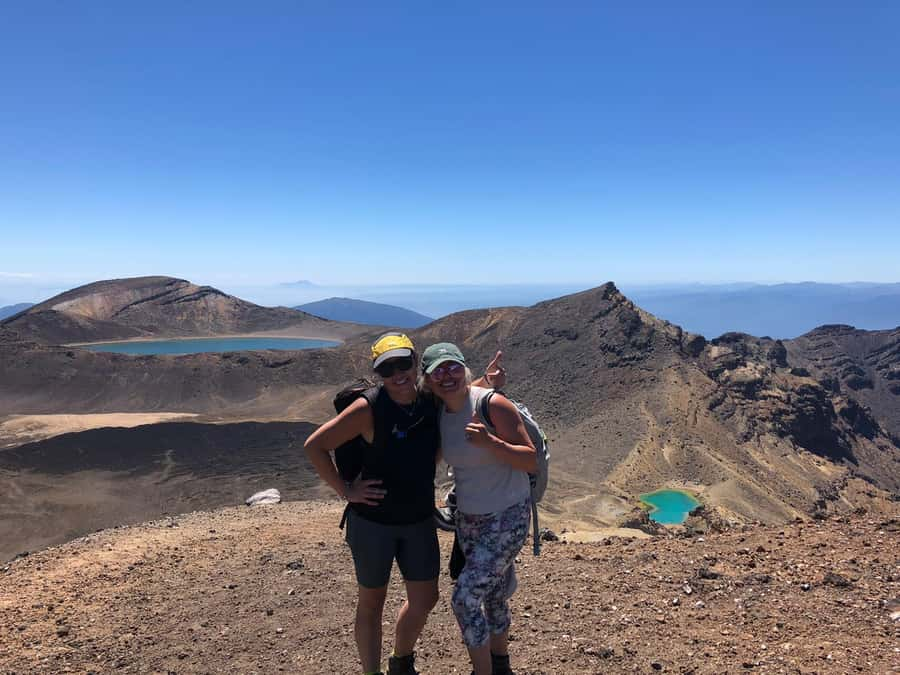
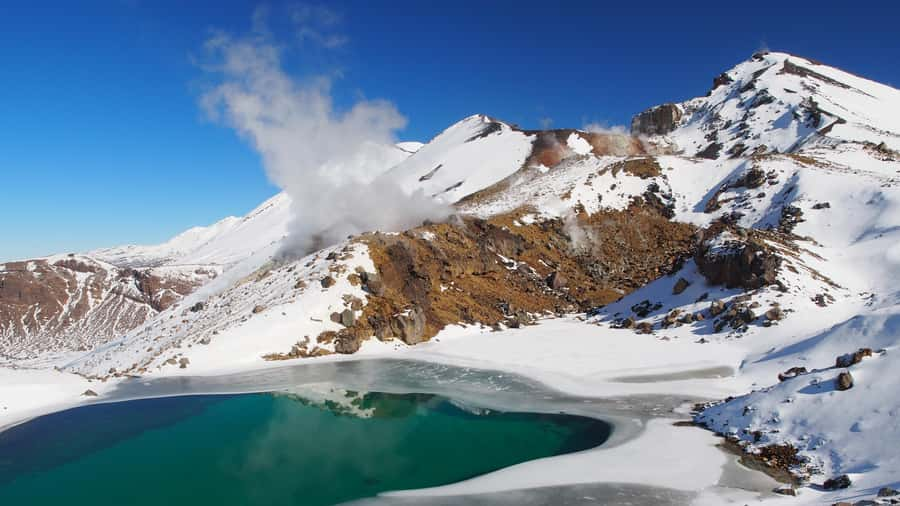
The Emerald Lakes are the most recognizable feature of the crossing. Their bright color contrasts with the dark volcanic rock and red formations around them. Mineral deposits help create the unusual shades, so the lakes feel like part of the mountain’s geology rather than decorative ponds placed along a trail.
Blue Lake gives the route another color shift. Seeing both lakes in one day is one of the strongest reasons to accept the distance and effort involved. If cloud or rain moves in, the colors may be less vivid, but the volcanic forms remain impressive.
The route also passes mountain springs and other signs of the area’s active geological past. Your guide can give context as you walk, which helps turn a series of striking views into a more understandable picture of how the mountain was formed.
Ty was particularly good at bringing Māori culture into the day, adding a human and cultural layer to what could otherwise become a purely geological outing. The exact guide you receive will vary, but Adrift’s guides are expected to provide information, direction, and safety support in English.
Why the full crossing is never a sure thing
The advertised walk lasts about eight hours, but reaching the Ketetahi end is not guaranteed. The guide and operator assess weather, avalanche danger, ice, hypothermia risk, wind, and the condition of the group.
That is not a minor footnote. Strong wind can prevent you from crossing exposed sections or reaching areas that looked accessible from lower down. One person who completed part of the route in poor weather noted that you may not know until you are high up whether a gorge or exposed crossing is safe.
Winter can bring a different kind of compromise. A July outing reached beautiful snow-covered terrain but could not complete the full route because of conditions and the pace of the group. If completing every step of the crossing is your main goal, ask about a private tour. A private arrangement may offer more flexibility, though weather can still overrule the plan.
The company’s safety decisions may feel conservative on one day and demanding on another. In one difficult-weather account, the group pressed on ahead of an approaching blizzard, finished in a little over six hours, and had limited breaks. That was described as a powerful experience, but not one to repeat casually. I would treat this as a reminder to ask about the forecast and the day’s plan before departure.
Summer and winter require different preparation
Summer is not a warm-weather guarantee at altitude. Bring 1 to 2 litres of water, a sun hat, sunscreen, sunglasses, hiking shoes or boots, walking trousers, one light top, two warm layers, and a waterproof raincoat.
Add food and snacks that you can eat without much fuss. The tour does not include lunch, so your packed meal is your responsibility. Electrolyte gels or sugary snacks can also be useful if you are prone to fatigue or muscle cramps. One hiker developed severe quad cramps despite having plenty of previous hiking experience, and the guide helped with electrolyte gels, sugar gummies, and walking advice.
Winter calls for more insulation and more attention to wet weather. Bring waterproof over-trousers, thermal layers, three warm upper-body layers, a warm hat, and gloves. You still need sunscreen and sunglasses, since snow and strong light can be hard on your eyes.
Adrift can hire personal footwear and clothing, and the package includes $60 of clothing and footwear hire. Confirm exactly what you need before the day, especially if you are arriving without proper hiking boots or weatherproof clothing.
What the guides add to the day
A guide is most useful here when the mountain stops behaving like a simple walking trail. The route may change, a group member may slow down, or someone may feel sick or exhausted.
The guides have helped with a range of real problems. Hiro supported slower hikers through a demanding day. Another guide arranged a pickup when a hiker became ill soon after starting and made sure she returned safely to her accommodation. That kind of response is more important than a long list of facts.
The guides also manage morale. Stu was praised for keeping the group motivated in difficult September weather, while Hannah made sure the group stayed safe and cared for. If you are new to hiking, that reassurance can make the difference between turning back early and completing a challenging day safely.
Still, a guide cannot make the hike easy. One first-time hiker finished exhausted and found the descent especially hard, even with help from the guide and another walker. Expect aching legs afterward, particularly if this is your first long mountain walk.
Is $254 a fair price?
At $254 per person, this is not the cheapest way to see Tongariro. The price covers the guide, transport between the Adrift base and the activity, winter crampons and ice axes when needed, and $60 of clothing and footwear hire.
I see the value most clearly in uncertain weather. On a perfect summer day, a fit and well-equipped hiker might prefer to walk independently. But the benefit of this package grows when you need route judgment, winter equipment, clothing support, pacing, or help dealing with fatigue.
The price does not include lunch, snacks, or return transfers from Taupo, Turangi, or Whakapapa Village. Add those costs when comparing it with other options. The free cancellation window is up to 14 days before the activity, which gives you some planning protection, but conditions on the mountain remain outside anyone’s control.
The overall rating is 4.6 from 189 ratings, with especially strong praise for guide support, safety, practical help, and the volcanic scenery. The lower scores are still positive and mainly point to route limits caused by weather, group pace, or the hard physical nature of the crossing.
Who should book this guided crossing?
I would choose this tour if you want to see the main sights but do not want to make every weather and route call yourself. It is also a strong fit if you are visiting in winter, lack alpine equipment, or want a guide who can explain the geology and Māori culture along the way.
It suits hikers with a reasonable fitness level, including some first-time hikers who understand that the day will be demanding. You do not need alpine experience, but you do need suitable clothing, food, water, and a willingness to walk for most of the day.
I would think twice if you dislike exposed mountain conditions, have limited fitness, or need a firm promise that you will reach Ketetahi. Children under 12 cannot join. If completing the entire crossing is non-negotiable, ask about private options and understand that even a private guide cannot defeat dangerous weather.
Final verdict: book it for support, not certainty
Book the Adrift Tongariro Premium Guided Hike if you want the best chance of enjoying Tongariro’s craters, Emerald Lakes, Blue Lake, and high volcanic views with capable support around you. The guide, transport, winter equipment, and clothing allowance make the $254 easier to justify than a bare transport-only option.
Do not book it expecting a guaranteed finish or an easy day. Bring serious layers, food, water, and realistic fitness. If you accept that the mountain sets the rules, this is a strong way to experience one of New Zealand’s most remarkable one-day walks.
FAQ
How long does the Tongariro Alpine Crossing tour take?
The experience lasts about nine hours in total. The planned hiking portion takes about eight hours, with roughly 25 minutes of van transport each way.
Where does the tour begin?
You meet at Adrift Tongariro Base and Shop, 53 Carroll Street, National Park 3948, New Zealand.
Is transport included?
Transport between the Adrift Tongariro base and the activity is included. Transfers from Taupo CBD, Turangi, and Whakapapa Village are available for an additional charge, with a minimum of two people.
Is lunch included?
No. You need to bring your own packed lunch, food, and snacks.
How much water should I bring?
The summer guidance recommends bringing 1 to 2 litres of water. The winter guidance gives the same recommendation.
Do I need alpine experience?
No. Alpine experience is not required, and the guide provides training and instruction when needed.
Are crampons and ice axes provided?
Yes. Adrift Tongariro supplies crampons and ice axes when winter conditions require them.
Can I hire clothing and footwear?
Yes. Personal clothing and footwear can be hired at Adrift Tongariro, and the activity includes $60 of clothing and footwear hire.
Is the full crossing to Ketetahi guaranteed?
No. The exact route depends on weather, avalanche danger, ice, hypothermia risk, and other safety concerns. Reaching Ketetahi is not guaranteed.
Can children join the hike?
No. The activity is not suitable for children under 12 years old.
Just added around New Zealand
- Tongariro Alpine Crossing: Round-Trip Shuttle Service★ 4.6 · 44 reviews
- Te Anau: 30-Minute Fiordland National Park Scenic Flight★ 4.8 · 41 reviews
- Takaka: Farewell Spit/Abel Tasman Scenic Flight★ 5.0 · 25 reviews
- Stewart Island: Ulva Island Guided Wilderness Walk & Cruise★ 4.5 · 165 reviews
- Rotorua: Hells Gate Outdoor Mud Bath & Spa Experience★ 4.6 · 398 reviews
- Marahau: Abel Tasman Kayaks Kayak and Walk★ 4.8 · 65 reviews
- Mārahau: Abel Tasman Marine Reserve Kayak Tour★ 4.9 · 22 reviews
- Rotorua: Hell’s Gate Geothermal Walk★ 4.4 · 217 reviews
New Zealand National Park Tours, compared.
From Manapouri: Doubtful Sound Wilderness Day Trip
Read our review →
Rotorua: Hell’s Gate Outdoor Mud Spa & Guided Walk
Read our review →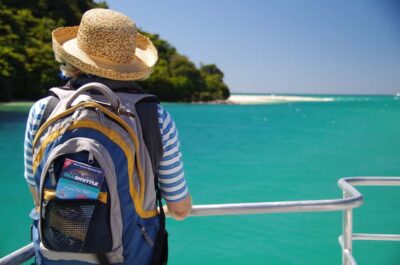
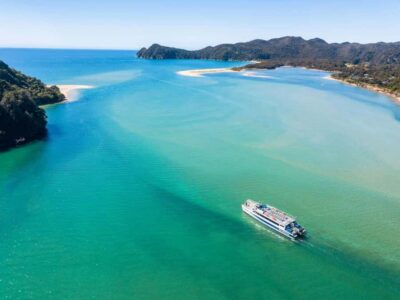
Abel Tasman: Sea Shuttle Cruise and Walking Tour Combo
Read our review →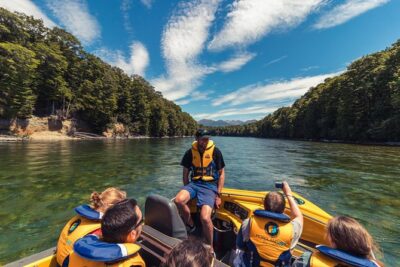
Jet Boat Journey through Fiordland National Park – Pure Wilderness
Read our review →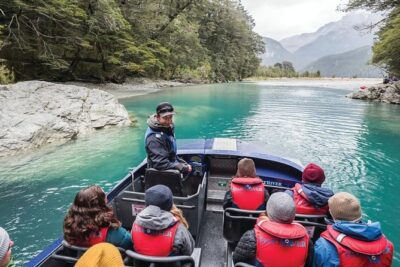
Doubtful Sound Wilderness Day Cruise from Manapouri
Read our review →
Browse the lists this tour appears in