
Review · BANFF
Half Day Heart Creek Canyon – Near Banff & Canmore- For Beginners
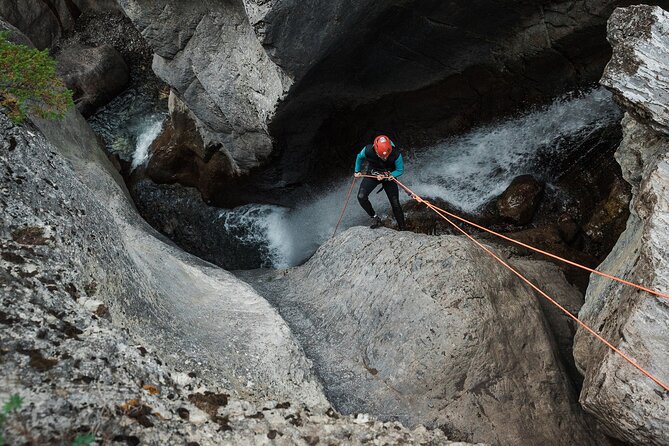
The big thrill here is simple: you learn to rappel down waterfalls, then slide through a real Rocky Mountain canyon. Heart Creek Canyon gives beginners a gradual introduction, with a dry upper section for practice before the water gets cold and the final 18-meter waterfall arrives.
I like the careful build-up and the small group limit of 12. Guides such as Jack, Juan, Guillaume, and Olivia have shown a knack for coaching mixed-age groups with patience. I also like that the price includes the main technical gear. The catch is the uphill hike, cold water, and need to carry your own snacks and water. This is an active half-day, not a quick roadside attraction.
Key points at a glance
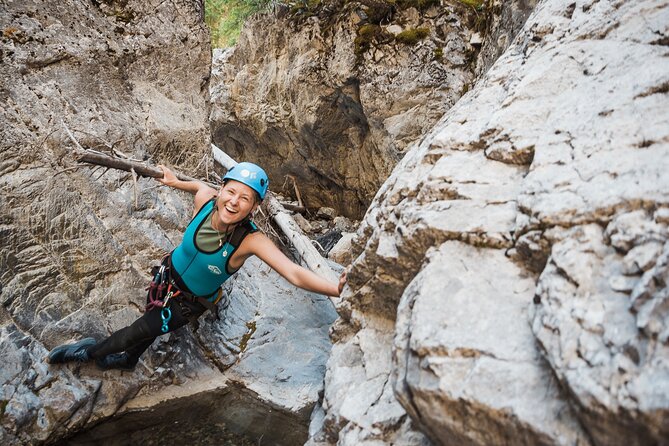
- A real beginner route: Practice basic rope skills before the canyon becomes wet and more demanding.
- Five rappels and four slides: The outing can include a lively mix of abseiling, pools, and natural rock slides.
- An 18-meter waterfall finish: The final rappel is the trip’s biggest test and its most memorable moment.
- A 45-minute approach hike: You will hike about 3.5 kilometers uphill from the Heart Creek trailhead.
- Useful gear included: Wetsuit, harness, helmet, and drybag are provided.
- Small groups help: A maximum of 12 people gives the guide room to adjust advice to different abilities.
Heart Creek Canyon is a proper introduction to canyoning
Canyoning here means walking, scrambling, rappelling, sliding, and moving through water. You are not simply watching an expert perform stunts. You learn the basic rope work yourself, then use it as the canyon gradually asks more of you.
That progression is the best feature of the trip. The upper canyon can be relatively dry, depending on recent conditions. This gives you time to get used to the harness, rope, and rappel commands before you are wet, cold, and standing above a waterfall.
The route is close to both Banff and Canmore, but the setting quickly feels wild once you leave the trailhead. You follow the creek and forest for roughly 45 minutes before changing into canyon gear. The hike is part of the activity, not just a transfer between parking lot and attraction, so you should arrive ready to walk uphill with a pack.
For first-time canyoners, that gradual start matters. Rappelling can feel strange even when the drop is modest. You need to trust the harness, control your feet, and listen carefully to the guide. The dry practice section lets you sort out those basics without immediately adding rushing water.
More Canyon Tours in Banff
- Banff: Lake Louise, Moraine, Emerald Lake & Johnston Canyon
★ 4.9 · 808 reviews - Lake Louise Moraine Lake Johnston Canyon 1.5h Half Day Tour
★ 5.0 · 323 reviews - Banff: Morning or Afternoon Johnston Canyon Icewalk
★ 4.8 · 253 reviews
The 45-minute hike sets the pace
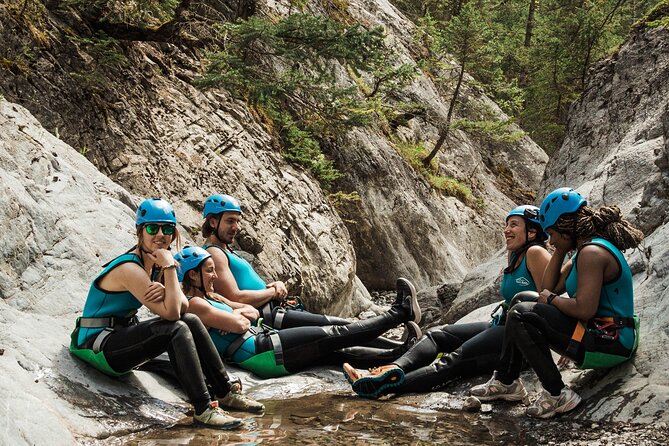
You meet at the Heart Creek trailhead parking lot, where the guide gives a mandatory safety briefing and hands out the equipment. The meeting point is at the new exit from Highway 1 to the new roundabout in Bighorn No. 8, Alberta.
From there, expect about 3.5 kilometers of uphill hiking to the canyon. The walk takes around 45 minutes. You will carry your backpack and the gear assigned to you, so this portion deserves more attention than the short tour label might suggest.
I would treat the approach as a moderate physical warm-up. You do not need advanced mountaineering skills, and the activity is designed for beginners, but you do need to hike uphill and carry a pack. If you dislike sustained walking or are hoping for a ride close to the waterfalls, this is probably not your trip.
Bring water and enough food for the full outing. The supplied information specifically advises a small lunch or plenty of snacks and water. A four to five-hour activity can feel long when you are working with ropes and cold water, especially if you start the day without breakfast.
Learning the ropes before the water
At the canyon, the guide leads a rappel workshop. You practice basic rope skills and learn how to move safely before beginning the main descent.
This is where guide quality makes a real difference. Groups can include teenagers, adults, confident hikers, and people who are nervous about heights. Guillaume and Olivia, for example, have worked with groups ranging from 13-year-olds to adults in their late forties, adjusting their coaching to different ability levels. Jack and Juan are also named as guides who have led these outings.
The lesson is not just a formality. You learn where to place your feet, how to manage the rope, and how to follow instructions at each drop. Your guide controls the safety system and talks you through the movement, but you still need to pay attention and take part.
Expect some waiting if you are in a larger group. With as many as 12 participants, each person must take a turn at the rappels and slides. That can slow the pace, but it also gives you time to watch the technique, catch your breath, and decide how you want to approach the next obstacle.
The upper canyon gives beginners room to settle in
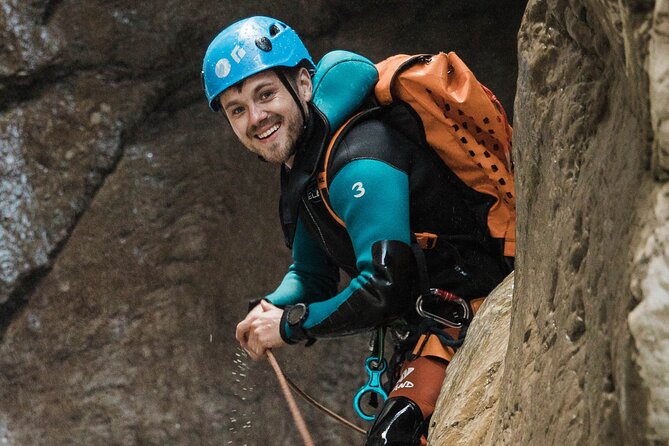
The first part of the canyon may be fairly dry, depending on conditions. This section is valuable because you can practice rappelling while taking in the rock walls and creek setting without immediately dealing with deep pools or a strong flow of water.
The difficulty builds in stages. You may start with a straightforward descent, then face a longer rappel or a more awkward ledge. The aim is not to frighten you into bravery. It is to let you gain control one step at a time.
That said, beginner-friendly does not mean easy. You still need to lower yourself over rock, keep your feet steady, and accept that your clothes and equipment may get wet. A person who is comfortable hiking but uneasy with heights should tell the guide at the start. The guide needs to know your comfort level to give useful advice.
You can expect several rappels during the canyon section. One outing included five rappels and four water slides, though the exact mix can change with conditions and group logistics. The variety keeps the activity moving. You are not repeating the same maneuver all morning.
More Canyon Tours in Canada
- eBike and Hike Banff to Johnston Canyon small group guided program
★ 5.0 · 197 reviews - Banff: Morning Whitewater Rafting Tour in Horseshoe Canyon
★ 4.8 · 89 reviews - Banff, Lake Louise and Johnston Canyon – Winter Wonderland Tour
★ 5.0 · 77 reviews - Banff: 4-Hour E-Bike and Walking Tour in Johnston Canyon
★ 4.7 · 67 reviews
Cold water, wetsuits, and the final waterfall
The lower canyon is where the outing becomes more intense. You put on the supplied wetsuit, harness, helmet, and drybag before entering the wetter section. The equipment is included in the price, which saves you from renting the main technical pieces separately.
Water temperature is worth taking seriously. After heavy rain, the creek can feel especially cold. Guides have used dry suits instead of wetsuits when conditions called for more protection, helping a group stay comfortable in chilly water. You should still expect cold splashes, wet rope, and plenty of contact with the creek.
The main prize is an 18-meter waterfall. The final rappel takes you down the large cascade, and it is the moment when the route feels most like a serious canyoning trip rather than a rope lesson. The waterfall is also where nerves can return. You have the skills by then, but the height and sound of the water can make the final descent feel big.
Your guide remains involved, giving instructions and encouragement. You control your own movement, so the accomplishment is genuine. You are not being lowered like a passenger on a ride.
The lower section may also include pools and natural rock slides. Sliding through the canyon is a welcome change after the rappels, though you should expect wet rock and physical contact with the route. The trip finishes with a series of fun slides before the walk back to the cars.
What the included gear means for your budget
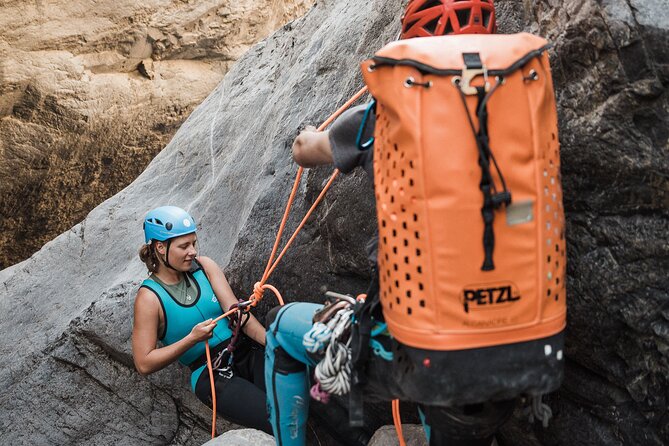
The price is CA$146.37 per person. That is not a bargain-basement activity, but it covers a certified canyoning guide, wetsuit, harness, helmet, and drybag. For a first canyoning outing, having the right equipment and instruction included makes the price easier to justify.
You still need to budget for the CA$15 parking fee per booking. Transport to the trailhead is not included. The meeting point is near the highway between Banff and Canmore, and one family arranged a taxi from Canmore for about $40 each way. That was their arrangement, not a fixed tour transfer price, so confirm your own transport before booking.
Bring a bathing suit and towel because they are not supplied. Wear fully closed shoes that can get wet, such as running shoes or light hiking shoes. Water shoes and Keen-style hiking sandals are not accepted, so do not assume any old pair of sandals will work.
Gloves are not listed as included. One useful tip is to bring a pair if you have them, since wet rope can be rough on your hands. A waterproof camera or GoPro may also be useful, though you should protect it carefully. The guides may carry a GoPro, and the drybags allow you to keep one phone protected for extra photos.
Who will enjoy this half-day outing
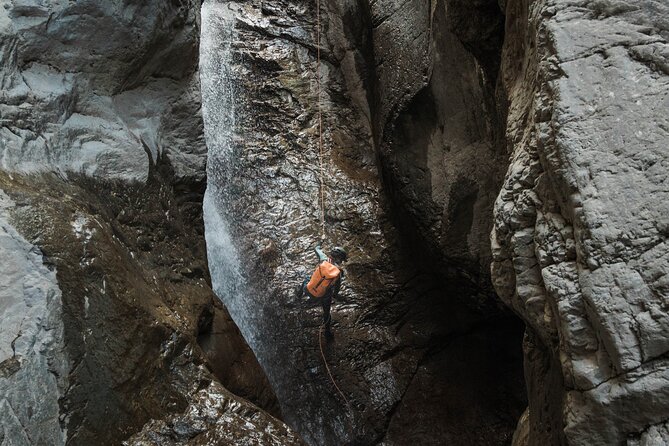
This is a good match for you if you want an active Rocky Mountain day and are curious about canyoning but do not have technical experience. You should be willing to hike uphill, follow instructions, rappel, get wet, and spend several hours outside.
Families with older children can also fit well. The minimum age is 12, and children must be accompanied by an adult. A group with teenagers and adults can work well because the route offers different types of challenge, and the guide can coach people at their own pace.
The maximum waist size is listed as 42. You should also be able to carry a backpack and hike uphill for 3.5 kilometers. Most people can take part, but the activity is not recommended for anyone with back problems, heart problems, or other serious medical conditions. It is also not recommended for people over 60. If you have a medical concern, call the operator before booking.
The route may not suit you if you want a relaxed nature walk with a few photos. The technical sections require attention and effort. You may spend time waiting for other group members, too, especially when the group is close to the 12-person limit.
Timing, weather, and practical planning
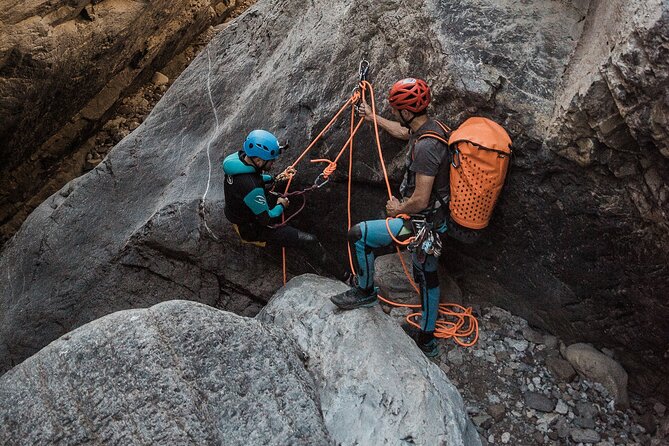
Allow four to five hours from meeting point to return. The activity ends back at the Heart Creek trailhead, so you do not need to arrange a second pickup location.
The tour requires decent weather, and the operator can alter or cancel the outing for safety reasons. If poor weather cancels your trip, you can choose another date or receive a full refund. For your own plans, leave some flexibility around this booking rather than scheduling a tight airport transfer or major excursion immediately afterward.
You can cancel for a full refund up to 24 hours before the start time. Changes or cancellations made less than 24 hours before departure are not accepted for a refund. The cut-off follows local time.
Read the waiver before you arrive. Every participant must understand it and sign a paper copy on site. That is normal for a technical outdoor activity, but it is worth knowing before you bring a teenager or book for a group.
The activity is offered in English. Confirmation is provided when you book, and the group is capped at 12 people.
The best parts and the real trade-offs
The strongest part of Heart Creek Canyon is the balance of instruction and action. You get a proper workshop, then enough rappels and slides to feel that you have learned a new outdoor skill rather than simply visited a scenic spot.
The guides are another major plus. Their role is not only to manage ropes. They also need to read the group, slow down for nervous participants, and keep confident people from rushing. The accounts of Jack, Juan, Guillaume, and Olivia point to a guiding style built around patience, clear instruction, and encouragement.
The setting is the other big reward. You move from forest trail to creek bed, from dry rock to waterfall, and from rope work to slides. The changing conditions make the four to five hours feel varied.
The drawbacks are practical. The hike is uphill, the water can be cold, and you must bring several personal items. The final waterfall can be intimidating. A larger group can create pauses, and the parking and transport costs add to the advertised per-person price.
Those are not flaws hidden by clever packaging. They are simply the terms of the activity. If you know you are signing up for a physical canyon trip, they are manageable. If you expected an easy half-day outing, they may be deal breakers.
Should you book Heart Creek Canyon?
Book it if you want a hands-on adventure near Banff and Canmore, have reasonable fitness, and like the idea of learning rappelling in stages. The included technical equipment, small maximum group size, and experienced guides make this a sensible first canyoning trip.
Skip it if you have a serious medical condition, dislike cold water or heights, cannot hike uphill with a pack, or want a quiet sightseeing activity. For everyone else, the 18-meter waterfall and final rock slides offer a memorable payoff for the walk in, and the CA$146.37 price is fair once you count the gear and instruction.
FAQ
Where does the Heart Creek Canyon tour meet?
You meet at the Heart Creek Trail Head parking lot, at the new exit from Highway 1 to the new roundabout in Bighorn No. 8, Alberta.
Where does the tour finish?
The activity ends back at the Heart Creek trailhead meeting point.
How long does the canyoning trip take?
Allow approximately four to five hours for the full activity.
How long is the hike to the canyon?
The hike from the parking lot to the canyon takes about 45 minutes and covers roughly 3.5 kilometers uphill.
What equipment is included?
A certified canyoning guide, wetsuit, harness, helmet, and drybag are included.
What should I wear on my feet?
Wear fully closed running shoes or light hiking shoes that can get wet. Water shoes and Keen-style hiking sandals are not accepted.
Do I need to bring a bathing suit and towel?
Yes. Bathing suits and towels are not included, so bring both.
Is there a minimum age?
The minimum age is 12. Children must be accompanied by an adult.
Is the tour suitable for everyone?
Most people can participate, but it is not recommended for people with back problems, heart problems, or other serious medical conditions. It is also not recommended for people over 60. You should be able to carry a backpack and hike uphill for 3.5 kilometers.
What happens if the weather is poor?
For safety reasons, the operator may alter or cancel the trip. If poor weather causes cancellation, you can receive a full refund or choose a different date.
Just added around Banff
- Rock Climbing Adventure in Banff: Beginner★ 5.0 · 19 reviews
- Banff Town Walking Tour Includes Refreshment and Sweet Treat★ 5.0 · 29 reviews
- Shuttle Bus 2way BANFF to Lake louise & Moraine lake(1 hour each)★ 5.0 · 60 reviews
- Wildlife on the Bow | Big Canoe Tour in Banff National Park★ 5.0 · 77 reviews
- Banff and its Wildlife – Year Round Tour★ 4.5 · 171 reviews
- Intro to Stand Up Paddleboarding, Banff National Park★ 5.0 · 35 reviews
- Banff Sunshine Village Gondola and Sightseeing★ 5.0 · 192 reviews
- Banff |Canmore| Kananaskis to Calgary YYC Airport–Private Shuttle★ 5.0 · 50 reviews
Banff National Park Tours, compared.

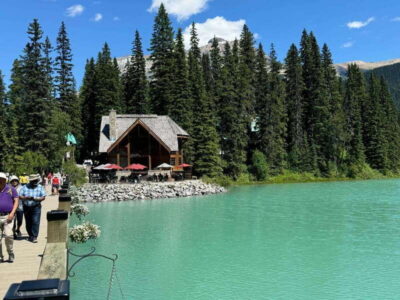
Lake Louise, Moraine, Emerald Lake & Johnston Canyon
Read our review →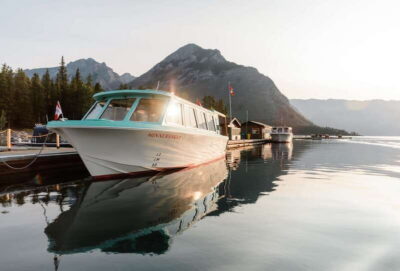
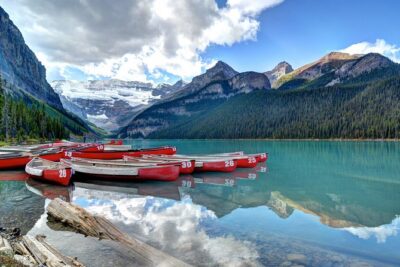
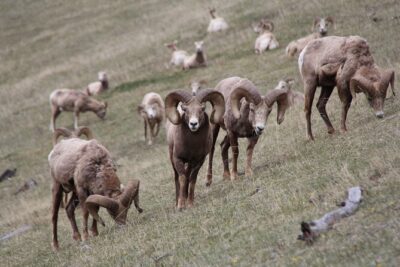
Banff Highlights & Wildlife | Award-Winning Small Group Adventure
Read our review →
Banff National Park Tour with Lake Louise and Moraine Lake
Read our review →
Day Trip: Lake Louise, Moraine Lake, Emerald Lake, Banff
Read our review →Browse the lists this tour appears in