
Review · BLED
Climbing Mount Triglav in Slovenia
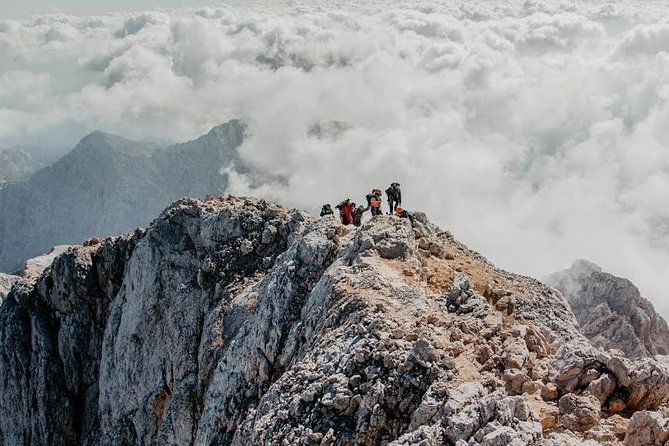
Mount Triglav is Slovenia’s highest point, rising to 2,864 meters above Triglav National Park. This two-day climb uses the Krma Valley route, described as the easiest way up, but day two still includes a serious via ferrata section with fixed wires and pitons. I like the small group limit of four, and I like that the guides provide the main climbing gear rather than making you rent a full kit.
The trip also works well for a solo climber who wants company without paying for a private outing. The catch is that meals and the mountain-hut stay are extra, and you need moderate fitness, proper boots, warm layers, and waterproof clothing. This is an approachable introduction to mountaineering, not a casual mountain walk.
Key points to know before climbing Triglav
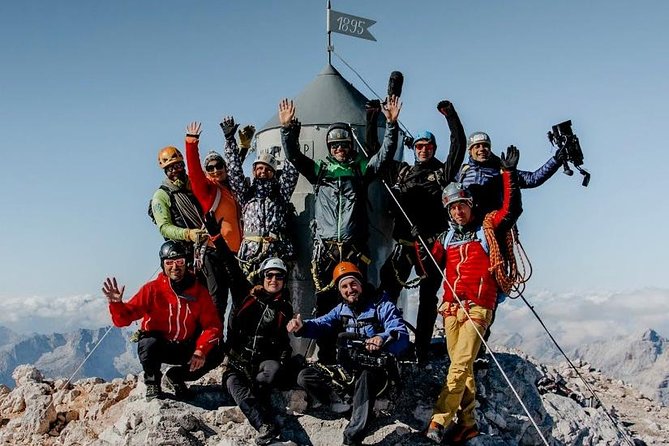
- The summit reaches 2,864 meters: You will stand on Slovenia’s highest point after a demanding two-day ascent.
- The Krma Valley route is the easier choice: It still includes a wired via ferrata section on day two.
- The group is limited to four people: That allows for a more personal pace and closer guide attention.
- Ropes, harnesses, and helmets are supplied: You must bring suitable boots, clothing, food, and a 30-liter backpack.
- The first day takes five to seven hours: The overnight stop is at Triglavski dom mountain hut.
- The price is $438.51 per person: Transportation to the trailhead is included, but hut accommodation and meals are not.
Why Mount Triglav is a serious but sensible first summit
This climb gives you a clear goal: reach the top of Slovenia’s highest mountain over two days, with a night in a high mountain hut between the approach and summit push. That rhythm makes the trip easier to understand than a long, single-day attempt. You walk for much of the first day, rest at Triglavski dom, then handle the most technical ground on day two.
The route through the Krma Valley is important for beginners. It is presented as the easiest route to the summit, so you are not being sent straight into the hardest terrain. Still, easiest does not mean easy. You need a moderate level of fitness, steady footing, and enough comfort with exposure to use the fixed cables and pitons on the upper section.
The small group size is one of the strongest features here. With no more than four people, your guide can keep a closer eye on pace, equipment, and confidence on the wired sections. A small group also makes this a practical choice if you are traveling alone and do not want to attempt a major summit without company.
The guides named in the supplied trip information are Matej and Rok. They were described as professional and careful with mountain risk, which matters more here than a long list of facts about the region. On a climb, clear decisions and calm handling of changing conditions are worth far more than theatrical commentary.
Other park trips people book around Slovenia:
- Triglav National Park : The Original Emerald River Adventure
★ 5.0 · 270 reviews - Day Trip in Triglav National Park from Bled
★ 5.0 · 130 reviews - Canyoning Bled Slovenia Triglav National Park Tour with Photos
★ 5.0 · 125 reviews
Starting in Bled at 8:00 in the morning
The meeting point is at Prešernova cesta 68 in Bled, with an 8:00 a.m. start. Transportation from the meeting point to the start of the climb is included, so you do not need to arrange your own transfer to the trailhead.
That early start gives the two-day plan room to work. Day one is expected to take five to seven hours of climbing, and the schedule must also allow time to reach the hut before evening. You should arrive ready to go, with your boots already comfortable and your pack prepared.
The experience ends back at the same meeting point in Bled after the summit outing. Since the total duration is about two days, plan your Bled stay around it rather than trying to squeeze the climb between fixed morning or afternoon commitments.
Bled is also a convenient base for this type of trip. The meeting point is near public transportation, and the included transfer removes one of the fiddly parts of planning a mountain day. Confirmation is sent within 48 hours of booking, subject to availability, so it is wise not to build an inflexible schedule around the climb until your place is confirmed.
Day one: five to seven hours through the Krma Valley
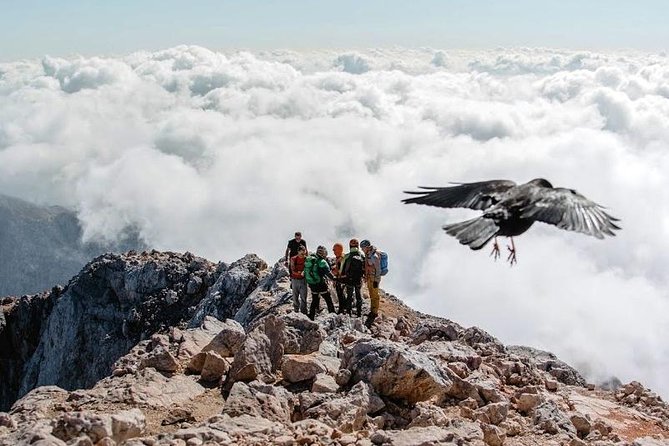
The first day is the long approach. You will spend roughly five to seven hours climbing toward Triglavski dom, the mountain hut where you spend the night. This day is less about a single dramatic obstacle and more about maintaining a steady pace for several hours.
That makes your preparation important. A 30-liter backpack is recommended, which is enough for clothing, water, snacks, and personal items without encouraging you to overpack. Keep the load sensible. Every unnecessary item becomes noticeable during a full day uphill.
You are asked to bring a water bottle and snacks, and you should take that seriously because the tour price does not include meals. Breakfast, lunch, and dinner are listed as excluded, so you need to clarify the food arrangement for your dates and carry what you require during the walking sections.
At the end of the day, Triglavski dom provides the overnight pause that makes the itinerary possible. The hut stay is not included, and the stated cost is around 65 euros per person with half-board. That extra charge should be part of your original budget, not an unexpected payment at the end of the booking process.
A night in a mountain hut is also a practical trade-off. It breaks the climb into manageable stages, but it is not a private hotel room included in a package. If you are new to hut-based mountaineering, expect the accommodation to be functional rather than luxurious. The supplied information does not specify room arrangements, so check current details directly when booking.
Day two: fixed cables, pitons, and the final summit push
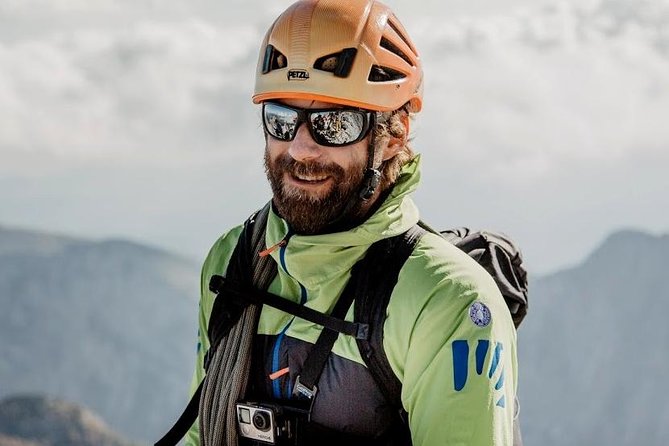
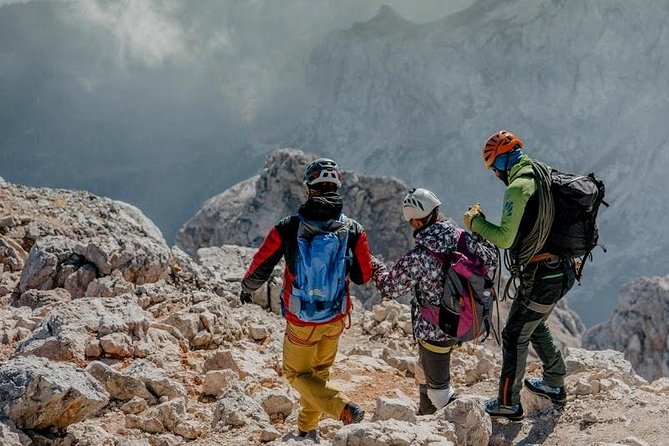
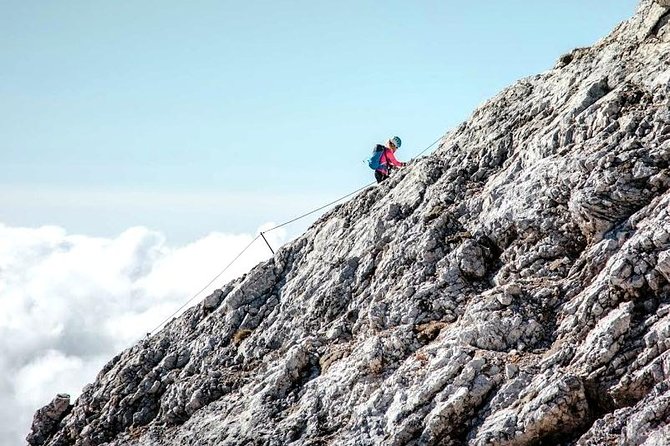
The second day brings the hardest part of the ascent. The route is equipped with a via ferrata, meaning a protected path with fixed wires and pitons. Your harness, helmet, and rope are provided as group equipment, but you still need to use them properly and follow the guide’s instructions closely.
This is where the trip shifts from a long mountain hike to a mountaineering experience. You will need to place your feet carefully, use the fixed protection with purpose, and remain attentive even if the views are pulling your eyes away from the route. The equipment reduces certain risks, but it does not remove the need for balance, stamina, and sensible movement.
The guide’s role becomes especially useful on this section. A group of up to four allows the pace to remain controlled, with less waiting and less pressure than you might feel in a large party. It also gives you room to ask questions about the harness, rope, and route before tackling the more exposed sections.
At the summit, you reach 2,864 meters, Slovenia’s highest point. The stated reward is a wide view over Triglav National Park, and this is the moment the two-day effort comes together. The summit is not simply a photo stop. It marks the end of a route that has tested your legs on day one and your concentration on day two.
You should also remember that summit success depends on conditions. The activity requires good weather, and poor conditions may lead to a different date or a full refund. That is not a weakness in the trip. It is the correct approach for a route where wind, rain, or poor visibility can change the character of the upper mountain quickly.
Same park country, a different day out:
- Ljubljana: Lake Bled & Triglav National Park Full-Day Trip
★ 4.8 · 114 reviews - From Bled: Triglav National Park Tour
★ 5.0 · 110 reviews - Triglav National Park Tour from Bled
★ 4.9 · 107 reviews - Bled: Triglav National Park Canyoning Adventure with Photos
★ 5.0 · 102 reviews
What the $438.51 price includes
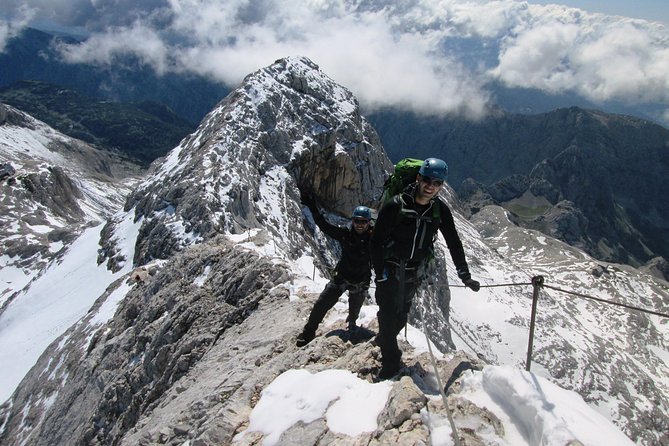
At $438.51 per person, this is not a cheap day excursion, but the price reflects a guided two-day mountain outing rather than a simple walk from Bled. The fee includes group climbing equipment and transportation from the meeting point to the beginning of the route.
The equipment supplied is significant. You do not need to arrange the group rope, harness, or helmet yourself. For a first mountaineering trip, that removes some cost and planning work, while also ensuring that the equipment is part of the guide’s operating system.
The small group limit improves the value. A maximum of four people means you are not paying for a crowded, impersonal procession up the mountain. You are paying for a guided ascent with a more manageable ratio between guide and group.
The price does not include the hut, breakfast, lunch, or dinner. Set aside roughly 65 euros for the hut stay with half-board, then plan for snacks and any food not covered by that arrangement. The listed details do not state that personal insurance, clothing, boots, or backpacks are supplied, so you should assume those are your responsibility.
For someone who already owns suitable mountain clothing and wants a guided route, the package is easier to justify. If you need to buy boots, waterproof trousers, warm layers, gloves, sunglasses, a backpack, and other equipment from scratch, the real cost will be higher.
The equipment and clothing you must bring
The organizer supplies the technical group gear, but your personal kit remains your job. Bring mountaineering boots, warm clothing such as a fleece, waterproof trousers, a waterproof jacket, gloves, a hat, sunglasses, sunscreen, poles, a 30-liter backpack, a water bottle, and snacks.
The clothing list tells you how quickly conditions can change at altitude. Warm layers allow you to adjust as your effort and temperature change, while waterproof clothing protects you if the weather turns. Gloves and a hat are small items that are easy to overlook and unpleasant to miss.
Mountaineering boots are specifically requested, not ordinary trainers. That detail matters on uneven ground and on the protected upper route. Poles can also help on the long first day, although you need to manage them carefully once the route requires both hands for the via ferrata.
Pack for function, not appearance. Keep food and water easy to reach, place waterproof layers where you can grab them quickly, and leave room for the personal items required at the hut. You are carrying everything you bring for the climb, so a compact pack is a comfort feature.
Who will get the most from this climb
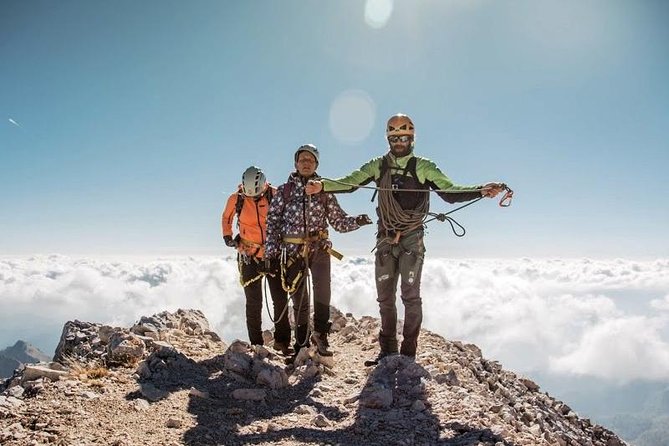
This outing suits a fit beginner who wants a first serious mountaineering goal with a guide. The route is described as suitable for beginner mountaineers, and the supplied safety equipment helps reduce the barrier to trying a protected climb.
It is also a good match for a solo person who wants to join a small group. You get company on the route without the cost of a private trip, and the group format means you are not left to manage the summit attempt alone.
You should choose something else if you want a relaxed sightseeing walk, a flexible schedule, or an outing where all food and lodging are included. The first day lasts up to seven hours, and the second day includes the most difficult terrain. You need to be ready for effort and for a basic overnight mountain stay.
The experience is less suitable if you do not have moderate physical fitness or if you are unwilling to climb with a harness and helmet. The route may be accessible to beginners, but it remains a high mountain ascent with a via ferrata section.
Weather, flexibility, and cancellation
Good weather is required for the activity. If poor weather forces cancellation, you are offered another date or a full refund. This is useful protection for an outdoor booking, since the summit section cannot be treated like a fixed indoor attraction.
You can cancel up to 24 hours before the start for a full refund. Cancellations or changes made less than 24 hours before the experience are not accepted, and the cut-off uses local time. Keep that deadline in mind if your Bled plans are still shifting.
The weather rule also means you should keep one spare day in your Slovenia schedule if reaching Triglav matters to you. The supplied terms do not promise that a replacement date will always fit your itinerary, so flexibility remains part of the practical cost of attempting the summit.
My verdict: book it if you want a guided summit, not a casual hike
I would choose this trip if my goal were to reach Mount Triglav with a guide, a tiny group, and the main climbing equipment supplied. The Krma Valley route gives a beginner a more measured entry into the mountain, while the overnight hut and two-day format keep the ascent from becoming one exhausting push.
The strongest reasons to book are the maximum group size of four, the included rope, harness, and helmet, and the clear progression from long approach to protected summit climb. The careful guide work associated with Matej and Rok is another reassuring detail, particularly for a first major ascent.
I would hesitate only if the extra hut and food costs are a problem, or if you are looking for an easy walk. Pack properly, allow time for weather changes, and be honest about your fitness. If those conditions suit you, this is a focused and memorable way to stand on Slovenia’s highest point.
FAQ
Where does the Mount Triglav climb begin?
The meeting point is Prešernova cesta 68, 4260 Bled, Slovenia.
What time does the experience start?
The scheduled start time is 8:00 a.m.
How long does the climb take?
The experience lasts approximately two days. The first day involves about five to seven hours of climbing, followed by an overnight stay at Triglavski dom.
What route is used to reach the summit?
The ascent uses the Krma Valley route, described as the easiest route to Mount Triglav.
How high is Mount Triglav?
The summit is 2,864 meters high, or 9,396 feet.
Is via ferrata included?
Yes. The hardest part of the ascent on day two uses a via ferrata with fixed wires and pitons.
Is climbing equipment provided?
The group equipment provided includes a rope, harness, and helmet.
What should I bring?
Bring mountaineering boots, warm clothing, a waterproof jacket and trousers, gloves, a hat, sunglasses, sunscreen, poles, a 30-liter backpack, a water bottle, and snacks.
Are accommodation and meals included?
No. Accommodation at the hut and breakfast, lunch, and dinner are not included. The hut costs around 65 euros per person with half-board.
How many people can join the trip?
The activity has a maximum of four people.
Is transportation included?
Transportation from the Bled meeting point to the start of the trip is included. The activity ends back at the meeting point.
What happens if the weather is poor?
If the activity is canceled because of poor weather, you are offered a different date or a full refund.
Can I cancel for a full refund?
Yes. You can cancel at least 24 hours before the start time for a full refund. Changes and cancellations made less than 24 hours before the start are not accepted.
Just added around Slovenia
- Canyoning In The Triglav National Park★ 5.0 · 37 reviews
- Via ferrata Triglav fairytale route★ 5.0 · 25 reviews
- Emerald River Tour, Triglav National Park & Soča valley Day Trip★ 4.5 · 49 reviews
- Triglav tour in 2 days Slovenia★ 5.0 · 23 reviews
- From Bled: Triglav National Park Tour★ 5.0 · 110 reviews
- From Ljubljana: Triglav National Park Tour (Private)★ 4.9 · 78 reviews
- Triglav National Park Tour from Bled★ 4.9 · 107 reviews
- Bled: Triglav National Park Canyoning Adventure with Photos★ 5.0 · 102 reviews
Bled National Park Tours, compared.
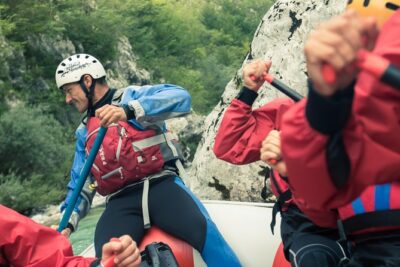
Triglav National Park : The Original Emerald River Adventure
Read our review →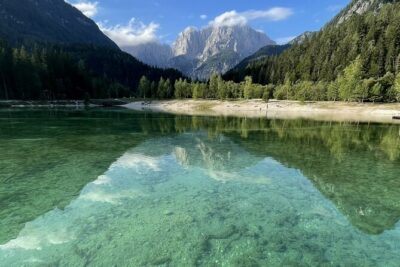
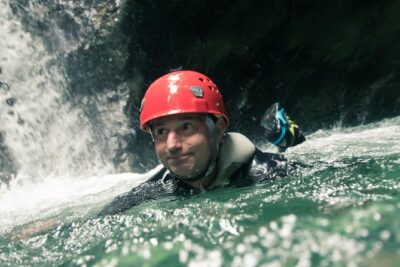
Canyoning Bled Slovenia Triglav National Park Tour with Photos
Read our review →
Ljubljana: Lake Bled & Triglav National Park Full-Day Trip
Read our review →
Bled: Triglav National Park Canyoning Adventure with Photos
Read our review →
Emerald River Tour, Triglav National Park & Soča valley Day Trip
Read our review →Browse the lists this tour appears in