
Review · MOROCCO
Climb Toubkal: 2-Day Atlas Trek with Local Berber Guide
Mount Toubkal reaches 4,167 meters, making it North Africa’s highest peak. In two hard days, you travel from Marrakech to Imlil, climb to the Toubkal Refuge, start again before dawn, and return to town after the summit. Guide Hussein brings local knowledge, steady encouragement, and a useful link to Berber life.
I like the mix of serious mountain walking and village life, with local food, mint tea, mule support, and a traditional refuge stay. I also like the small-group feel and the chance to rent missing gear in Imlil. The drawback is simple: this is a strenuous climb, not a gentle scenic hike, and the second day can last about eight to nine hours after very little sleep.
- 4,167-meter summit: Reach the highest point in North Africa for wide views across the Atlas peaks and valleys.
- Local Berber leadership: Hussein guides in English, French, Arabic, or Spanish and shares insight into local culture and traditions.
- Two demanding days: Expect a long ascent, an early summit start, and a major descent back to Imlil.
- Mule and cook support: Heavy bags can go by mule, while local meals provide fuel at lunch, dinner, and breakfast.
- High-altitude refuge: Sleep in bunkroom accommodation at about 3,200 meters, with limited comfort and possible noise.
- Season matters: Snow can require crampons and extra equipment, while mountain weather can change fast.
Reaching Toubkal from Marrakech in Two Days

This trip packs a real mountain climb into a short schedule. Your day begins with pickup from your Marrakech hotel or riad, usually in a private car or van, followed by the roughly 90-minute drive to Imlil.
Imlil is the practical starting point for the trek and the last village before the trail heads into the high Atlas. Here you meet Hussein and the mule team, check your gear, and leave larger luggage behind if needed. The tour includes transport, a local guide, meals, an overnight stay, and a mule for bags, so the $193 price covers far more than simple trail guiding.
I see good value here, especially if you need transport from Marrakech. A more expensive operator may offer similar basics, while a local guide can cost about half as much in some cases. Compare exactly what each price includes, since food, refuge lodging, transfers, and equipment rental can change the real cost.
The group size can vary. One group had 10 people with two guides, while other trips were described as small and intimate. Ask about the expected group size if that matters to you. A smaller group usually makes it easier to set the pace, but a larger group may bring more company on a demanding climb.
Imlil to the Toubkal Refuge at 3,200 Meters

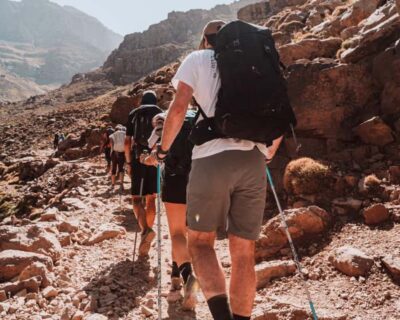
The first day is less about speed than steady progress. From Imlil, the trail follows valleys and passes through traditional Berber villages, terraced fields, and highland terrain. The lower sections give you the clearest look at daily mountain life, with stone homes, small settlements, and long-used walking routes.
Hussein’s role matters here. He does more than point out the trail. He explains Berber customs and local traditions, which gives the walk a human side that a self-guided route would miss. The mountain is impressive, but the villages and the people connected to it make this more than a summit checklist.
You stop for lunch along the way. Meals are local and practical rather than fancy, with dishes such as those described on the trip including healthy food, beef, and mint tea. A cook may travel with the group and prepare food at stops and at the refuge. If you have dietary needs, tell the operator before departure. One participant had dietary requirements handled well, but advance notice is still the smart move.
The trail becomes steeper as you gain height. Expect the scenery to shift from cultivated valleys to rockier ground and larger views of surrounding peaks. The walking is not technical in the usual climbing sense, but the incline and altitude make it tiring. You may find the first day manageable at first, then notice the effort more sharply near the refuge.
The destination is the Toubkal Refuge at about 3,200 meters. It provides a bed in a shared bunkroom, dinner, and a place to prepare for the summit. It is not a quiet mountain hotel. One account describes noisy sleeping quarters, so pack earplugs if you hope to rest.
A hot shower may be available, which can feel welcome after the climb. Still, keep expectations modest. The refuge exists to support climbers, not to provide comfort. Eat well, organize your pack, and get to sleep early because the next morning starts in the middle of the night.
More Hikes and Treks in Morocco:
- Mt Toubkal Ascent Express Trek 2 Days 1 Nights
★ 4.7 · 962 reviews - Marrakesh: 2-Day Mt. Toubkal Trek with 1-Night Stay & Meals
★ 4.7 · 795 reviews - From Marrakech: 3-Day Mount Toubkal Climbing Trek
★ 4.7 · 597 reviews
The 3 AM Wake-Up and 4 AM Summit Push
The summit day begins early, often around 3 AM, with the trail start near 4 AM. This timing helps you reach the summit in the morning and return before the day becomes too hot or weather conditions worsen.
Bring a headlamp. If you forget one, rental gear may be available locally, but relying on a last-minute rental is less comfortable than packing your own. The first section is climbed in darkness, so you follow your guide over rocky ground by headlamp.
The upper route is steep and demanding. You may encounter snow and ice in winter, and crampons are required during snowy months. Conditions can shift quickly at altitude, so warm layers, gloves, sturdy boots, sunglasses, sun cream, and a hat are basic needs rather than optional extras.
Hussein’s value becomes especially clear here. The pace needs to be controlled, with enough breaks to keep the group moving without wasting energy. He has helped people who were slower than expected reach the summit, but that support does not remove the physical work. You still need a good fitness base and the willingness to keep walking when the trail feels long.
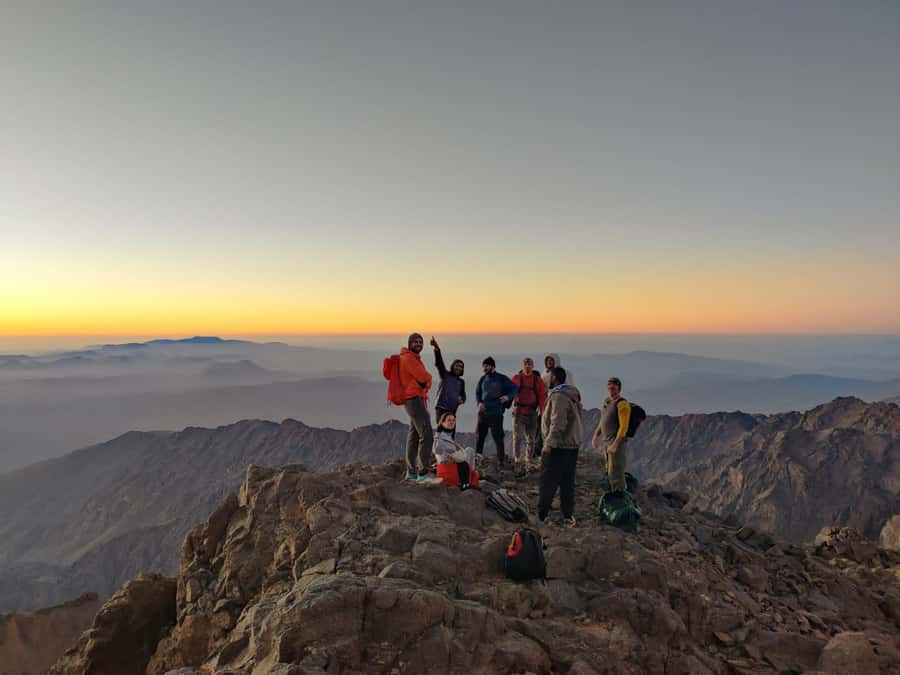
A typical summit push takes several hours. One recorded schedule reached the top at about 6:50 AM after starting at 4 AM. At the summit, you have time for photos, a rest, and the satisfaction of reaching the highest point in North Africa.
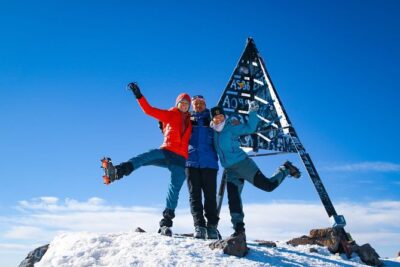
The views are the reward: a 360-degree sweep of the Atlas Mountains and the valleys below. In clear conditions, the height gives you a powerful sense of the scale of the region. But do not count on perfect visibility. Weather can close in quickly, and your guide has the final say if conditions become unsafe.
The cold can be severe. One winter account recorded a wind chill of about minus 30 degrees at the top. That is a sharp warning against treating Toubkal as a warm-weather hill walk. The season, forecast, and your clothing will shape the summit morning more than any brochure image.
The Long Descent Back to Imlil

After the summit, you retrace the route toward the refuge. You stop there for lunch before continuing down to Imlil. This sounds easier than the ascent, but long descents are hard on knees and feet, especially after a short night and a steep climb.
The full second day can take about 8.5 hours. A typical schedule may have you back at the lower trailhead around mid-afternoon, though timing depends on the group, weather, and stops. One account described a 4 AM start, a summit arrival near 6:50 AM, and a return to the bottom around 2:30 PM.
Plan for roughly 40 kilometers of walking across the two days, with a total climb of about 4,100 meters cited in the trip details. These figures help explain why the tour is not suitable for people with low fitness. The route is short in calendar time, but not easy on the body.
Your mule carries heavy bags, which makes a real difference. Keep your daypack light, with water, snacks, a warm layer, sun protection, and anything you need during the day. Larger luggage can stay in Imlil or travel with the mule for the trek.
Once you return to Imlil, private transport takes you back toward Marrakech. You finish tired, dusty, and likely ready for a substantial meal. That final drive is part of the practical design: you do not need to arrange a separate transfer from the mountain.
What the Berber Guide Adds

A local guide is important on Toubkal for more than navigation. Mountain weather changes fast, snow affects the route, and the pace needs to match the group. Hussein has been praised for keeping people safe, encouraging slower walkers, and helping mixed-ability groups reach the summit.
The cultural side is just as useful. On the walk from Imlil, you hear about Berber traditions and the way mountain communities live. Lunch stops and the refuge meal are not just fuel breaks. They connect the trek to local cooking, hospitality, and work in the Atlas villages.
Language should not be a barrier. Guiding is available in English, French, Arabic, and Spanish. If you want a more personal outing, tell the operator about your pace and interests before booking. The tour is designed around the group, but actual group size and guide arrangements can vary.
The strongest part of the setup is the balance between local contact and practical help. You are not simply dropped at a trailhead with a map. You have a guide, mule support, food, transport, and a place to sleep. That makes the climb more approachable, while leaving the main physical challenge firmly in your hands.
A few more park trips around Morocco worth a look
- From Marrakesh: 2-Day Mount Toubkal Trek
★ 4.7 · 591 reviews - Toubkal Ascension 2 Days
★ 5.0 · 185 reviews - Toubkal Trekking 2 Days
★ 5.0 · 98 reviews - Toubkal trek – 2 days
★ 5.0 · 90 reviews
Food, Lodging, and Equipment
Food is included throughout the trek. Lunch is served along the route, dinner comes at the refuge, and breakfast supports the early summit start. Meals described on the trip include local dishes, beef, healthy portions, and mint tea.
Do not expect restaurant service or a wide menu. At altitude, warm and filling matters more than choice. Bring snacks you know you will eat, especially for the summit push. Water is also your responsibility, so carry a bottle and follow your guide’s advice on refilling.
The overnight stay is in a mountain refuge at about 3,200 meters. Shared bunkrooms and noise are part of the deal. A sleeping bag is on the suggested packing list, and it is worth taking seriously because nights at this height can be cold.
Equipment is not included, but rental is available locally. You can rent items at the start, including extra equipment and, if necessary, headlamps. For winter conditions, crampons are required. You should still bring sturdy hiking boots, warm clothing, hiking pants, a daypack, sun protection, and trekking poles if you use them.
Pack clothes that can get dirty. The trail is rocky and dusty, and the return journey will not leave your gear pristine. A larger suitcase can remain in Imlil or be carried by mule, so you only need to manage what belongs in your daypack.
Who Should Book This Toubkal Trek

I would choose this trip if you want a genuine high-mountain challenge but prefer local support over independent planning. It suits people who value village contact, local food, and a guide who can explain the area as well as lead the route.
You should be comfortable with long days on steep, uneven trails. A reasonable fitness level is essential. Children under seven and people over 70 are not accepted, and the tour is not suitable for anyone with low fitness.
This is also a poor match if you want a relaxed Atlas outing. The summit day starts before dawn, the refuge may be noisy, and the descent can be as tiring as the climb. You should be happy with simple accommodation and ready for changing weather.
People who need extra confidence on the mountain will benefit most from Hussein’s support. He can encourage you when the pace slows and adjust the group’s progress. Still, no guide can guarantee a summit in unsafe weather. If conditions turn bad, listen to the local guide and accept a changed plan.
Free cancellation up to 24 hours before departure and reserve-now, pay-later terms make planning less risky. Check the current start time and weather before you leave Marrakech, since conditions at the peak may be very different from conditions in the city.
Is the $193 Price Good Value?

At $193 per person, I consider this a strong package if you use the included services. Marrakech pickup, private transport, a local guide, meals, mule support, refuge lodging, and the summit attempt would be awkward and costly to arrange separately.
The price is especially fair for first-time Atlas hikers who do not already own winter gear or know the route. Equipment rental costs extra, but local rental options mean you do not need to buy a full kit for one climb.
You should compare the final inclusions with other operators. Some larger or more expensive companies charge much more for what may be a similar local setup. The lower price here does not mean you lose the main essentials, but confirm group size, equipment rental, and exactly where the overnight stay occurs before paying.
My Verdict on Climbing Mount Toubkal

Book this trek if you want to stand on North Africa’s highest peak while also meeting the people and communities connected to the Atlas Mountains. The combination of guide Hussein, Berber village life, local meals, mule support, and a two-day schedule gives the climb real substance.
Skip it if you are not fit for a steep ascent and a long descent, or if you need quiet lodging and a slow holiday pace. Pack for cold, bring earplugs and a headlamp, and treat winter conditions with respect.
For a fit hiker who wants a demanding but well-supported introduction to Toubkal, this is a good-value choice. The mountain supplies the challenge. The local guide and simple human details make the effort worth far more than a quick summit photo.
FAQ

How high is Mount Toubkal?
Mount Toubkal reaches 4,167 meters, or 13,671 feet, making it the highest peak in North Africa.
How long does the Toubkal tour last?
The tour lasts two days, starting with pickup in Marrakech and ending with transport back after the descent to Imlil.
Where does the trek begin?
The walking portion begins in Imlil, a Berber village about 90 minutes from Marrakech by road.
Is a guide included?
Yes. A local guide is included, with guiding available in English, French, Arabic, and Spanish. Hussein is the guide named in the trip information.
Are meals included?
Yes. All meals are included, including food on the route, dinner at the refuge, and breakfast before the summit climb.
Is accommodation included?
Yes. The overnight stay is at the Toubkal Refuge, at about 3,200 meters. Sleeping is in shared bunkroom accommodation.
Do I need crampons?
Crampons are required during winter months when snow covers the peak. Equipment can be rented locally, but you should check seasonal conditions before departure.
Is the trek suitable for everyone?
No. It is not suitable for children under seven, people with low fitness, or people over 70. The climb involves steep trails, an early morning summit start, and a long descent.
Just added around Morocco
- Agadir National Park & 4×4 Jeep Desert Safari Tour with Lunch★ 4.5 · 30 reviews
- Souss Massa National Park Half Day Trip from Agadir★ 4.5 · 26 reviews
- Mount Toubkal Trek 2 Days & 1 Night★ 4.5 · 26 reviews
- Marrakesh: Toubkal National Park Mountain Bike Trip w/Lunch★ 4.4 · 63 reviews
- From Agadir: Souss-Massa National Park Tour with Lunch★ 4.5 · 205 reviews
- Climb Mount Toubkal: 3-Day Trek from Marrakech★ 4.4 · 58 reviews
- Agadir: Sous Massa National Park Desert Safari Tour & Lunch★ 4.5 · 75 reviews
- 2 Days Mount Toubkal ascent trek via Ait Mizane Valley★ 4.3 · 45 reviews
Morocco National Park Tours, compared.
Mt Toubkal Ascent Express Trek 2 Days 1 Nights
Read our review →
From Fez: Middle Atlas Day Trip with Ifrane National Park
Read our review →
Marrakesh: 2-Day Mt. Toubkal Trek with 1-Night Stay & Meals
Read our review →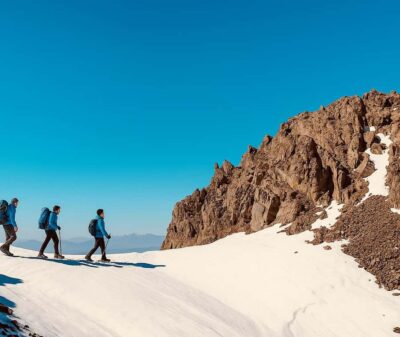
From Agadir: Souss-Massa National Park Tour with Lunch
Read our review →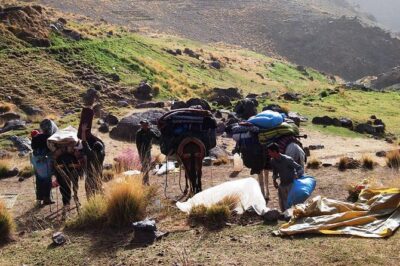
Browse the lists this tour appears in