
Review · ABISKO
Abisko: Guided Aurora Chase with Hotel Transfers
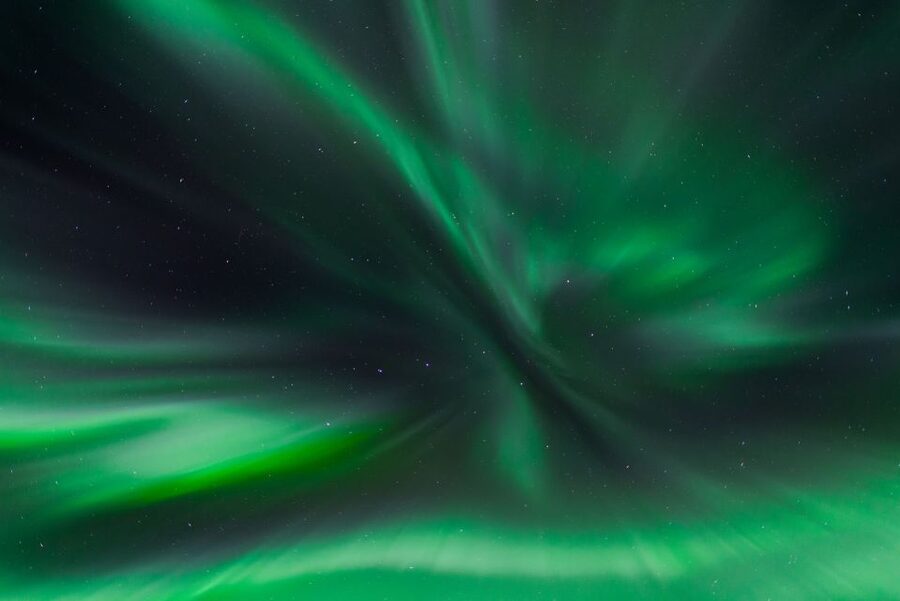
Abisko is one of Sweden’s best places to search for the northern lights, but seeing them still depends on cloud, darkness, and solar activity. This tour gives you a moving advantage: guides such as Joey and Romy use weather and aurora forecasts to decide where to go, sometimes visiting several locations before finding a clear patch of sky.
I like two things in particular. First, the group can travel as far as 100 kilometers round trip instead of waiting outside one hotel all evening. Second, the guides often help with cameras and take photos for the group, a real benefit when your fingers are cold and your camera settings are unfamiliar. The main drawback is simple: nature makes no promises, and a cloudy night can still produce little or no aurora.
Key points to know before you book
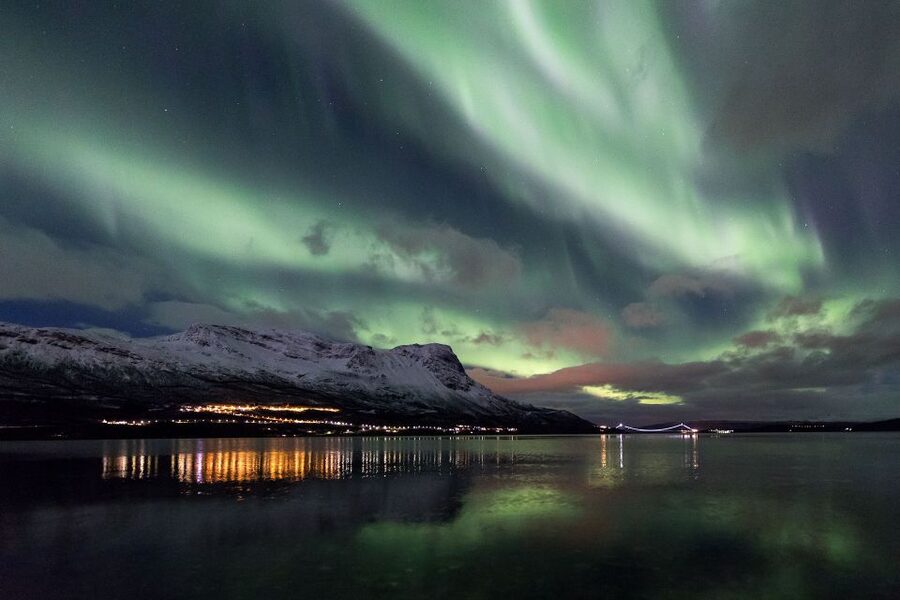
- Up to 100 kilometers of searching: The minibus can move between promising locations around Abisko and beyond.
- Several possible stops: You might visit one location or four or five, depending on clouds and aurora activity.
- Warm drinks and fire time: Lingonberry juice, tea, cookies, crackers, and occasional marshmallows make the waiting more pleasant.
- Useful photo help: Guides may help set up your camera and share photographs taken during the evening.
- Hotel pickup in Abisko: Pickup is offered from five listed accommodation points, but not from Kiruna.
- A 210-minute evening: The tour lasts three and a half hours and is not suitable for children under five.
Why a moving aurora chase helps in Abisko
A northern lights tour is not a theater performance. The lights may appear for minutes, stay faint, brighten suddenly, or remain hidden behind cloud. The useful part of this Abisko outing is the ability to change position when conditions are poor.
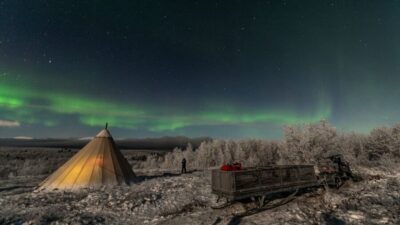
Your guide checks local forecasts and watches the sky during the evening. The plan may begin near Abisko National Park, then shift toward another lake, river, or open viewpoint. Several locations have little artificial light and reflective ice in winter, giving you two chances at a striking view: aurora overhead and colored light mirrored below.
This mobility has real value. A fixed viewing spot can be excellent when the sky is clear, but a cloud bank can ruin it. A moving vehicle cannot guarantee success, yet it gives the guide a better chance to find a gap. One evening may involve several short stops. Another may settle into one strong location once the sky opens.
The tour usually covers up to 100 kilometers round trip, not 100 kilometers in one direction. That distinction matters. You are joining a focused evening search, not a long-distance expedition across northern Sweden.
A few more park trips around Abisko worth a look
- Abisko: Ice Climbing for All Levels with Certified Guide
★ 4.9 · 207 reviews - Abisko: Guided Autumn Aurora Chase with Hotel Transfers
★ 4.9 · 100 reviews - From Chania: Full-Day Samaria Gorge Trek Excursion & Guide
★ 4.6 · 3,191 reviews
Your evening begins with five Abisko pickup points
Pickup is included from Abisko Mountain Lodge, Abisko Fjällturer, Abisko Guesthouse, STF Abisko Turiststation, and Hotell Fjället. Pickup at Hotell Fjället and Kåppas Cabin is listed for 8:00 PM. The other Abisko stops are generally around 8:15 to 8:30 PM.
You should be ready outside and allow a little patience for the full collection. The tour gathers people from several properties, so the exact departure from your hotel may not feel like a private transfer. That is the tradeoff for having door-to-door transport included.
There is no pickup from Kiruna. If you are staying there, this is not a simple hotel pickup option. Check the starting point carefully before paying, since the listed service is designed for people based in Abisko and nearby accommodation points.
Once everyone is aboard, the guide explains the plan. The route is not rigid. Weather, cloud cover, and aurora forecasts shape the night, which is exactly what you want on a chase tour.
Warm transport makes repeated stops easier
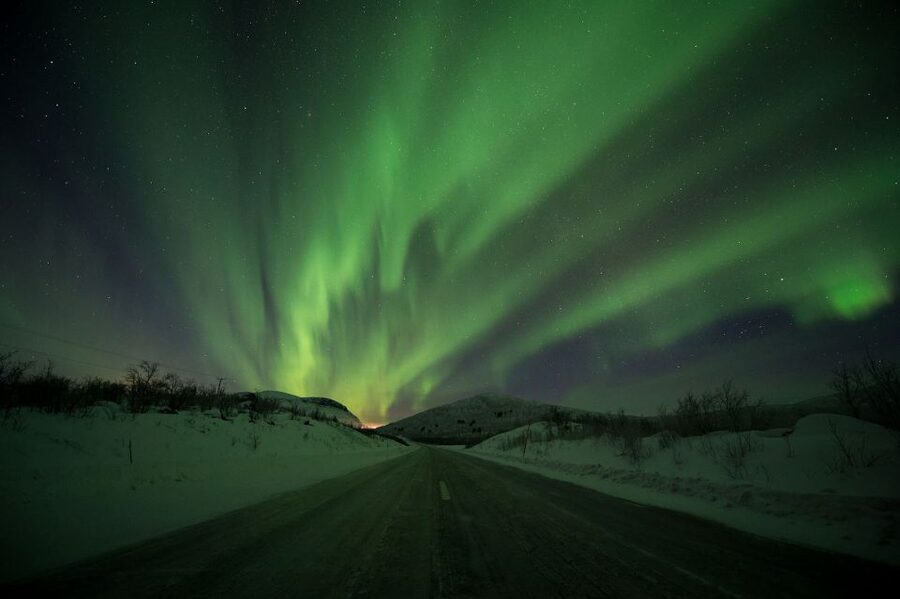
The vehicle is an important part of the experience. Several people describe the bus as warm and comfortable, which matters when you may spend time outdoors in winter darkness before returning inside. A heated vehicle also makes multiple stops practical rather than punishing.
You will not spend the entire 210 minutes outside. The group travels between locations, gets out for viewing and photos, then returns to the vehicle as needed. The balance helps, but it does not replace proper clothing. You still need winter layers, warm footwear, gloves, and head protection.
Warm clothing is not included. Camera equipment is not included either. Bring your own camera or phone, and do not assume that the tour supplies a tripod, headlamp, or specialist gear. One useful caution comes from the nature of the stops: some walks can be dark, and a head torch may make your footing easier. It is sensible to bring one if you have it.
The first stop: Abisko National Park surroundings
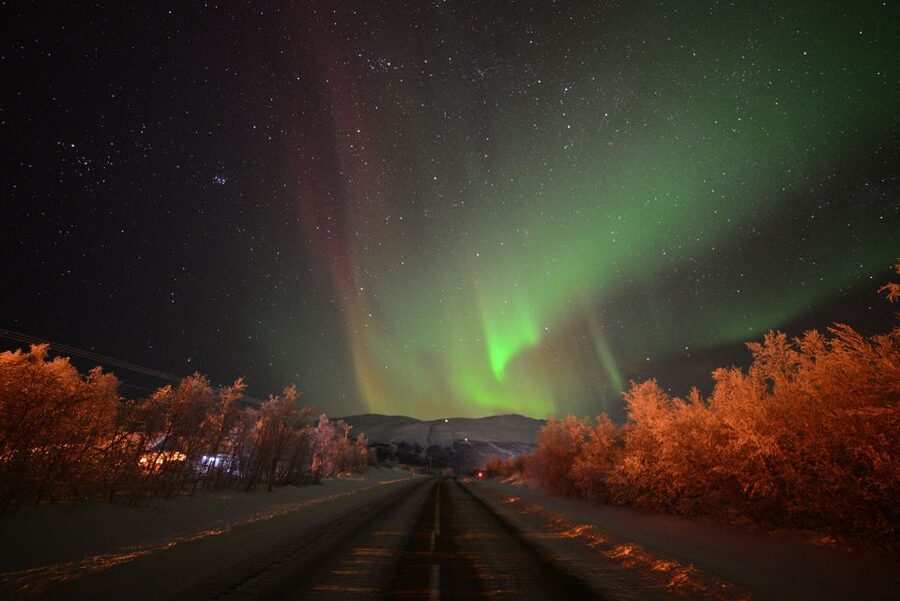
The area around Abisko National Park provides the setting for the evening. You get scenic views during the drive, a short sightseeing element, and photo opportunities as the group searches for an open sky.
Do not expect a conventional guided park tour with a long daytime walk. The focus is the night sky. The guide may talk about the aurora, the park’s history, and the reasons Abisko often has good viewing conditions. This gives the waiting time some purpose, especially when the lights are faint or cloud blocks the best view.
Abisko is also known for what is often called the blue hole, a local tendency toward clearer conditions in the area when surrounding weather is cloudy. You should treat this as a helpful possibility, not a promise. The guide’s ability to assess nearby conditions is more important than any slogan. On difficult nights, finding even a small opening can make the difference between a blank sky and a brief display.
Same park country, a different day out:
- Abisko National Park: Scenic Morning Hike with Transfer
★ 4.7 · 172 reviews - Abisko: Aurora Chasing with Snowmobiles
★ 4.6 · 113 reviews - Explore the Norwegian Fjords and the Wildlife from Abisko.
★ 4.9 · 109 reviews - Abisko: Wilderness Snowshoe Hike
★ 4.8 · 94 reviews
Lakes, rivers, and the hunt for a clear patch
Many possible stops are near lakes and rivers. In winter, polished ice can reflect the sky, creating a clean foreground for photographs. A low horizon also helps you see more of the sky, although passing headlights or nearby ambient light can sometimes interrupt the view.
The locations are not all identical. One may offer a wide, open view. Another may work better when the cloud shifts. A third may provide a good place for a fire and a warm drink while you wait. The guide chooses based on conditions rather than following a fixed sightseeing checklist.
You might visit four or five locations on an active night. At other times, one successful stop is enough. This is worth understanding before you go: the number of stops is not a scorecard. More stops can mean persistence and better odds, but it can also mean more time getting on and off the vehicle in the cold.
When the aurora is active, the guide may move quickly to catch it from different directions. On one strong evening, the lights were visible north, south, east, and west. That kind of night is not normal every time, but it shows why a mobile approach can be useful.
Guides who make the cold wait worthwhile
The guide is the difference between a merely functional transfer and a good evening outdoors. Joey receives especially strong praise for her enthusiasm, photography, and willingness to help everyone in the group. She has helped with camera setup, taken portraits under the aurora, and made photographs available afterward.
Romy is also noted for keeping the mood positive and explaining the search with energy. Other named guides include Burk, Gavin, and several drivers who helped the group move between sites safely and comfortably. Guide assignments can change, so you should not book on the assumption that one specific person is guaranteed.
The best guides do more than point at the sky. They explain what you are looking for, help you notice faint light, and keep the group engaged while the forecast develops. A faint aurora can be hard to see at first, especially if you are expecting bright green curtains. A guide who knows where to look can help you recognize a pale arc or a soft glow before it strengthens.
Photo assistance is a major bonus. Northern lights photography often requires a steady camera, a long exposure, and settings that are not obvious in the dark. A guide can help you get started. Guides may also take photos with their own camera and share them with the group later, though you should regard this as an added kindness rather than a guaranteed included photo package.
Fire, fika, and warm drinks between sightings
The tour includes a warm drink. Depending on the evening, this may be tea or warm lingonberry juice, served with cookies, crackers, gingerbread, or marshmallows. Some outings include a fire, turning a cold pause into a distinctly Swedish outdoor break.
This is more than a snack. You may spend a while waiting for the sky to change, and a hot drink gives you a reason to gather, warm your hands, and hear stories about Abisko. The simple fika-style pause also helps the outing feel less like a race from parking area to parking area.
Do not expect a full meal. Eat beforehand if you need dinner, and bring water or a small snack if that helps you stay comfortable. The included refreshments are a welcome extra, not a substitute for food.
Photography: what you should bring
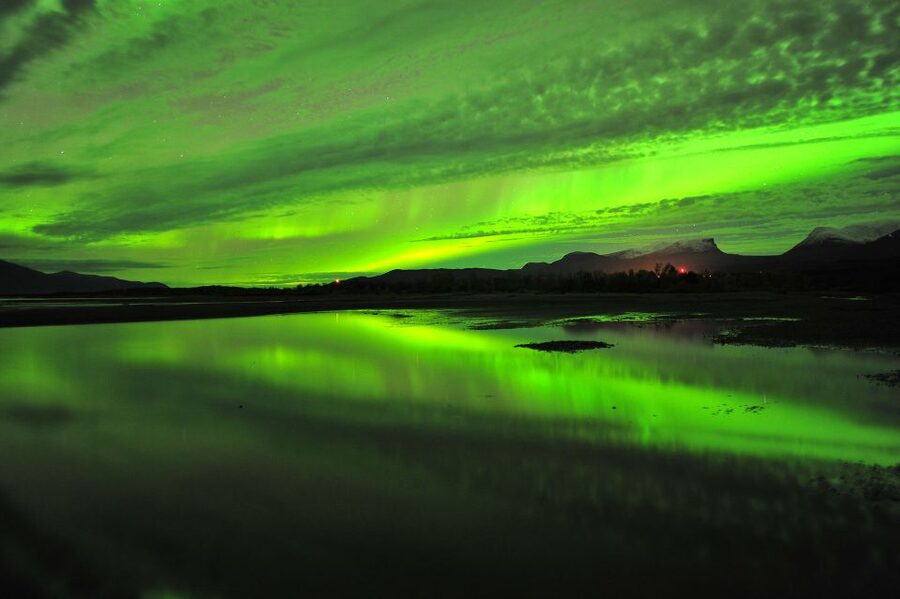
You can enjoy the tour with only your eyes, but a camera makes the night easier to remember. Bring a charged phone or camera, and learn a few basic night-photo settings before pickup if possible. The guides can offer practical assistance, but they cannot turn every phone into a professional camera.
A tripod may help, though camera equipment is not provided. A head torch is also worth considering for darker walks between the vehicle and viewing areas. Keep the light pointed down and use it carefully so you do not spoil another person’s photo.
Your screen may show green or purple before your eyes do. Cameras gather light differently, so a faint display can appear more clearly in a photograph. That does not mean the guide is exaggerating the aurora. It means the camera is recording color and light over a longer exposure.
The group format can affect photo time. On a busy evening, the guide may need to help many people in turn. Joey’s habit of taking photographs for the whole group is a strong advantage, but be polite about sharing her time. Have your camera ready when help arrives.
What happens when the aurora does not appear
This is the most important reality check. The tour can chase cloud, but it cannot control solar activity or weather. Some outings produce a dramatic display lasting an hour or more. Others find only faint light, and some nights show nothing.
A good guide still matters on a disappointing evening. The drive, the scenery, the fire, the explanations, and the chance to try more than one location make the experience worthwhile even when the sky refuses to cooperate. But you should not treat those extras as compensation for a guaranteed sighting. There is no guarantee.
If the aurora is your top reason for visiting Abisko, consider leaving more than one night available for the attempt. A single tour gives you one set of weather conditions. A second opportunity can make a major difference, especially in a place where clouds can shift quickly.
The tour’s cancellation policy allows a full refund when you cancel at least 24 hours ahead. You can also reserve and pay later, which helps if your weather-dependent plans are still moving.
Is $109 good value for three and a half hours?
At $109 per person, the price is fair if you value transport, local route choices, guide support, and the chance to change locations. A taxi or rental car would not automatically give you the guide’s aurora knowledge, forecast watching, or photo help. Driving yourself also means giving up the chance to focus on the sky and the group.
The value is strongest for first-time aurora hunters, solo visitors, couples who want photographs together, and anyone without winter driving experience. It is also useful if you have only one evening in Abisko and want to make a serious attempt rather than wait outside your hotel.
The value is weaker if you already have a car, strong night photography skills, and several nights available. You may prefer to watch conditions yourself and choose your own pace. A group tour also means accepting shared timing and possible delays during pickup.
The overall rating is 4.5 from 311 reviews, which fits the experience described here: strong guide effort and useful logistics, balanced by the fact that weather can still win.
Who should book this Abisko aurora chase?
I would choose this tour if you want an organized search with hotel pickup, a warm vehicle, and a guide who will keep trying when the first location fails. It suits adults and families with children aged five or older, provided everyone can handle cold outdoor waiting and short walks in darkness.
It is especially good for you if:
- You are staying at one of the five Abisko pickup locations.
- You want help taking northern lights photographs.
- You prefer not to drive on dark winter roads.
- You have only one evening and want several possible viewing areas.
- You like a social outing with a fire and warm drink.
I would think twice if you need a guaranteed aurora, dislike cold weather, or are staying in Kiruna and have no way to reach Abisko. The tour is also not ideal for anyone expecting a private experience, since pickup and viewing time are shared with a group.
Should you book it?
Yes, if you understand that this is a search rather than a promise. The strongest reasons to book are the flexible route, the heated transport, and guides such as Joey or Romy who put real effort into helping people see and photograph the sky.
Bring serious winter clothing, keep your expectations realistic, and if possible allow a second night in Abisko. On a clear evening, the reward can be dancing color over dark mountains and frozen water. On a cloudy one, you will at least have a capable team looking for a gap instead of giving up at the first stop.
FAQ
How long does the aurora chase last?
The activity lasts 210 minutes, or three and a half hours.
Where can I be picked up?
Pickup is available from Abisko Mountain Lodge, Abisko Fjällturer, Abisko Guesthouse, STF Abisko Turiststation, and Hotell Fjället. Listed pickup times begin at 8:00 PM at Hotell Fjället and around 8:15 to 8:30 PM at the other Abisko locations.
Is pickup available from Kiruna?
No. The activity specifically states that there is no pickup from Kiruna.
What is included in the price?
A guide, transportation, hotel pickup and drop-off, and a hot drink are included.
Do I need to bring warm clothing?
Yes. Warm clothing is not provided, so bring suitable layers and footwear for outdoor time in cold conditions.
Can young children join?
Children under five are not permitted on this activity.
Can I cancel for a refund?
Yes. You can cancel up to 24 hours in advance for a full refund. You can also reserve now and pay later.
Just added around Abisko
- Snowmobile Adventure Abisko (Drive your own)★ 4.9 · 24 reviews
- Explore the Norwegian Fjords and the Wildlife from Abisko.★ 4.9 · 109 reviews
- From Abisko: Dog Sledding Excursion to Kiruna with Fika★ 4.6 · 67 reviews
- Abisko: Lake Torneträsk Arctic Ice Fishing Trip★ 4.6 · 48 reviews
- Abisko: Snowmobile Sightseeing Tour★ 4.9 · 43 reviews
- Abisko/Björkliden: Panorama Snowmobile Tour with Snacks★ 4.9 · 60 reviews
- Abisko: Wilderness Snowshoe Hike★ 4.8 · 94 reviews
- Abisko: National Park Northern Lights Photo Tour★ 4.6 · 86 reviews
Abisko National Park Tours, compared.
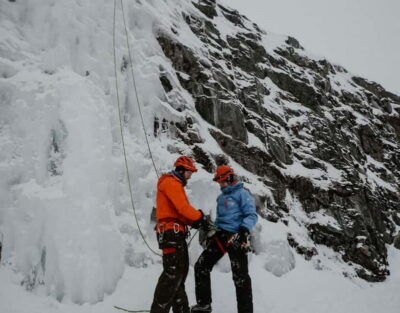
Abisko: Ice Climbing for All Levels with Certified Guide
Read our review →
Abisko National Park: Scenic Morning Hike with Transfer
Read our review →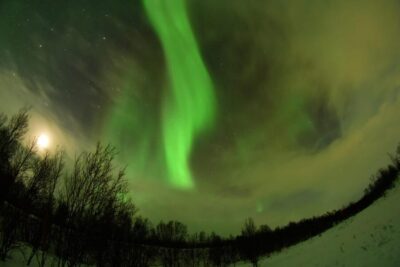
Explore the Norwegian Fjords and the Wildlife from Abisko.
Read our review →
Abisko: Guided Autumn Aurora Chase with Hotel Transfers
Read our review →
Abisko: National Park Northern Lights Photo Tour
Read our review →
From Abisko: Dog Sledding Excursion to Kiruna with Fika
Read our review →Browse the lists this tour appears in