
Review · TENERIFE
Tenerife: Sunset and Stargazing at Teide National Park
At 1,400 meters above Tenerife, the evening begins with a sunset over a sea of clouds and the islands of La Gomera, La Palma, and El Hierro. Then the sky gets properly dark, and a 12-inch telescope brings Saturn’s rings, Jupiter’s moons, star clusters, and distant galaxies within reach.
I like the small groups, which give you real time at the telescope instead of a quick glance and a shuffle to the back. I also like the free astrophotography portrait, a useful souvenir that shows you beneath the stars rather than simply showing another starry sky photo. The catch is the cold: the mountain can feel close to freezing, even when Tenerife’s coast is warm.
Key points to know before you book
- A sunset above the clouds: Sip Cava or a non-alcoholic drink while the sun drops toward three neighboring Canary Islands.
- A proper telescope session: The 12-inch Dobsonian telescope is used for planets, galaxies, nebulae, and star clusters.
- Small groups matter: Groups are often around eight people, so you spend less time waiting for your turn.
- Guides make the difference: Peter, Phil, Roland, Dani, and other English-speaking guides explain the sky with lasers, stories, and humor.
- Bring serious warm clothing: A jacket, long trousers, warm shoes, and several layers are sensible, especially in winter.
- Pickup depends on the option: VIP pickup is available in parts of south Tenerife, while self-drive participants must use a rental car.
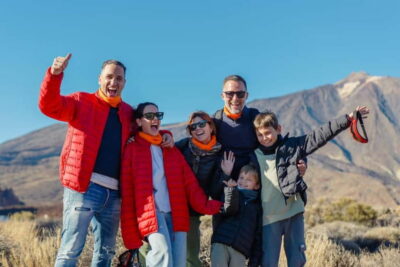
Sunset at 1,400 meters, with Teide in the background
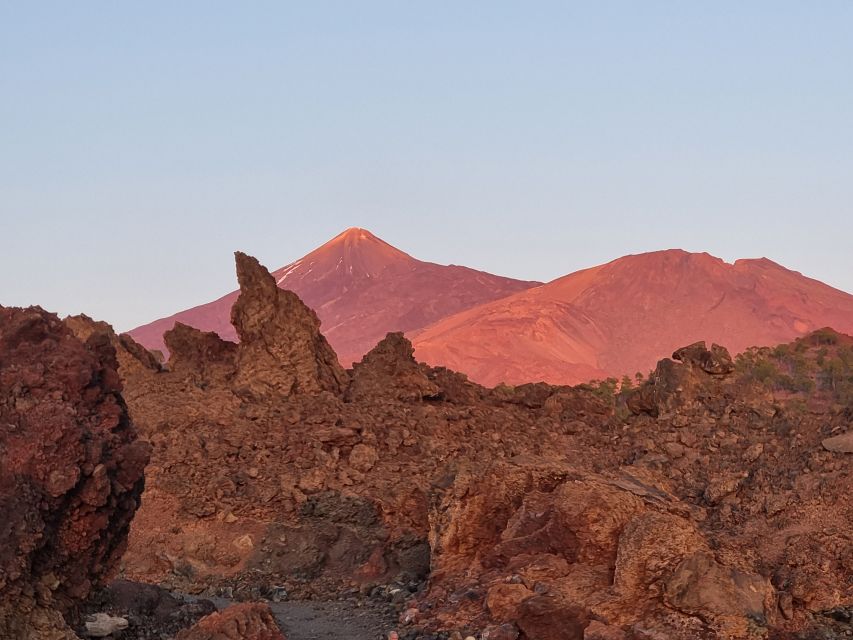
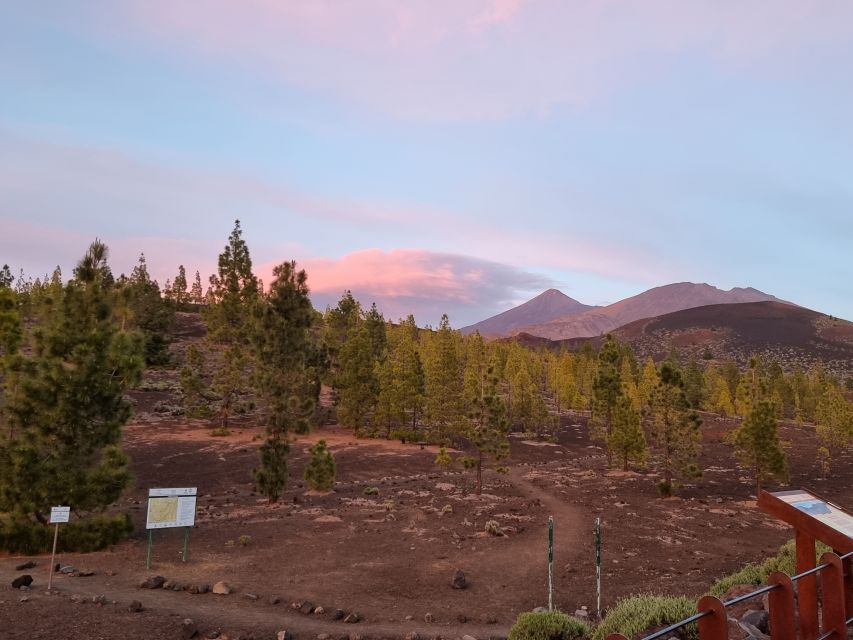
The first stop is a viewpoint beside a lava flow from a volcanic eruption recorded in Christopher Columbus’s ship log in 1492. That small detail gives the stop a pleasing sense of place. You are not just parked at a generic lookout. You are standing among Tenerife’s volcanic remains, with Mount Teide and the western islands in view.
The sunset is the opening act, but it is not a rushed photo stop. You have roughly 45 minutes for the views, pictures, and a welcome drink. The guides serve a glass of Cava, or a non-alcoholic alternative, while the sun changes the color of the volcanic rock and the cloud layer below.
I like this part because the view keeps changing. On a clear evening, La Gomera, La Palma, and El Hierro appear across the horizon. Clouds can also make the scene more dramatic, forming a bright white layer beneath the setting sun. On other evenings, clouds, wind, or haze may limit what you see. That is part of the mountain weather, not a promise the operator can control.
There is some waiting around before the astronomy session begins. One person specifically wished the guides had started explaining the area during this interval. If you prefer a nonstop sightseeing schedule, this pause may feel slow. If you enjoy taking photographs and letting the light change, it gives you room to breathe.
For self-drive participants, arrive early. The first viewpoint has a relatively small parking area, and several vehicles may arrive around the same time. The meeting point is normally Mirador de los Poleos, but the exact location and time are sent by WhatsApp on the day of the activity. Do not rely only on the generic time printed on your ticket.
More Sunrise and Sunset Tours in Tenerife:
- Tenerife: Teide National Park Sunset & Stargazing Tour
★ 4.2 · 3,812 reviews - Teide National Park Sunset & Stargazing with Dinner (Star Safari)
★ 5.0 · 2,601 reviews - Teide National Park: Sunset & Stargazing Safari with Dinner
★ 4.6 · 2,115 reviews
A short transfer to a darker viewpoint
After sunset, the group usually moves a few minutes farther up the mountain. The listed transfer is about five minutes, followed by roughly two hours and 15 minutes at the astronomy viewpoint. The change of location matters because the guides want a darker, more open spot for the night sky.
The activity takes place at public viewpoints approved for use by local authorities. It is not a visit to the summit of Teide, and it does not include the cable car, the Teide Observatory, or a hike. That distinction is important. You are getting a guided astronomy evening in the national park area, not a full Mount Teide sightseeing tour.
The road is mountainous, and anyone driving should be comfortable with a winding route. The self-drive option requires your own rental car. Public transportation and taxis do not work for joining the convoy, since you follow the guides from the sunset stop to the stargazing site.
If you choose VIP, pickup and drop-off are available from accommodation or a nearby pickup point in the south of Tenerife, generally between El Médano and Los Gigantes, with some exceptions. The exact pickup time may differ substantially from the generic time shown when booking, so keep your phone available for the WhatsApp message.
Constellations explained with a laser pointer
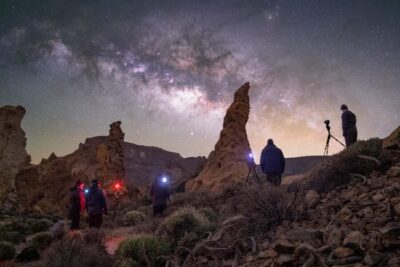
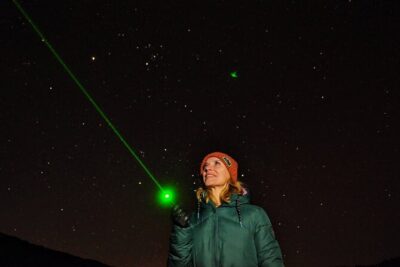
The astronomy talk starts with the sky above you, not with a lecture indoors. Guides use a laser pointer to trace stars and constellations, then explain how to find familiar reference points for yourself.
You learn to locate Polaris, the North Star, by following the shape of Ursa Major. The guides also show how to find the Andromeda galaxy using the Great Square of Pegasus. Greek mythology forms part of the storytelling, which helps turn a collection of distant lights into something easier to remember.
This is where the guides matter most. Peter is repeatedly praised for his astronomy knowledge and easy humor, while Phil is noted for being both a capable driver and an engaging guide. Roland, Dani, Jamie, Mike, Jenny, Johnny, and others have also led sessions. The exact guide depends on the date, but the format is built around explanation rather than simply pointing at the sky and naming objects.
The tone is accessible. You do not need to know the difference between a nebula and a galaxy before you arrive. You can ask questions, follow the laser, and gradually begin to recognize the patterns for yourself. Teenagers can find enough movement and variety to stay interested, while adults who want a more serious astronomy lesson get plenty to learn.
Clouds are the main uncertainty. If conditions become poor because of high wind, cloud, or low temperatures, the guides may stay at the lower viewpoint. That does not cancel the sunset portion, and the lower site can still work for stargazing, but the night may not unfold exactly as planned. One useful sign of a good operation is that the guides keep explaining the sky and local setting while waiting for a break in the clouds.
What you see through the 12-inch telescope
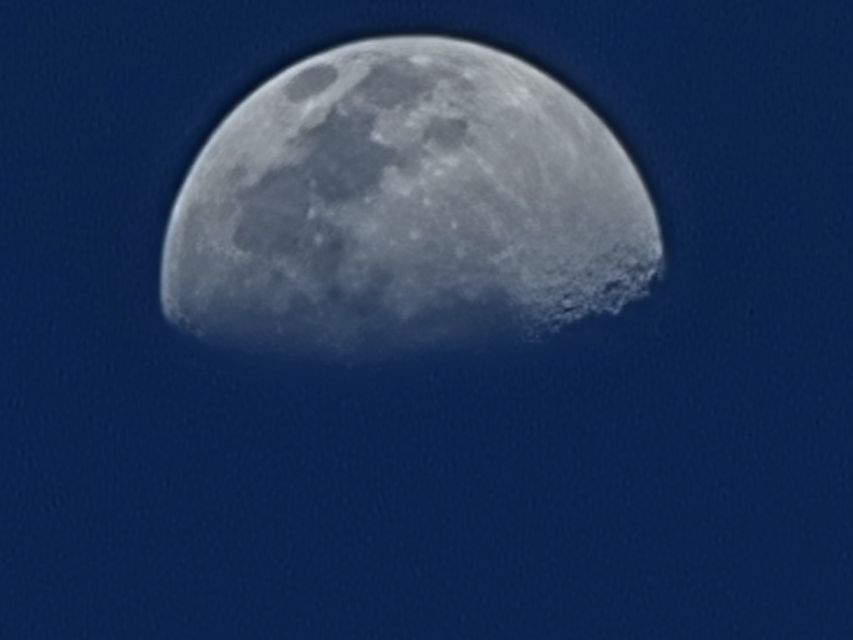
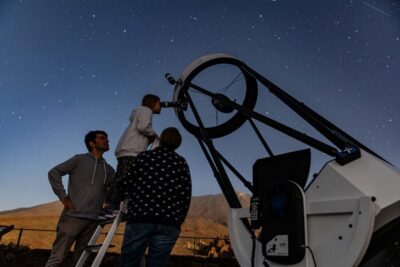
The telescope is a 12-inch Dobsonian model. That is a substantial instrument for a public stargazing session, and it gives the evening more substance than a simple constellation talk.
The exact objects depend on the season, the moon, and what is visible at the time. Possible sights include:
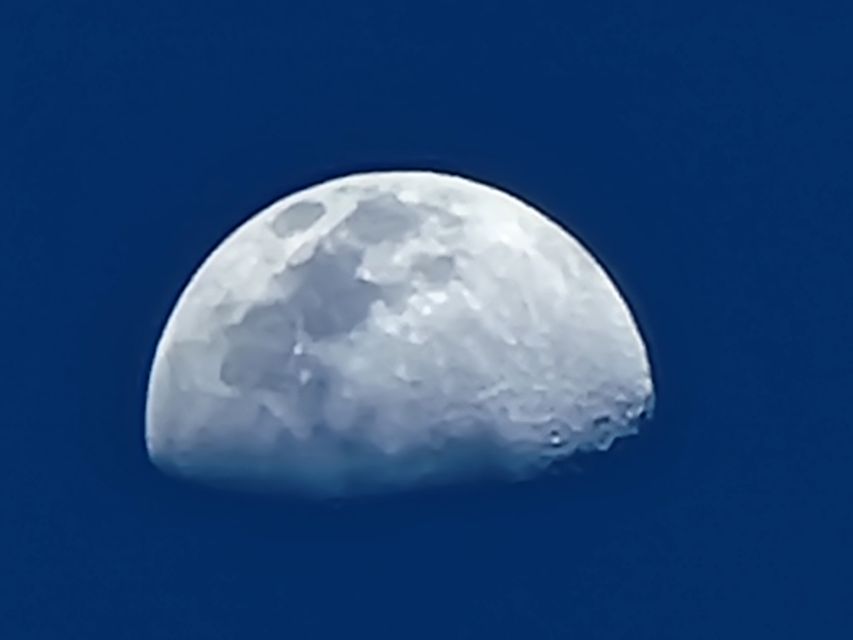
- The Moon, especially around the days before and after full moon
- Saturn and its rings, when the planet is visible
- Jupiter and its Galilean moons, mainly during summer and autumn visibility
- The Pleiades, also called the Seven Sisters, in winter
- Galaxies, nebulae, and star clusters
- The Milky Way when the sky and moon conditions cooperate
Seeing Saturn’s rings or Jupiter’s moons through the telescope can be the high point for first-time stargazers. Several recent sessions included clear views of these planets. The guides also use tracking equipment for some deep-sky objects, giving you more time to look instead of watching an object drift out of view.
The Moon is beautiful, but it has a tradeoff. A bright moon makes lunar viewing excellent while washing out some faint stars. If your priority is the Milky Way and the greatest number of visible stars, choose a night close to the new moon or before moonrise, if the available dates allow it. If you want a detailed look at lunar craters, a brighter moon is useful.
The schedule does not guarantee a particular planet or galaxy. Astronomy depends on the date, the hour, visibility, and cloud cover. Think of the telescope session as a well-guided chance to see several objects, not a fixed checklist.
A few more park trips around Tenerife worth a look
- Teide National Park Day or Sunset Tour on Quads
★ 4.6 · 193 reviews - Puerto de la Cruz: Quad Sunset Volcano Teide National Park
★ 4.6 · 178 reviews - Tenerife: Teide National Park Sunset Quad Tour
★ 4.1 · 164 reviews - Tenerife: Teide National Park Sunset Picnic and Stargazing
★ 4.6 · 117 reviews
The free portrait under the stars
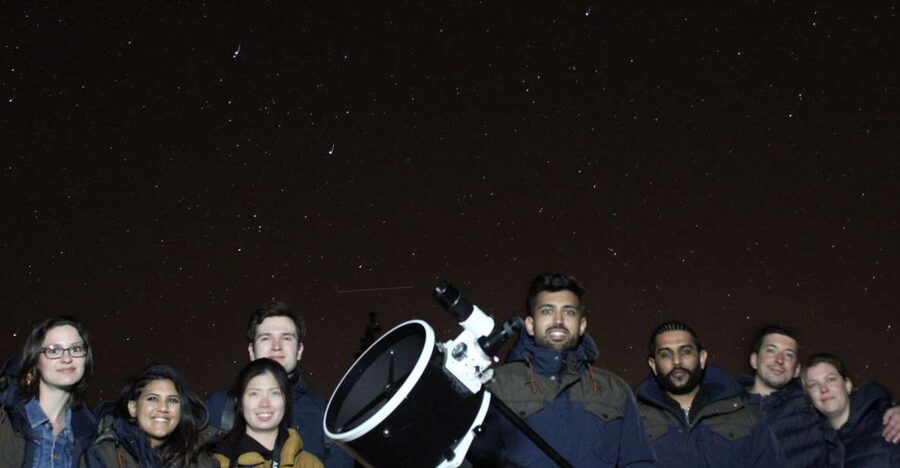
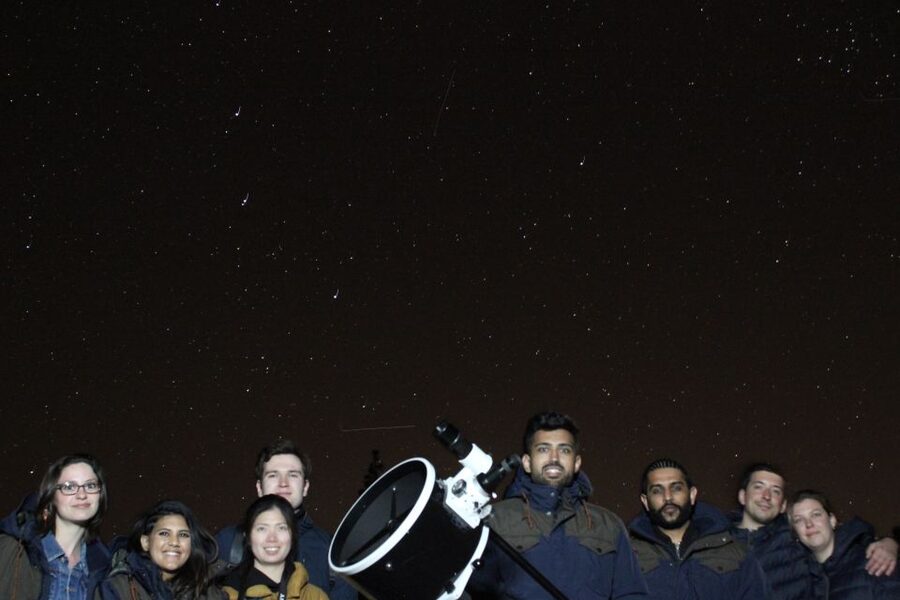
The team takes an individual photograph using astrophotography techniques, with the starry sky behind you. This is included at no extra charge and is one of the more useful extras because ordinary phone cameras struggle in near darkness.
You should not expect a studio portrait or a full private photo session. The purpose is to create a memorable image of you under the night sky. Still, it gives you something different from the usual sunset snapshot and makes the evening easier to remember after the trip.
The guides may also provide warm extras during colder sessions. Recent outings included hot chocolate, blankets, or warm coats on the VIP option. These additions are not all stated as standard inclusions for every booking, so bring your own protection rather than counting on refreshments beyond the Cava or non-alcoholic drink.
How cold is Teide at night?
Very cold by Tenerife holiday standards. The coast may be warm enough for short sleeves, while the mountain can feel close to 0 or 2 degrees Celsius in winter. Wind makes the wait beside the telescope feel colder still.
Bring a proper winter jacket, long-sleeved layers, long trousers, warm socks, and closed warm shoes. Several people found that ordinary holiday clothing was not enough, and one winter visitor recommended dressing as if you were preparing for skiing. Comfortable sports shoes are suitable, but sandals are a poor choice.
VIP participants may receive warm jackets, and some sessions have included blankets and hot chocolate. Treat these as helpful support, not a substitute for your own clothing. You will spend much of the evening outside, and the astronomy session lasts about two hours and 15 minutes.
There are no toilet facilities at or near the stargazing locations. Plan accordingly before leaving the coast. The tour is also not suitable for people with altitude sickness, and anyone using a wheelchair should contact the operator in advance.
Is the $47 price good value?
At $47 per person, the experience offers a strong amount of activity for the money. You receive the sunset viewpoint, a drink, a guided astronomy session, use of the telescope, an English-speaking starlight-certified guide, and an astrophotography portrait. That is more than a simple sunset transfer.
The value is strongest if you care about the astronomy. A drive to Teide for sunset alone would give you beautiful scenery, but not the laser-guided constellation lesson or the telescope time. The small-group setup also helps. Groups of around eight people allow questions and repeated turns at the telescope without the long waits that come with a large coach outing.
The price needs a little context. Food is not included, and the basic option may not include hotel pickup. VIP costs more, though the exact supplement depends on the booking choice. Self-drive participants also need a rental car and must handle the mountain route themselves.
I would consider it particularly good value for couples, families with older children, and anyone who wants an evening activity without a dinner package or a full-day excursion. Children under five are not allowed on the VIP tour, though they may join with the self-drive option. The English-only format also matters if someone in your group is not comfortable following a spoken tour in English.
Choosing VIP or self-drive
VIP is the easier choice if you are staying in the south and do not want to drive unfamiliar mountain roads after dark. Pickup and return to the same address remove the need to find parking and follow the guides between viewpoints. Add your exact accommodation address at least 24 hours ahead, or the pickup cannot be arranged.
Self-drive gives you more control and may suit confident drivers with a rental car. You meet the group at the designated point, use your own vehicle to follow the guides, and avoid the pickup restrictions. Arrive 15 to 20 minutes early at the sunset stop, since parking can be limited.
Neither option is ideal if you are staying in northern Tenerife, since pickup from the north is not offered. The activity is designed around south-coast pickup points and a specific self-drive meeting arrangement.
Keep an eye on WhatsApp. The exact VIP pickup time or self-drive meeting time is sent on the day, and it can differ from the generic time on your ticket. If the operator cannot reach you because of an incorrect phone number or email, the booking may be treated as a no-show.
Who should book this evening?
I would book it if you want three things in one outing: a volcanic sunset, a serious look at the night sky, and an English-speaking guide who can explain what you are seeing. It suits curious first-timers as well as people who already know a few constellations.
It is less suitable if you dislike cold weather, need regular toilet access, want to walk or hike, or expect a visit to the Teide cable car or observatory. It is also not a good fit for a last-minute arrival day. Pickup times can shift, and the operator specifically advises against booking this tour on the same evening as an afternoon flight.
For the best chance of a star-filled sky, choose a clear night with little moonlight and pack far warmer clothing than the coast seems to require. If you can accept the weather risk, this is a well-priced, focused evening that gives you more than a pretty sunset. You leave with a better sense of the sky, a free portrait, and a genuine look at why Tenerife is such a strong place for astronomy.
FAQ
How long does the sunset and stargazing tour last?
The activity lasts about three to four hours. The itinerary includes approximately 45 minutes at the sunset viewpoint, a short transfer, and about two hours and 15 minutes at the stargazing location.
Is hotel pickup included?
Pickup and drop-off are included only if you choose an option that provides them, such as VIP. Pickup is limited to parts of south Tenerife, generally between El Médano and Los Gigantes, with some exceptions.
Can I join without a rental car?
Only if you choose an option with pickup. The self-drive option requires your own rental car. Public transportation and taxis cannot be used for that option.
Where is the self-drive meeting point?
The meeting point is normally Mirador de los Poleos. Check the exact location on Google Maps and wait for the WhatsApp message with the final meeting time and details.
Is the tour suitable for children?
Children under five are not allowed on the VIP tour. They are allowed with the self-driving option. The tour is conducted in English.
What should I wear?
Bring warm layers, a jacket, a long-sleeved shirt, long trousers, and warm shoes. Comfortable shoes are also recommended. Mountain temperatures can be close to freezing, especially in winter.
Are toilets available during the activity?
There are no toilet facilities at or near the sunset and stargazing locations. Plan ahead before the tour begins.
Does the tour visit the Teide cable car or observatory?
No. The activity takes place at public viewpoints in the national park area. It does not include the cable car, Teide Observatory, hiking, or a walk to Mount Teide.
What happens if the weather is poor?
If high wind, clouds, or low temperatures make the higher viewpoint unsuitable, the guides may remain at the lower viewpoint. That location can still be used for stargazing, but telescope viewing and visibility depend on the actual conditions.
Just added around Tenerife
- From South Tenerife: Teide National Park Tour★ 4.8 · 283 reviews
- Tenerife: Teide National Park & Teno Rural Park Private Tour★ 5.0 · 35 reviews
- Tenerife: Teide National Park Buggy Tour with Hotel Transfer★ 4.5 · 145 reviews
- Tenerife: Teide National Park and Volcano Buggy Tour★ 4.0 · 39 reviews
- Tenerife: Teide National Park Sunset Quad Tour★ 4.1 · 164 reviews
- Puerto de la Cruz: Quad Sunset Volcano Teide National Park★ 4.6 · 178 reviews
- Tenerife. Stargazing in Teide National Park★ 4.9 · 319 reviews
- Tenerife: Stargazing Walk in Teide National Park★ 4.8 · 28 reviews
Tenerife National Park Tours, compared.
Teide National Park Sunset & Stargazing with Dinner (Star Safari)
Read our review →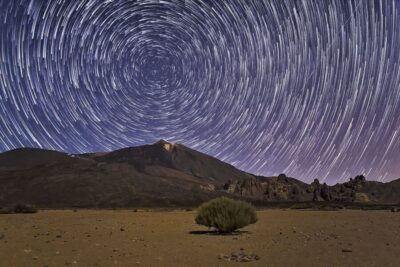
Teide National Park: Sunset & Stargazing Safari with Dinner
Read our review →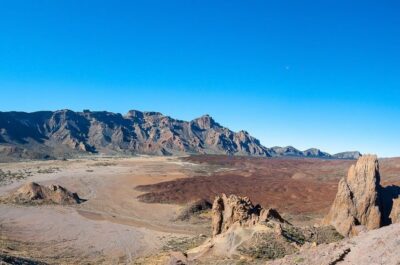
Teide National Park Full-Day Tour with Pickup
Read our review →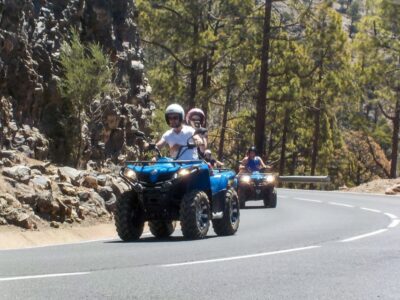
Teide National Park: Guided Large Telescope Stargazing Tour
Read our review →Browse the lists this tour appears in