
Review · AUSTRALIA
Jabiru: Guided Flight over Kakadu National Park
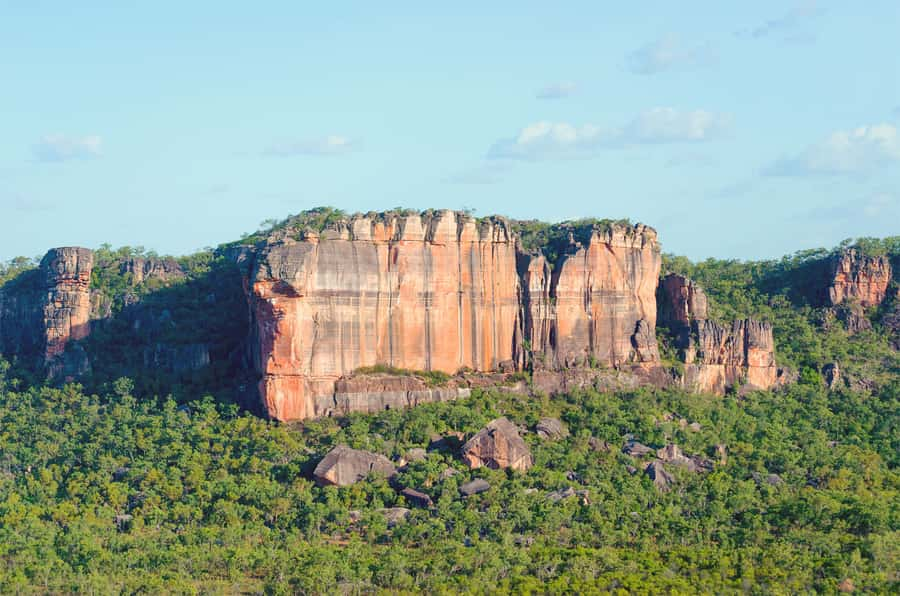
Kakadu is too large to grasp from one road trip, but from a small plane its scale makes sense fast. This one-hour flight from Jabiru crosses escarpments, waterfalls, river valleys, and floodplains, with a pilot explaining what you are seeing below.
I like the seasonal routes, since the wet and dry seasons reveal different parts of the park. I also like the guaranteed window seat and the chance to see places such as Jim Jim Falls and Twin Falls without spending hours reaching them on the ground.
The main consideration is that this is a fixed-wing aircraft, not a climate-controlled airliner. It can feel hot, especially in the wet season, and the route covers only one part of Kakadu. If you expect a broad circuit of the entire park, adjust your expectations.
Key points to know before you fly
- Wet and dry seasons use different routes: Waterfalls and the Arnhem Plateau feature on the wet-season flight, while the dry-season route follows river valleys and the Magela floodplains.
- Every passenger gets a window seat: You will have a clear chance to photograph the scenery rather than hoping for a good position.
- Jim Jim and Twin Falls are highlights: The wet-season route reveals these major Kakadu sights from above.
- The aircraft may be warm: Bring water, a hat, and sunglasses, and dress for a small plane without air conditioning.
- The flight costs $183 per person: For one hour of access to remote country, the price can be fair, but the Kakadu park pass costs extra.
- The experience begins and ends at Jabiru Aerodrome: Follow the Arnhem Highway to its end, then enter the reception building beside the parking area.
Why an aerial view helps you understand Kakadu
Kakadu National Park covers a huge area, and the ground-level experience can feel divided into separate stops. You drive to a waterfall, then a billabong, then an Aboriginal rock-art site or lookout. From the air, those pieces join up.
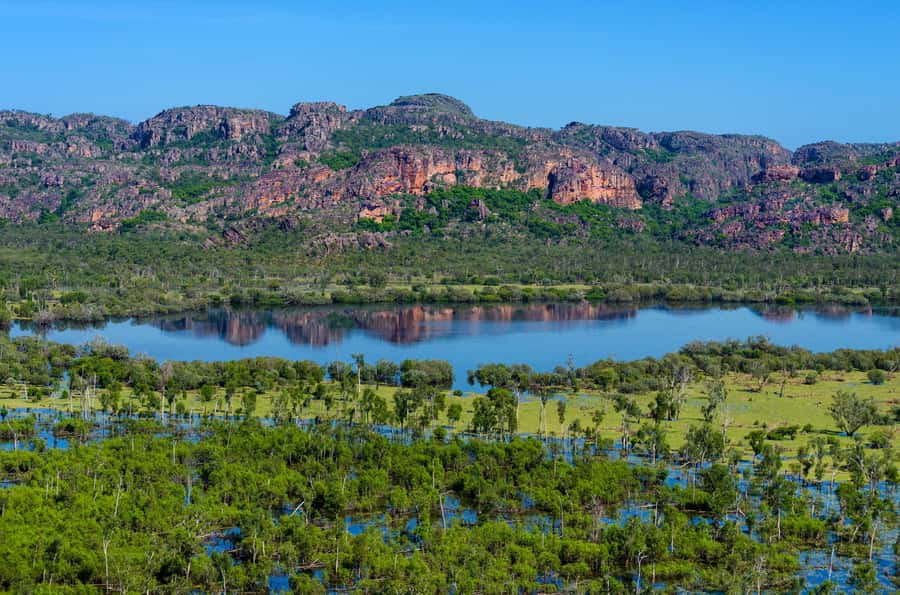
The flight lets you see how escarpment, plateau, open floodplain, and winding rivers fit together. That matters in Kakadu, where water controls so much of the scenery. The park changes sharply between the wet and dry seasons, and the aircraft gives you a quick view of those changes.
This is also a UNESCO World Heritage site, protected for both its natural and cultural importance. The commentary adds useful context as you look down, rather than leaving you to guess whether a pale line is a river, a road, or a seasonal channel.
The trip is not a sightseeing flight over every famous corner of Kakadu. It is a focused view of the park’s northeastern and central areas, depending on the season. That makes it a strong addition to a longer Kakadu visit, but a less satisfying substitute for seeing the park from the ground.
A few more park trips around Australia worth a look
- Port Arthur Full-day Guided Tour with Harbour Cruise and Tasman National Park
★ 4.5 · 585 reviews - From Melbourne Grampians National Park Kangaroos Guided Tour
★ 4.4 · 91 reviews - Tasmania: Wilderness and Wildlife Guided 6-Day Tour
★ 4.6 · 60 reviews
Starting at Jabiru Aerodrome
The meeting point is straightforward. Follow the Arnhem Highway to the very end, where the aerodrome is the last stop. Park, then follow the signs to the reception area in the main and only building.
You do not need to arrange separate transport during the activity. The scenic flight leaves from Jabiru Aerodrome and returns there after 60 minutes. That simple out-and-back plan works well if you are staying in or passing through Jabiru.
The flight is led in English by a pilot-guide, with English audio support included. The best guides combine flying skill with a clear explanation of the country below. Josh has been singled out by name for making the experience enjoyable, and other reports also point to an easy-going, informative style from the flight crew.
The aircraft provides window seats, which is important here. You are not looking through a narrow gap between other passengers, and you can shift your camera toward the side with the better view. Keep your camera ready from the start, since the first views begin as soon as the aircraft leaves Jabiru.
The wet-season route to Jim Jim and Twin Falls
During the wet season, the flight heads south from Jabiru. One early sight is the Ranger Uranium Mine, followed by Mount Brockman and the escarpment near Lightning Dreaming.
These places help show the sharp boundary between developed areas and protected country. The route then crosses Deaf Adder Gorge, where the terrain becomes more rugged and enclosed. Double Falls is another major point along this section.
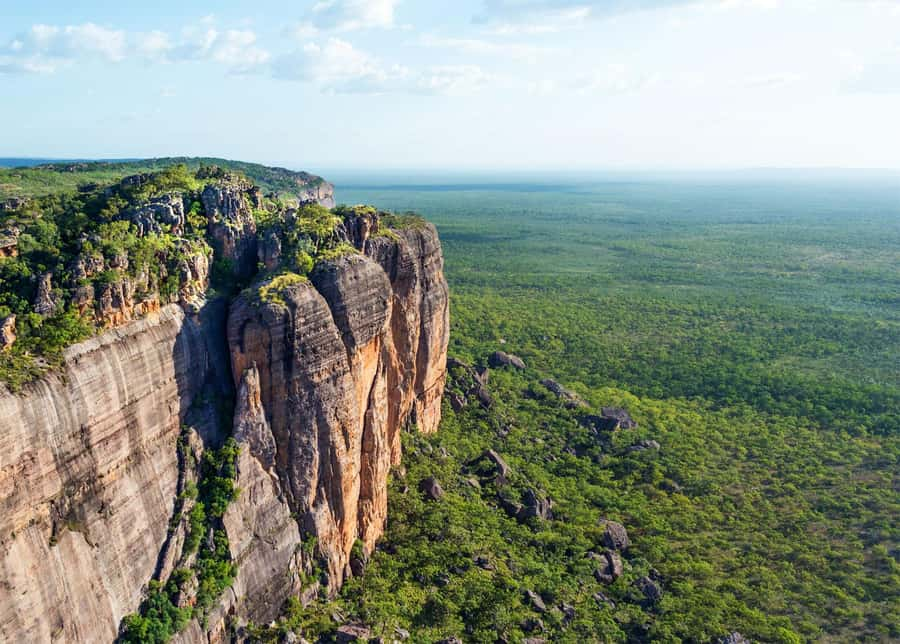
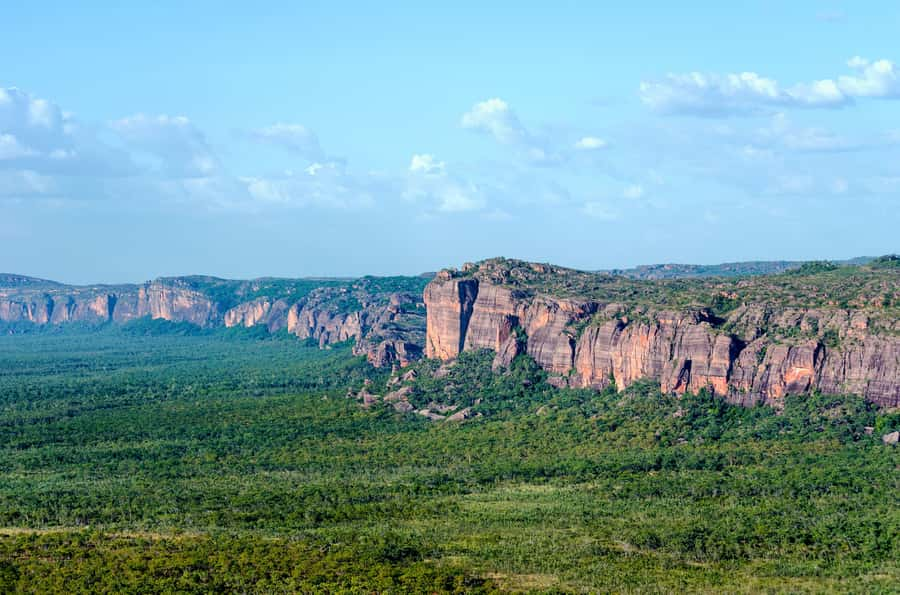
The route continues across the Arnhem Plateau before opening toward Jim Jim Falls and Twin Falls. These falls are among Kakadu’s best-known natural features, and seeing them from the air gives you a useful sense of their position within the plateau and gorge country.
The wet-season flight is likely the more dramatic option if waterfalls are your main reason for booking. Seasonal water flow can change the appearance of the falls, so the timing of your visit matters. At the same time, the route is not designed as a landing excursion. You see the falls from above, with commentary, then continue on.
That distinction is worth keeping clear. An aerial view gives you scale and access to country that can be difficult to reach by road, but you do not get time on the ground at Jim Jim or Twin Falls. If your priority is walking to a waterfall, this flight works best alongside a land-based visit.
The dry-season route through river country
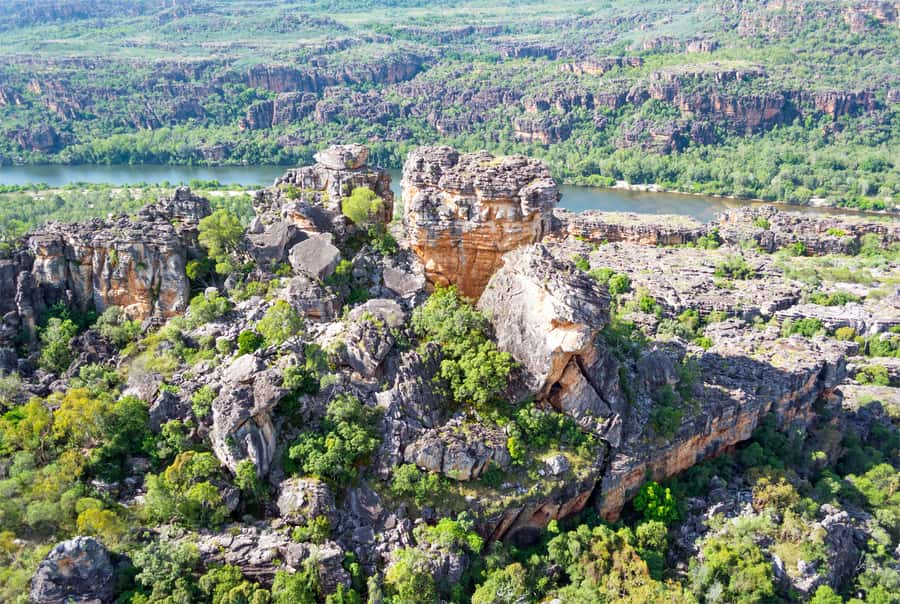
In the dry season, the flight takes a different path. It first passes the Ranger Uranium Mine and continues toward Dinosaur Valley.
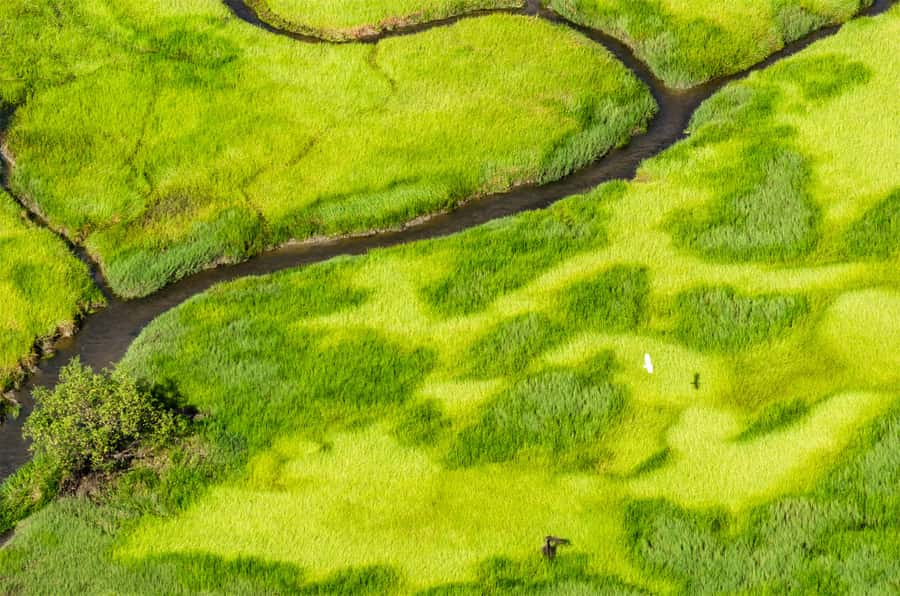
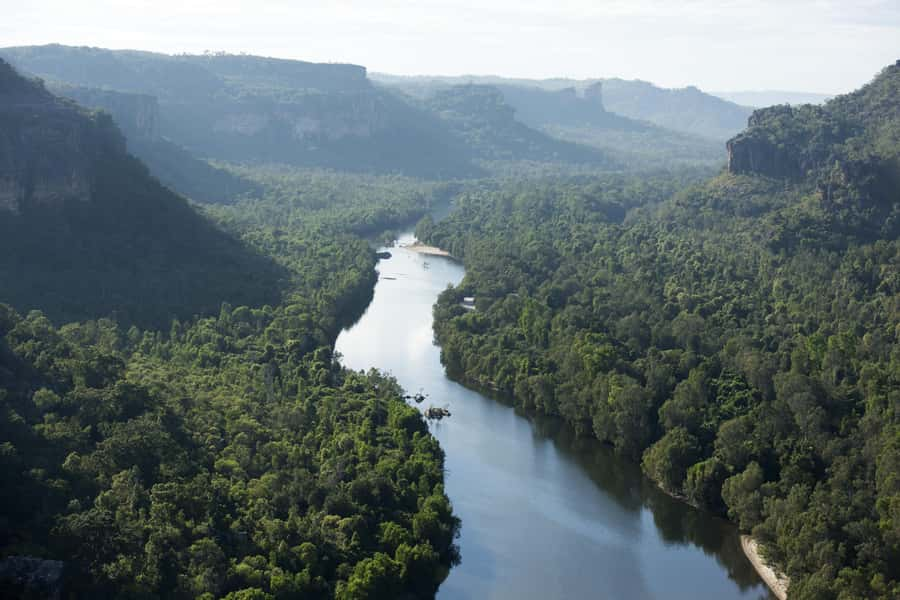
From there, the route enters Upper East Alligator Valley. The aircraft follows the twists and turns of the river, giving you a view of how water has shaped the surrounding country. This section offers a different kind of appeal from the wet-season waterfall route. Instead of focusing on major falls, it shows the long shape of a river system and the broad spaces around it.
The flight then crosses the Magela floodplains. These open areas are especially useful to see from above because their full scale is hard to judge from a road or walking track. Seasonal water patterns become easier to understand when you can see channels and open flats together.
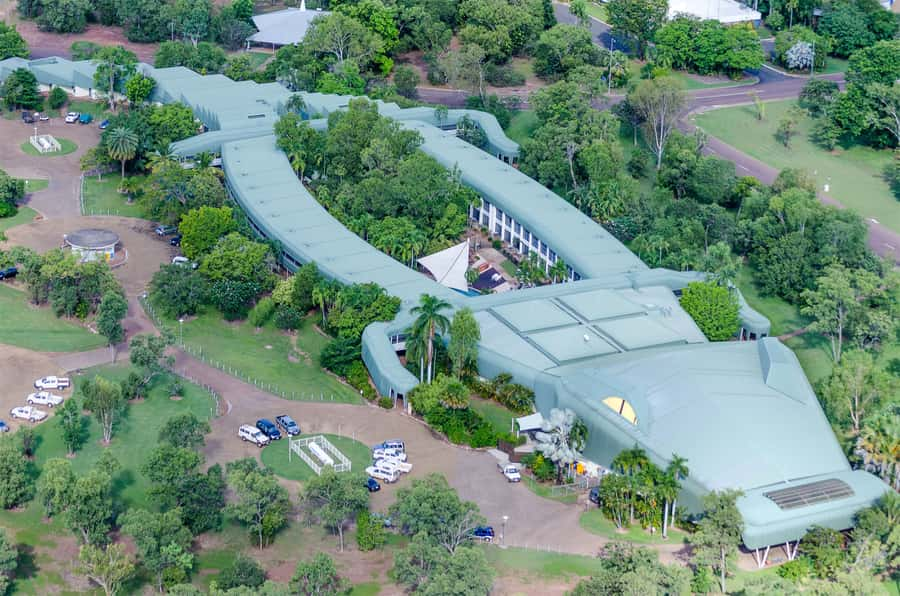
The dry-season route also passes over the famous Crocodile Hotel. Its distinctive shape makes it easy to recognize from above and gives the flight a memorable final landmark before returning toward Jabiru.
If you are visiting in the dry season, do not assume you are receiving a lesser version of the experience. You are seeing a different side of Kakadu. The tradeoff is simple: the route offers river valleys, floodplains, and the hotel, rather than the wet-season focus on Double Falls, Jim Jim Falls, and Twin Falls.
Same park country, a different day out:
- Litchfield National Park and Jumping Crocodile Cruise
★ 5.0 · 2,119 reviews - Noosa: Afternoon Cruise through the Noosa Everglades
★ 4.5 · 906 reviews - Grampians National Park Small-Group Eco Tour from Melbourne
★ 5.0 · 761 reviews - From Port Arthur: Tasman Island Wilderness Cruise
★ 4.9 · 704 reviews
What the view is like from a small aircraft
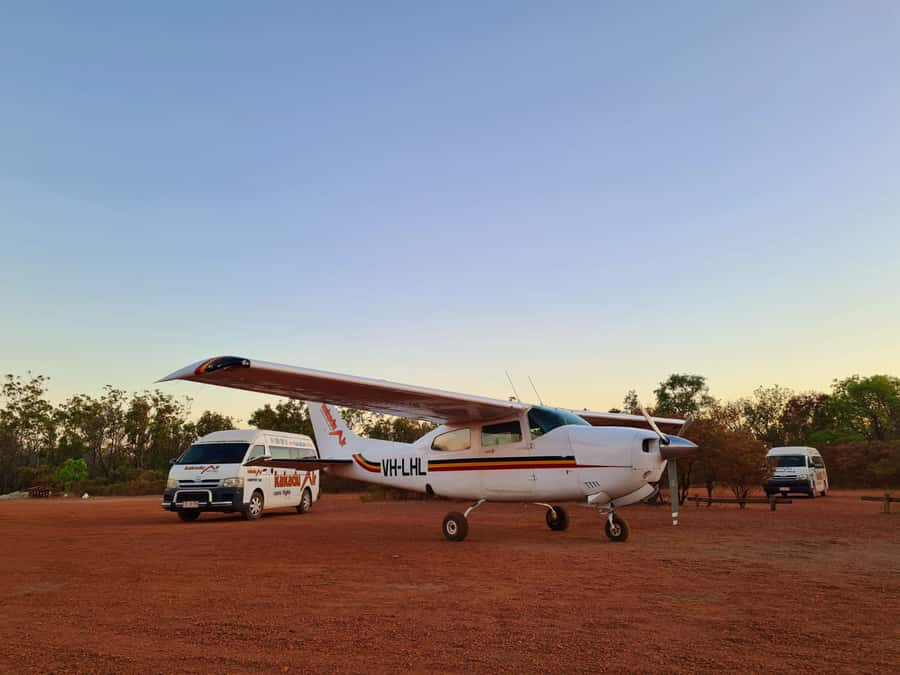
The fixed-wing aircraft is part of the character of the outing. You get a low-key scenic flight rather than a polished airline-style service. Window seats are included, and cold bottled water is supplied.
One practical point matters more than it may sound: the aircraft does not have air conditioning. A December flight can be hot inside, and you should dress lightly, bring water, and use the supplied bottle to stay hydrated. Sunglasses help with glare, while a hat is useful before and after the flight, though you should keep it secure inside the aircraft.
A camera is worth bringing, but do not spend the entire hour looking at the screen. The views change quickly, and reflections or glare can affect photos. I would take a few shots at each major feature, then spend time watching the country itself.
Motion sickness is another real concern. This is not suitable for people who suffer badly from it, and the flight may be less comfortable for anyone who finds small aircraft difficult. The activity is also not suitable for people over 287 pounds, or 130 kilograms, and it is not designed for people with mobility impairments.
The supplied information does not give a fixed group size. You might share the aircraft with other passengers, or you might find yourself in a very small group. On one flight, a passenger had the aircraft to themselves, turning it into a private-feeling outing. That is possible, not guaranteed, so book for the route and view rather than expecting a private charter.
The value of $183 for one hour
At $183 per person, this is not a budget add-on. Still, a flight can be a sensible use of money in Kakadu because it covers a large amount of country in one hour and reaches views that are difficult to reproduce from a car.
The value is strongest for three types of visitors. First, it suits anyone with limited time who wants a quick sense of Kakadu’s size. Second, it helps people who cannot manage long walks or rougher ground access, although the aircraft itself is not suitable for people with mobility impairments. Third, it adds a new angle for anyone already exploring Kakadu by road.
The price feels less convincing if you want a long, ground-based outing with several stops. You are paying for the flight, the pilot-guide, the commentary, the window seat, and the access to remote scenery, not for a full-day park tour.
Remember to budget separately for the Kakadu National Park pass. You need to purchase that before entering the park. The flight price does not include it.
The booking terms make the decision easier if your plans are unsettled. You can cancel up to 24 hours ahead for a full refund, and you can reserve now while paying later. Check the available start times before committing, since the activity lasts one hour but the specific departure time is not fixed in the supplied information.
The guide makes the difference
The pilot is doing two jobs at once: flying safely and helping you read the country. A relaxed, clear explanation is especially useful in Kakadu because many features are subtle from above.
The strongest feedback focuses on the crew’s manner. Elizabeth described the pilot as easy-going and informative, while Claire enjoyed the time spent with Josh. The guide also shares Aboriginal stories and information about the country with respect, which is important in a park where cultural meaning is part of the place, not an optional extra.
You should listen closely during the first part of the flight, when the route and major features are being explained. Once you know what to look for, the broad views become easier to follow. If you have a question, ask it when the aircraft is passing a notable feature rather than waiting until the end.
The English commentary is the only language option stated for the experience. An English audio guide is included as well.
Who will get the most from this flight
I would choose this experience if you want to understand Kakadu as a whole rather than collect another single lookout. The view from above connects the escarpment, waterways, and open plains in a way that a road itinerary cannot.
It is particularly useful for:
- First-time visitors with only a short stay in Kakadu
- Photographers who want broad views and guaranteed window access
- People who enjoy learning about geology, waterways, and protected country while looking out the window
- Visitors taking a longer road trip who want one memorable change of pace
- Anyone deciding between a wet-season waterfall route and a dry-season river and floodplain route
I would pause before booking if you are uncomfortable in a small aircraft, prone to motion sickness, or hoping to land at the waterfalls. I would also think twice if your only goal is to see the full park, since this flight covers a specific section rather than the entire area.
Simple ways to prepare
Wear light clothing, especially for a wet-season departure, and bring sunglasses, a hat, and a camera. The aircraft may be hot, so hydration is not a minor detail.
Arrive at Jabiru Aerodrome with enough time to find the reception building. The directions are easy, but the meeting point is at the end of the Arnhem Highway, not at a town-center office.
Check the season of your visit before you book. If Jim Jim Falls and Twin Falls are the sights you most want, the wet-season route is the relevant one. If you prefer river bends, floodplains, Dinosaur Valley, and the Crocodile Hotel, the dry-season route gives you that mix.
You should also buy the Kakadu park pass before entering Kakadu. It is not part of the $183 flight price.
Should you book the Kakadu flight?
I would book it if you want a compact, well-guided view of Kakadu’s scale and can accept a warm small aircraft. The combination of window seating, seasonal routing, and clear commentary gives you much more than a generic ride over the bush.
Choose the wet-season departure for waterfalls and Arnhem Plateau scenery. Choose the dry-season departure for river country, the Magela floodplains, and the Crocodile Hotel. In both cases, treat the flight as a high-value companion to exploring Kakadu on the ground, not a replacement for it.
FAQ
How long is the Kakadu scenic flight?
The flight lasts 60 minutes, or one hour. It starts and finishes at Jabiru Aerodrome.
Where does the flight depart?
Meet at Jabiru Aerodrome. Follow the Arnhem Highway to its very end, park there, and follow the signs to the reception area in the main and only building.
What is included in the price?
The experience includes the 60-minute scenic flight, cold bottled water, a window seat, and a pilot-guide. English commentary and an English audio guide are included.
Is the Kakadu National Park pass included?
No. You need to purchase a Kakadu National Park pass separately before entering Kakadu.
What can I see during the wet-season route?
The wet-season route can pass the Ranger Uranium Mine, Mount Brockman, Lightning Dreaming, Deaf Adder Gorge, Double Falls, the Arnhem Plateau, Jim Jim Falls, and Twin Falls.
What can I see during the dry-season route?
The dry-season route can pass the Ranger Uranium Mine, Dinosaur Valley, Upper East Alligator Valley, the East Alligator River, the Magela floodplains, and the Crocodile Hotel.
Is the flight suitable for everyone?
No. It is not suitable for people with mobility impairments, people over 287 pounds or 130 kilograms, or people with motion sickness. The aircraft may also be hot because it does not have air conditioning.
Just added around Australia
- Cape Tribulation & Daintree Wilderness (TCT)★ 5.0 · 136 reviews
- Barron Gorge and Kuranda National Park Half Day Rainforest and Waterfall 4WD Tour from Cairns★ 5.0 · 73 reviews
- Half-Day Abseiling Adventure in Blue Mountains National Park★ 5.0 · 59 reviews
- Full Day Kayaking Tour in Coorong National Park★ 5.0 · 120 reviews
- Tasmania: Wilderness and Wildlife Guided 6-Day Tour★ 4.6 · 60 reviews
- Sydney: Northern Beaches and Ku-ring-gai National Park Tour★ 4.6 · 32 reviews
- Sydney: Royal National Park private day tour★ 5.0 · 24 reviews
- Sydney: Blue Mountains Kangaroos, Wilderness and Sunset Tour★ 4.8 · 97 reviews
Australia National Park Tours, compared.
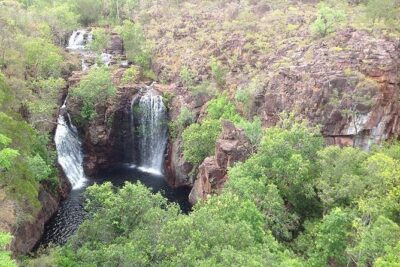
Litchfield National Park and Jumping Crocodile Cruise
Read our review →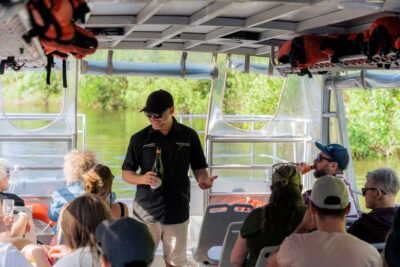
Noosa: Afternoon Cruise through the Noosa Everglades
Read our review →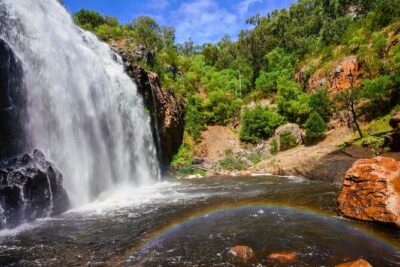
Grampians National Park Small-Group Eco Tour from Melbourne
Read our review →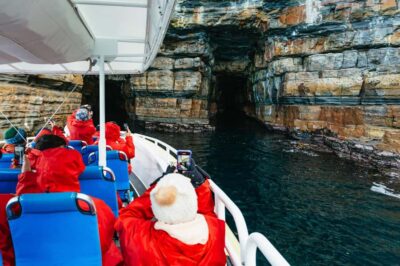
From Port Arthur: Tasman Island Wilderness Cruise
Read our review →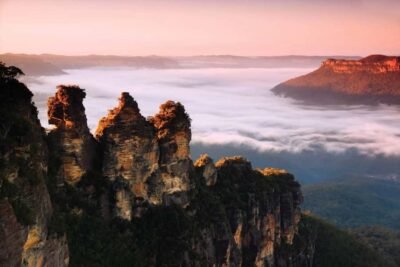
Blue Mountains National Park Tour with River Cruise
Read our review →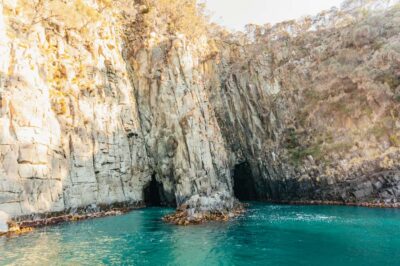
From Hobart/Adventure Bay: Bruny Island Wilderness Cruise
Read our review →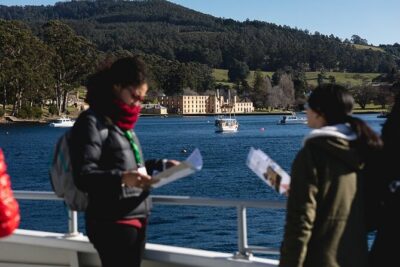
Port Arthur Full-day Guided Tour with Harbour Cruise and Tasman National Park
Read our review →
Grampians National Park Small-Group Eco Day Tour
Read our review →Browse the lists this tour appears in