
Review · JASPER
Jasper: Jasper Planetarium and Telescope Combo Tour Tickets
Jasper’s night sky is the main event here. This 90-minute combo begins beneath a planetarium dome, then moves outdoors to the Rockies’ largest telescopes, where clear conditions may reveal planets, nebulas, and star clusters. You also get to handle real meteorites, Moon rock, and Mars rock.
I like the First Nations constellations woven into the planetarium presentation, and I like the practical aurora information, including how to photograph the Northern Lights. The two-year telescope rain check is another smart touch, since Jasper weather can change quickly.
The catch is simple: clouds and cold can limit the telescope portion. You will still receive a full cloudy-sky program, but you may end up watching 4K recordings rather than seeing Jupiter or Saturn through the instruments that night.
Key points at a glance
- Two-part astronomy experience: Begin with a planetarium show, then head outside for the telescope program.
- Real space material: Handle meteorites, a Moon rock, and a Mars rock during the cloudy-weather program.
- Strong aurora focus: Learn how the Northern Lights form and how you can photograph them.
- Clear skies are not guaranteed: The backup presentation includes 4K views recorded with the site’s own video telescope.
- Two-year rain check: If clouds block the stars, you can return for the telescope tour at no extra charge.
- Best timing matters: Choose a departure after sunset for the best chance of seeing a truly dark sky.
Inside the Jasper Planetarium dome
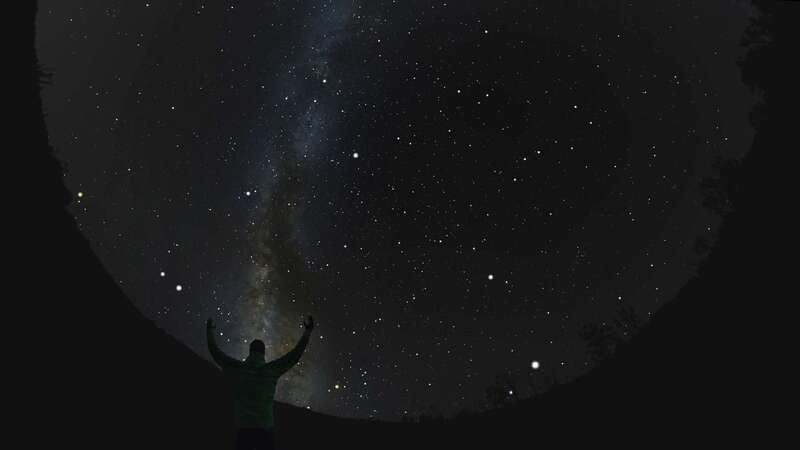
The tour starts inside the Main Lodge at Jasper Park Lodge, but the first real stop is the Planetarium Dome Theatre. This gives you a comfortable introduction before the outdoor portion, and it helps put the Rockies night sky in context.
The presentation covers local First Nations constellations, the Milky Way, and the edge of the universe. That range is ambitious for a short show. You move from stories rooted in the region to the structure of our galaxy, then outward to objects far beyond it.
I especially like the inclusion of First Nations sky knowledge. It keeps the program connected to Jasper rather than treating the dome as a generic science lecture that could happen anywhere. The subject also gives you a different way to think about the stars overhead.
The planetarium has earned strong marks for its content and presentation, but the sound is not perfect for everyone. One rating noted that music sometimes made the speaker hard to hear. If you have difficulty hearing, sit where you can clearly see the guide and do not hesitate to ask for clarification during the question period.
The show is suitable for most ages, but children under four cannot enter the dome theatre. That rule matters for families planning a shared evening. Older children can get plenty from the mix of visual effects, space science, and live explanation.
A few more park trips around Jasper worth a look
- Jasper: Columbia Icefield Skywalk and Ice Explorer Ticket
★ 4.6 · 2,444 reviews - Jasper SkyTram Roundtrip Flight Ticket
★ 4.7 · 567 reviews - Christ the Redeemer Entry Ticket by Corcovado Train
★ 4.4 · 4,476 reviews
The outdoor telescope program
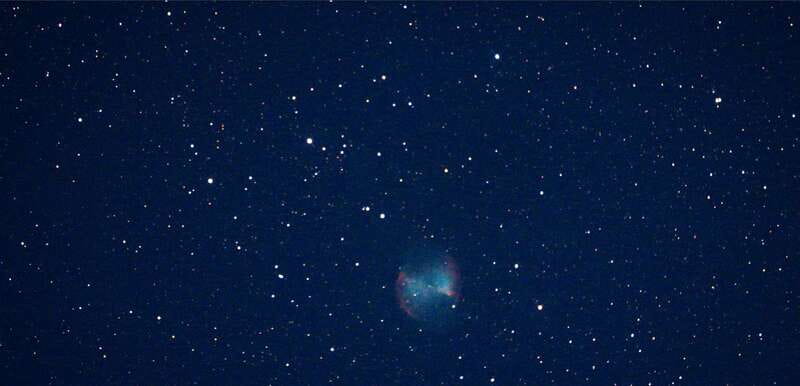
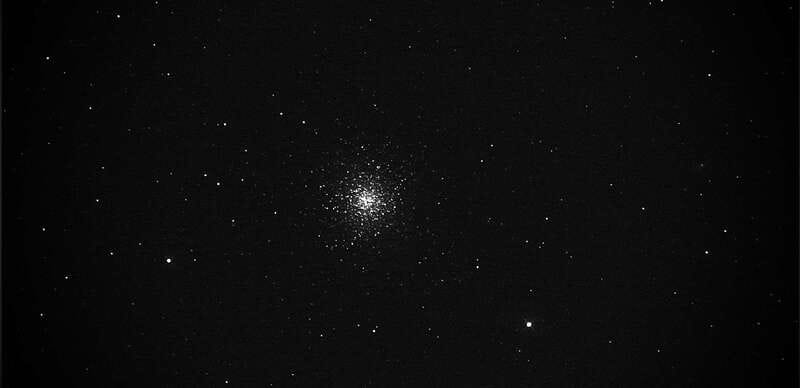
After the dome presentation, your group heads outside to the telescope area. The experience depends heavily on the sky at that moment. On a clear evening, you can look through the optical telescopes and may see planets, nebulas, star clusters, or other deep-space objects.
The equipment is a major reason to book this particular activity. The tour presents the instruments as the Rockies’ largest and most powerful telescopes, and the telescope viewing can be the highlight of the evening. A clear night has produced views of Saturn and other star clusters, according to the experience details.
Do not treat the advertised objects as a fixed menu. The guide cannot promise Saturn, Jupiter, or any particular nebula on a given date. The view changes with the season, the hour, the position of the object, and the clouds. One evening may offer a memorable planet, while another gives you only a short window between patches of weather.
That uncertainty is part of astronomy, but it can be frustrating if you arrive expecting a guaranteed close-up of Jupiter. The best approach is to see the telescope segment as a chance to view what the sky offers, not as a scheduled performance with a fixed final scene.
The guides explain the science behind the equipment and answer questions as the session unfolds. The most consistent strength of the experience is the staff. The available comments repeatedly praise their enthusiasm, friendliness, and ability to explain astronomy clearly. That human element matters when the sky refuses to cooperate.
What happens on a cloudy night
Jasper’s weather is unpredictable, and cloudy conditions are a normal possibility. This tour does not offer a refund simply because clouds block the stars. Instead, the staff runs a cloudy-day program and provides a two-year rain check for the telescope portion.
The backup program takes place in two pavilions. You learn about the science of the Aurora Borealis and get to touch actual meteorites, a Moon rock, and a Mars rock. For many people, this is more memorable than a standard talk about space because the material is physical and immediate.
You also see screen captures of deep-space objects made with the site’s own video telescope. The program can show 4K instant replays of earlier live views, so you are not left with a shortened or abandoned tour just because the clouds arrived.
This arrangement is a fair response to the weather risk. It does not replace the thrill of seeing a planet through a telescope, and one rating described the telescope-by-picture portion as repetitive after the planetarium show. Still, you receive a planned activity rather than standing outside waiting for a break in the clouds.
The two-year rain check gives you a second chance at the telescope experience. Keep the paperwork or booking information, and use it only if returning to Jasper fits your plans. The benefit is most valuable for people staying several nights, visiting the area again, or planning a future trip.
Aurora science and hands-on space rocks
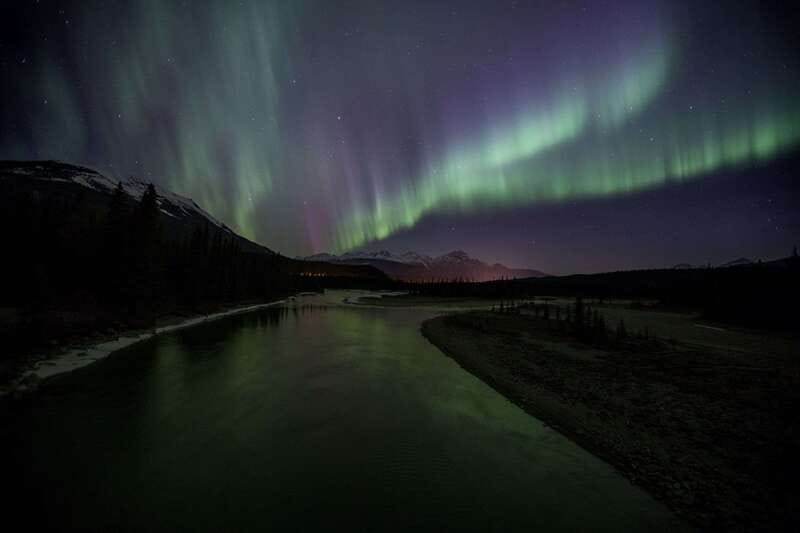
The Aurora Borealis receives more attention here than it does on many basic stargazing outings. You learn what causes the lights and how to photograph them. That practical photography advice is useful if you are hoping to capture auroras during the rest of your time in Jasper.
Seeing the Northern Lights is not guaranteed by this tour. The program teaches you how the phenomenon works, but it cannot promise an aurora on the night you attend. Keep that distinction clear when comparing the activity with a dedicated aurora-chasing excursion.
The meteorites and planetary samples add a strong hands-on element. You can touch specimens from space, including Moon and Mars rocks. That is a rare kind of contact with astronomy, especially for children who may find a physical rock more compelling than a distant object on a screen.
The samples are also valuable when the weather is poor. Instead of seeing only a presentation about faraway places, you get a direct object lesson in the material that reaches Earth or came from nearby worlds.
Same park country, a different day out:
- Jasper National Park: Maligne Lake Cruise With Guide
★ 4.7 · 896 reviews - Jasper Evening Wildlife Tour
★ 4.5 · 710 reviews - Jasper National Park: Evening or Morning Wildlife Watch Tour
★ 4.6 · 691 reviews - Jasper Wildlife & Sightseeing Tour with Maligne Lake Cruise
★ 5.0 · 603 reviews
Picking the right departure time
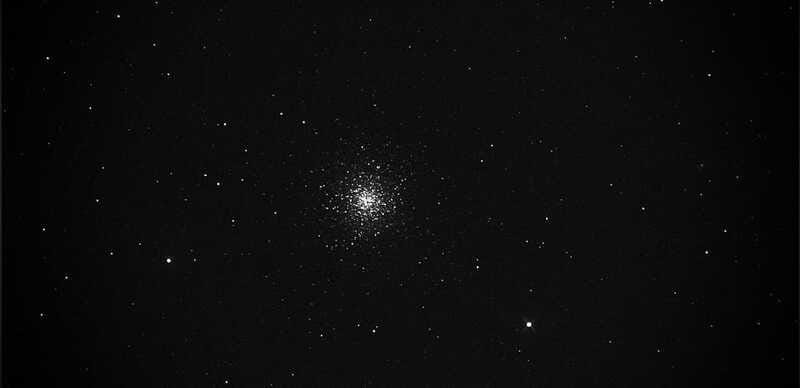
Pay close attention to sunset when choosing your time slot. A departure after sunset gives you a better chance of seeing a dark sky, especially during the brighter parts of the year.
This advice is especially important in summer. Jasper can remain light well into the evening, so a tour that begins before proper darkness may offer less time for night-sky viewing. The planetarium portion still works, but the outdoor telescope segment will benefit from every extra minute of darkness.
The time of year also affects comfort. In winter, thermal layers may be needed. Even in warmer months, outdoor viewing can feel chilly, particularly if you are standing still while waiting for your turn at a telescope. Bring weather-appropriate clothing rather than relying on the temperature you felt in town during the afternoon.
Rain, snow, wind, and cloud cover can all change the mood of the outdoor portion. The guides cannot control those conditions, so dress for being outside and think of the indoor presentation and cloudy-day program as important parts of the package, not mere substitutes.
Price and what the $61 covers
At $61 per person, the tour sits in the moderate range for a guided evening attraction. The price includes the planetarium admission, access to the optical telescopes, guide-led explanations, question time, and free parking at Jasper Park Lodge.
The value depends on what you want from the night. If you are mainly seeking a guaranteed view of a particular planet, the weather risk makes the price harder to justify. If you want a structured astronomy experience with a planetarium show, telescope access, aurora science, and real space rocks, the package offers more than a simple outdoor lookout.
The two-year rain check improves the value, but only if you can use it. Someone spending one night in Jasper cannot count on returning under better conditions. Someone with a longer stay has a better chance of making the second opportunity worthwhile.
Food and drink are not included. Have dinner before the tour or plan a meal separately. The experience lasts 90 minutes, so it is easy to fit around an evening meal, but you should not expect refreshments as part of the program.
Finding the meeting point at Jasper Park Lodge
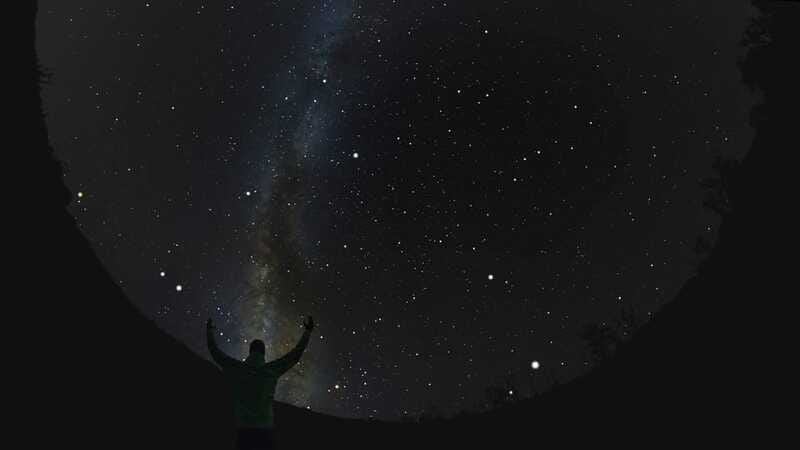
Check in 15 minutes before departure at the Planetarium Retail Desk inside the Main Lodge. Enter through the doors opposite the P1 parking lot, marked Shops and Spa. Once inside, walk straight past the front desk, and look for the retail desk in the southwest corner of the lobby, across from the Emerald Lounge.
If you drive, you can use any available space in parking areas P2, P3, or P4. P2 is the closest to the planetarium. Give yourself extra time to park and find the lodge, because late arrivals are not admitted once the tour is underway. A late arrival may be moved to the next available tour, which could be on another day.
This is also where the free parking becomes useful. You do not need to arrange a separate transfer based on the information provided, but you do need to reach the lodge on time and check in properly.
The experience is wheelchair accessible. Smoking, vaping, alcohol, drugs, intoxication, flash photography, indoor photography, and audio recording are not permitted. Unaccompanied minors are also not allowed.
Who will enjoy this tour most
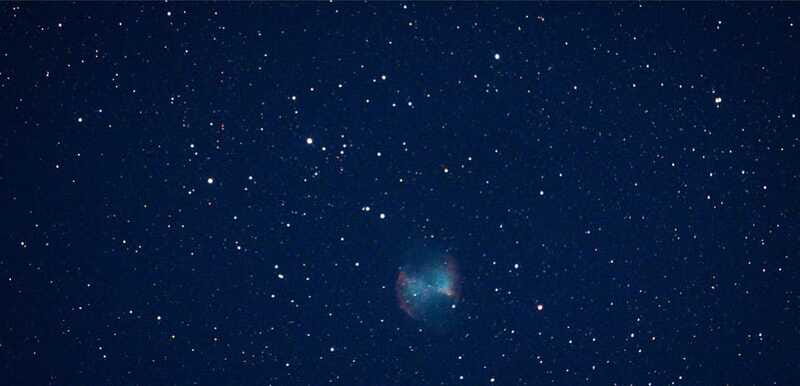
I would recommend this experience to families with children over four, first-time stargazers, couples seeking an evening activity, and anyone curious about auroras or space science. You do not need a background in astronomy. The live guide and question period make it easy to follow the material at your own level.
It is also a good choice if you want more than a silent look at the stars. The First Nations constellations, Milky Way presentation, aurora explanation, and rock samples give the evening several layers.
You should think twice if you dislike cold weather, have only one chance to see a specific planet, or expect a large observatory with a polished indoor visitor center. One rating found the facility less impressive than expected, and another found the tented setup less satisfying than the planetarium itself.
The staff can compensate for some of those limits. Their enthusiasm is frequently praised, and the guides answer questions with patience. Still, a friendly guide cannot make clouds disappear or turn a basic pavilion into a major science museum.
Should you book the Jasper Planetarium and Telescope Combo?
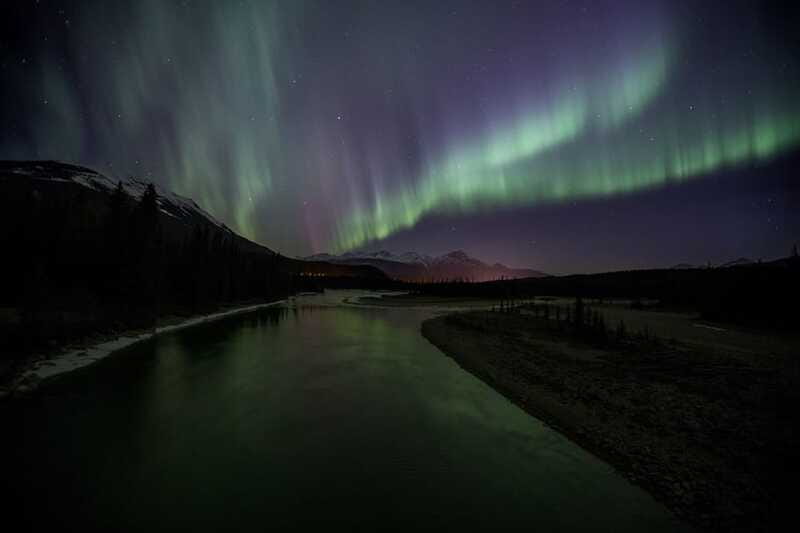
Book it if you want an accessible, well-organized introduction to Jasper’s night sky and you are comfortable with weather uncertainty. The best version of the tour includes a strong dome presentation, warm and clear explanations, hands-on space rocks, and a view of a planet or star cluster through a serious telescope.
Choose a time after sunset, wear warm layers, and keep your expectations flexible. The 4K backup program and two-year rain check make a cloudy night less wasteful, but neither one equals a clear-sky telescope view.
For most visitors, the $61 price is reasonable because the evening combines several activities rather than relying on one outdoor sighting. I would book it during a stay of several nights, when you have a real chance to use the rain check. If you are in Jasper for one evening only, book it for the astronomy content and the planetarium, not for a guaranteed view of a particular object.
FAQ
How long does the Jasper Planetarium and Telescope Combo Tour last?
The experience lasts 90 minutes, or one and a half hours.
Can I see stars if the weather is cloudy?
The tour continues with a cloudy-day program. You learn about auroras, handle Moon and Mars rocks and meteorites, and may see 4K screen captures of deep-space objects recorded with the site’s video telescope. The telescope portion also includes a two-year rain check for a return visit at no additional charge.
What time should I choose for the best night-sky views?
Choose a departure after sunset. This gives you a better chance of viewing a dark sky and nighttime objects.
Are children allowed on the tour?
The tour is open to all ages except children under four, who are not permitted inside the Planetarium Dome Theatre. Unaccompanied minors are not allowed.
Where do I check in?
Check in 15 minutes before departure at the Planetarium Retail Desk inside the Main Lodge at Jasper Park Lodge. Enter through the doors opposite the P1 parking lot, marked Shops and Spa.
Is the tour wheelchair accessible?
Yes, the experience is wheelchair accessible.
Just added around Jasper
- Sunwapta Challenge Whitewater Rafting in Jasper★ 4.8 · 31 reviews
- Jasper: Wildlife and Waterfalls Tour with Lakeshore Hike★ 4.7 · 239 reviews
- Jasper: Transfer to Banff/Lake Louise w/ Columbia Icefields★ 4.7 · 34 reviews
- Jasper: Winter Wildlife Bus Tour in Jasper National Park★ 4.6 · 93 reviews
- Jasper National Park Family Friendly Rafting Adventure★ 4.9 · 145 reviews
- Jasper: Downtown Foodie Tour★ 4.9 · 79 reviews
- Jasper: Maligne Valley Wildlife & Spirit Island Cruise★ 4.6 · 182 reviews
- Jasper: Canyon Run Family Whitewater Rafting★ 4.9 · 55 reviews
Jasper National Park Tours, compared.
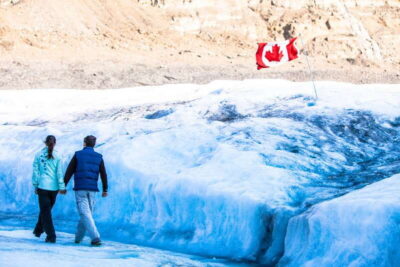
Columbia Icefield Skywalk and Ice Explorer Ticket
Read our review →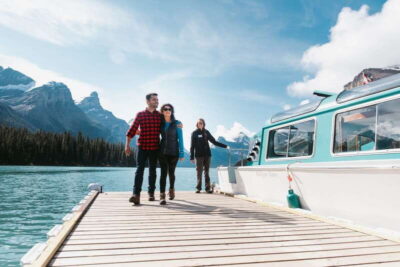
Jasper National Park: Maligne Lake Cruise With Guide
Read our review →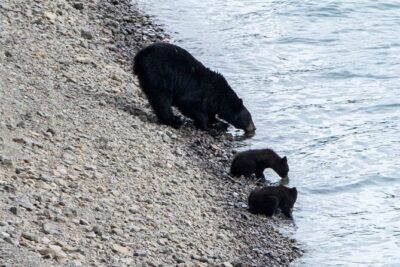
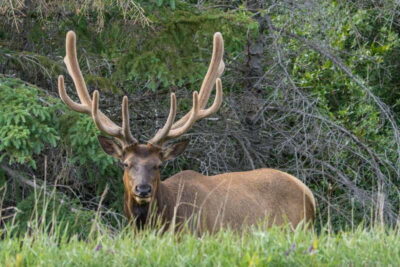
Jasper National Park: Evening or Morning Wildlife Watch Tour
Read our review →
Jasper Wildlife & Sightseeing Tour with Maligne Lake Cruise
Read our review →
Wildlife and Waterfalls Tour with Maligne Cruise
Read our review →
Jasper National Park Tour: Maligne Valley, Medicine Lake and Spirit Island
Read our review →Browse the lists this tour appears in