
Review · PORTUGAL
Lisbon: Tagus Estuary Nature Reserve Birdwatching Boat Tour
Lisbon’s biggest surprise may be just offshore: a vast estuary where mudflats, islands, and tidal channels support up to 200 bird species. This three-hour boat trip leaves the city behind quickly, taking you from Parque das Nações into the Tagus Estuary Nature Reserve, one of Europe’s important wetland areas.
I like the small group, limited to 10 people, and the way guide Carlos Cera combines bird identification with local knowledge of the river. I also like the chance to see Lisbon from the water without spending a full day away from the city. The main consideration is that wildlife is unpredictable, and summer can be quieter than the winter months. Fog, wind, or rough water can also force a cancellation.
Key things to know before you book
- The estuary is remarkably close to Lisbon: You can reach the meeting point at Parque das Nações, then be among mudflats and feeding birds within a short time.
- Carlos is the heart of the trip: He knows where to search, identifies birds in the field, and explains how tides and migration shape what you see.
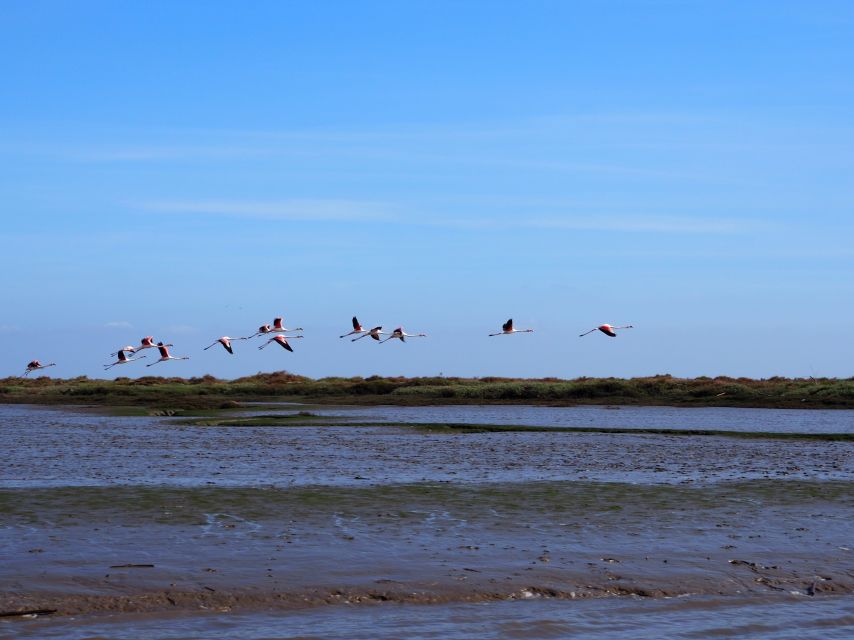
- Winter offers the biggest numbers: The estuary regularly holds around 120,000 wintering birds, while 12,000 flamingos were counted in 2024.
- The boat holds no more than 10 people: That gives you a better chance of hearing the guide and getting a clear view than on a large sightseeing cruise.
- Binoculars and safety equipment are supplied: Bring your own if you have them, but you do not need to own specialist gear to take part.
- Tide and weather matter: Low tide can expose feeding mudflats, while fog or poor sea conditions may change or cancel the trip.
Why the Tagus Estuary is such a good break from Lisbon
The Tagus Estuary measures about 32 square kilometers and is the largest estuary in western Europe. Its protected area covers roughly 14,000 hectares, a startling amount of open wetland so close to Portugal’s capital.
That proximity is the real appeal. You do not need to arrange a long transfer into the countryside or sacrifice a whole day of sightseeing. From the modern Parque das Nações district, the boat heads toward quieter water, broad mudflats, islands, and tidal channels.
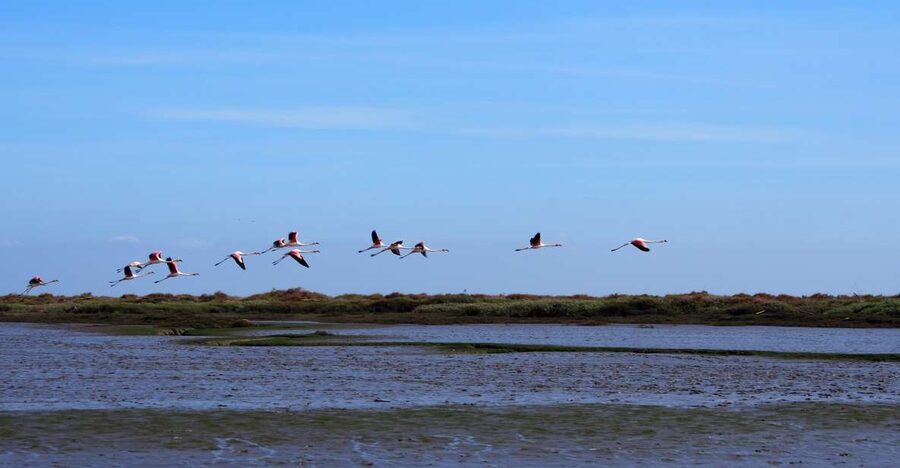
The reserve supports resident birds as well as migrants. Depending on the month, you might see flamingos, spoonbills, avocets, glossy ibis, herons, egrets, marsh harriers, osprey, terns, and other waders. The exact list changes with the season, tide, and weather, so this is best approached as a wildlife outing rather than a guaranteed checklist.
I especially like that the trip gives you two experiences at once. You get serious birdwatching, but you also get a fresh view of Lisbon’s bridges, waterfront, and city edge. For someone spending several days among museums, tiled streets, and crowded viewpoints, a quiet morning on the river can be a welcome change of pace.
More Nature Reserve Tours in Portugal:
- Madeira: Garajau Nature Reserve Kayak and Snorkel Tour
★ 4.1 · 906 reviews - Funchal: Kayak & Snorkeling in Garajau Nature Reserve
★ 4.4 · 68 reviews - Inside Vila Franca Islet: Guided Nature Reserve Eco Tour
★ 4.4 · 42 reviews
Starting beside Onda Luso-Americana
The meeting point is next to the Onda Luso-Americana artwork in Parque das Nações. The area is served by the metro, and the location is straightforward to reach compared with many countryside wildlife tours.
After meeting Carlos and the group, you receive a safety briefing of about 15 minutes. Life jackets are worn, and the guide explains what to expect on the boat and on the water. This is a useful start, particularly if you have not taken a small boat into an estuary before.
The boat is described in the trip information as a small speedboat, with room for a maximum of 10 participants. That size keeps the outing personal and makes it easier for Carlos to respond to the group. Birdwatchers with long experience and families with children can share the same trip, and Carlos can adjust his explanations to the people aboard.
You should arrive in comfortable clothes and shoes, with a jacket even on a warm Lisbon day. The open water can feel cooler than the city, and conditions can change. Sunglasses, a camera, biodegradable sunscreen, and weather-appropriate clothing all make sense.
Leaving Parque das Nações by boat
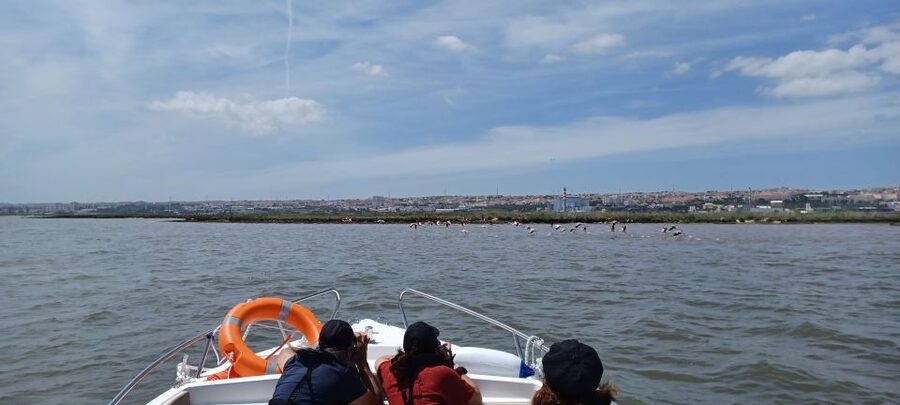
The first cruise section takes you past Parque das Nações, the redeveloped waterfront district built for Expo 98. From the river, its modern architecture looks different from the street-level view, and you get a sense of how much Lisbon faces the Tagus.
This part is less about rare birds and more about settling into the boat. Carlos points out the surroundings, explains the river, and helps you begin watching the water and shore. The boat ride also gives you a gradual transition from city sightseeing to wetland wildlife.
Bring binoculars if you own a good pair, but binoculars are provided. A bird book or visual guide may also be available, though one past participant felt that more binoculars and visual guides would improve the setup. If bird identification is your main goal, having your own equipment gives you more freedom when several birds appear at once.
Passing Bairro dos Pescadores
The route continues by Bairro dos Pescadores, a reminder that the Tagus is not simply a scenic backdrop. Fishing communities and working waterfront areas are part of the river’s identity, and this section adds a human element before the boat reaches the reserve.
Carlos also discusses the connection between the estuary, Lisbon, and local life. That helps place the bird habitat in context. The birds are not being viewed in an isolated park with no nearby city. They live in a working estuary shaped by tides, boats, settlements, and conservation efforts.
This part of the cruise may be more about views than close bird sightings, but it keeps the trip varied. You are not staring through binoculars for three straight hours, which makes the experience easier for casual birdwatchers and families.
Same park country, a different day out:
- Waterfall, Lagoon and Old Village in Peneda-Gerês National Park
★ 5.0 · 1,132 reviews - From Porto: Peneda-Gerês National Park Tour with Lunch
★ 4.9 · 1,128 reviews - Small Group Geres National Park Full Day with picnic from Porto
★ 5.0 · 846 reviews - From Porto: Hike & Swim in Gerês National Park
★ 4.8 · 452 reviews
Spending two and a half hours in the nature reserve
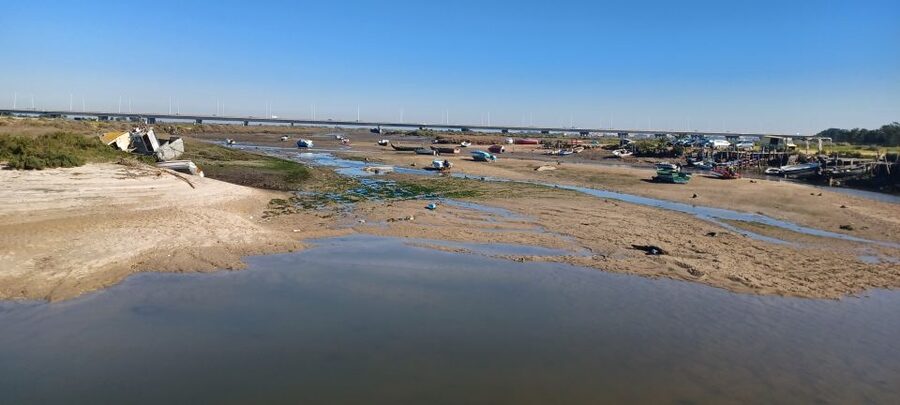
The main portion of the trip lasts about two and a half hours in the Tagus Estuary Nature Reserve. Here, the scenery opens up. Mudflats and shallow water create feeding grounds for waders, while islands and marshy edges offer places for birds to rest and hunt.
The tide is one of the most useful things to understand before booking. When mudflats are exposed, birds can gather to feed. One particularly strong outing used the changing tide to reach freshly exposed mud at the right time, when birds arrived to feed. You cannot control nature, but checking the tide before selecting a departure can improve your chances.
Carlos’s role matters here. He does not simply drive around and hope something appears. He looks for movement, knows the usual habitats, and helps you work out what you are seeing. His explanations include bird names, migration patterns, habitats, and behavior.
You might see large groups of flamingos, especially during the cooler months. In 2024, around 12,000 flamingos were counted in the estuary, though that does not mean every trip will produce a flock of that size. Even a smaller group can be memorable when viewed from the water.
Spoonbills and avocets are other likely highlights. Their shapes are easy to remember: spoonbills sweep their unusual bills through shallow water, while avocets use long, upturned bills across the mud. Glossy ibis, purple herons, little and cattle egrets, little terns, and marsh harriers have also been seen on trips at different times of year.
Osprey and other birds of prey add excitement because they may appear briefly, crossing the water or hunting over the islands. Black-winged stilts are another striking sight, with long pinkish-red legs that make them easy to pick out once Carlos shows you where to look.
The best trips have produced more than 20 species in three hours, and some have reached over 30. That is not a promise, but it gives you a useful sense of the reserve’s potential. In quieter periods, you may see fewer birds, particularly during nesting and breeding months when many migrants have moved on.
Mouchao da Povoa and the wider wetland
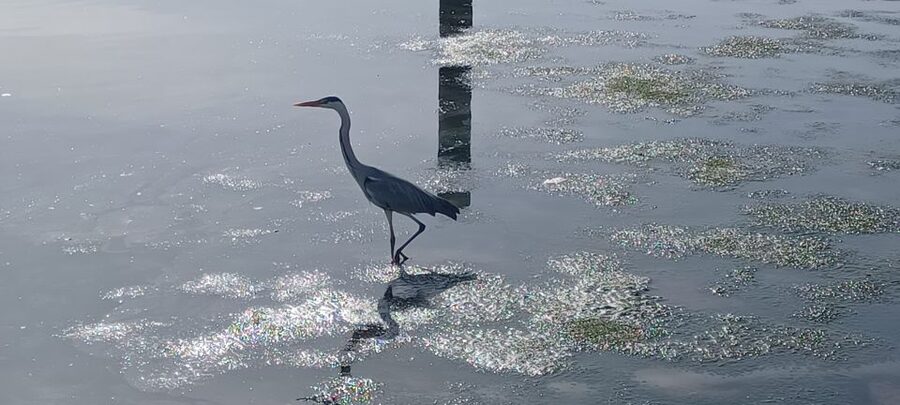
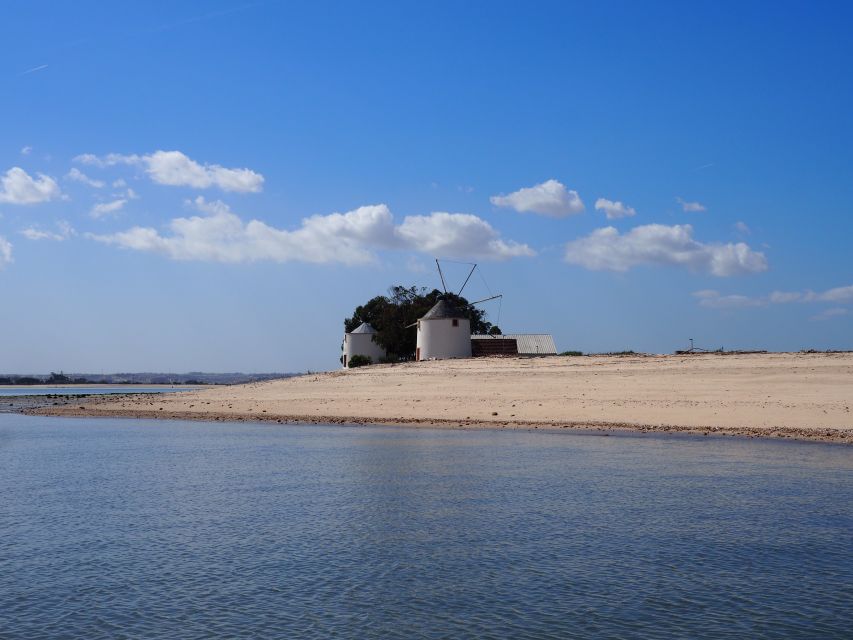
The boat passes Mouchao da Povoa, an important part of the estuary’s open wetland setting. You continue looking for birds on the water, along the islands, and across exposed mud.
This is where patience helps. The boat may slow or change direction so you can watch a bird properly and take photographs without getting too close. Carlos’s approach is respectful of the wildlife, and that matters in a protected area. Good birdwatching is not about chasing animals into flight for a better picture.
The water also gives you room to appreciate the scale of the estuary. From the boat, the reserve can feel far removed from Lisbon, even though the city remains close. That contrast is one of the trip’s strongest features.
For photographers, conditions are best when the water is calm and visibility is good. A calm day gives you steadier views and better reflections, while wind or haze can make small birds harder to follow. Bring a camera, but do not let it distract you from watching. Some sightings may last only a few seconds.
Passing beneath the Vasco da Gama Bridge
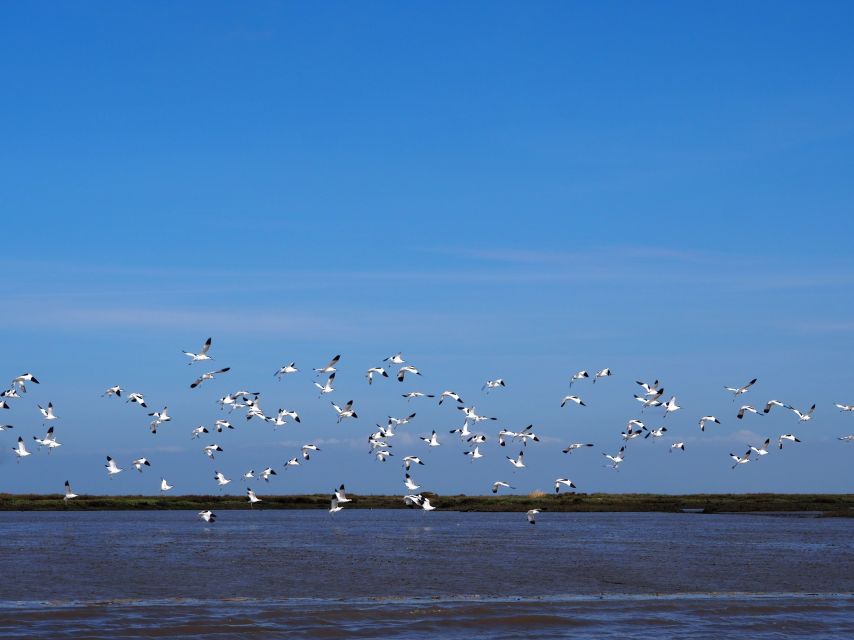
The Vasco da Gama Bridge provides a dramatic closing view before the boat returns. It crosses the wide Tagus and gives you a clear sense of the river’s scale.
The bridge is not the main reason to book this outing, but it rounds out the cruise. You get wildlife, wetland scenery, working river views, and one of Lisbon’s major modern landmarks in a single morning or afternoon.
The return to Onda Luso-Americana completes the three-hour experience. Since there is no hotel pickup or drop-off, you will need to arrange your own way to and from Parque das Nações. The metro makes the meeting point practical for many people staying in Lisbon, but allow time to find the artwork before the briefing.
What the $58 price includes
At $58 per person, this is not the cheapest way to spend three hours in Lisbon, but the price covers more than a basic boat ride. Fuel, operating fees, insurance, a life jacket, binoculars, and a small-group guide are included.
The limit of 10 participants is important to the value. On a large sightseeing vessel, you might see the river but struggle to hear a guide or follow a small bird. Here, Carlos can identify birds for the group, answer questions, and adjust the route within the conditions of the day.
There is no food or drink included, and lunch is not part of the ticket. You are welcome to bring a picnic, but plan it for before or after the cruise unless the operator gives you different instructions. A bottle of water and a snack are sensible additions.
Languages offered include Portuguese, English, Spanish, and French in the activity information, with live guiding specifically listed in Portuguese, English, and Spanish. Confirm your preferred language when booking if it matters to you.
The flexible booking terms also reduce some risk. You can cancel up to 24 hours ahead for a full refund, and you can reserve now and pay later. If fog or poor sea conditions force a cancellation and you cannot reschedule, you are refunded in full.
Best months, weather, and realistic expectations
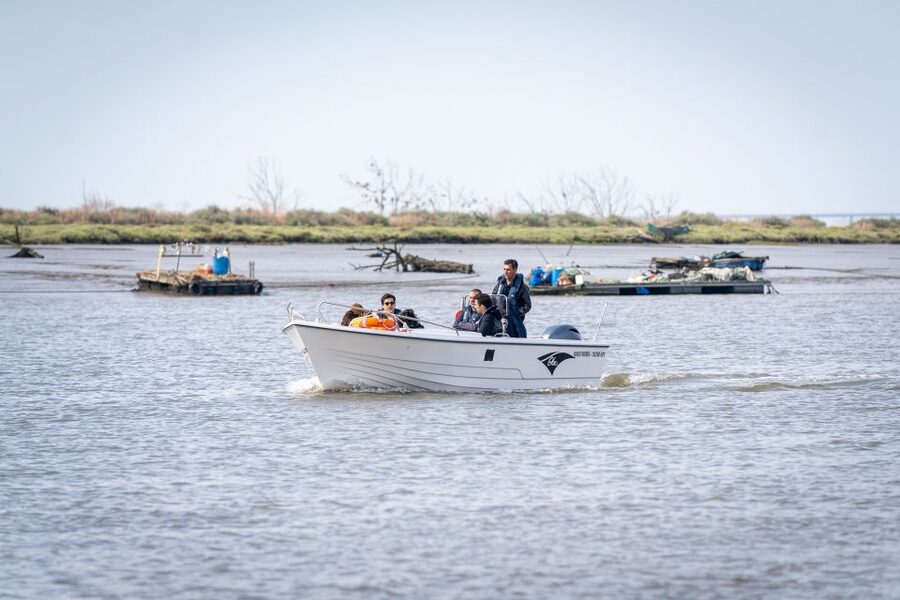
Winter is the strongest season if your priority is bird numbers. The estuary’s regular winter population reaches about 120,000 birds, and migration can create large gatherings of waders and waterfowl.
Spring and summer can still be rewarding. You might see breeding birds, herons, stilts, egrets, terns, and other species, but the total count may be lower after winter migrants depart. A quieter season does not make the trip pointless, especially if you value calm water and a less crowded experience.
Autumn can bring migration, including impressive movements of ibis and other birds. October outings have produced flamingos, osprey, marsh harriers, spoonbills, and many waders. November can offer calm conditions and strong bird numbers.
No month guarantees a particular sighting. Foggy mornings and unexpected weather can lead to a last-minute cancellation. The operator aims to contact you within 24 hours if a trip is expected to be called off, but conditions can change quickly. Safety comes first on an open-water tour.
Who will enjoy this boat trip most
You do not need to be an expert birder. Carlos explains what you see, and the small group makes it easy to ask basic questions without feeling out of place.
The trip suits:
- Dedicated birdwatchers building a Portugal list
- Photographers looking for wildlife and river views
- Families who want an outdoor activity without a long walk
- Couples seeking a quiet break from central Lisbon
- Visitors who enjoy nature but have limited time
- Anyone curious about the Tagus beyond its bridges and waterfront
The tour may be less suitable if you need a fixed sightseeing schedule or guaranteed access to a particular bird. Wildlife watching requires patience, and the weather can alter the plan. It is also not a lunch cruise or a leisurely city cruise with onboard catering.
Should you book the Tagus Estuary tour?
I would book this if you want to add a genuine nature experience to a Lisbon city break. The strongest reasons are the reserve’s proximity to the city, the small boat, the supplied binoculars, and Carlos’s ability to read the river and find birds.
Book in the cooler months if bird numbers are your main goal, and check the tide before choosing a departure. If you visit in summer, keep expectations flexible, but know that the estuary can still produce herons, stilts, ibis, terns, and birds of prey.
At $58, the trip offers good value for a specialized three-hour outing, especially for birdwatchers and photographers. For a relaxed view of Lisbon from the Tagus, it is also a fine choice even if you cannot tell an avocet from an egret when you arrive.
FAQ
Where does the Tagus Estuary birdwatching tour meet?
The meeting point is next to the Onda Luso-Americana artwork in Parque das Nações, Lisbon.
How long does the boat tour last?
The activity lasts three hours, including the safety briefing and the cruise through the Tagus Estuary.
How many people can join the tour?
The group is limited to 10 participants.
What languages are available?
Tours are offered in Portuguese, English, Spanish, and French. Live tour guiding is specifically listed in Portuguese, English, and Spanish.
Are binoculars provided?
Yes. Binoculars are included, though you may bring your own if you prefer.
Is a life jacket included?
Yes. Life jackets are included, and participants wear them on the boat.
Is food included in the price?
No. Food and drinks are not included. You may bring a picnic if you prefer.
Can children join the tour?
The experience is described as family-friendly, and children have taken part. The supplied information does not state a minimum age.
What should I bring?
Bring identification, comfortable shoes, sunglasses, a camera, biodegradable sunscreen, a jacket, comfortable weather-appropriate clothing, and binoculars if you have them.
What happens if the weather is bad?
Boat trips depend on weather and sea conditions. Fog or other unsafe conditions can lead to cancellation. You will be contacted if cancellation is expected, and you receive a full refund if you cannot reschedule.
Just added around Portugal
- Ria Formosa National Park Segway Tour & Seafood Lunch★ 4.8 · 20 reviews
- Porto: Peneda-Gerês National Park Tour with Kayaking & Lunch★ 4.9 · 385 reviews
- Porto: swimming, hiking, picnic in Gerês National Park★ 4.8 · 65 reviews
- Olhão: Ria Formosa National Park and Islands Boat Cruise★ 4.7 · 91 reviews
- Inside Vila Franca Islet: Guided Nature Reserve Eco Tour★ 4.4 · 42 reviews
- From Porto: Small Group Day Tour of Geres National Park★ 4.8 · 379 reviews
- Funchal: Kayak & Snorkeling in Garajau Nature Reserve★ 4.4 · 68 reviews
- From Porto: Gerês National Park Canyoning Trip★ 5.0 · 407 reviews
Portugal National Park Tours, compared.

Waterfall, Lagoon and Old Village in Peneda-Gerês National Park
Read our review →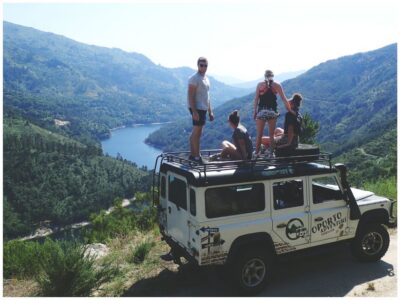
From Porto: Peneda-Gerês National Park Tour with Lunch
Read our review →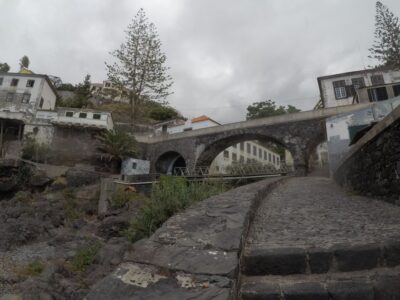
Madeira: Garajau Nature Reserve Kayak and Snorkel Tour
Read our review →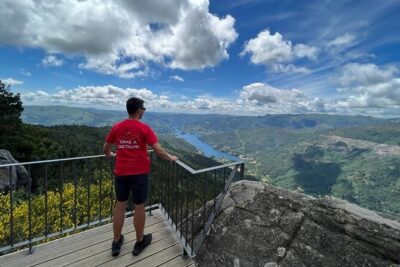
Small Group Geres National Park Full Day with picnic from Porto
Read our review →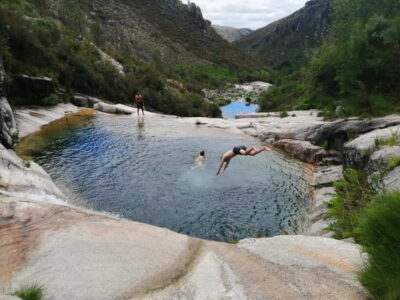
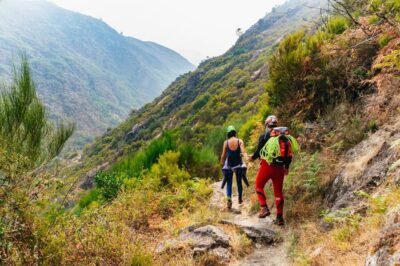
From Porto: Gerês National Park Canyoning Trip
Read our review →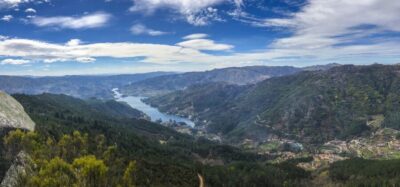
Porto: Peneda-Gerês National Park Tour with Kayaking & Lunch
Read our review →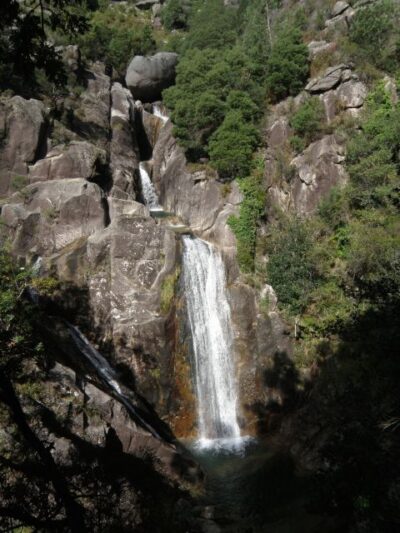
From Porto: Small Group Day Tour of Geres National Park
Read our review →Browse the lists this tour appears in