
Review · THAILAND
Phuket Elephant Nature Reserve – Half Day Elephant Adventure
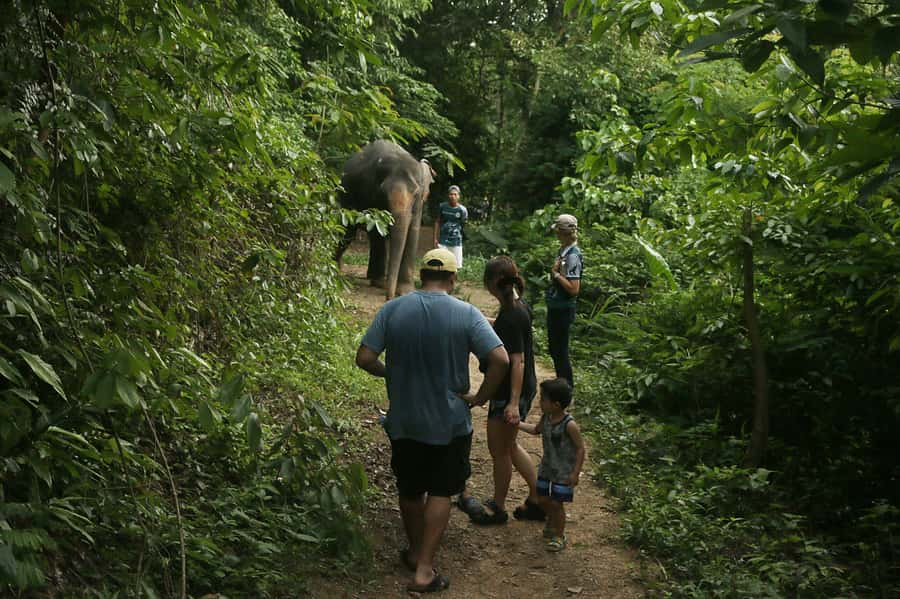
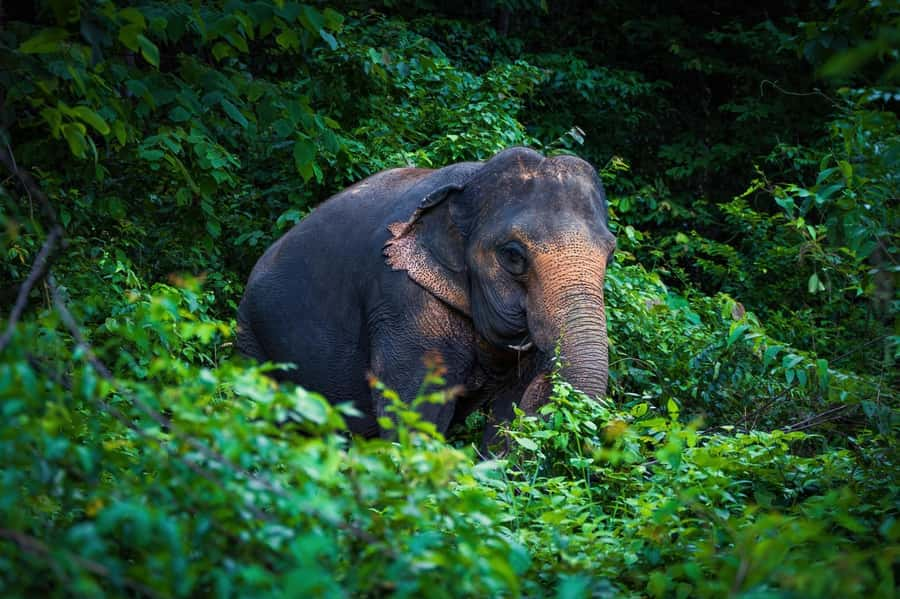
Phuket Elephant Nature Reserve puts elephant welfare first: no riding, no bathing, no chains, and no touching. You watch five rescued elephants, including Lotus, Bow, Thonglor, Nong Tang, and Mae Boon Lai, move through jungle paths and natural ponds at their own pace.
I like the calm observation style and the useful extras. Making vitamin balls gives you a small role in daily care, while the dung-paper demonstration and Thai cooking class make this more than a quick photo stop. The main drawback is simple: if you want to bathe or feed an elephant by hand, this is not that kind of outing.
I also like the compact four-hour format, the vegetarian lunch, and the clear welfare standards. Guide Mike has earned particular praise for his informative and friendly approach. Bring shoes with a good grip, though, since the forest paths are uneven and this program is not suitable for wheelchair users or people with mobility impairments.
Key points to know before you book
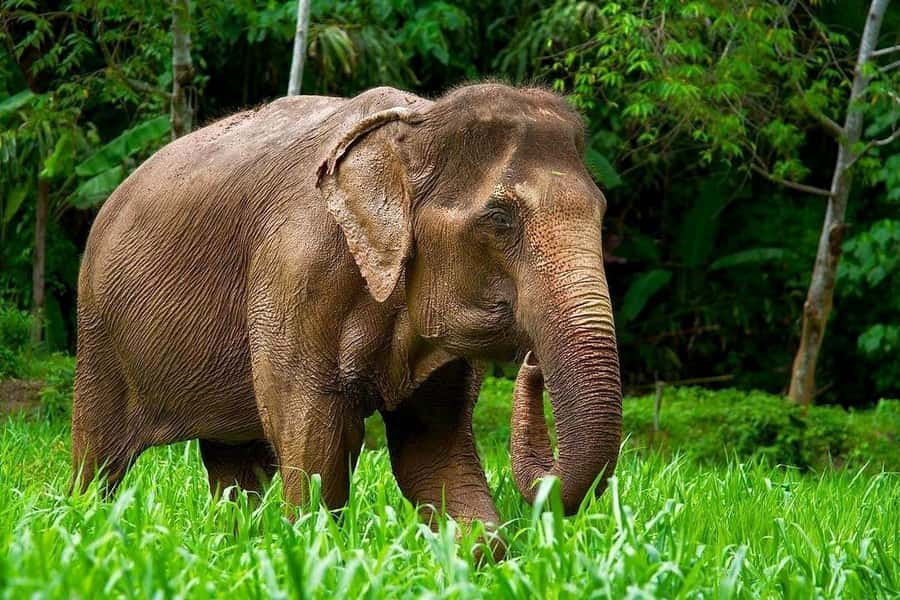
- Five rescued elephants live here: Lotus, Bow, Thonglor, Nong Tang, and Mae Boon Lai came from trekking, logging, and street begging backgrounds.
- The contact policy is strict: You watch from a respectful distance, with no riding, bathing, touching, or chains.
- The program has useful hands-on work: You prepare natural vitamin balls that support elephant health and encourage foraging.
- You get more than elephant viewing: The visit includes a dung-paper demonstration, Thai cooking class, vegetarian lunch, and drinks.
- Independent welfare checks matter: The reserve reports SGS Thailand and ACES audit distinctions, along with certification from the Phuket Regional Livestock Office.
- The visit supports ongoing care: Your payment helps cover food, veterinary treatment, and future rescues.
A hands-off sanctuary with a clear purpose
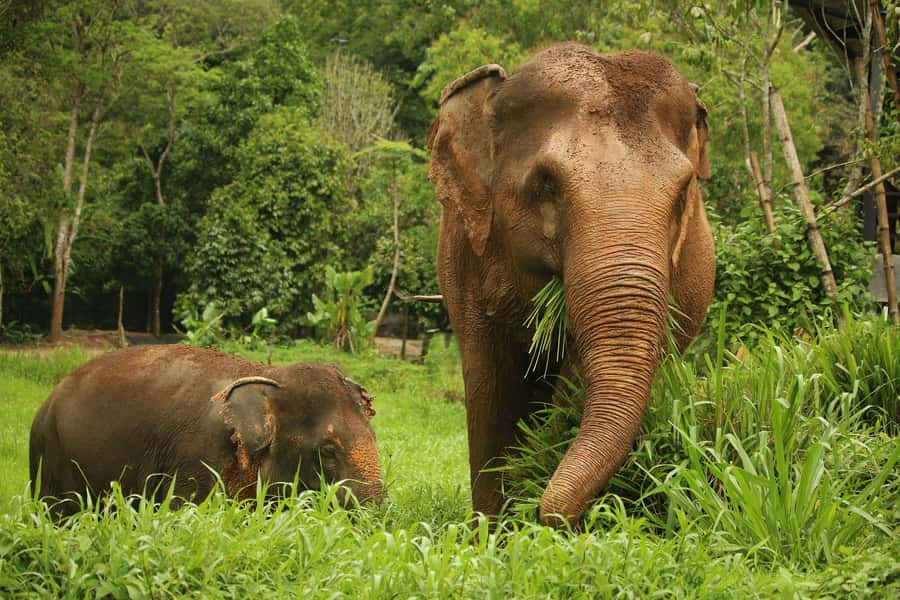
The best part of this experience is also the part some people need to understand before booking. You are not promised a personal elephant encounter. You are offered a chance to watch elephants behave more naturally, without asking them to perform for a crowd.
That means no sitting on an elephant, no bathing session, and no touching. The reserve asks you to keep a respectful distance, and the guide explains why. Elephants can forage, dust-bathe, socialize, and wander without being pulled into a fixed routine for photographs.
I see this as a strong choice for anyone who wants an ethical elephant experience in Phuket. It does not remove every question that comes with keeping rescued elephants in a sanctuary, but the rules here are clear and welfare-led. The reserve reports accreditation from the Phuket Regional Livestock Office, a 98 percent SGS Thailand distinction, and an 86 percent ACES distinction. It is also a member of WISE and WARN Asia.
The reserve opened in 2019 and cares for five elephants. Its awards and high public ratings add useful context, but I would focus less on the labels and more on the practical policy: no riding, no bathing, no forced contact, and no chains.
More Elephant Safaris in Thailand
- Khao Lak: Khao Sok Bamboo Rafting and Elephant Bathing Trip
★ 4.8 · 719 reviews - Khao Sok: Elephant Rescue Center with Lunch & Bamboo Rafting
★ 4.8 · 306 reviews - Phuket: Elephant Nature Reserve Entry Ticket and Guided Tour
★ 4.9 · 223 reviews
Starting with safety, stories, and five rescued elephants
Your 210-minute visit starts at Phuket Elephant Nature Reserve. Arrive 15 minutes early for check-in, especially if you are making your own way there. Free parking is available on site.
The first 15 minutes are a safety briefing and orientation. Your English or Russian-speaking guide introduces the reserve’s mission and explains the rules around distance, movement, and animal contact. This opening is important because it sets expectations before you reach the elephants.
You also hear how Lotus, Bow, Thonglor, Nong Tang, and Mae Boon Lai came to the reserve. Their backgrounds include trekking, logging, and street begging. That context helps you understand why the reserve does not treat the elephants as entertainment props.
I like this early explanation. It gives the visit some meaning before the camera comes out. It also helps families understand that the children may see elephants up close, but they cannot rush over, touch them, or call them toward the group.
Watching elephants behave like elephants
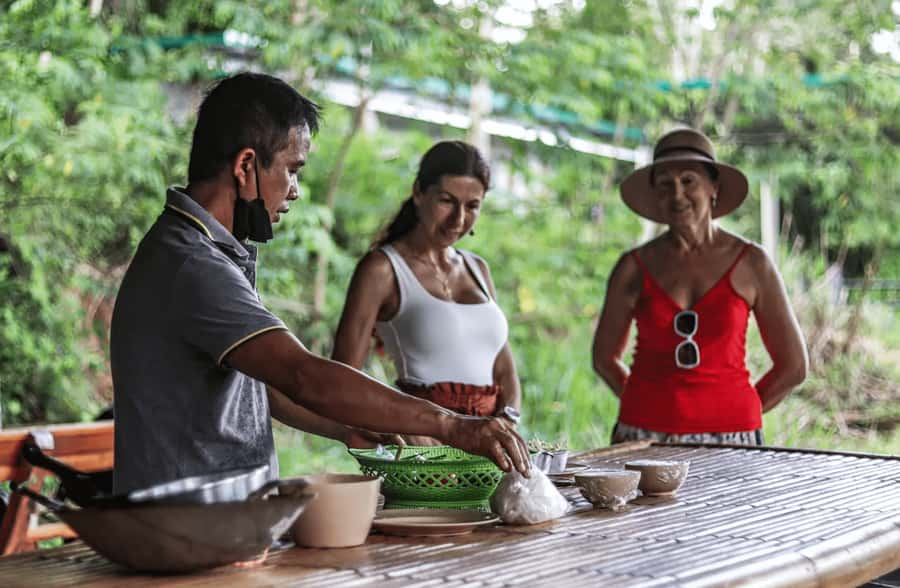
The wildlife viewing portion lasts about 55 minutes. You follow shaded jungle trails and watch the elephants forage, dust-bathe, and socialize. Natural ponds and forest cover give the setting a quieter feel than a standard animal show.
This is an observation-led experience, so patience matters. An elephant may be busy eating, wandering, or standing still when you arrive. You cannot count on a dramatic action at a precise moment. That is part of the point, but it can be a drawback if you want a tightly staged program.
Your guide explains elephant diet, communication, and behavior as you walk. The useful detail here is not simply identifying each animal. You learn to watch body movement, feeding habits, and social behavior while keeping your own presence low-key.
One practical note: the phrase hands-off really means hands-off. You may see the elephants at a close enough distance to appreciate their size and character, but you should not touch them. Food is prepared by staff, and the visit does not turn feeding into a personal-contact activity.
A previous morning visit began punctually at 9 a.m., with guide Mike leading the group. His calm and informative approach was singled out as a strong part of the experience. If your visit is led by someone else, the guide language is still listed as English or Russian.
Making vitamin balls for elephant care
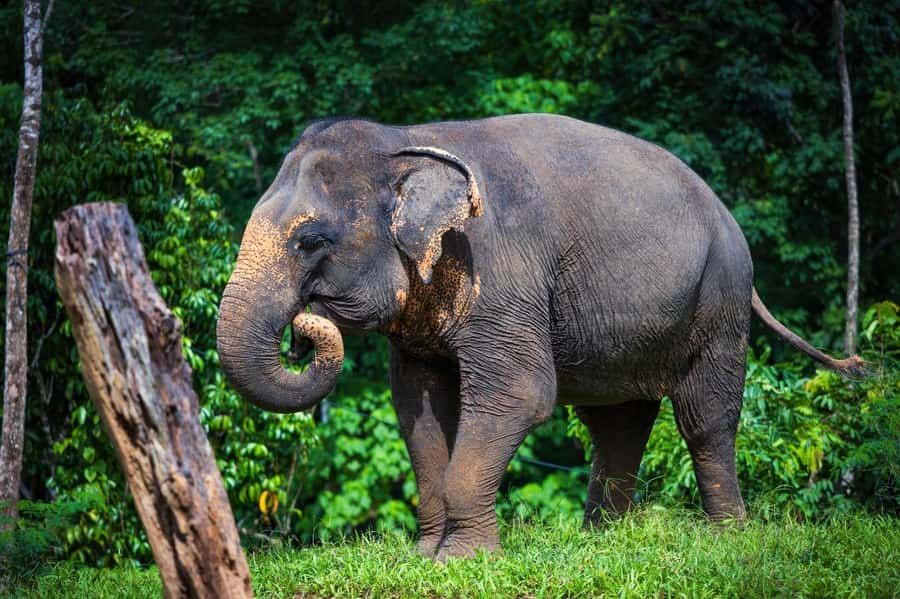
The 20-minute workshop gives you a simple job: prepare natural vitamin balls used by the carers. These support health and encourage natural foraging behavior.
I like this activity because it connects your visit to routine care. You are not just watching from a path and leaving. You see one small way food can be prepared with the elephants’ needs in mind.
Still, keep the scale of the activity in perspective. This is a short workshop, not a veterinary class or a full volunteer shift. Its value comes from understanding the care process, not from personal access to the animals.
The workshop also suits families well. Children can take part in a task with a clear purpose, while adults get a better sense of how food and enrichment fit into an elephant’s daily life. The reserve has a children’s play area on site, too.
Same park country, a different day out:
- Chiang Mai: Doi Inthanon National Park Eco-Friendly Tour
★ 4.6 · 6,667 reviews - Doi Inthanon Waterfall and Royal Project Chiang Mai
★ 5.0 · 1,735 reviews - Grand Canyon Water Park Ticket
★ 4.8 · 1,171 reviews - From Khao Lak/Khao Sok: Cheow Lan Lake and Emerald Pool Tour
★ 4.8 · 1,007 reviews
Turning elephant dung into useful paper
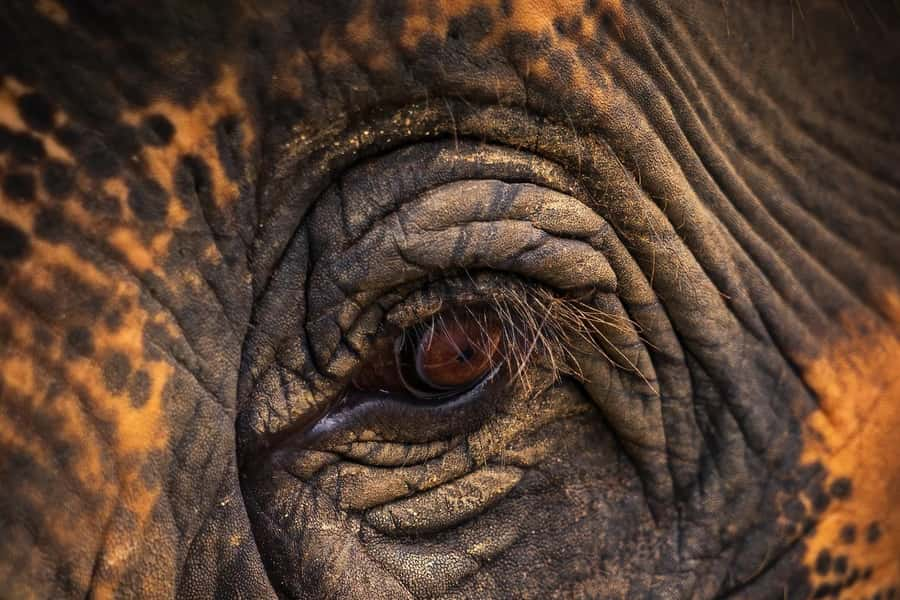
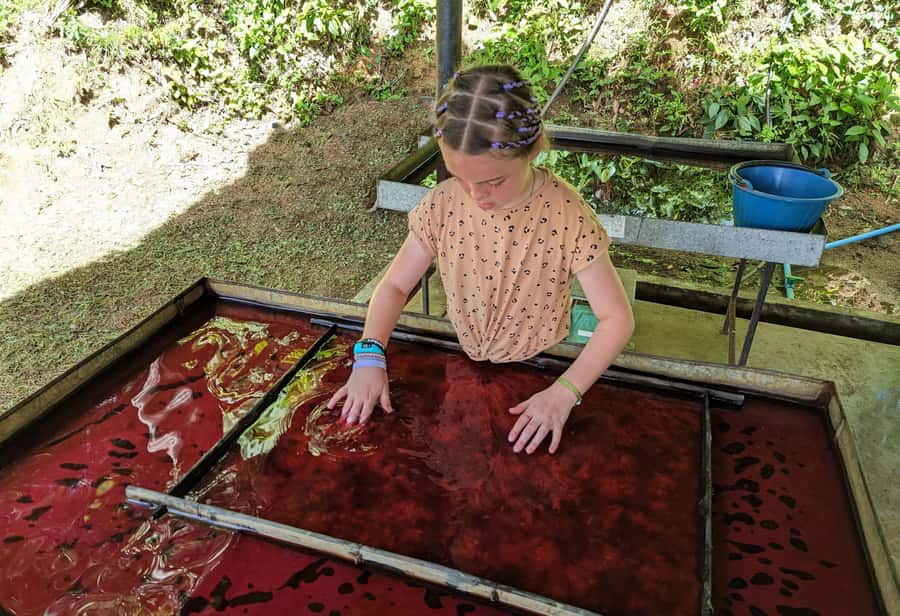
The guided tour continues with a visit to the Elephant Dung Recycling Center. Here you see how dung is turned into eco-paper and sustainable souvenirs.
This is one of the more memorable details of the program because it links animal care to waste reduction. Elephants eat large amounts of plant material, and their dung can be reused rather than treated only as waste. The demonstration gives you a practical conservation lesson without asking you to buy anything.
You may also find souvenirs made through this process, but personal purchases are not included. Alcoholic drinks and other personal expenses are also outside the tour price.
The recycling stop is brief, at around 45 minutes within the guided tour section, but it helps break up the elephant viewing. For me, it makes the reserve feel like a working care center with several environmental goals, not simply a place built around photographs.
A short Thai cooking class with a useful payoff
The Thai cooking class lasts about 20 minutes, with a 15-minute class segment listed as part of the program. At the open-air Elephant Kitchen, you learn to prepare a classic vegetarian or vegan dish such as Tom Yum or Pad Thai.
This is a smart addition. You get a local food lesson, then you eat the result as part of lunch rather than watching a cooking display with no follow-through. The cooking portion is short, so think of it as an introduction rather than a full Thai culinary course.
Lunch lasts about 30 minutes and is vegetarian, with a vegan option available if you request it in advance. Coffee, tea, and drinking water are included, and refill stations help reduce single-use plastic.
I would tell you to mention allergies and dietary needs when booking. The menu is designed around vegetarian food, but advance notice is still the sensible move for any allergy or special requirement.
The jungle setting adds atmosphere, but do not expect a long restaurant stop. The meal is part of a compact sanctuary program, and the cooking class works best as a pleasant close to the educational portion.
What the price includes at $96
At $96 per person, this is not the cheapest elephant outing in Phuket. The price makes more sense if you value welfare standards, a small-group format, a guide, lunch, and several educational activities in one visit.
Your fee covers entry, the English or Russian-speaking guide, safety and welfare orientation, jungle observation, the vitamin-ball activity, dung-paper demonstration, Thai cooking class, vegetarian lunch, tea, coffee, water, and accident insurance.
It also helps pay for elephant food, veterinary care, and future rescues. I would treat that as part of the value, not as a promise that every dollar goes directly to animal care. The practical benefit is that you are paying for a structured visit built around care rather than a performance.
The price does not cover hotel transfers, souvenirs, alcoholic drinks, or other personal spending. Round-trip hotel transfer is available from most areas of Phuket as an option at checkout, so check the final booking details before assuming transport is included.
Free parking is available if you drive yourself. Either way, allow extra time to arrive 15 minutes before the start.
How the four-hour schedule feels
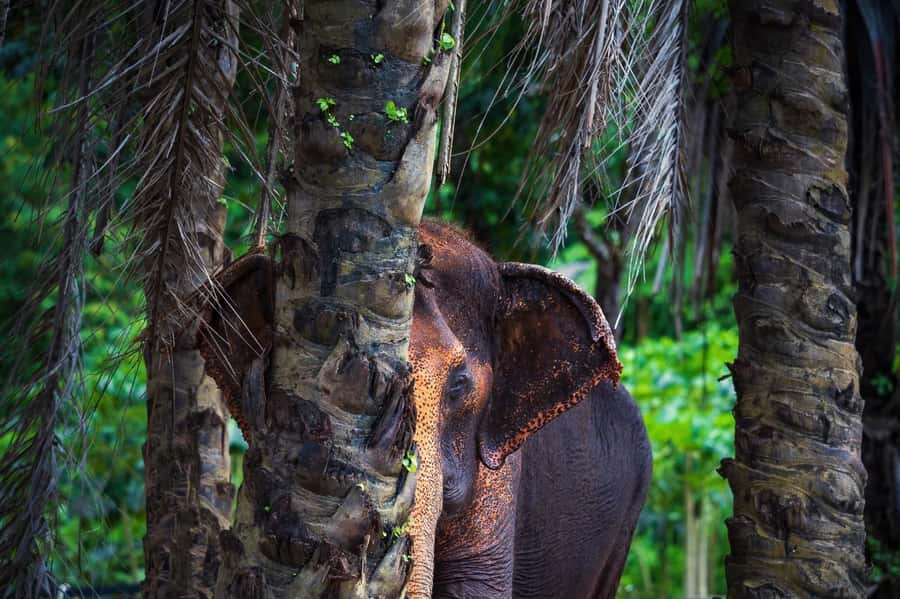
The full visit lasts 210 minutes, or three and a half hours. That is long enough to include several parts without taking up an entire day in Phuket.
The schedule moves through:
- 15 minutes for safety and orientation
- 55 minutes of wildlife viewing
- 20 minutes preparing enrichment
- 45 minutes of guided touring
- 15 minutes for the class portion
- 10 minutes for photographs
- 20 minutes of cooking
- 30 minutes for lunch
The time is not all spent walking. That helps if you want an educational visit but do not want a full-day excursion. You should still expect gentle walking on uneven jungle paths, along with heat, sun, and insects.
The 10-minute photo stop comes at the end. Photographs are taken from a respectful distance, so you should not expect a close-up animal portrait with physical contact. The result is less staged and more consistent with the reserve’s rules.
Weather, clothing, and comfort
Wear closed-toe shoes or sandals with good grip. The paths are described as uneven, so flip-flops are a poor choice even if the weather is dry.
Lightweight clothing works well in warm conditions. Long trousers and sleeves offer extra protection from sun and insects. Bring sunglasses, a sun hat, biodegradable sunscreen, and insect repellent.
From May through October, pack a light rain jacket. Umbrellas are available if needed, but rain can still make a jungle path less comfortable. A reusable water bottle is useful because refill stations are provided and the reserve follows a plastic-free approach.
The program is not suitable for wheelchair users or people with mobility impairments. If you have difficulty walking on uneven paths, I would choose a different activity rather than assume the reserve can adapt the route.
Children are welcome, and the on-site play area is helpful for families. The no-touch policy is also a useful rule for young visitors because it teaches them to observe wildlife without treating it like a petting zoo.
Who will enjoy this experience most
I would choose this half-day visit if you want:
- A welfare-focused elephant program with no riding or bathing
- A shorter activity that leaves much of the day free
- A guide-led explanation of elephant behavior and rescue
- A vegetarian or vegan meal
- A family-friendly outing with educational elements
- A visit that supports food, veterinary care, and future rescues
I would not choose it if your main goal is physical contact. The entire experience is designed to prevent touching, and that is not something likely to change on the day.
I would also think twice if you dislike walking on uneven ground, need wheelchair access, or want a quiet wildlife sighting with no workshop or meal. The added activities are part of the value, but they will not suit everyone.
Should you book Phuket Elephant Nature Reserve?
I would book this experience if you want to see rescued elephants without asking them to perform. The strongest points are the hands-off policy, the calm forest observation, the clear welfare education, and the useful extras that turn a short visit into a fuller look at sanctuary life.
The 4.9 rating from 20 reviews fits the experience’s best qualities: punctual organization, a calm reserve, friendly guiding, and a good lunch. Guide Mike has received particular praise for being informative and kind in his approach.
Just make the right choice for your expectations. You will not ride, bathe, touch, or handle the elephants. You will watch them forage and socialize, prepare enrichment, learn about dung-paper recycling, cook a Thai dish, and eat a vegetarian meal.
For many people, that is the better kind of elephant encounter. At $96, it is a fair value when you want an ethical, organized half-day with food and education included, and when you are happy to let the elephants set the pace.
FAQ
How long does the Phuket Elephant Nature Reserve experience last?
The program lasts 210 minutes, or three and a half hours. You should arrive 15 minutes before your chosen start time for check-in.
Can I ride, bathe, or touch the elephants?
No. The reserve is fully hands-off. Riding, bathing, touching, and using chains are not permitted.
Which elephants will I learn about?
The reserve cares for five elephants named Lotus, Bow, Thonglor, Nong Tang, and Mae Boon Lai. They were rescued from trekking, logging, and street begging.
Is lunch included?
Yes. A vegetarian Thai lunch is included. A vegan option is available on request, and you should share allergy or dietary information in advance.
Is hotel transportation included?
Hotel transfers are not included in the base activity. Round-trip transfers are available from most areas of Phuket as an option at checkout. Free parking is available at the reserve.
What languages are available for the guided program?
The live tour guide is available in English or Russian.
Is the experience suitable for wheelchair users?
No. The program is not suitable for wheelchair users or people with mobility impairments because it includes walking on uneven jungle paths.
More Nature Reserve Tours in Thailand
- Wilderness, Wildlife, Glacier Experience from Anchorage
★ 5.0 · 3,004 reviews - From Manapouri: Doubtful Sound Wilderness Day Trip
★ 4.8 · 1,621 reviews - Rovaniemi: Small-Group Northern Lights Wilderness Tour
★ 4.3 · 1,515 reviews - Ajaccio/Porticcio: Scandola Nature Reserve Guided Boat Tour
★ 4.3 · 1,375 reviews
Just added around Thailand
- Khao Yai National Park Full Day★ 4.5 · 37 reviews
- Private Tour Pha Chor Canyon & Doi Inthanon National Park★ 5.0 · 23 reviews
- Phuket: Private Day Trip Khao Sok w/ Lake Boat Tour & Lunch★ 4.7 · 50 reviews
- Phuket: Hong Island Lagoon and Lao Lading Island Speed Boat★ 3.6 · 19 reviews
- Phuket: Khao Sok and Cheow Lan Lake Tour with Lunch★ 4.5 · 269 reviews
- Pa Pong Piang Rice Terraces & Doi Inthanon National Park★ 4.8 · 32 reviews
- Krabi: Private Day Trip Khao Sok w/ Lake Boat Tour & Lunch★ 4.8 · 19 reviews
- From Krabi: Cheow Lan Lake Cruise and Khao Sok Jungle Hike★ 4.1 · 151 reviews
Thailand National Park Tours, compared.
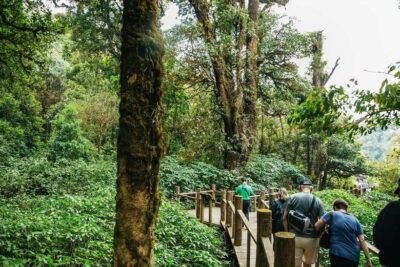
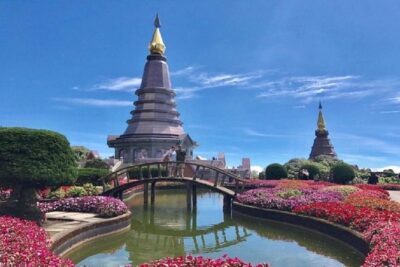
Doi Inthanon Waterfall and Royal Project Chiang Mai
Read our review →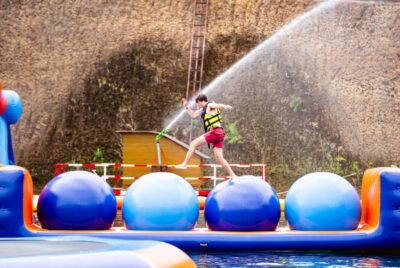
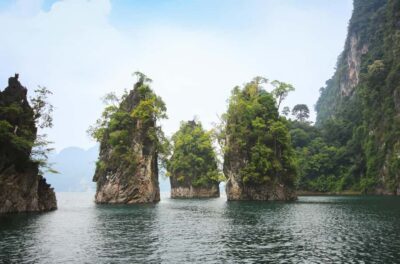
From Khao Lak/Khao Sok: Cheow Lan Lake and Emerald Pool Tour
Read our review →
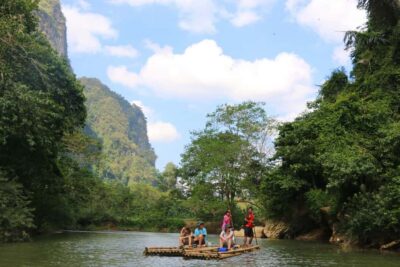
Khao Lak: Khao Sok Bamboo Rafting and Elephant Bathing Trip
Read our review →
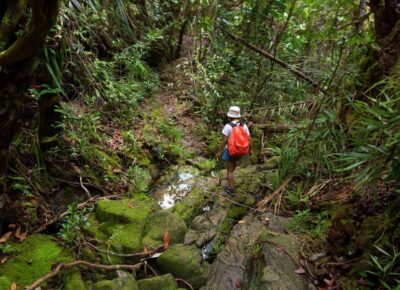
From Khao Lak: Khao Sok Jungle Hike & River Tour
Read our review →Browse the lists this tour appears in