
Review · TENERIFE
Teide National Park: Stargazing Experience
The best part of this Teide evening is the dark sky. Far from town lights, the stars come into view in a way that is hard to match from a resort or city. You begin with the naked eye, learning the main constellations and Polaris, then move to powerful telescopes for planets, star clusters, galaxies, and other objects.
I like the clear progression from simple sky navigation to telescope viewing, and I like that the guides make the science approachable through Greek mythology and practical star-finding. The main drawback is the cold. Even in warmer months, wind and altitude can make the 80 minutes outside feel severe, so bring more warm clothing than you think you need.
Key points
- See Tenerife’s stars away from town lights: Teide National Park provides a dark setting for night-sky viewing.
- Start with the naked eye: Learn Polaris, the celestial north pole, major stars, constellations, the ecliptic, and the zodiac line.
- Use high-grade telescopes: View planets, moons, star clusters, galaxies, and other prominent objects of the night.
- Hear the stories behind the stars: Greek mythology helps explain the shapes and positions of constellations.
- Receive astrophoto images: The astrophoto telescope can turn some observations into shareable images.
- Dress for mountain cold: Warm clothing and warm shoes are essential, especially from autumn through winter.
Why Teide is such a strong place for stargazing
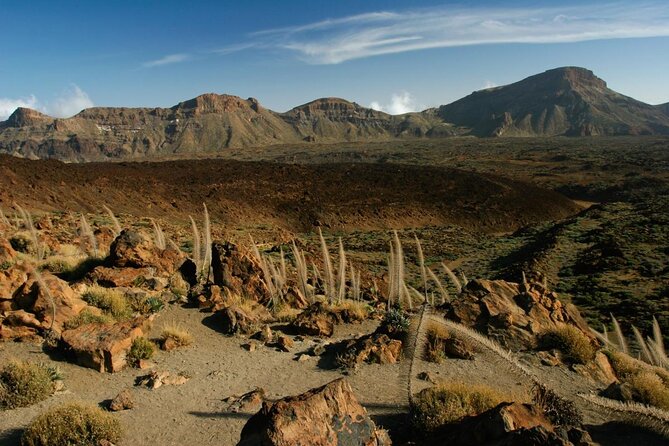
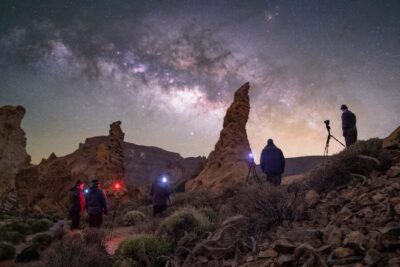
Teide National Park gives this activity its main advantage: darkness. In a town, streetlamps and hotel lighting wash out many stars. At the Minas de San José meeting area, the night sky can reveal far more detail, including the Milky Way and objects that are difficult to spot near the coast.
You are not simply pointed toward a telescope and left to guess what you are seeing. The experience begins by helping you understand the sky above you. That matters because a telescope view is more satisfying when you know where the object sits and why it is there.
The setting is also part of the experience. After sunset, the mountain air becomes cold, and the open surroundings make the sky feel unusually large. The same openness that helps with stargazing also means there is little shelter from wind, so the location rewards good preparation.
A few more park trips around Tenerife worth a look
- Tenerife: Teide National Park Sunset & Stargazing Tour
★ 4.2 · 3,812 reviews - Tenerife: Sunset and Stargazing at Teide National Park
★ 4.7 · 2,826 reviews - Teide National Park Sunset & Stargazing with Dinner (Star Safari)
★ 5.0 · 2,601 reviews
Beginning with the naked eye after sunset
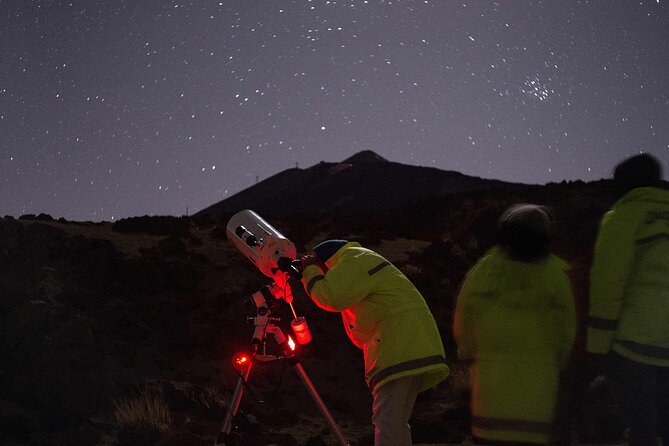
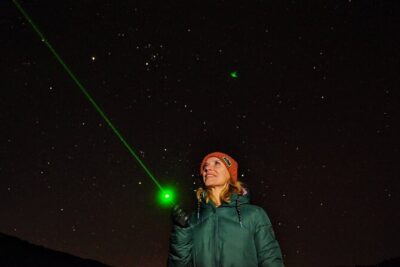
The first stage uses no equipment. Your guide explains the most important visible stars and shows you how to recognize familiar constellations. You learn to find Polaris and understand its place near the celestial north pole, a useful reference point for making sense of the sky.
The guide also introduces the ecliptic, the apparent path followed by the Sun across the sky, along with the zodiac line. This gives the session a practical structure. Instead of seeing a random scatter of lights, you get a simple map that helps you understand where planets and zodiac constellations fit.
Greek mythology adds a human touch. Stories linked to the shapes and positions of constellations make the information easier to remember, especially if you do not already know much about astronomy. The explanations are designed for ordinary sightseers, not only for people who own telescopes or follow astronomy as a hobby.
I particularly like this opening because it keeps the experience grounded. You first learn to look upward with your own eyes. The telescope then becomes a useful next step rather than the only reason to attend.
The telescope portion: planets, galaxies, and star clusters
Once you have your bearings, the tour turns to telescopic observation. The exact objects depend on what is visible that night, but past sessions have included Saturn, Jupiter and its moons, Mars, the Orion Nebula, the Andromeda Galaxy, the Milky Way, and star clusters.
This variety is one of the experience’s strengths. A planet gives you a more direct sense of our own solar system, while a galaxy or nebula shows how much farther the universe extends. Jupiter and its moons can be especially rewarding because the telescope may show the planet as more than a bright point, with its moons arranged nearby.
The Orion Nebula and Andromeda Galaxy offer a different kind of view. They are reminders that the night sky is not just made up of stars within our own neighborhood. The guide can place these objects in context and explain why they matter, though the exact detail will depend on the night and the pace of the group.
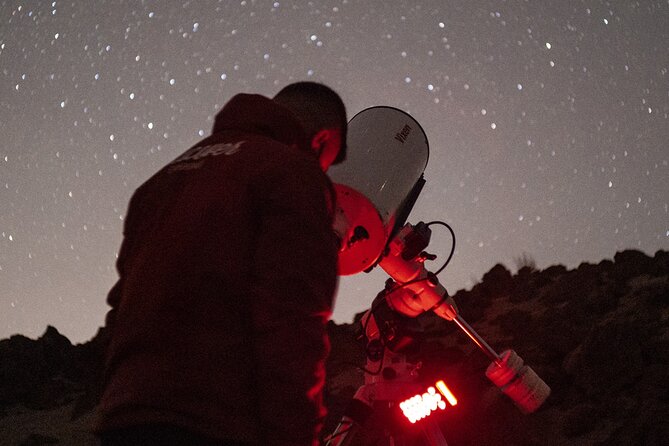
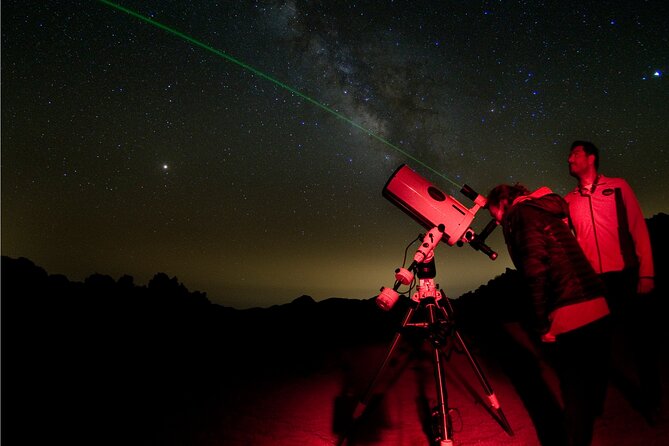
The tour uses advanced telescopes, including an astrophoto telescope. This is useful for more than magnification. Some of the objects you see can be turned into images, and photographs of a star cluster and a galaxy have been sent after the experience. Do not expect a private observatory session, but the equipment gives the evening a clear step up from casual stargazing with the naked eye.
Guides who make the science easy to follow
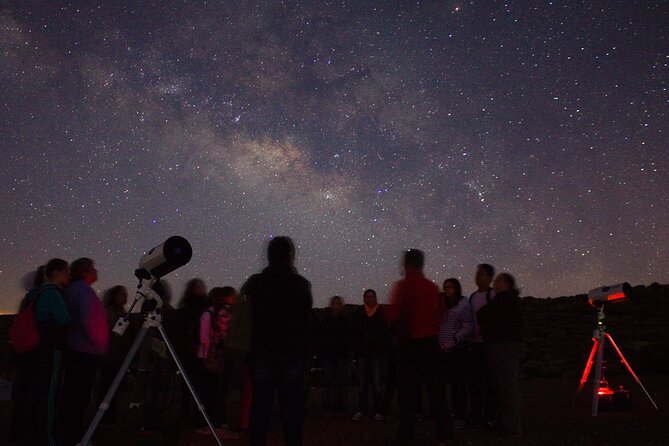
The guides are a major part of the experience. Miguel has led English-language sessions with a lively style, explaining the galaxy, constellations, planets, and related mythology in a way that remains clear after dark and in a group setting. Manuel has also been praised for making the Moon, constellations, and mythology interesting and funny, while Luke has guided sessions focused on stars, planets, the Moon, and navigation.
The guide’s role is not only to name objects. A good explanation helps you connect the points in the sky, understand how to find them again, and remember the story attached to them. The experience is offered in Spanish and English, so check your preferred language when booking.
The overall approach suits beginners. You do not need a background in astronomy, and you do not need to bring specialist equipment. If you already know the major constellations, you may find the introductory portion basic, but the telescope viewing and dark setting still provide a reason to join.
Same park country, a different day out:
- Teide National Park: Sunset & Stargazing Safari with Dinner
★ 4.6 · 2,115 reviews - Tenerife: Teide National Park Full-Day Tour with Pickup
★ 4.5 · 1,613 reviews - Tenerife: Quad Adventure Tour in Teide National Park
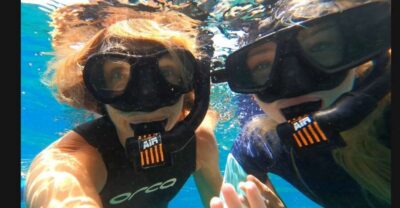
★ 4.7 · 1,492 reviews - Tenerife: Snorkeling Tour in a Marine Protected Area
★ 4.9 · 636 reviews
Eighty minutes outside at mountain altitude
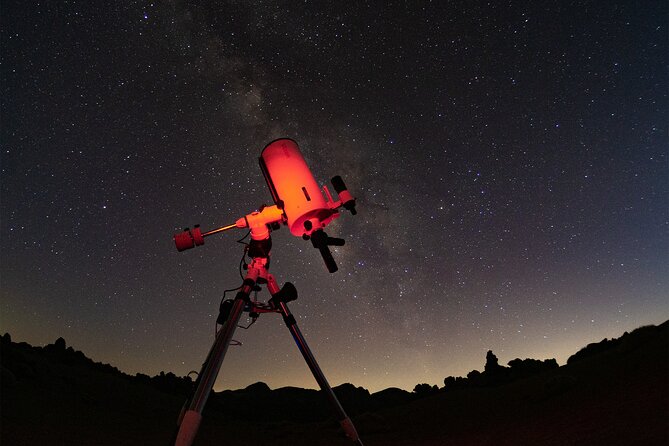
The stated duration is 80 minutes. That is enough time for an introduction and several telescope observations, but it is not an all-night astronomy course. The session aims for a practical overview, with time divided between orientation, explanations, and viewing.
The cold is the one issue you should take seriously. The national park is high above the coast, and temperatures can drop sharply after sunset. Strong wind can make the air feel colder than the number on your weather app suggests. People have been very cold after extended time outside, even when conditions at the beach or in town were pleasant.
Bring:
- A warm jacket or several layers
- Warm trousers
- Warm shoes
- Comfortable footwear for standing outdoors
- Extra clothing in autumn and winter
The provider specifically recommends warm clothing and warm shoes. Treat this as essential equipment, not a polite suggestion. If you are uncomfortable, it becomes much harder to listen, look through the telescope, or enjoy the sky.
Meeting at Minas de San José
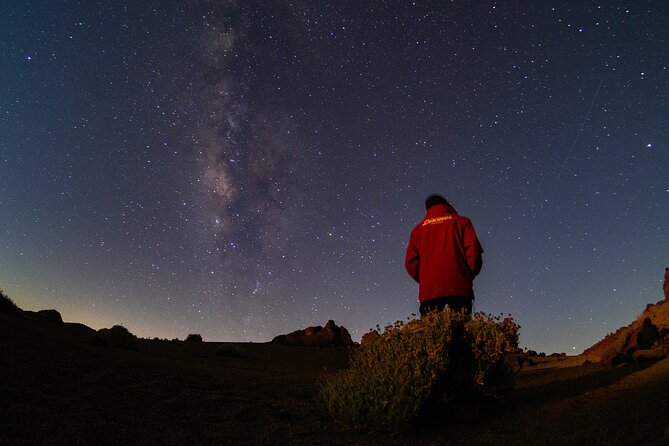
The meeting point is the parking area directly in front of the natural environment of Minas de San José. If you approach from the south, it is the second car park on the right. From the north, it is the first car park on the left.
This is not a hotel pickup service. You must arrange your own transport to the national park and arrive at the stated parking area. That makes the activity easiest for people who already have a car or have planned their wider Teide visit carefully.
The exact start time can change, especially if you book months ahead. The provider contacts you through WhatsApp or email to confirm the schedule, and reminders are sent through those channels. Keep an eye on your messages before the day of the activity rather than relying only on the original booking time.
How the Moon affects your evening
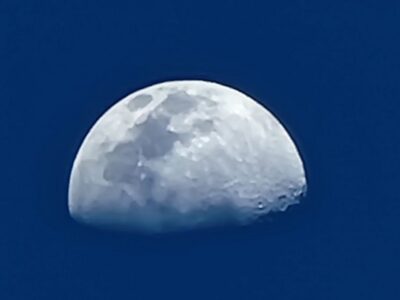
The Moon changes the character of a stargazing session. A bright moon can make the night feel magical, but its light can also reduce the visibility of faint stars and distant objects. A darker moon phase generally offers better conditions for seeing more stars, the Milky Way, and dimmer deep-sky objects.
You are asked to consider the Moon’s cycle when booking. This is important if your main goal is a very dark sky. If you mainly want to see the Moon itself or enjoy a brighter natural object through the telescope, a different phase may suit you better.
The guide will work with the conditions available that night. Clouds and visibility can also affect what is possible, though the supplied information does not promise a particular list of objects for every session. Think of the examples as possible highlights, not a fixed menu.
Is $41 a fair price?
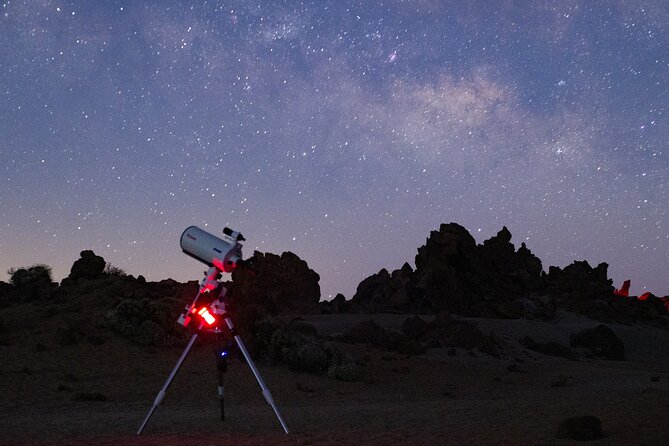
At $41 per person, the tour is reasonably priced for a guided astronomy session that includes professional instruction, telescope observation, insurance, and possible astrophoto images. You are paying for access to specialized equipment and for someone to explain what you are seeing, not simply for entry to the national park.
The value is strongest if you are new to astronomy. Without a guide, you may see many stars but struggle to identify them or understand their place in the sky. Here, the naked-eye lesson gives you a useful framework, and the telescope adds the visual payoff.
The value is less clear if you expect a long, private observatory visit or a meal. Dinner is not included, hotel pickup is not included, and the activity lasts 80 minutes. One practical point is that some people feel the price could be slightly lower for the time spent. I would see it as fair rather than a bargain, especially if the guide and sky conditions are good.
Free cancellation up to 24 hours before the activity and the option to reserve now and pay later reduce the risk of committing too early. If you book far ahead, wait for the provider to confirm the final time.
Who will enjoy this most
This is a good choice for couples looking for a quiet evening activity, families with children who can manage the cold and remain accompanied, and first-time stargazers who want a clear introduction. It also suits anyone who has visited Tenerife before and wants to see a different side of the island after sunset.
You will likely enjoy it most if you are willing to listen, stand outdoors, and let the guide set the pace. The activity is not designed for unaccompanied minors, and pets are not allowed.
The experience is not suitable for people with heart problems or respiratory issues. You should also avoid it if you have been diving within the previous 24 hours. If any of these conditions apply, choose another evening activity instead of treating the mountain setting casually.
Practical expectations before you book
Do not plan this as a warm, casual stop after dinner. You are heading into a cold mountain environment, and the right clothing will shape the whole evening. Check the weather and make sure every person in your group has suitable layers and shoes.
If you are visiting with children, explain that the first part involves listening and learning before the telescope viewing begins. The experience can be exciting, but it is not a quick succession of attractions. Patience helps, especially while the guide points out constellations and waits for telescope turns.
English and Spanish are available. The guide’s explanations are a central part of the activity, so choose the language in which you can best follow instructions and astronomy terms.
Should you book the Teide stargazing experience?
I would book this tour if you want an accessible introduction to the night sky and do not already have your own telescope plan. The dark setting, clear sky orientation, strong guides, and chance to see objects such as Jupiter, Saturn, star clusters, galaxies, or the Orion Nebula make the $41 price reasonable.
I would pause if you dislike cold weather, want hotel transportation, or expect a private and lengthy astronomy session. Check the Moon phase, prepare for mountain temperatures, and confirm the final start time through WhatsApp or email.
For most visitors, this is a memorable way to spend 80 minutes in Teide National Park. Just pack as if winter has arrived, even if Tenerife feels warm below the mountain.
FAQ
Where does the stargazing tour meet?
Meet in the parking area directly in front of the natural environment of Minas de San José. From the south, use the second car park on the right. From the north, use the first car park on the left.
How long does the experience last?
The stated duration is 80 minutes.
What languages are available?
The tour is offered in Spanish and English.
What does the tour include?
It includes a naked-eye explanation of the sky, astronomical observation through telescopes, a professional astronomical guide, and insurance during the activity.
Is hotel pickup included?
No. Hotel pickup and drop-off are not included.
Is dinner included?
No. Dinner is not included.
What should I wear?
Wear comfortable shoes, warm clothing, and warm shoes. Cold temperatures are especially important to prepare for in autumn and winter.
Can I bring children?
Unaccompanied minors are not allowed. The provided information does not state a specific minimum age for children accompanied by an adult.
Can I bring a pet?
No. Pets are not allowed.
Can I cancel the booking?
You can cancel up to 24 hours in advance for a full refund. You can also reserve now and pay later.
Does the Moon affect the experience?
Yes. The Moon follows a cycle, and its brightness can affect how many stars and faint objects you can see. Consider the Moon’s phase when choosing your date.
What health restrictions should I know about?
The activity is not suitable for people with heart problems, respiratory issues, or anyone who has been diving within the previous 24 hours.
Just added around Tenerife
- From South Tenerife: Teide National Park Tour★ 4.8 · 283 reviews
- Tenerife: Teide National Park Buggy Tour with Hotel Transfer★ 4.5 · 145 reviews
- Tenerife: Teide National Park & Teno Rural Park Private Tour★ 5.0 · 35 reviews
- Tenerife: Teide National Park and Volcano Buggy Tour★ 4.0 · 39 reviews
- Tenerife: Teide National Park Sunset Quad Tour★ 4.1 · 164 reviews
- Puerto de la Cruz: Quad Sunset Volcano Teide National Park★ 4.6 · 178 reviews
- Tenerife. Stargazing in Teide National Park★ 4.9 · 319 reviews
- Tenerife: Stargazing Walk in Teide National Park★ 4.8 · 28 reviews
Tenerife National Park Tours, compared.
Teide National Park Sunset & Stargazing with Dinner (Star Safari)
Read our review →
Teide National Park: Sunset & Stargazing Safari with Dinner
Read our review →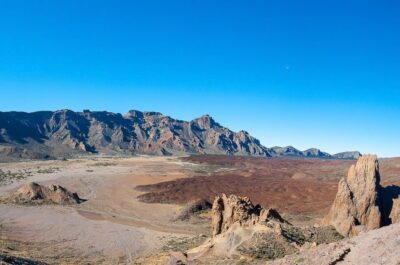
Teide National Park Full-Day Tour with Pickup
Read our review →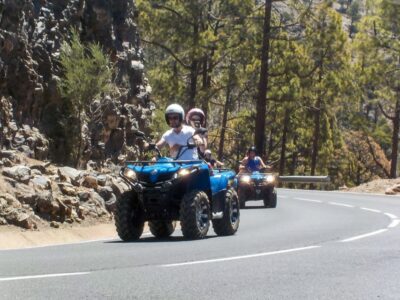
Browse the lists this tour appears in