
Review · USA
Yellowstone Wildlife Safari in Lamar Valley from Bozeman
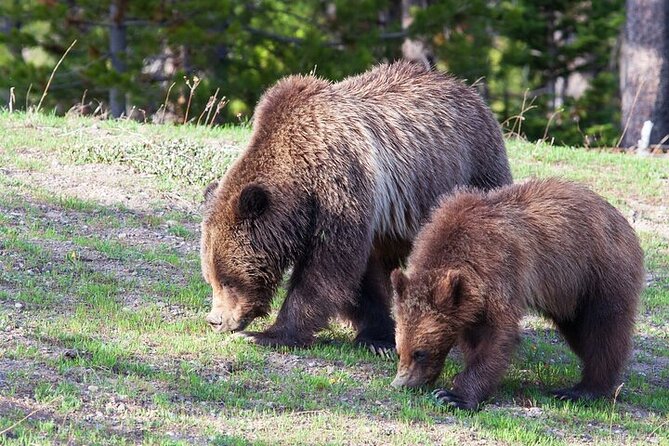
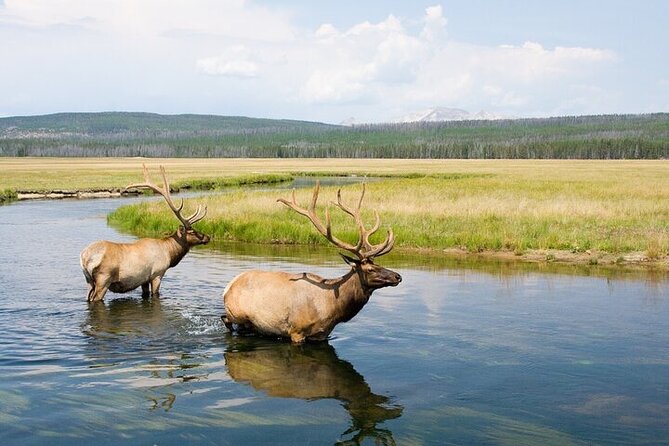
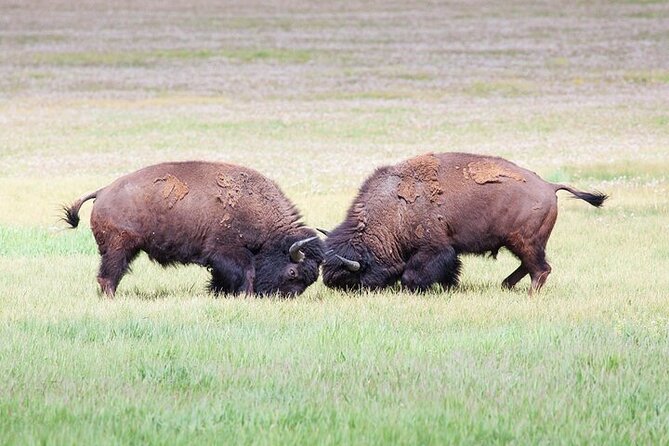
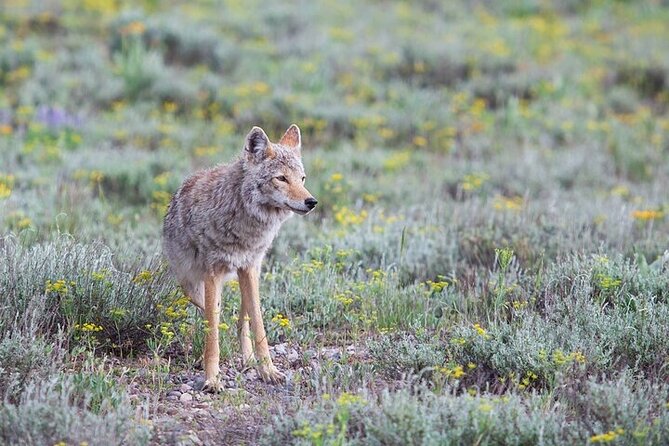
Yellowstone’s Lamar Valley is the main event here, a broad northern sweep where you might spot wolves, bears, bison, elk, pronghorn, coyotes, and cranes in one long morning. The tour uses experienced naturalist guides, including Alan and Grant, who adjust the route to current sightings rather than marching through a fixed script. Wildlife comes first, scenery and history fill the gaps.
I like the small group, capped at eight, and the fact that you get UHD binoculars and spotting scopes instead of trying to find distant animals with bare eyes. I also like the locally sourced picnic lunch and the long 10 to 11-hour day. The drawback is the early start, the long drive from Bozeman, and the fact that no wildlife sighting is guaranteed.
Key things to know before booking
- Lamar Valley gets the longest dedicated stop: Plan on about two hours there, plus additional wildlife tracking near Slough Creek and the Yellowstone River.
- The route is flexible: Petrified Tree, Tower Fall, Mammoth Hot Springs, and other stops may change with your interests, road work, weather, and animal activity.
- Small groups matter: The vehicle holds no more than eight people, giving you a better chance to use the scope and ask questions.
- The day starts at 6 a.m.: You meet at Café M at 777 East Main Street in Bozeman and return there at the end.
- Food and optics are included: You receive a picnic lunch, snacks, non-alcoholic drinks, binoculars, and spotting scopes.
- The park fee is extra: Yellowstone admission costs $20 per person and is not part of the $350 tour price.
Why Lamar Valley is worth the long day
This safari is built around one of Yellowstone’s best wildlife areas, not just a quick stop at a famous viewpoint. Lamar Valley lies in the northeastern part of the park and is known for its open country and large animal population. It has earned the nickname the Serengeti of North America, though you should picture a high mountain valley rather than an African plain.
The open setting helps. Animals are often easier to scan for here than in thick forest, and a guide can watch slopes, river corridors, and distant meadows while you focus on the view through a scope. The guide’s field experience is important because wildlife may be far away, partly hidden, or visible for only a short time.
Past outings with this company have produced sightings of grizzly bears, black bears, wolves, coyotes, bison, elk, pronghorns, mountain goats, and sandhill cranes. That list shows the range of animals possible, but it is not a promise for your departure. Weather, season, animal movements, and road conditions all matter.
I would book this tour if seeing wildlife is more important to you than checking off every major Yellowstone attraction. You will spend much of the day looking, waiting, driving, and stopping again. That is the right rhythm for a safari, but it can feel slow if you want constant activity.
More Safari Tours in the USA
- Miami: Everglades Safari Park Airboat Tour
★ 4.4 · 1,267 reviews - Grand Teton Wildlife Safari in a Enclosed or Open-Air Vehicle (season dependent)
★ 5.0 · 1,212 reviews - Everglades Airboat Safari Adventure with Transportation
★ 3.0 · 956 reviews
A 6 a.m. start from Bozeman
The meeting point is Café M at 777 East Main Street in Bozeman. Departure is at 6 a.m., and the full outing lasts about 10 to 11 hours. You return to the same meeting point at the end.
That early start is not a minor detail. Wildlife viewing often depends on being out early, and a long route to northern Yellowstone leaves little spare time. You should arrive ready for a full day in the vehicle, with warm layers and practical outdoor clothing. Those clothing suggestions are common sense for changing mountain conditions, but the tour information specifically notes that good weather is required for the experience to operate.
Hotel pickup and drop-off are not included. One past outing ended with a guide dropping the group at its accommodation, but you should not count on that service. The official meeting arrangement is at Café M, with the tour ending there.
The group limit of eight is one of the strongest practical features. A smaller vehicle is easier to manage at wildlife stops, and you will have a better chance of getting time at the spotting scope. It also makes it simpler to tell your guide what matters most to you, such as wolves, bears, or geothermal features.
Children eight and older may participate. If your child needs a car seat, you must bring it yourself.
Entering Yellowstone through the North Entrance
The safari enters Yellowstone through the North Entrance near Gardiner, Montana. This approach brings you into the historic northern side of the park and gives the day a clear sense of place before the wildlife search begins.
The entrance stop is listed for about 20 minutes, though the exact timing can change. The route is not rigid. Your guide decides how much time to give each area based on wildlife, your interests, and current road conditions.
Yellowstone admission is not included. The stated fee is $20 per person. Add that to the $350 tour price when comparing this outing with other guided options.
Summer construction can affect roads, traffic, and waiting times. This is especially important in a park where a road closure can force a major change in the day’s plan. Tell your guide early what you most want to see. A good request gives the guide a useful priority when conditions make the original route impossible.
Petrified Tree and Yellowstone’s volcanic past
Petrified Tree is a possible 30-minute stop. It may seem strange to find a petrified redwood in present-day Yellowstone, but the area’s volcanic past helps explain it. The tree is a natural remnant from a time when the region looked very different.
This stop gives the day some geology and ancient history between wildlife searches. Your guide can explain how volcanic activity and mineral-rich conditions preserved the wood. It is a useful reminder that Yellowstone is not only a place for large mammals and hot springs.
The important word is possible. The tour is customized, so Petrified Tree is not guaranteed on every departure. If you care more about animals than geology, your guide may use the time elsewhere.
Same park country, a different day out:
- Grand Canyon West, Hoover Dam Stop and Optional Lunch and Skywalk
★ 5.0 · 19,535 reviews - Grand Canyon West, Hoover Dam Stop, Breakfast, Lunch & Skywalk
★ 5.0 · 12,194 reviews - From Miami: Everglades Airboat, Wildlife Show & Bus Transfer
★ 4.2 · 8,622 reviews - Miami: Everglades National Park Airboat Tour & Wildlife Show
★ 4.5 · 7,296 reviews
Tower Fall and the northern park roads
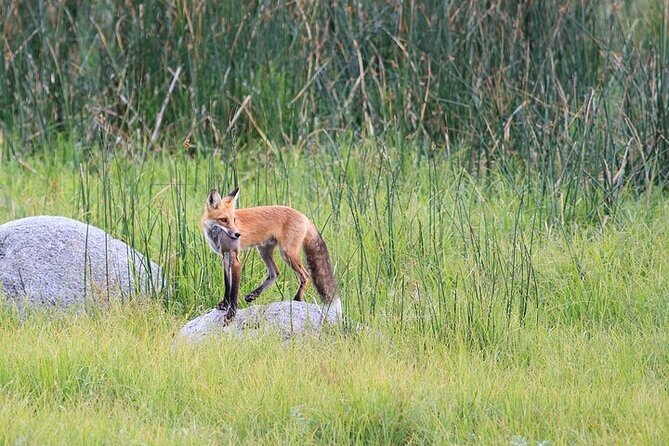
Tower Fall is another possible 30-minute stop. The waterfall drops near distinctive rock pinnacles, which gave the site its name. Erosion is slowly moving the falls upriver, although the change is far too slow to see during a normal visit.
This is a good scenic break from wildlife scanning and a chance to stretch your legs. Your guide can add geological context and explain why the rock formations look the way they do.
The tradeoff is time. A stop at Tower Fall may be worthwhile if you want a broad Yellowstone experience, but every viewpoint uses minutes that could otherwise go to Lamar Valley or Slough Creek. Tell the guide your priorities rather than assuming every listed stop will happen.
Mammoth Hot Springs in about one hour
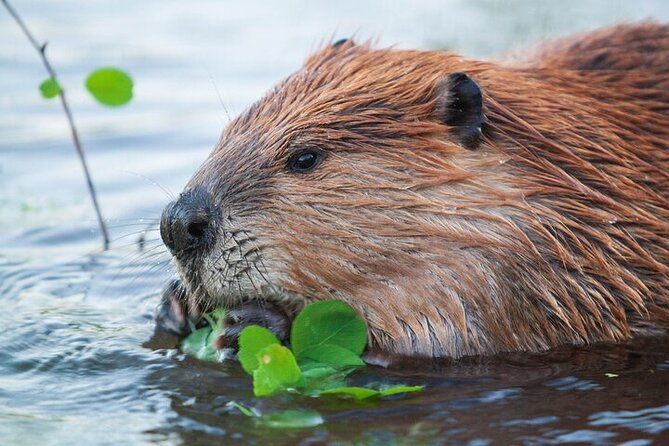
Mammoth Hot Springs is a major geothermal area near the North Entrance. Its travertine terraces form as mineral deposits build up over time, creating pale, layered shapes. Algae in the pools adds brown and reddish tones.
The planned stop is about one hour, enough to see the main character of the area without turning the safari into a full geothermal tour. This is one of the better choices for a first visit because it shows a side of Yellowstone that wildlife viewing alone cannot provide.
Still, Mammoth may not be part of your exact route. The guide is balancing several goals: reaching the best wildlife areas, responding to sightings, dealing with road conditions, and giving you a useful day in the park. If you have already seen Mammoth on another visit, you may prefer more time in the Lamar region.
Slough Creek, where the search becomes active
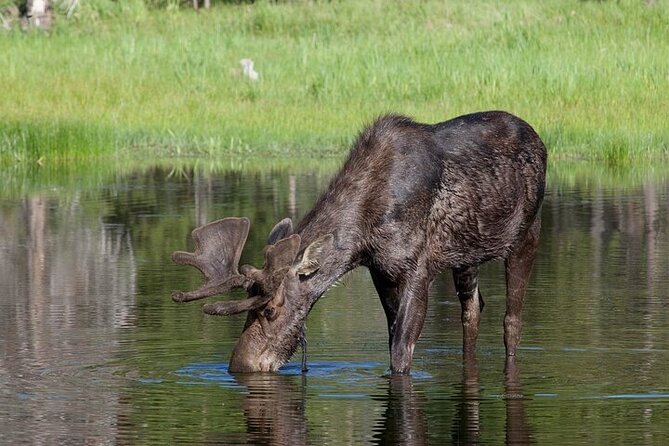
Slough Creek is a tributary of the Lamar River, flowing from the Absaroka Range. The area supports a wide mix of plants and animals, and the safari makes multiple stops here when conditions suit the route.
This part of the day is less about one famous viewpoint and more about how a wildlife search works. You may stop, scan, move on, and stop again. The guide can read the area, watch for movement, and use the spotting scope to check distant shapes.
That process is where the included optics earn their keep. Binoculars help you scan the valley, while the spotting scope can bring a far-off animal into view. You will not need to bring your own equipment, though you may still want a camera if you have one.
Slough Creek is also a good place to stay patient. A safari is not a parade of animals appearing on cue. The guide’s skill improves your odds, but nature still sets the timetable.
Two hours in Lamar Valley
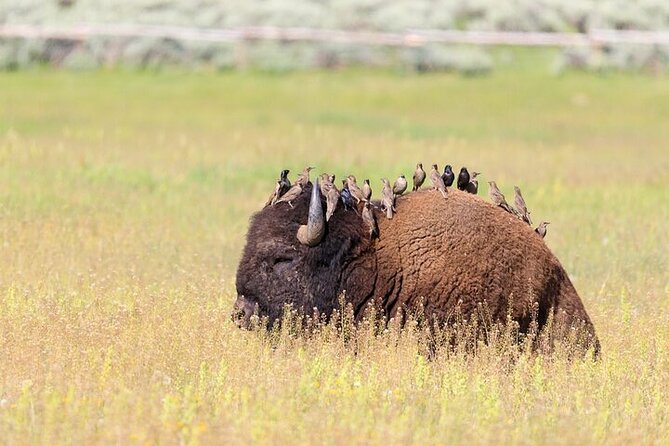
The tour allows about two hours in Lamar Valley, with several stops in search of wildlife. This is the longest named stop and the clearest sign that the experience is designed around animal watching rather than a standard park sightseeing loop.
You might scan for wolves, bears, bison, elk, pronghorns, coyotes, or cranes. Past outings have also included mountain goats. Seeing a grizzly or wolf through a spotting scope can be a memorable moment even when the animal is far away.
The guide’s role goes beyond driving. Alan has led outings with explanations of animal behavior, park history, and the wider ecosystem. Grant has also been praised for giving clear information and staying engaged with each person in a group of eight. The strongest part of the experience is likely to be this mix of field knowledge and patient searching.
You should also accept the limits. Two hours in Lamar Valley does not mean two hours of nonstop sightings. You may spend part of that time waiting, repositioning, or looking at a point your guide has chosen. That is normal and often worthwhile, but it rewards people who enjoy observation more than speed.
Albright Visitor Center and Roosevelt Arch
The Albright Visitor Center is housed in a historic building that once served as quarters for cavalry troops assigned to protect Yellowstone before the National Park Service was created. A stop of about 30 minutes adds useful context about how the park was managed in its early years.
The nearby Roosevelt Arch at Gardiner is another possible 30-minute stop. Built in 1903 from hexagonal blocks of columnar basalt, it rises 52 feet above the North Entrance. It was intended as a grand gateway to the world’s first national park.
These stops help connect the natural sights with Yellowstone’s human story. They are especially useful if this is your first visit and you want more than animal names and photographs. But, again, the customized route may leave them out when wildlife or road conditions demand a different plan.
The Yellowstone River and Paradise Valley
The Yellowstone River is a possible 30-minute wildlife stop. It begins in the Absaroka Range near the Continental Divide, flows north through the park and Paradise Valley, then continues across Montana toward the Missouri River.
The river supports many species and is known for trout. Your guide may use the water and nearby ground as another place to search for animals. Rivers often give wildlife a reason to gather, but the exact sightings will depend on the day.
The return or approach through Paradise Valley takes about 90 minutes. This is a scenic part of the drive between Bozeman and the park, though it also adds to the day’s time in the vehicle. I would see it as part of the overall setting rather than a separate attraction with a guaranteed stop.
What the $350 price includes
At $350 per person, this is not a cheap park transfer. It is a full-day guided outing with a maximum of eight people, a professional naturalist guide, lunch, snacks, non-alcoholic drinks, and shared high-quality viewing equipment.
The value depends on what you would otherwise need to arrange. You are paying for someone who knows the northern park roads, watches for wildlife, handles the route, and explains what you are seeing. You also avoid buying or carrying a spotting scope, which can be a costly piece of equipment for a single trip.
The food is another practical plus. Lunch is a locally sourced picnic with seasonal ingredients, packed in recyclable and compostable materials. Snacks are sourced locally and organically when possible. You do not need to organize a midday meal, and a picnic beside a scenic area can make the long day feel more relaxed.
The $20 Yellowstone entrance fee is extra. There is no private tour at this price, so the vehicle is shared with other members of the group. For a private experience, you would need a different arrangement.
Who should book this safari?
I would recommend it to you if:
- Wildlife is your top Yellowstone priority.
- You want a guide to handle the route and explain animal behavior.
- You value a small group more than a private vehicle.
- You are comfortable with a 6 a.m. start and a 10 to 11-hour day.
- You want binoculars, a spotting scope, food, and drinks included.
- You are visiting Yellowstone for the first time and want the northern region explained as you go.
I would think twice if you dislike long drives, need a relaxed late start, or want guaranteed stops at every attraction. You should also avoid booking if your only goal is Mammoth Hot Springs or Tower Fall, since the guide may change the route.
The experience has a 4.9 rating from 35 reviews, with 97 percent of customers recommending it. The repeated praise centers on the guides, the large number of animal sightings, the food, and the care taken with each person in the vehicle. That matches the tour’s design: the guide and flexible route are the main product.
Final call: a strong choice for serious wildlife viewing
Book this Yellowstone wildlife safari if you want your one full day in the park aimed at animals, especially in Lamar Valley and around Slough Creek. The combination of a small group, experienced guides such as Alan and Grant, included optics, and a proper picnic makes the $350 price easier to justify.
Do not book it expecting a fixed sightseeing checklist. Some departures may include Petrified Tree, Tower Fall, Mammoth, the Albright Visitor Center, and Roosevelt Arch, while others may spend more time tracking wildlife. Tell your guide what you most want to see, arrive ready for a long day, and accept that the best sightings require patience.
Free cancellation is available up to 24 hours before the start time. If poor weather or too few bookings cancels the outing, you can choose another date or receive a full refund.
FAQ
Where does the Yellowstone wildlife safari begin?
It begins at Café M, located at 777 East Main Street in Bozeman, Montana.
What time does the tour start?
The tour starts at 6 a.m.
How long does the safari last?
The experience lasts approximately 10 to 11 hours and ends back at the Bozeman meeting point.
Is Yellowstone National Park admission included?
No. Yellowstone admission costs $20 per person and must be paid separately.
What food and drinks are included?
The tour includes a locally sourced picnic lunch, snacks, and non-alcoholic beverages.
Are binoculars or spotting scopes provided?
Yes. UHD binoculars and spotting scopes are provided for wildlife viewing.
How many people can join the tour?
The maximum group size is eight people.
Can children join the safari?
Children aged eight and older may participate. If your child needs a car seat, you must bring it with you.
More Wildlife Watching in the USA
- From Miami: Everglades Airboat, Wildlife Show & Bus Transfer
★ 4.2 · 8,622 reviews - Miami: Everglades National Park Airboat Tour & Wildlife Show
★ 4.5 · 7,296 reviews - Wilderness, Wildlife, Glacier Experience from Anchorage
★ 5.0 · 3,004 reviews - Everglades Airboat, Wildlife Show, and Roundtrip Bus From Miami
★ 4.5 · 1,886 reviews
Just added around the USA
- Yosemite National Park Self Guided Driving Audio Tour Guide★ 4.5 · 47 reviews
- Self-Guided Audio Driving Tour in Sequoia and Kings Canyon★ 4.5 · 29 reviews
- Bryce Canyon National Park Self-Guided Driving Audio Tour★ 4.5 · 71 reviews
- Bryce Canyon Hiking Challenge★ 5.0 · 92 reviews
- Bryce Canyon E-bike Tour★ 5.0 · 147 reviews
- Private Yellowstone Winter Wolf Watching and Wildlife Safari★ 5.0 · 26 reviews
- Yellowstone Wildlife Safari from Bozeman – Private Tour★ 5.0 · 140 reviews
- Yellowstone Winter Wildlife Safari from Bozeman★ 5.0 · 42 reviews
USA National Park Tours, compared.
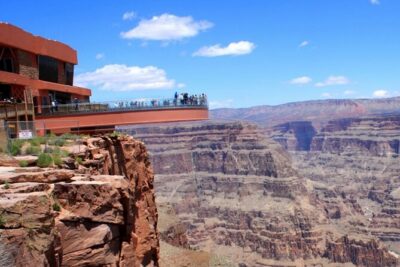
Grand Canyon West, Hoover Dam Stop and Optional Lunch and Skywalk
Read our review →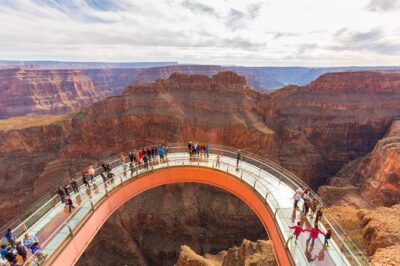
Grand Canyon West, Hoover Dam Stop, Breakfast, Lunch & Skywalk
Read our review →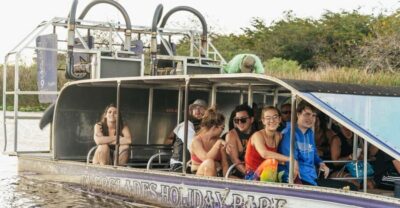
Everglades Airboat, Wildlife Show & Bus Transfer
Read our review →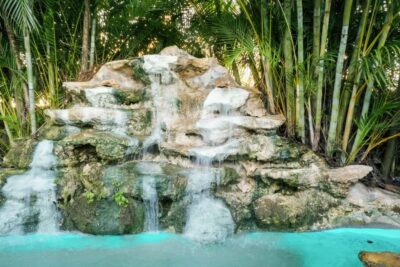
Everglades National Park Airboat Tour & Wildlife Show
Read our review →
Grand Canyon West Bus Tour with Hoover Dam and Optional Skywalk
Read our review →
Clear Kayak Tour of Shell Key Preserve and Tampa Bay Area
Read our review →
Grand Canyon, Hoover Dam, Lunch/Skywalk Options, WiFi
Read our review →
Grand Canyon + Hoover Dam View + WiFi (Skywalk/lunch options)
Read our review →Browse the lists this tour appears in