
Review · ARUSHA
10-Day Serengeti Wildebeest Migration Safari from Arusha
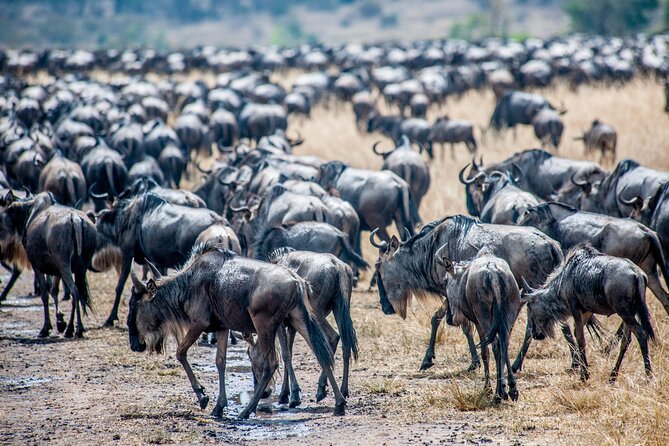
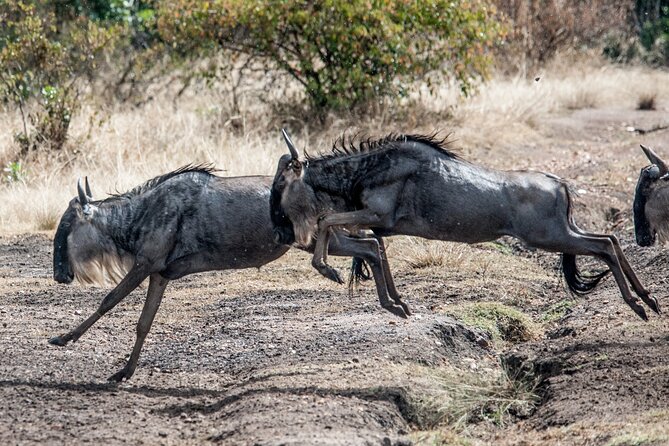
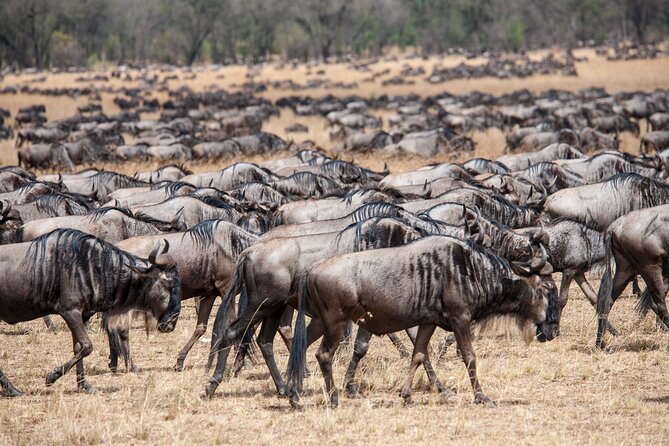
The great draw here is three full days in northern Serengeti, where up to 1.5 million wildebeest move with hundreds of thousands of zebras and antelope. In the right season, especially August through October, the Kogatende area can deliver the famous Mara River crossings, with animals sometimes crossing back and forth as they follow fresh grass.
I like the smart mix of wildlife time and comfort: upscale tented camps, private vehicle transport, and nearly all meals are covered. I also like that the trip does not stop at the Serengeti. Ngorongoro Crater and quieter Tarangire add two very different settings.
The main catch is the separate flight from Kilimanjaro to northern Serengeti. It is not included in the $5,512.83 price, and river crossings remain a natural event, not a scheduled show.
Key points to know before booking
- Three nights in northern Serengeti: Your best chance for migration action is around Kogatende, especially from August through October.
- Central Serengeti adds variety: Seronera is Tanzania’s classic big-cat country and gives you more time for general game viewing.
- Luxury camping without giving up the wild setting: You sleep in upscale tented camps, then finish in lodges around Ngorongoro and Tarangire.
- The package is close to all-inclusive: Meals, bottled water, accommodation, airport transfers, a private vehicle, and a driver-guide are included. Alcohol and the northbound flight are extra.
- Small group size matters: The maximum is seven people, which leaves more room in the safari vehicle than a large coach tour.
- Guides are a major strength: Names praised for sharp animal spotting and warm service include George, Arnold, Calvin, William, Cleopa, Inno, Laban, Rahim, and Ombeni.
Why this safari works for migration season
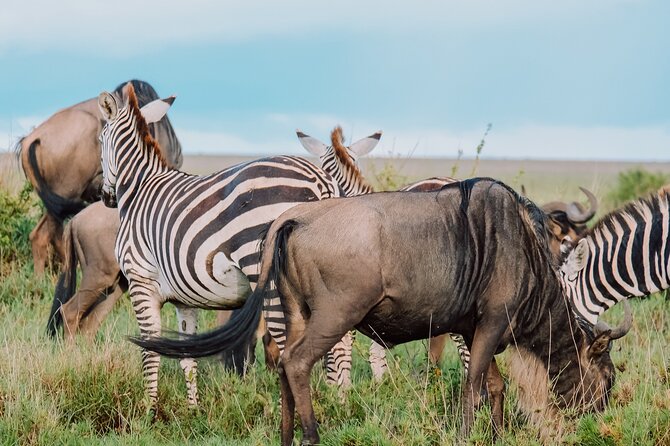
The annual migration is not a single parade that passes at a fixed hour. It is a huge, moving search for grass and water. Wildebeest, zebra, and antelope shift with rain and grazing conditions, so the timing and exact location matter enormously.
This 10-day plan puts you in northern Serengeti for three nights before moving south to Seronera. That is a sound design for a migration trip. You get a proper block of time in the area most associated with river crossings, then continue into a part of the park known for year-round wildlife viewing.
The strongest window for Kogatende crossings is given as August through October. During those months, the herds may reach the river, hesitate, cross, turn around, and cross again. That unpredictability is part of the real experience, but you should not treat pretty much guaranteed every day as a promise. Animals do not follow a tour operator’s clock.
The trip is best suited to someone who wants the migration to be the main event but does not want to spend every night in basic camping conditions. You will still spend long hours on rough park roads, but your sleeping arrangements are described as luxury tented camps and lodges.
More Safari Tours in Arusha
- Balloon Safari & Bush Breakfast in Serengeti – Miracle Experience
★ 5.0 · 1,646 reviews - 3 Days Serengeti & Ngorongoro Group Camping Safari
★ 5.0 · 574 reviews - 3-Day Classic Serengeti Safari
★ 5.0 · 263 reviews
Day 1: A gentle start in Arusha
Your arrival day begins with pickup at Kilimanjaro International Airport. A guide handles the transfer to your Arusha hotel and gives you a briefing about the safari ahead.
That first night is useful rather than flashy. Arusha is the practical gateway for northern Tanzania, and an overnight there gives you time to arrive, rest, and sort out the next morning’s transfer. The accommodation on this night is mid-range, so do not expect it to match the luxury tented camps later in the trip.
The stated start time is 8:00 a.m., but the first day begins with your airport pickup. Confirm the exact transfer timing when your booking is confirmed, particularly if your flight arrives late or you are connecting from another part of Tanzania.
Days 2 to 4: Northern Serengeti and the Kogatende crossings
After breakfast, you transfer to the Arusha airstrip for a flight to northern Serengeti. The flight is at your own expense, an important cost to add before deciding that the listed price covers everything.
Once you reach the north, the pace changes. You have three days for game drives and migration viewing, staying at a luxury tented camp. Northern Serengeti feels more remote than the central Seronera area, and the main reason to be here is the chance to see the great herds near the river.
The migration figures are staggering: roughly 1.5 million wildebeest, plus large numbers of zebra and antelope. But the value of this part of the trip is not just the number of animals. It is the tension of watching a herd gather, the sudden movement toward the water, and the confusion that follows when animals change direction.
You should also expect ordinary safari sightings alongside the migration. The Serengeti is home to the predators that follow the herds, and guides such as George, Calvin, Arnold, William, and others have been praised for finding lions, cheetahs, leopards, and strong photo positions. No guide can control animal behavior, but a skilled guide can help you notice more and spend less time searching blindly.
This is where the small group limit of seven helps. A private vehicle gives the guide more room to adjust the day around your interests, though the exact vehicle setup should be confirmed before booking. If photography matters to you, say so early. The guide can then understand whether you prefer a long wait at one sighting or a wider search for different animals.
The possible downside is road time. Northern Serengeti is remote, and game viewing means sitting in a vehicle for extended periods over uneven tracks. The tour asks for moderate physical fitness, but the bigger challenge is patience and tolerance for dust, heat, and long drives.
Days 5 to 7: Central Serengeti and Seronera
After breakfast at camp, you drive to central Serengeti, known as Seronera. This is Tanzania’s oldest and most popular national park area, and it gives the safari a useful change of focus after the migration-heavy north.
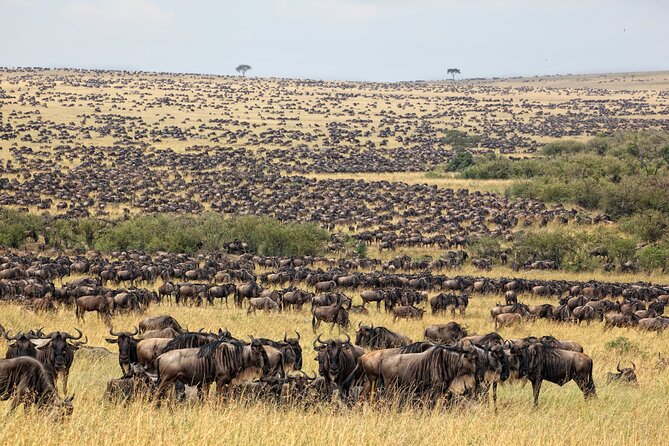
The central zone is linked with broad open plains and a high concentration of wildlife. The great herds may still be in the wider region, but you are not depending on one dramatic river scene. You have three days to look for a wider range of animals and to enjoy the park’s scenery at a more measured pace.
The numbers associated with the migration are enormous here too. More than 200,000 zebra and 300,000 Thomson’s gazelle join the wildebeest movement in search of grazing. These figures help explain why the Serengeti is so important, but they do not describe what every game drive will look like. Some hours may bring a crowded sweep of animals; others may offer only scattered groups and distant movement.
This is also a good stretch for learning the park’s plant and animal life. The stated aim is to give you an understanding of the flora and fauna, not simply a checklist of big animals. A good guide can point out how grazing patterns shape the herds and how the animals fit into the wider food chain.
The camps are described as luxury tented camps, a useful middle ground between a hotel and a basic tent. You get a closer feel for the bush than you would in a conventional lodge, while still having a more comfortable base at the end of a long drive. Exact camp names and room details are not provided, so ask for those before paying in full if the accommodation is central to your decision.
More Safari Tours in Tanzania
- 4-Day Safari from Arusha: Tarangire, Serengeti and Ngorongoro
★ 5.0 · 173 reviews - 8 Day Spectacular Migration Serengeti mid -Range Tanzania Safari
★ 5.0 · 161 reviews - 7 Days Tanganyika Wilderness Safari
★ 5.0 · 159 reviews - 2 Days Tarangire and Ngorongoro Group Camping Safari
★ 5.0 · 146 reviews
Day 8: The Ngorongoro Crater
Day eight starts with an early morning game drive into Ngorongoro Crater. The crater is the centerpiece of the Ngorongoro Conservation Area, a highland region along the eastern arm of the Rift Valley.
This stop adds a different kind of wildlife experience. Instead of following a moving herd across huge open plains, you look into a contained natural basin with varied habitats and a strong concentration of animals. The conservation area also has a wider purpose: it protects wildlife and natural resources while recognizing the interests of Indigenous people and supporting tourism.
The early start can be tiring after a week of safari, but it is a sensible choice. Morning hours generally give you cooler conditions and better light for viewing. The tour does not spell out how long you remain inside the crater, so expect the day to be shaped by driving conditions and the guide’s plan.
You spend the night at a luxury lodge. That change from tented camp to lodge gives you a welcome reset before the final national park visit.
Day 9: A quieter Tarangire safari
Tarangire National Park is often described as being slightly off the main northern safari route. That makes it a good final stop. After the intensity of Serengeti and Ngorongoro, Tarangire offers a quieter setting with its own identity.
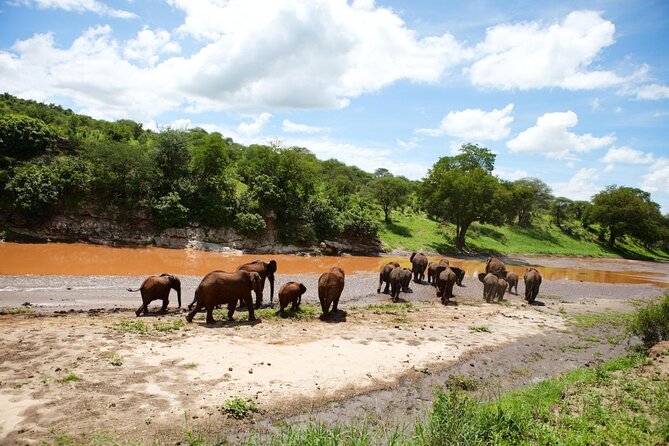
The park is especially known for elephants, elephant migration, and birding. If your interests go beyond lions and wildebeest, this day matters. Birding is specifically highlighted, and the quieter atmosphere may suit you if you prefer fewer vehicles and a slower search for wildlife.
You have a full-day game drive, followed by a night at a luxury lodge. That is a long day, but it gives you a proper chance to see what makes Tarangire different rather than treating it as a quick stop between larger parks.
Do not book this safari only for the migration and then dismiss Tarangire as an extra. The park supplies useful contrast. You see a different setting, a different wildlife emphasis, and a less crowded feel than the most famous Serengeti moments may bring.
Day 10: Returning to Arusha
After breakfast, you drive back to Arusha and stop at a shopping market along the way. The operator then arranges your transfer to Kilimanjaro International Airport for your onward flight.
Accommodation is not included on the last day. Build your flight plans carefully, since the return drive and the airport transfer are part of the day’s schedule. If your onward flight is late, you may need to arrange a separate day room or extra night, but that option is not stated as part of this package.
The market stop may appeal if you want time for shopping before leaving Tanzania. If you prefer a direct airport transfer, ask how much flexibility exists. The published plan includes the market, so do not assume you can skip it without discussing that in advance.
What the $5,512.83 price really covers
At $5,512.83 per person, this is a major trip purchase. The value depends on how much you place on private guiding, premium camp accommodation, and time in the northern Serengeti during migration season.
Included are accommodation except on the final day, breakfast, lunch, and dinner for nine days, bottled water, airport pickup and drop-off, transport by private vehicle, and a driver-guide. That removes many of the small costs that can make a safari budget hard to track.
The package is not fully all-inclusive in the strict sense. Alcoholic drinks cost extra, and the flight from Kilimanjaro to northern Serengeti is not included. That flight could make a noticeable difference to your final total, so price it before comparing this trip with road-only safaris.
I see the best value here in the time allocation. Three nights in the north gives the migration a fair chance, three nights in central Serengeti protects the trip from depending on one crossing, and Ngorongoro and Tarangire round out the wildlife experience.
Guides, group size, and the human side
The guide can make or break a safari, especially when you spend 10 days in the same vehicle. The strongest praise is directed at the guides’ animal spotting, driving, communication, and care for the people in the vehicle.
George is praised for finding lions, leopards, and cheetahs while sharing useful information about wildlife and plants. Arnold is described as attentive to everyone in the vehicle, including children. Calvin is repeatedly singled out for finding good positions for photographs, while William receives praise for careful planning and personal attention.
Other guide names connected with particularly warm feedback include Cleopa, Inno, Laban, Rahim, Ombeni, Wilson, and Shedrack. You cannot request a specific guide unless the operator confirms it, but you can ask which guide will be assigned and explain your priorities.
The maximum group size is seven. That is not the same as guaranteed private use of a vehicle, so clarify the arrangement if you want a vehicle reserved only for your party. Still, a seven-person maximum is more appealing than a large bus, especially when you are trying to share a viewing angle or make room for camera equipment.
Food, fitness, and practical comfort
Breakfast, lunch, and dinner are included for the nine days specified. Specific menus are not provided, so share dietary requirements when you book. The operator asks for that information in advance, which is the right time to raise allergies, vegetarian needs, or other restrictions.
Bottled water is included, a small but useful detail on long game-drive days. Alcohol is available to buy, but it is not part of the price.
The physical requirement is listed as moderate. You are not expected to hike long distances, but safari days can be tiring because of early starts, vehicle time, rough roads, and changing weather. Comfortable clothing, sun protection, and patience will matter more than athletic ability.
Confirmation is subject to availability and is expected within 48 hours of booking. The experience requires a minimum number of participants and good weather. If poor weather or an insufficient number of people causes cancellation, you are offered another date or experience, or a full refund. You can cancel for a full refund up to 24 hours before the start time, but late cancellations and late changes are not accepted.
Who should book this safari?
I would choose this trip if you want the Great Migration as the centerpiece but also want a fuller northern Tanzania circuit. It suits first-time safari visitors who prefer a planned route, meals included, airport transfers handled, and an experienced driver-guide with them throughout.
It is also a good match for families, since children must be accompanied by an adult and the guide team has been praised for looking after children. Photographers should like the time in both northern and central Serengeti, particularly if they discuss their priorities with the guide in advance.
I would hesitate if you want complete control over your schedule, dislike long drives, or are working with a strict budget. The separate flight to northern Serengeti is a real extra, and the $5,512.83 base price does not include drinks or final-day lodging.
Should you book the 10-day Serengeti migration safari?
Book it if you want a comfortable, well-rounded Tanzania safari with a serious chance of seeing the migration, rather than a short park visit built around one lucky sighting. The three nights in northern Serengeti are the strongest part of the plan, while Seronera, Ngorongoro, and Tarangire give you a better trip if the herds are not exactly where you hoped.
Before paying, confirm the northbound flight cost, the exact camp and lodge names, the vehicle arrangement, and the guide assignment. If those details fit your budget, this is a strong choice for combining dramatic wildlife, comfortable camps, and practical support from Arusha to the airport.
FAQ
How long is the safari?
The safari lasts approximately 10 days, beginning in Arusha and ending with a transfer back to Kilimanjaro International Airport.
Where does the safari start?
It starts in Arusha, in Tanzania’s Arusha Region. Pickup is offered, including pickup at Kilimanjaro International Airport on arrival.
Is the flight to northern Serengeti included?
No. You transfer to the Arusha airstrip, but the flight from Kilimanjaro to northern Serengeti is at your own expense.
How many people can join the tour?
The activity has a maximum of seven travelers.
Are meals included?
Yes. Breakfast, lunch, and dinner are included according to the schedule, with nine breakfasts, nine lunches, and nine dinners listed.
Is accommodation included every night?
Accommodation is included except on the final day. The route uses a mid-range hotel in Arusha, luxury tented camps in Serengeti, and luxury lodges around Ngorongoro and Tarangire.
Are alcoholic drinks included?
No. Alcoholic drinks are available to purchase separately.
What fitness level is required?
A moderate level of physical fitness is recommended. Children must be accompanied by an adult.
What happens if the tour is canceled because of weather or too few participants?
You will be offered a different date or experience, or a full refund. The same options apply if the minimum number of participants is not met.
Just added around Arusha
- Serengeti & Ngorongoro fly in safari★ 5.0 · 76 reviews
- serengeti, ngorongoro & tarangire 5days private tour★ 5.0 · 77 reviews
- 3 Days Private Safari – manyara, Ngorongoro & Tarangire★ 5.0 · 94 reviews
- 05 Days Tarangire, Serengeti, Ngorongoro and Lake Manyara★ 5.0 · 54 reviews
- day trip tarangire★ 5.0 · 46 reviews
- 5 days safari, hiking & culture (Serengeti & kilimanjaro)★ 5.0 · 27 reviews
- Tanzania safari with guide in Italian, the great Migration of the Serengeti★ 5.0 · 23 reviews
- 03 days Serengeti and Ngorongoro Crater group (camping)★ 5.0 · 75 reviews
Arusha National Park Tours, compared.
Balloon Safari & Bush Breakfast in Serengeti – Miracle Experience
Read our review →
3 Days Serengeti & Ngorongoro Group Camping Safari
Read our review →
5-Day Highlights mid-Range Crater, Serengeti, Tarangire
Read our review →
Private 6-Day Tarangire Manyara Crater and Serengeti with Mid-Range Lodges
Read our review →
5 Days Camping Tarangire, Serengeti & Ngorongoro crater & Visiting Maasai
Read our review →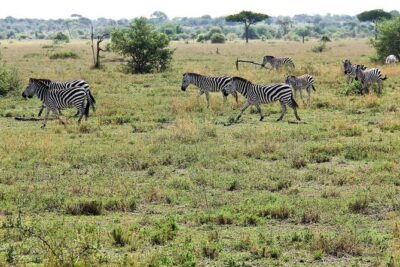
4 Days Join Group tour Tarangire Serengeti and Ngorongoro crater
Read our review →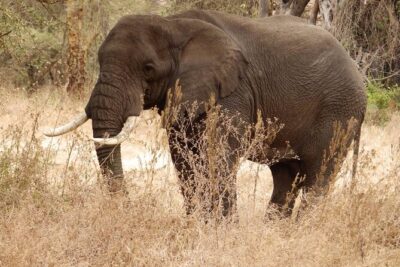
4-Day Safari from Arusha: Tarangire, Serengeti and Ngorongoro
Read our review →Browse the lists this tour appears in