Review · ARUSHA
3 Days Safari Ngorongoro Crater and Serengeti National Park
The big draw here is the contrast between Serengeti’s endless grasslands and the compact wildlife bowl of Ngorongoro Crater. In three days, you get a serious taste of northern Tanzania, with a game drive through Seronera, a hippo habitat, Moru Kopjes, and a crater visit where the Big Five are possible.
I like the small maximum group of six, which gives you more room at the viewing windows and makes the long drives easier. I also like the practical setup: pickup, camping, a safari cook, and three lunches, two breakfasts, and two dinners are included. The main drawback is the pace. A six-hour drive to Serengeti on the first day leaves limited time for exploring, and the itinerary information gives both an 8 a.m. pickup and a 3 p.m. start time, so you should confirm the exact schedule before booking.
Key points to know before you book
- Southern Serengeti access: You enter through the Ngorongoro gate and reach the southern, central, and Seronera areas after a long drive from Arusha.
- Two famous parks in three days: The route combines Serengeti National Park with Ngorongoro Conservation Area.
- Camping keeps the price down: At $810 per person, the trip offers a lower-cost way to visit two of Tanzania’s biggest safari names.
- Small group size: The vehicle is limited to six people, useful on long drives and during wildlife sightings.
- Meals are covered: Three lunches, two breakfasts, and two dinners are included, with a safari cook described as a strong part of the experience.
- Guide quality matters: Felix, Simon, Christian, Bulldozer, and other Kilipath guides have been praised for clear communication, wildlife knowledge, and helpful service.
Why the Serengeti and Ngorongoro pairing works
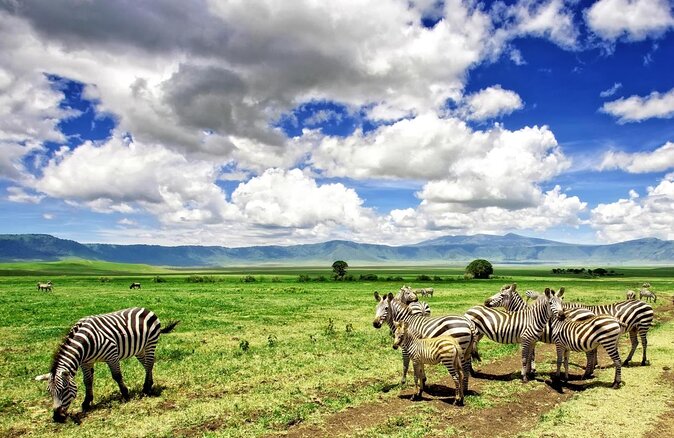
If you have only three days, this route gives you two very different safari settings. Serengeti is wide, open, and spread across a huge area. Ngorongoro is enclosed by steep crater walls, with animals concentrated on the floor below. One day feels like searching across a sea of grass. The other feels more like watching a natural amphitheater.
That contrast gives the trip its value. You are not seeing the same type of scenery twice. The Serengeti offers long views, moving herds, kopjes, and the possibility of following predators across open ground. Ngorongoro offers a compact area where many animals can be found in a single day.
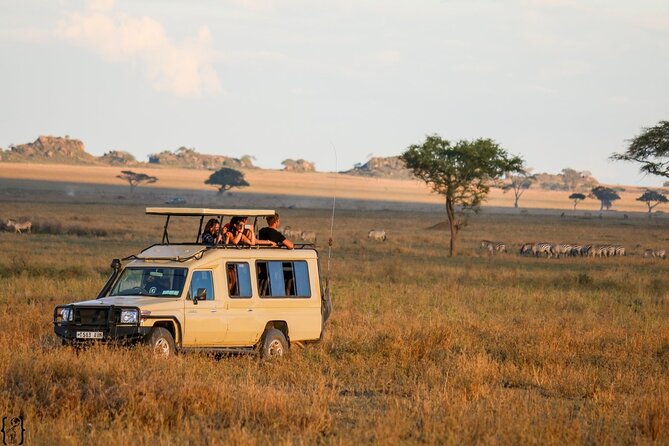
The route is not leisurely. Arusha to the southern Serengeti is listed as about 335 kilometers and six hours by road, before allowing for the game drive itself. Roads and park tracks can make the day feel longer, so you should be comfortable spending much of the first day in a safari vehicle.
This is a join-group safari for up to six people, rather than a private trip for just you and your companions. That lowers the cost and can make the journey more social, but you will have less control over stops, meal timing, and the exact pace.
More Safari Tours in Arusha
- Balloon Safari & Bush Breakfast in Serengeti – Miracle Experience
★ 5.0 · 1,646 reviews - 3 Days Serengeti & Ngorongoro Group Camping Safari
★ 5.0 · 574 reviews - 3-Day Classic Serengeti Safari
★ 5.0 · 263 reviews
Day one: the long road into southern Serengeti
The planned morning begins with breakfast at 7 a.m. and pickup at 8 a.m. from your accommodation. The published meeting information also gives a 3 p.m. start time, so this is one detail to settle with Kilipath African Safaris before you arrive. A clear pickup time matters here because the first day depends on reaching the park with enough daylight for wildlife viewing.
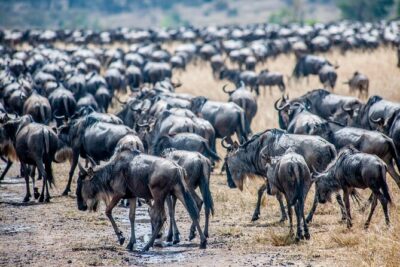
The drive enters the Serengeti through the Ngorongoro gate and continues toward the southern, central, and Seronera Valley areas. The southern zone is known for broad savannah grassland, which supports wildebeest, zebra, Coke’s hartebeest, waterbuck, Grant’s gazelle, Thomson’s gazelle, impala, and other grazing animals.
Your first game drive is planned for about seven hours. That sounds generous, but remember that some of this time includes moving between areas. You may spend one stretch watching a herd, then cover a long distance to reach another sighting.
The name Serengeti comes from the Maasai word Serengit, meaning the land of endless plains. You understand the name quickly. The open view is part of the experience, but it can also make animals seem small and distant. A guide who reads tracks and animal behavior well makes a real difference here.
The itinerary also includes a visit to a hippo habitat. Hippos are often best appreciated from a safe viewing point, where you can watch their heads break the water and hear their deep calls. This is a different kind of wildlife moment from spotting a lion or elephant, and it adds variety to the first day.
Day two: kopjes, elephants, and predator country
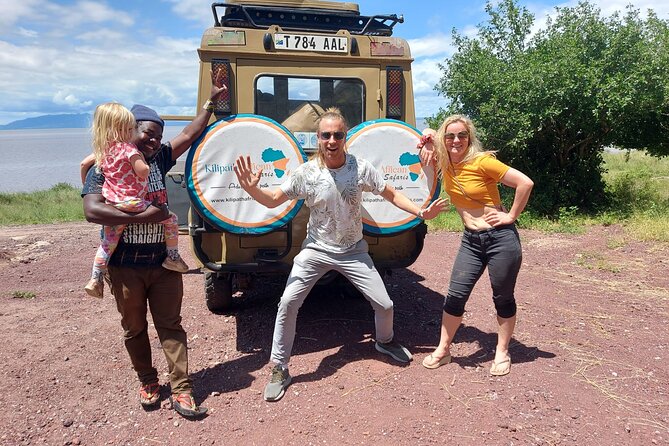
The second day continues in Serengeti, with about six hours set aside for exploration. The central area around Seronera is a strong choice for a short safari because it brings several types of scenery together. You may find broad grassland, rocky outcrops, and pockets of vegetation within a relatively manageable route.
Moru Kopjes are among the memorable features mentioned for this section of the trip. These large rock formations rise above the plains like islands above a golden-green sea. They give animals higher ground and give you a more varied view than the flat grasslands alone.
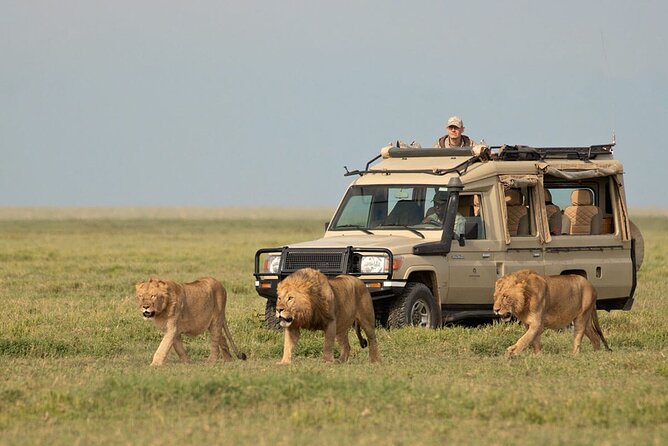
Kopjes also matter for wildlife watching. Predators can use the rocks as lookout points, and you may find lions resting on or near them. The rocks can also shelter smaller animals and create changing shadows as the day moves on.
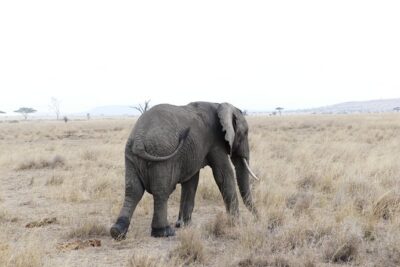
Elephant herds are another focus. The groups are matriarchal, with older females guiding family units. Watching elephants across open ground gives you a useful sense of scale. A single animal may seem large from the vehicle, but a full herd crossing the plain changes the whole view.
The area includes candelabra trees and seasonal flowers. The flowers are described as ephemeral, meaning their appearance depends on recent conditions and the season. This is a reminder that the Serengeti is not simply dry grass and large mammals. Its plant life changes with rain, soil, and time of year.
There is also mention of rare black rhinos and Maasai cave paintings showing elephants, shields, and abstract patterns. You should treat these as possible features of the wider area rather than guaranteed stops, since the exact route can depend on park conditions and the guide’s decisions.
The second day is likely to be your best chance to settle into safari rhythm. You will have already learned how the vehicle works, how to scan the grass, and how to keep your camera ready without staring through it all day. Take breaks from photography. The open view is easier to appreciate when you are not always looking at a screen.
Day three: the concentrated wildlife of Ngorongoro Crater
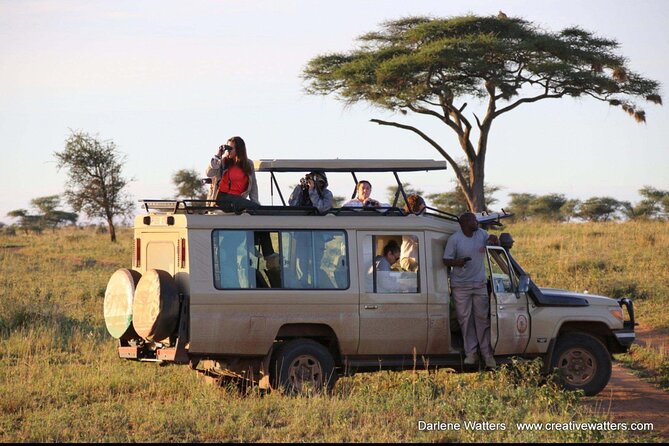
The final safari day takes you to Ngorongoro Conservation Area, with about six hours devoted to the crater and the return journey toward Arusha. Ngorongoro is a powerful change of scene. Instead of searching across a huge plain, you look down into a broad crater where grassland, water, and wildlife sit within steep walls.
The crater is known as a strong place to look for the Big Five: lion, leopard, elephant, buffalo, and rhinoceros. A single day can produce an impressive range of sightings, though no safari can promise every animal. The compact setting improves your chances because many species live within a smaller area than in Serengeti.
You may also see wildebeest, gazelle, golden jackals, bat-eared foxes, hippos, wild dogs, leopards, waterbuck, buffalo, and eland. Giraffe, oribi, topi, spotted hyena, cheetah, and impala are described as uncommon in the crater, so do not book this trip expecting every famous African animal.
That distinction is useful. A good safari is not a checklist, and Ngorongoro’s appeal comes from the range of habitats and the chance to watch animals behaving naturally. If you see a rhino or leopard, it may be a major moment. If you spend time with buffalo, hippos, or a family of elephants, that is not a lesser sighting.
The conservation area also connects wildlife with human history. Maasai families live in circular homesteads known as bomas, and the area is linked with early human evolution research by Mary and Louis Leakey. The trip is therefore about more than animals. It gives you a glimpse of the relationship between people, cattle, protected land, and archaeological study.
The return to Arusha makes the final day a full one. If you need to catch a flight that evening, ask for a realistic arrival estimate before booking. The supplied details do not promise a specific drop-off time, and safari roads rarely run like a city timetable.
More Safari Tours in Tanzania
- 10-Day Serengeti Wildebeest Migration Safari from Arusha
★ 5.0 · 218 reviews - 4-Day Safari from Arusha: Tarangire, Serengeti and Ngorongoro
★ 5.0 · 173 reviews - 8 Day Spectacular Migration Serengeti mid -Range Tanzania Safari
★ 5.0 · 161 reviews - 7 Days Tanganyika Wilderness Safari
★ 5.0 · 159 reviews
Camping, meals, and the practical side of the trip
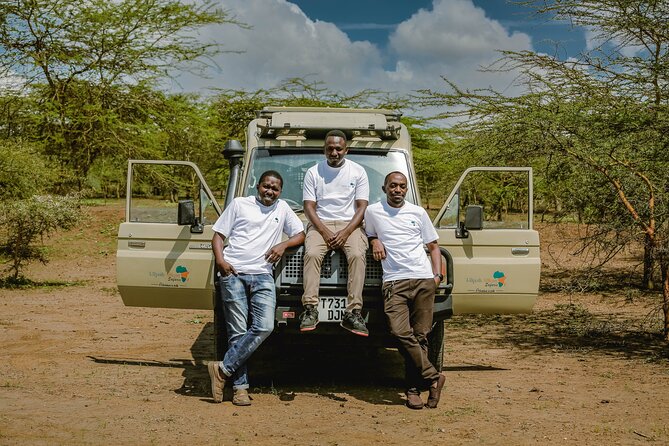
This is a camping safari, not a lodge-based holiday. The basic camping option has been described as sleeping in tents on both nights. That keeps the price within reach, but you should choose it for the outdoor experience, not for hotel comfort.
Camping can make the park feel closer and more immediate. You wake up in a setting connected to the safari rather than spending each night in a conventional room. At the same time, tent camping means simpler facilities and less privacy. The supplied details do not specify the exact campsites, tent equipment, bedding, or bathroom arrangements, so ask those questions before paying.
Food is included in a useful way: three lunches, two breakfasts, and two dinners. Picnic lunches are part of the safari routine, and the safari cook has received especially warm praise for preparing good meals and catering to different needs.
Do not expect a restaurant menu in the bush. Expect practical food served around the day’s route. If you have allergies, medical dietary needs, or strong preferences, tell the operator in advance rather than assuming the cook will know.
Tips for the driver-guide and safari cook are not included. Carry this cost separately and ask the operator what tipping practice is usual for the service you receive. Visas are also excluded, so you must arrange and pay for those yourself.
The experience offers pickup, and confirmation is provided when you book. The maximum group is six people, which is a useful limit for a shared safari. Smaller groups usually mean fewer delays when getting in and out of the vehicle, though the actual experience still depends on who joins the departure.
What the guide can add to your safari
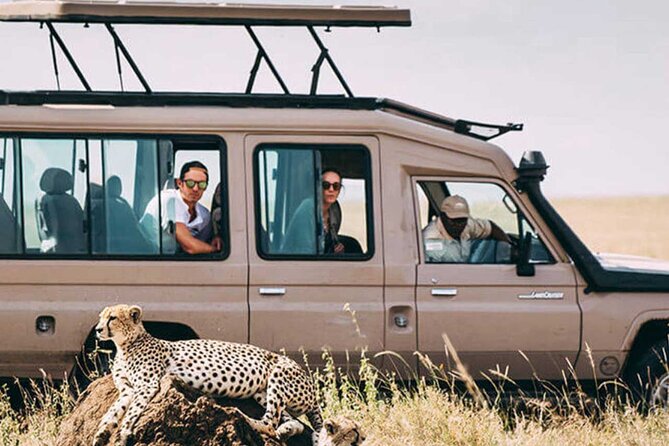
The guide is more than the person driving between animals. On this route, the guide can explain why grazing animals gather in one area, how kopjes help predators, and why sightings change with weather and season.
Several guide names appear in the tour’s customer feedback. Felix is repeatedly praised for being responsive before departure and for helping make the trip feel well organized. Simon is described as friendly and well informed about the parks and animals. Christian is praised for making a first safari easy to follow, while Bulldozer is credited with strong animal knowledge and good judgment.
You may not be assigned one of these specific guides, so treat the names as examples rather than a promise. Still, they show what to look for: a guide who explains the surroundings, listens to questions, drives with care, and does not rush every sighting.
Communication from the office is another practical strength. WhatsApp support has been useful for questions and planning, especially when arranging bookings around a safari. Use that channel to confirm the pickup time, camping arrangements, exact sleeping locations, and the return plan.
Is $810 per person good value?
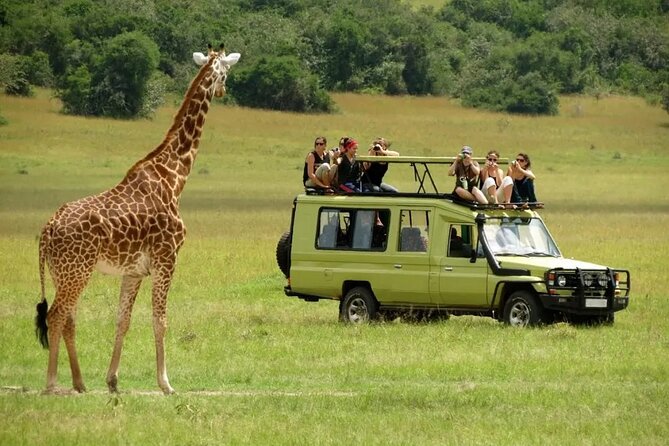
At $810 per person, this is not a cheap day trip. But a three-day route covering Arusha, Serengeti, and Ngorongoro includes transport, park access arrangements, game drives, camping, meals, a driver-guide, and a cook. Visiting both major destinations independently would require more planning and could cost more once vehicles, permits, food, and accommodation are added.
The strongest value comes from the combination of two parks and the six-person limit. You are paying for access to a difficult route, not only for the hours spent watching animals. The camping format is what helps keep the package below the price of many lodge safaris.
The value is weaker if you want slow travel, private guiding, or comfortable accommodation. Three days gives you a taste of the northern circuit, but it leaves little spare time. If your main goal is Serengeti migration viewing, the season and location matter greatly. One piece of feedback specifically noted that October can bring dry grass and more difficult sightings in Serengeti, while January or February may offer different conditions.
That does not make October a bad choice. It means you should match your expectations to the month. Ask where the animals are expected to be during your dates, rather than assuming the same sightings happen all year.
Who should book this safari?
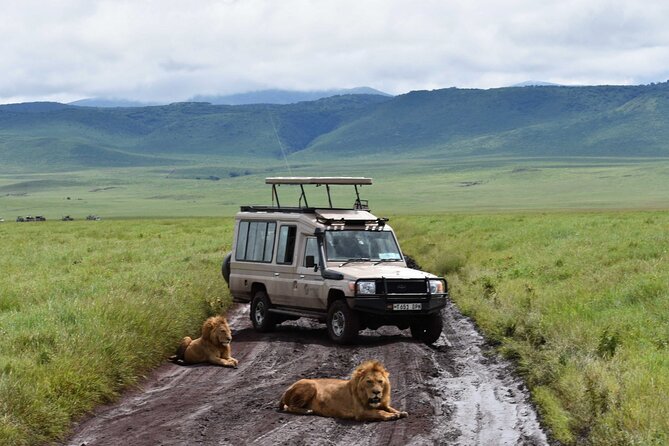
I would choose this trip if you have three days, want to see both Serengeti and Ngorongoro, and are comfortable with long drives and tent camping. It suits first-time safari visitors who want a broad introduction without arranging every part themselves.
It also suits people who value a small group and direct support before departure. The guides and cook are central to the experience, so the trip is a good fit if you enjoy learning as you go rather than simply being transported between photo stops.
I would hesitate if you need a fixed timetable, private space, or guaranteed access to a particular guide. I would also think twice if you want to spend several days in Serengeti alone. The route is efficient, but efficiency means long road days and limited room for detours.
The cancellation terms are forgiving if your plans change early. You can receive a full refund when cancelling at least 24 hours before the local start time. Changes or cancellations within 24 hours are not refunded, so check your schedule before the final cutoff.
Should you book the three-day Kilipath safari?
Book it if you want a practical, camping-based introduction to Tanzania’s two headline safari areas and accept that the first and last days involve substantial travel. The chance to see Serengeti’s open plains, hippos, elephants, kopjes, and predator country, followed by Ngorongoro’s concentrated wildlife, gives the short itinerary real range.
For the best experience, confirm the conflicting start-time information, ask exactly where you sleep, and check what wildlife conditions are expected during your month. If the answers suit you, $810 buys a well-rounded safari with meals, pickup, a small group, and the support of Kilipath African Safaris.
FAQ
How long is the safari?
The experience lasts approximately three days.
Where does the safari begin?
The safari begins in Arusha, Tanzania, with pickup offered from your accommodation.
What parks and protected areas are included?
The route includes Serengeti National Park and Ngorongoro Conservation Area.
How large is the group?
The activity has a maximum of six travelers.
Is this a camping safari?
Yes. It is described as a camping expedition, and the basic option includes sleeping in a tent on both nights.
What meals are included?
The price includes three lunches, two breakfasts, and two dinners.
Are tips included?
No. Tips for the driver-guide and safari cook are not included.
Are visas included?
No. Visa costs are not included.
Can I cancel for a full refund?
Yes, if you cancel at least 24 hours before the experience start time. Cancellations within 24 hours are not refunded.
What time does the safari start?
The itinerary lists an 8 a.m. pickup after breakfast at 7 a.m., while the meeting information gives a 3 p.m. start time. Confirm the exact departure time with Kilipath African Safaris before the trip.
More Volcano and Crater Tours in Tanzania
- 4 Days Tarangire Serengeti Ngorongoro Crater
★ 5.0 · 117 reviews - 5 Days Tanzania Group Joining Safari, Tarangire/Serengeti/Ngorongoro Crater
★ 5.0 · 85 reviews - 5 day safari Tarangire Serengeti and Ngorongoro crater
★ 5.0 · 83 reviews - 3 Days Small Group Safari to Serengeti NP and Ngorongoro Crater Tour in Tanzania
★ 5.0 · 77 reviews
More Volcano and Crater Tours in Arusha
- 5-Day Highlights mid-Range Crater, Serengeti, Tarangire
★ 5.0 · 296 reviews - Private 6-Day Tarangire Manyara Crater and Serengeti with Mid-Range Lodges
★ 5.0 · 238 reviews - 5 Days Camping Tarangire, Serengeti & Ngorongoro crater & Visiting Maasai
★ 5.0 · 229 reviews - 4 Days Join Group tour Tarangire Serengeti and Ngorongoro crater
★ 5.0 · 219 reviews
Just added around Arusha
- Serengeti & Ngorongoro fly in safari★ 5.0 · 76 reviews
- serengeti, ngorongoro & tarangire 5days private tour★ 5.0 · 77 reviews
- 3 Days Private Safari – manyara, Ngorongoro & Tarangire★ 5.0 · 94 reviews
- 05 Days Tarangire, Serengeti, Ngorongoro and Lake Manyara★ 5.0 · 54 reviews
- day trip tarangire★ 5.0 · 46 reviews
- 5 days safari, hiking & culture (Serengeti & kilimanjaro)★ 5.0 · 27 reviews
- 03 days Serengeti and Ngorongoro Crater group (camping)★ 5.0 · 75 reviews
- 4 Days Private Safari – Tarangire, Serengeti & Ngorongoro Crater★ 5.0 · 28 reviews
Arusha National Park Tours, compared.
Balloon Safari & Bush Breakfast in Serengeti – Miracle Experience
Read our review →
3 Days Serengeti & Ngorongoro Group Camping Safari
Read our review →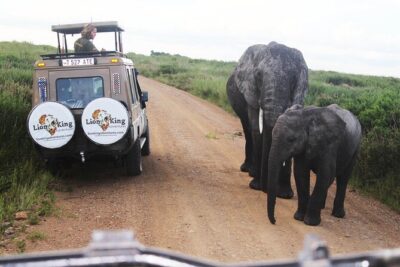
5-Day Highlights mid-Range Crater, Serengeti, Tarangire
Read our review →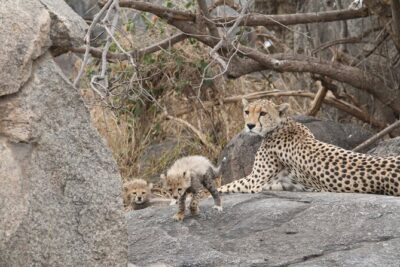
Private 6-Day Tarangire Manyara Crater and Serengeti with Mid-Range Lodges
Read our review →
5 Days Camping Tarangire, Serengeti & Ngorongoro crater & Visiting Maasai
Read our review →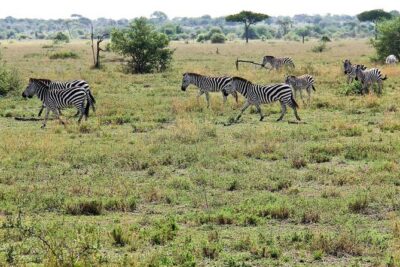
4 Days Join Group tour Tarangire Serengeti and Ngorongoro crater
Read our review →