
Review · TANZANIA
4 Days Tarangire, Serengeti, Ngorongoro Group Camping Safari
Tarangire’s elephant herds and giant baobabs make a powerful first act, but the real appeal is the range packed into four days: open Serengeti plains, a sunrise game drive, and Ngorongoro’s wildlife-filled volcanic bowl. I like the small group of up to six and the fact that park fees, meals, water, camping, and a 4×4 are included. I also like the guides’ personal touch, with Steve and Anthony singled out for friendly service, safe driving, and strong game-spotting skills.
The main drawback is the pace. You cover long distances between parks, and the trip is not gentle on your back. One poor vehicle report also makes it smart to confirm the safari vehicle and the final booking price before paying.
Key points at a glance
- Tarangire opens the trip with elephants and baobabs, plus morning and afternoon game drives on the first day.
- Serengeti receives a sunrise game drive, giving you a chance to look for predators while the plains wake up.
- Ngorongoro Crater packs abundant wildlife into one morning, with the Big Five possible in the crater setting.
- Camping keeps you close to the wild, but you should expect cool nights, simple conditions, and outdoor sounds.
- A six-person maximum keeps the vehicle manageable, giving you a better chance of seeing and hearing your guide.
- The $1,150 price includes the expensive basics, though the long drives and modest camping style may not suit every budget.
What four days really gives you
This is a compact northern Tanzania safari that links three famous areas in a logical route from Arusha. You leave early, spend much of the day watching wildlife or driving between parks, sleep at camp, and repeat the process for three nights.
That rhythm is the point. You are not staying in one lodge and taking short outings. You are moving through different habitats, from Tarangire’s dry woodland and baobabs to Serengeti grassland and the enclosed Ngorongoro Crater.
You should also set realistic expectations. Four days is enough for a strong first safari, but it is not enough to explore every part of these parks. Long road sections are part of the cost of seeing all three, especially the transfer from Tarangire to Serengeti and the later drive toward Ngorongoro.
The group limit of six is useful. A packed vehicle can make wildlife viewing feel cramped, while six people gives you a reasonable amount of room for camera bags, water, and binoculars. The guide speaks English, and a company representative meets you at your hotel reception before departure with a sign bearing your name.
More Safari Tours in Tanzania
- Serengeti Balloon Safari and authentic bush breakfast
★ 5.0 · 2,480 reviews - Balloon Safari & Bush Breakfast in Serengeti – Miracle Experience
★ 5.0 · 1,646 reviews - From Zanzibar: Mikumi Safari Day Trip with Flights and Meal
★ 4.7 · 1,470 reviews
Day 1: Tarangire’s elephants and baobab country
Your first day begins with an early departure from Arusha and a drive toward Tarangire National Park. That early start matters because you get a full day in the park rather than a rushed afternoon visit.
Tarangire is known for large elephant groups and its striking baobab trees. The combination gives this first game drive a strong sense of place. You are not simply checking animals off a list. The trees, dry country, and herds help you understand why this park feels different from Serengeti.
The plan includes a morning game drive, lunch in the park, and another game drive in the afternoon. That split is practical. Wildlife patterns change during the day, and the second outing gives you another chance after the heat and midday rest.
You might see elephants at close range, along with other park wildlife, but no safari can promise a particular animal. The guide’s role is important here. Steve is known for being friendly and helping create a smooth safari, while the guide will also help interpret animal behavior and point out details you could easily miss.
After the afternoon drive, you head to camp for the night. Camping in or near a major wildlife area means you should expect a basic, outdoors-focused evening rather than hotel comforts. You will sleep under the stars, with the setting itself forming part of the experience.
Day 2: The long road to the Serengeti
After breakfast, you travel toward Serengeti National Park. This is one of the longer transit days, so do not book this trip expecting hours of wildlife viewing every day. The reward is access to one of Africa’s most famous wildlife areas.
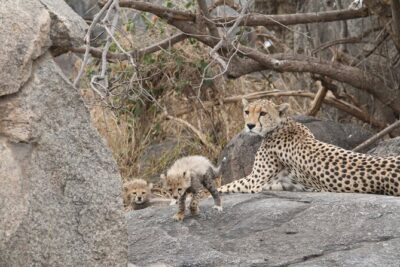
The Serengeti is known for broad plains, large herds, and predators such as lions and cheetahs. It is also linked with the Great Migration, although the animals’ exact location changes with the season. A four-day route can introduce you to the Serengeti, but it cannot guarantee that you will see the migration at a particular point.
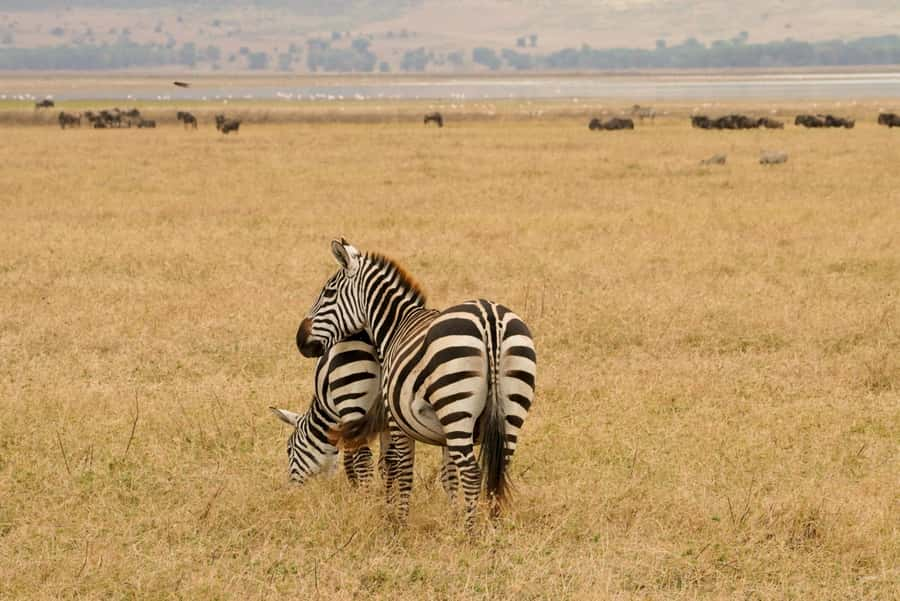
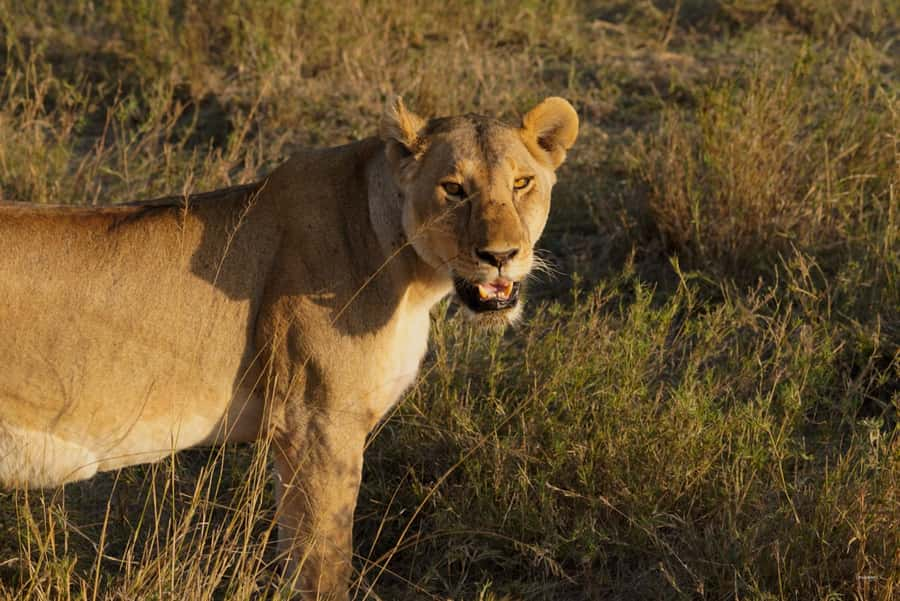
Once you reach the park, an afternoon game drive takes you across the plains. This is your first proper look at the Serengeti, and the open setting can make animal sightings feel very different from Tarangire. Zebras, lions, giraffes, and other wildlife are possible, but the guide must work with the conditions and the animals’ movements.
You then camp in the Serengeti. This is the most direct way to feel the setting after dark. It also means you should bring the right clothing and approach the night with a little flexibility. Temperatures can fall to about 5°C, so a warm sweater, jacket, and socks are not optional extras.
Day 3: A Serengeti sunrise, then Ngorongoro
Day three begins early with a sunrise game drive. This is one of the best planned parts of the schedule because early hours may offer a chance to see predators active before the day grows hot. The plains also change in appearance as daylight spreads across them.
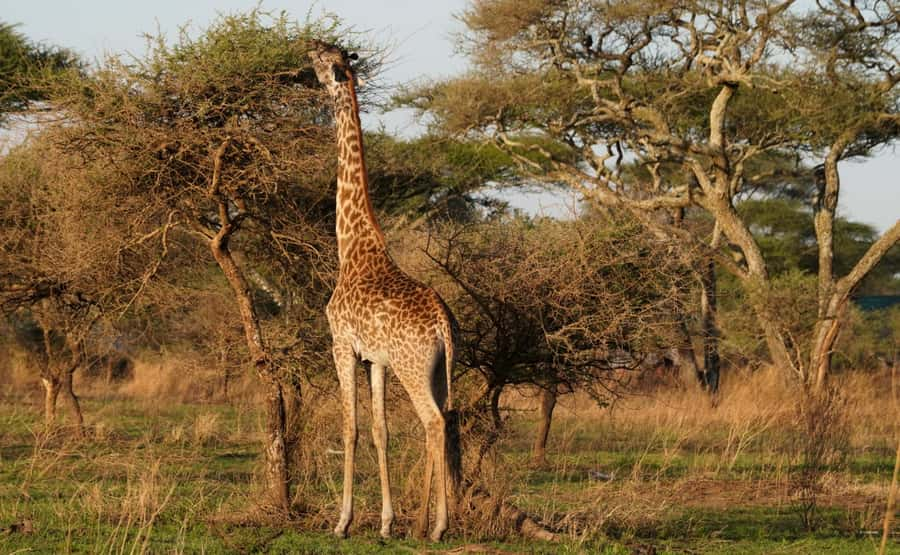
You return to camp for lunch before driving toward Ngorongoro. The transfer offers broad Tanzanian views, but it also adds another long stretch in the vehicle. If you have back trouble, this is a serious consideration. The tour specifically is not suitable for people with back problems, and the rougher roads can make the journey tiring.
The route ends at camp near Ngorongoro, where you have an evening to rest before the final game drive. This stop is less about seeing more animals that day and more about placing you near the crater for an early start.
Anthony has been praised for cheerful guiding and for handling rough paths safely. That kind of driving matters on a camping safari, where the road quality and long hours can shape your comfort as much as the wildlife does.
Same park country, a different day out:
- From Zanzibar: Day Selous Game Reserve Safari with Flights
★ 4.7 · 1,025 reviews - 3 Days Serengeti & Ngorongoro Group Camping Safari
★ 5.0 · 574 reviews - 5-Day Highlights mid-Range Crater, Serengeti, Tarangire
★ 5.0 · 296 reviews - Safari Serengeti And Ngorongoro
★ 5.0 · 288 reviews
Day 4: Wildlife inside Ngorongoro Crater
The final morning takes you down into Ngorongoro Crater for a game drive. The crater is a UNESCO World Heritage site and a volcanic caldera with a high concentration of wildlife. Its enclosed setting gives you a good chance to see several species during one outing.
The Big Five are associated with the crater, and the itinerary presents them as a possibility rather than a promise. You may see lions and other large animals, but wildlife remains unpredictable. A good guide will help you make the most of what is present on the day.
After the crater drive, you return to the rim and begin the drive back to Arusha. The stated arrival is in the afternoon, although road conditions, park activity, and the distance can affect the exact timing. Avoid scheduling a tight onward flight or important appointment that same day.
The crater is an efficient final stop for this route. After the wide Serengeti, you get a concentrated wildlife setting before returning to town. The tradeoff is that the last day includes both a game drive and a long return journey, so it can feel full rather than leisurely.
Camping, meals, and daily comfort
Camping is central to this trip, not a minor detail. You spend three nights in remote settings, including Tarangire, Serengeti, and a camp near Ngorongoro. If you want hotel beds, private bathrooms, and a slow evening after each drive, this is probably the wrong format.
If you enjoy simple outdoor travel, the arrangement has real appeal. You wake close to the parks, spend evenings surrounded by natural sounds, and avoid turning every night into a return to Arusha or another town.
Meals are included during the safari, and the food receives especially strong praise. A personal chef prepared three meals a day for one group, and the cooking was remembered as one of the trip’s best features. You should still ask exactly how meals are served if you have allergies or dietary restrictions, since the available information does not spell out special-diet arrangements.
Mineral water is also included. Bring your own reusable bottle if you prefer, but do not assume every personal drink or snack is covered.
Pack light. The luggage limit is 10 kilograms per person, and duffel bags are recommended. Extra luggage can be stored at your hotel. Neutral clothing such as beige, green, and white is advised, along with a warm layer for cold nights. Mosquito repellent with a high mint concentration is also recommended.
Bright colors are not allowed, and you must not feed or touch animals. These rules are simple, but they protect both you and the wildlife.
The guide and vehicle can make or break the trip
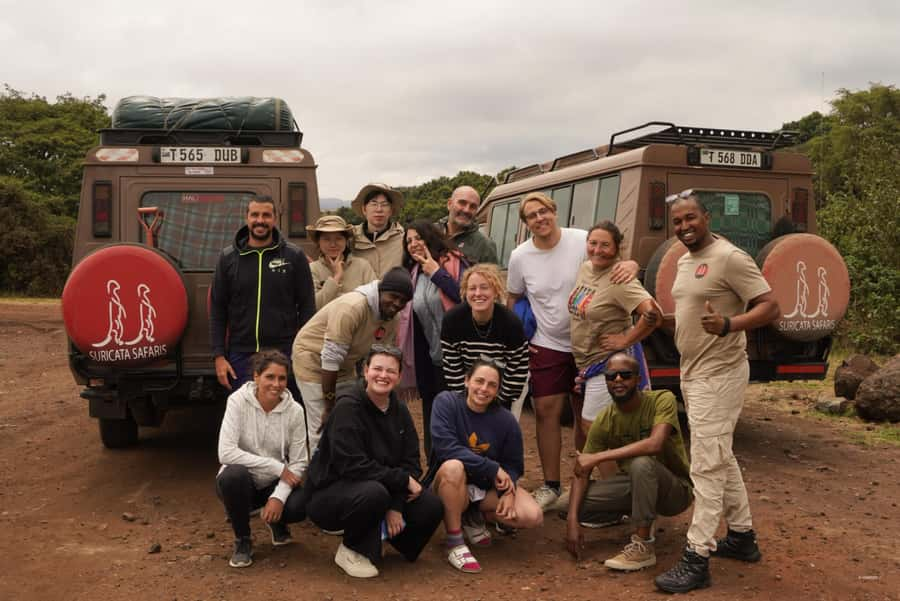
A safari guide is not only a driver. Your guide controls the pace, explains what you are seeing, and helps decide where to spend time. The strongest personal feedback here centers on friendly guides, safe driving, good food, and the ability to handle rough roads.
Steve is named as a friendly guide who helped create a successful safari. Anthony is praised for cheerful daily guiding and careful driving on difficult tracks. Melita John visited a hotel before departure to explain the schedule and lend binoculars, a useful service if you want to understand the plan before setting off.
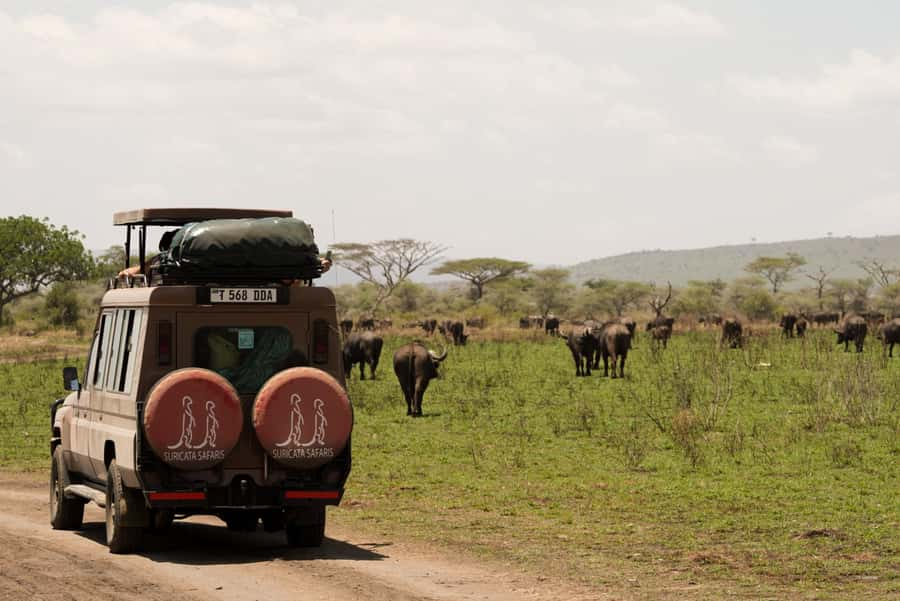
The vehicle deserves equal attention. One very poor account described the car as terrible, so I would ask the operator for confirmation about the 4×4 vehicle, seating, and mechanical condition before booking. The information promises 4×4 transport, but it does not specify the vehicle model, age, charging points, or whether every seat has an unobstructed window.
Binoculars are worth bringing. The guide will have one available to share, but a personal pair saves you from waiting and helps with distant animals and birds.
Is $1,150 good value?
At $1,150 per person, this is not a cheap weekend outing, but the price includes several major safari costs: 4×4 transport, an English-speaking professional guide, park entrance fees, accommodation, meals, and mineral water.
Park fees and vehicle costs are a large part of a northern Tanzania safari budget. Adding three major wildlife areas in four days also gives the price practical value, especially for someone who wants a first safari without arranging each transfer separately.
The value drops if you dislike long drives or basic camping. You are paying for access and logistics, not luxury. International and domestic flights, visas, and travel insurance are extra, so calculate the full trip cost rather than treating $1,150 as the complete holiday price.
I would also verify the final price and the identity of the operating company before payment. Suricata Safaris Ltd is listed as the provider, while one booking complaint alleged a large intermediary markup. That does not prove a problem with this particular reservation, but it is a good reason to compare the direct price and check what company actually operates your departure.
Who should book this safari?
I would recommend it to you if you want a first taste of northern Tanzania, prefer a small group, and are comfortable with tents, early starts, rough roads, and changing camp locations.
It suits people who value wildlife range over a relaxed timetable. In four days, you get elephants and baobabs, Serengeti plains, a sunrise drive, and Ngorongoro wildlife. That is a strong sample of Tanzania.
I would be cautious if you have back problems, use a wheelchair, are bringing a baby under one year, or are over 95. The activity is not suitable for those groups. I would also choose a longer safari if you want more time in each park and less time on the road.
Should you book it?
Book this safari if your priority is seeing three major northern Tanzania parks on a controlled budget, with meals, fees, transport, and camping arranged for you. The small group and highly praised food add genuine value, while guides such as Steve and Anthony give the trip a personal face.
Before booking, confirm the vehicle, luggage arrangements, camping standards, and final price. If those details check out, this is a strong, fast-moving introduction to Tarangire, Serengeti, and Ngorongoro. If you want comfort and unhurried game drives, spend more days and choose a lodge-based plan instead.
FAQ
Where does the safari start and finish?
The safari starts and ends in Arusha. Pickup is included, with a company representative meeting you at your hotel reception.
How long is the safari?
The safari lasts four days and includes three nights of camping.
Which parks does the tour visit?
The route visits Tarangire National Park, Serengeti National Park, and Ngorongoro Crater.
What is included in the price?
The price includes 4×4 safari transport, a professional English-speaking guide, park entrance fees, mineral water, accommodation, and meals during the safari.
Are flights and visas included?
No. International and domestic flights, visas, and travel insurance are not included.
How many people are in the group?
The group is limited to six participants.
What should I pack?
Pack neutral-colored clothing, a warm sweater, socks, and a jacket. Night temperatures can reach about 5°C. Bring no more than 10 kilograms, preferably in a duffel bag, and pack mosquito repellent with a high mint concentration.
Are binoculars provided?
The guide will have binoculars available to share. Bringing your own pair may make wildlife viewing easier.
Can I cancel the booking?
You can cancel up to 24 hours in advance for a full refund. The reserve-now-and-pay-later option allows you to hold your plans without paying immediately.
More 4-Day Experiences in Tanzania
- 4 Days Join Group tour Tarangire Serengeti and Ngorongoro crater
★ 5.0 · 219 reviews - 4-Day Safari from Arusha: Tarangire, Serengeti and Ngorongoro
★ 5.0 · 173 reviews - 4 Days Tarangire Serengeti Ngorongoro Crater
★ 5.0 · 117 reviews - 4 Days Tarangire, Serengeti and Ngorongoro Mid-Range Group Safari
★ 5.0 · 84 reviews
Just added around Tanzania
- Serengeti & Ngorongoro fly in safari★ 5.0 · 76 reviews
- serengeti, ngorongoro & tarangire 5days private tour★ 5.0 · 77 reviews
- 3 Days Private Safari – manyara, Ngorongoro & Tarangire★ 5.0 · 94 reviews
- 5 days safari, hiking & culture (Serengeti & kilimanjaro)★ 5.0 · 27 reviews
- 05 Days Tarangire, Serengeti, Ngorongoro and Lake Manyara★ 5.0 · 54 reviews
- day trip tarangire★ 5.0 · 46 reviews
- Tanzania safari with guide in Italian, the great Migration of the Serengeti★ 5.0 · 23 reviews
- 03 days Serengeti and Ngorongoro Crater group (camping)★ 5.0 · 75 reviews
Tanzania National Park Tours, compared.
Serengeti Balloon Safari and authentic bush breakfast
Read our review →
Balloon Safari & Bush Breakfast in Serengeti – Miracle Experience
Read our review →
Mikumi Safari Day Trip with Flights and Meal
Read our review →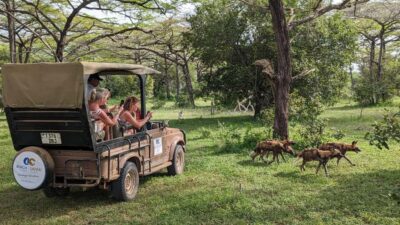
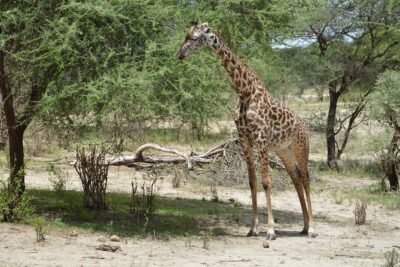
3 Days Serengeti & Ngorongoro Group Camping Safari
Read our review →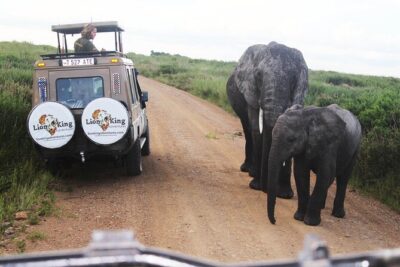
5-Day Highlights mid-Range Crater, Serengeti, Tarangire
Read our review →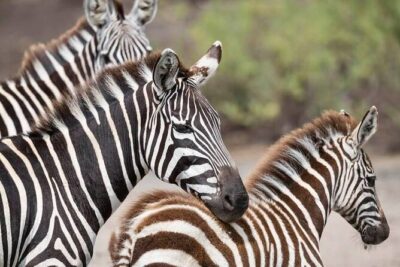
Browse the lists this tour appears in