
Review · MARSEILLE
From Marseille: Calanques National Park E-Mountain Bike Tour
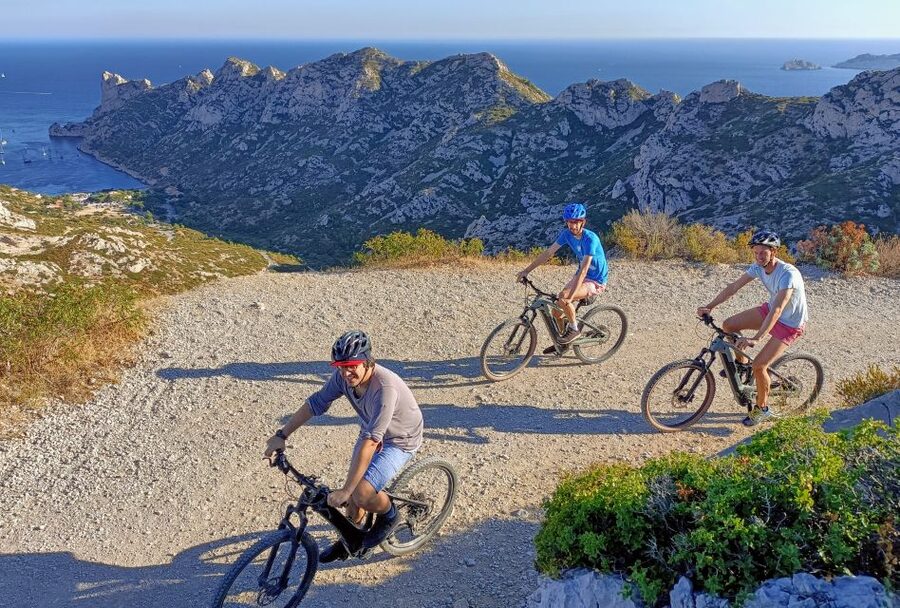
The best part of this four-hour ride is how quickly Marseille gives way to wild coastal country. You leave Pointe Rouge, pass through Château Pastré, climb into the hills above the city, and reach views toward Calanque de Sormiou that would be hard to find on a normal sightseeing tour. The electric bike helps, but this is still a real off-road ride.
I like the varied route, which mixes beachside streets, dusty paths, rocky tracks, and steep roads. I also like the small-group format, limited to 10 people, and the guides’ care with pace and bike adjustments. Guides such as Iris, Martin, Cyril, and the two-person team noted by Alexis have made the experience feel friendly and well managed.
The main catch is simple: this is not a gentle cycle around Marseille. You need closed shoes, a reasonable level of fitness, and some comfort on loose or uneven ground. The e-bike makes the climbs easier, but it does not remove the need to handle a mountain bike on rocky descents.
Key points to know before booking
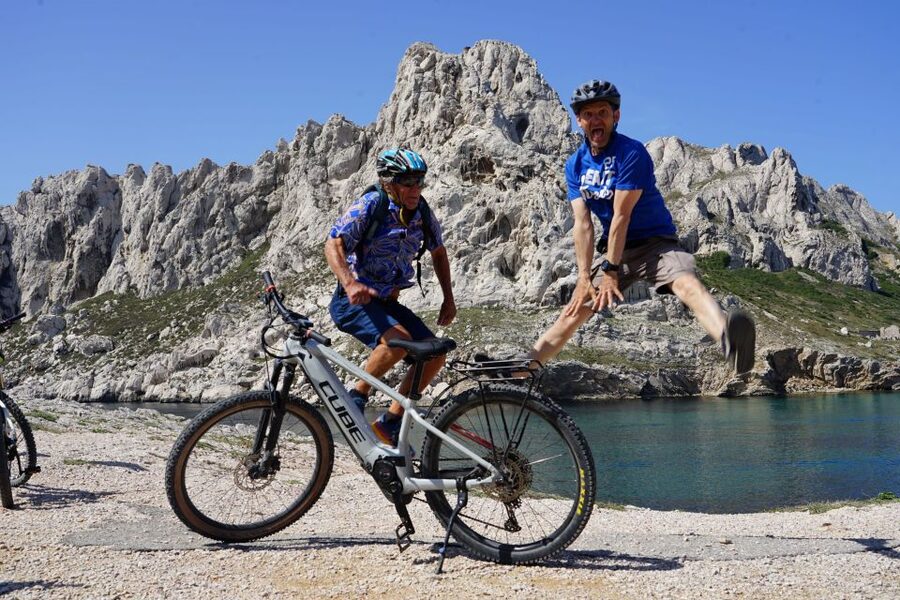
- A proper off-road route: Expect rocky, dusty, and hilly trails rather than smooth bike paths.
- Electric assistance helps on climbs: The bikes make steep sections manageable, but you still need to pedal and steer confidently.
- The views are the payoff: Look for wide views of Calanque de Sormiou, the Massif des Calanques, and Marseille’s southern coast.
- A possible beach stop: The route can include about an hour at a beach, so pack a swimsuit and snack if you want to make use of it.
- Small groups make a difference: No more than 10 people allows the guide to adjust bikes and keep an eye on different riding speeds.
- Easy enough for active riders, not complete beginners: Some mountain-bike experience is useful on rocks, sand, and fast downhill sections.
Why this is a different way to see the Calanques
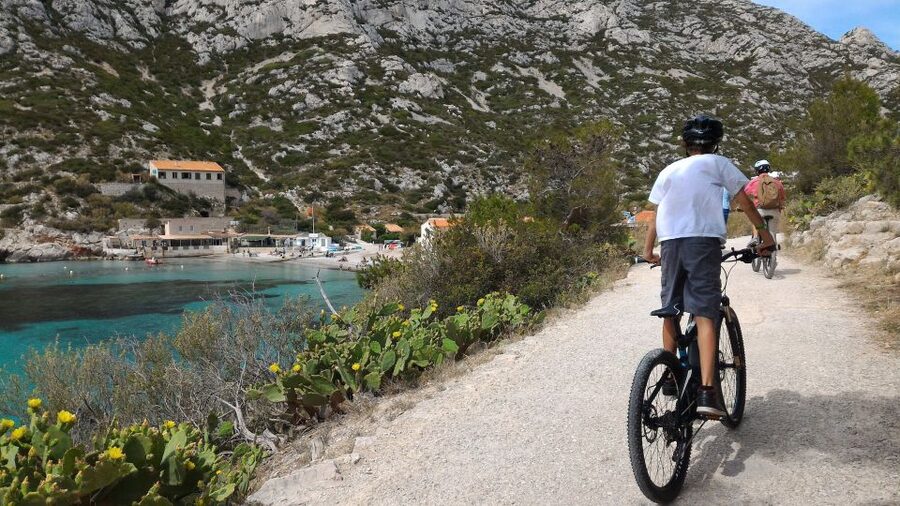
The Calanques are famous for pale limestone cliffs, narrow coastal inlets, and bright Mediterranean water. Many people see them from a boat, by car, or on foot. This tour gives you a more active route through the inland side of the park, where the reward comes from reaching viewpoints under your own power.
You are not simply pedaling along a flat waterfront. The route passes through the Château Pastré park and continues toward Montagne de l’Aigle, Parc de la Fontaine d’Ivoire, and the Crête des Escampons. These names may not mean much before the ride, but together they form a varied circuit between Marseille’s southern suburbs and the Calanques.
I like that the route shows how close the rugged hills are to the city. You can spend part of the morning or afternoon on rough mountain trails, then return through Roy d’Espagne toward Pointe Rouge. That sharp change between city and open country is one of the experience’s strongest features.
The tour also has a clear local angle. Your guide explains the natural history of the area and adds stories and details about the places you pass. Guides speak English, French, and Spanish, although the guide leading your particular departure may be multilingual.
A few more park trips around Marseille worth a look
- Marseille: Full-Day Guided E-Bike Coast & Calanques Tour
★ 4.8 · 95 reviews - Marseille: Calanques Shore Excursion Electric Bike Day Tour
★ 4.7 · 38 reviews - Big Island: Fat Tire E-Bike Tour through Volcanoes National Park
★ 5.0 · 546 reviews
Starting at Pointe Rouge and Château Pastré
The meeting point is at EVTT Provence, 3 Avenue d’Odessa, in front of the Avia gas station. The shop is inside the Résidence Le Grand Large garage, across the road near the restaurant Le Carré. A street sign marks the location, but allow a little time to find the entrance because the shop is inside the garage rather than in a prominent street-front storefront.
There are no toilets at the shop. Free public toilets are about 50 meters beyond the gas station, near the bus stop. Use them before the ride, since toilet access during the route is limited. One stop has been described as less than clean, so this is a small but useful detail to handle before setting out.
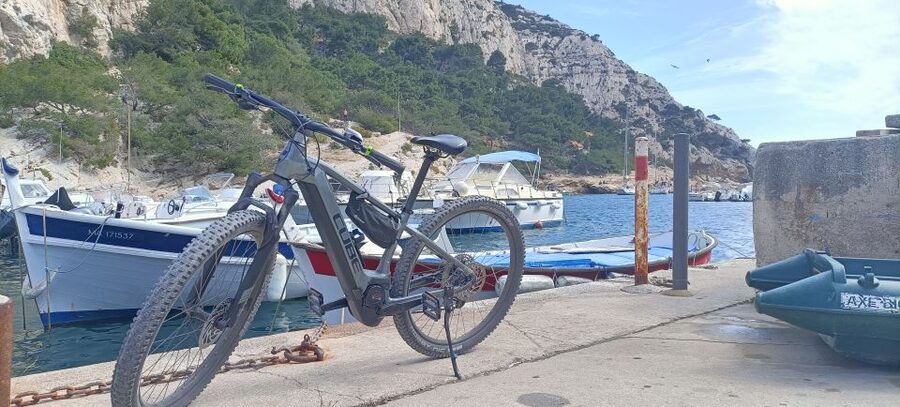
At the start, you get an electric mountain bike, helmet, and gloves. The guide helps you become familiar with the controls before leaving Marseille. The bikes have received strong marks for condition, with one rider specifically describing a nearly new Cube bike. Still, one bike reportedly ran out of power on a past outing, so it is sensible to check the battery before departure.
The first stretch takes you through the attractive grounds of Château Pastré. This is a comfortable way to get used to the bike before the rougher sections. You can settle into the electric assistance, test the brakes, and learn how the group will ride together.
Montagne de l’Aigle and Fontaine d’Ivoire
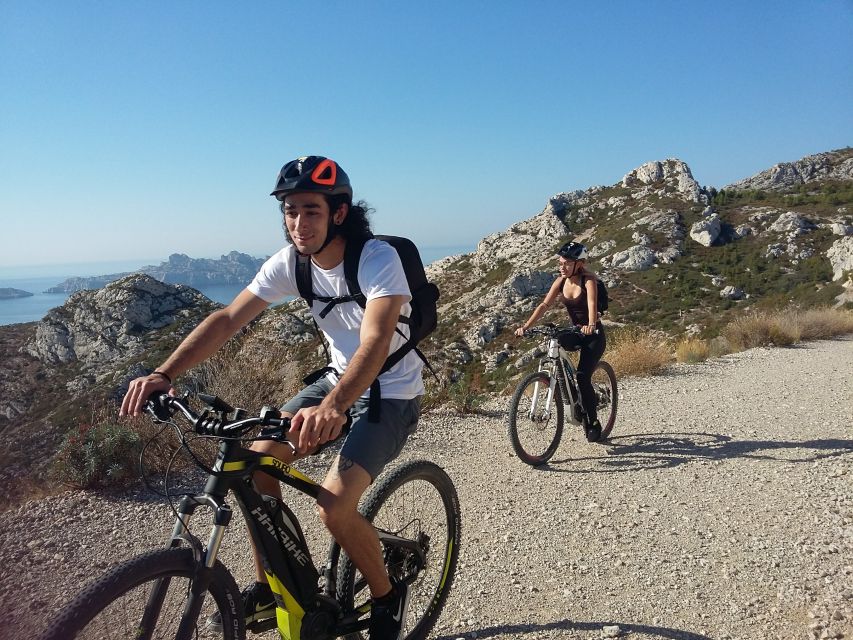
The ride then heads toward the trails of Montagne de l’Aigle. Here, the character changes. Expect uneven tracks, loose dust, rocky patches, and climbs that require steady control. The electric motor gives you assistance as you pedal, but it does not steer around stones or keep the bike balanced for you.
If you are a regular cyclist who has handled rocks or sand before, this section should feel like a fun challenge. If your experience is limited to city bikes or smooth cycleways, the rough ground may feel daunting at first. A past rider described the route as a mix of beachside streets, walking paths, and rocky, hilly tracks, which is a good picture of what to expect.
The guide’s role matters here. The group normally stays together, and the guide can help with adjustments and pace. Several riders praised guides for making people feel comfortable and for paying attention to different speeds. That is especially useful when a group includes both confident mountain bikers and riders who need a little more time on technical sections.
At Parc de la Fontaine d’Ivoire, the reward is a series of open views across the surrounding hills and coast. You will ride up and down rather than stop at one single lookout. The route feels active, but the stops give you time to take in the scenery and hear about the area’s plants, terrain, and natural setting.
Col de Cortiou and the view toward Sormiou
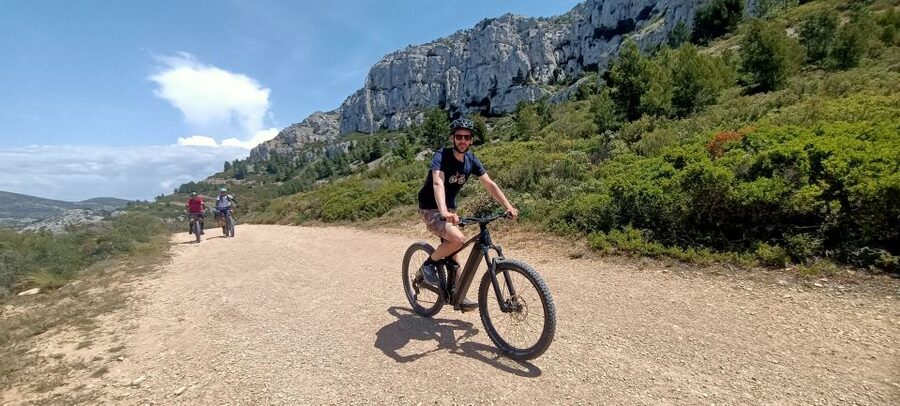
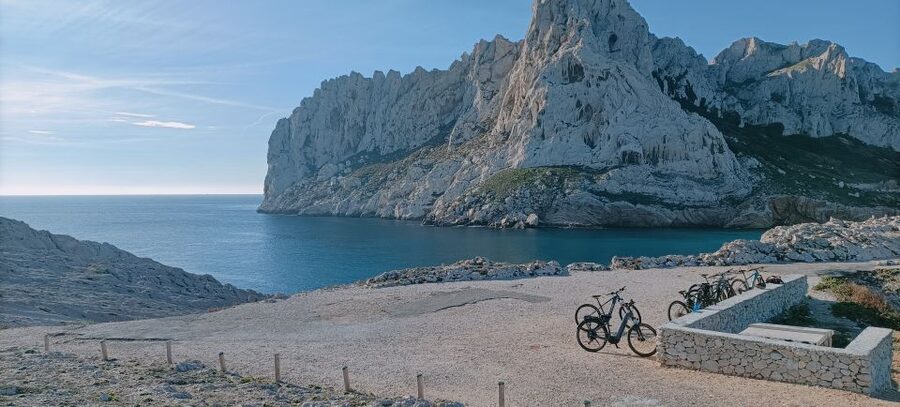
One of the big moments comes at Col de Cortiou. From this mountain pass, you get a striking view toward Calanque de Sormiou, one of the best-known inlets in the area. The view is the reason to accept the climbs and dusty tracks earlier in the ride.
The pass also shows why this tour suits people who want more than a quick photo stop. You reach the viewpoint by bike, not by shuttle. The physical effort becomes part of the memory, and the changing height gives you a better sense of the Calanques’ rough coastal form.
After the pass, the route includes a steep road. This is where the electric assistance earns its keep. You still need to pedal, but the motor can take the edge off the gradient. Riders have found the climbs easier than expected, while others have warned that the tour is sweaty and higher intensity, especially in warm weather.
Take the guide’s advice on the motor settings and do not wait until you are exhausted before using the assistance. Comfortable, loose-fitting clothes are sensible. Bring sunscreen, sunglasses, and a sun hat, since the route is an outdoor activity and the Mediterranean sun can be strong.
Same park country, a different day out:
- From Marseille: Iconic Calanques Boat Tour with Swimming
★ 4.7 · 1,017 reviews - Marseille: Côte Bleue Calanques Half-Day Kayak Tour
★ 4.7 · 877 reviews - Marseille: Côte Bleue Calanques Boat Tour with Swimming
★ 4.5 · 663 reviews - Marseille: Calanques National Park Guided Hike with Picnic
★ 4.9 · 516 reviews
The Crête des Escampons and return through Roy d’Espagne
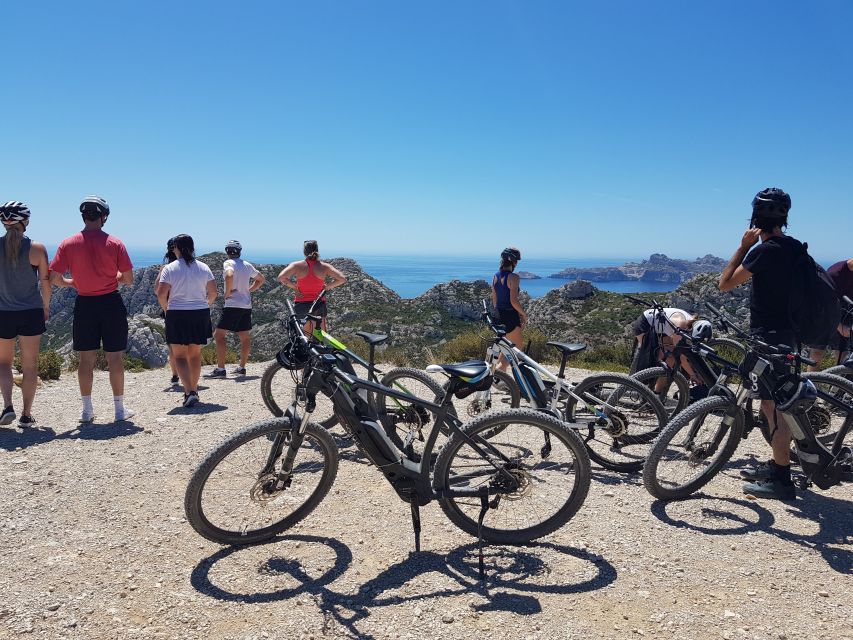
The ride continues along the Crête des Escampons, between Marseille and the Massif des Calanques. This section gives you another angle on the area, with the city and coastal hills connected in one long route. It is a useful reminder that the park is not an isolated attraction far outside Marseille. The wild terrain begins close to the city’s southern edge.
The return passes through Roy d’Espagne, a southern suburb, before heading back toward Pointe Rouge. This final section can feel more urban, and one rider found the traffic near the bike shop a little chaotic when unfamiliar with French road rules. Keep your attention up as you leave the trails and rejoin ordinary streets.
The changing surfaces are part of the appeal, but they also demand concentration. You may be relaxed at the viewpoint, then focused again on a rocky turn a few minutes later. This is not the ride for someone hoping to sit back and let the bicycle do all the work.
The beach stop and what to pack
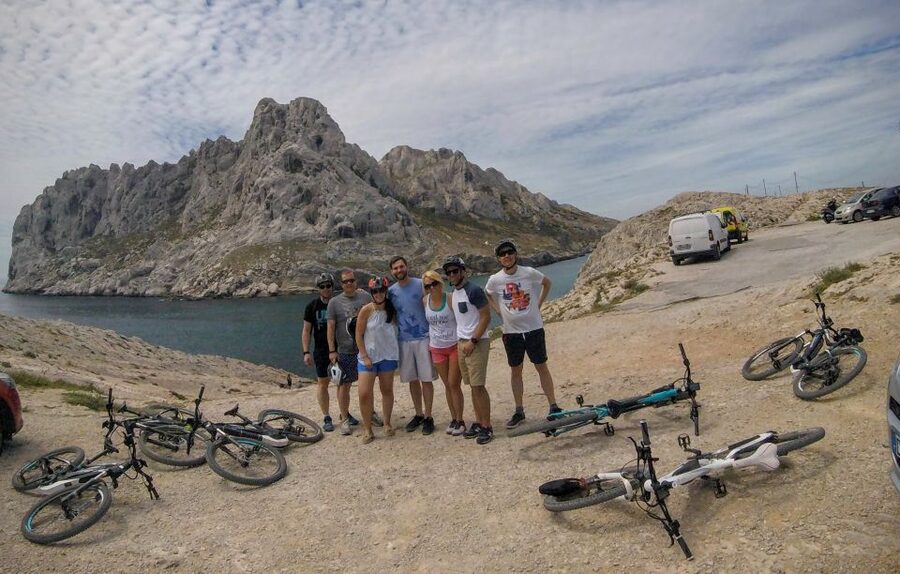
A beach stop of about an hour may be included during the outing. The exact timing is not specified, so do not treat it as a guaranteed long swim unless your guide confirms it. Still, bringing a swimsuit and a small snack is a smart idea, especially in warm weather.
The beach adds welcome variety to the ride. After the climbs, a chance to cool off near clear water can make the four-hour outing feel less like a fitness session and more like a full coastal day. It also gives slower riders a chance to relax before the return route.
There is only limited toilet access, so plan accordingly. Wear closed-toe shoes. Sandals, flip-flops, platforms, and high heels are not suitable for the bike or the rocky ground. Gloves and helmets are provided, but you should bring your own water, since water is not listed among the included equipment.
How hard is the electric mountain bike ride?
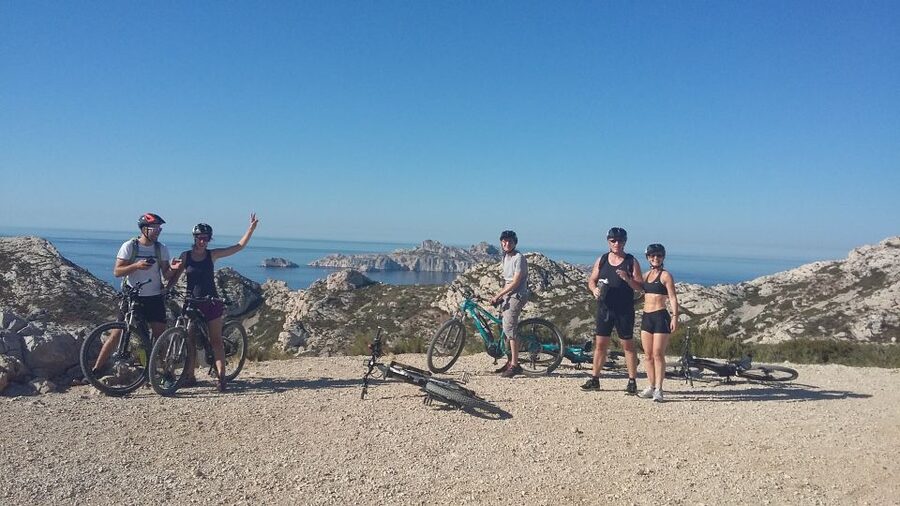
The most accurate description is active and moderately demanding, with some harder climbs and technical surfaces. You do not need to be in peak athletic shape, since the electric motor assists while you pedal. But you should be comfortable riding a bike and willing to work up a sweat.
The difficult parts are not limited to uphill pedaling. Dust, rocks, sand, and downhill stretches require balance and control. One regular cyclist said riders with little experience might find the handling daunting. Another noted that mountain-bike familiarity is useful because some tracks are rocky and descents can be fast.
I would choose this tour if you already ride bikes with confidence and like the idea of a little adventure. I would hesitate if you are nervous on uneven ground, have not ridden for years, or want a calm sightseeing trip. The operator requires participants to be at least 15 years old, and everyone’s height must be provided when booking so the bikes can be prepared properly.
Weather also matters. The outing can be cancelled in poor conditions, with the choice of another date or a full refund. In hot weather, start with enough energy for the return ride rather than spending it all on the first climbs.
Guides, group size, and the personal feel
The maximum group size is 10 people, which is a good fit for a route that needs regular regrouping. A guide can explain local natural history, help with bike settings, and watch for riders who need a slower pace. Some departures may use two guides, especially when the group needs more support.
The guides named in past departures include Iris, Martin, and Cyril. Iris was praised for being attentive and well informed about the area. Martin was noted for leading a well-paced outing, while Cyril was described as friendly, fun, and good at bringing the group together.
That does not guarantee a particular guide on your date, but it gives you an idea of the service style to expect. The tone appears more personal than a large coach excursion, and the group size allows for questions and small adjustments.
The route is described as exclusive to this operator, meaning the company presents it as a trail combination not used by other local guides. Treat that as a feature of the planned route rather than a promise that you will have every viewpoint completely to yourself.
Is $84 a fair price?
At $84 per person, the price includes the guide, electric mountain bike, helmet, and gloves. Hotel pickup and drop-off are not included. For four hours of guided riding with a supplied e-bike, the cost is reasonable if you would otherwise need to rent equipment and plan the route yourself.
The value is strongest for visitors who want access to rougher paths without arranging a bike, navigation, and safety plan. You also get local explanations and a route that links several park areas with views toward Sormiou. The price is less appealing if you already have a bike, know the Calanques well, or mainly want an easy beach ride.
The tour does require more from you than a standard attraction. You pay partly for the equipment and guide, but also for the chance to reach places that are awkward to connect by public transport. Since the route can include an hour at a beach and several viewpoints, it works best when you treat it as an active half-day rather than a short bike rental.
Free cancellation is available up to 24 hours before the start, and you can reserve while paying later. Those terms are useful if your Marseille schedule depends on weather or a cruise timetable.
Getting there and planning your morning
The starting point is near Pointe Rouge, not in the Old Port. You will need to make your own way to 3 Avenue d’Odessa, since transport from your hotel is not included. The meeting point is accessible by metro and bus from central Marseille, according to the practical experience of past riders, but check the current route and allow time to find the garage entrance.
Arrive ready to ride rather than dressed for a city walk. Closed athletic shoes, loose clothing, sunscreen, sunglasses, and a hat are the right basics. Bring a swimsuit and snack if you want to use the beach stop, and plan for heat during the climbs.
The tour lasts four hours, though one past booking described it as a little shorter than expected. Starting times vary, so check availability when you book. A multilingual guide may lead the group, with English, French, and Spanish offered.
Who should book this tour?
Book it if you want to see the Calanques through a mix of effort, scenery, and local explanation. It is especially good for active visitors who have limited time in Marseille and want more than the central sights. You get coastal views, park trails, a beach possibility, and a strong sense of how close the natural areas are to the city.
I would also recommend it to confident cyclists who are curious about electric mountain bikes. The motor makes the hills more approachable, and you do not need elite fitness. You do need to accept rocks, dust, sweat, and occasional traffic on the way back.
Skip it if you want a flat ride, dislike loose surfaces, or are uncomfortable descending on a mountain bike. The electric assistance is helpful, but it is not a magic button. For the right rider, though, this is a memorable and well-priced way to reach Calanques viewpoints that a normal city tour would miss.
FAQ
How long does the Calanques e-mountain bike tour last?
The tour lasts four hours. Starting times vary, so you need to check availability for your chosen date.
Where does the tour start?
It starts at EVTT Provence, 3 Avenue d’Odessa, in front of the Avia gas station. The shop is inside the Résidence Le Grand Large garage, across the road near the restaurant Le Carré.
Is hotel pickup included?
No. You must make your own way to the meeting point.
What equipment is provided?
The tour includes an electric mountain bike, helmet, and gloves. The guide is also included.
What languages are available?
Guides can lead the activity in English, French, or Spanish. A multilingual guide may lead your departure.
How old must participants be?
You must be at least 15 years old to take part.
Is mountain-bike experience required?
The information does not require previous mountain-bike experience, but the route includes steep climbs, rocky trails, dusty tracks, and downhill sections. Some comfort on a bike and a reasonable level of fitness are advised.
What should I wear?
Wear closed-toe shoes and comfortable, loose-fitting clothing. Avoid sandals, flip-flops, high heels, and platforms. Sunglasses, a sun hat, and sunscreen are recommended.
Is there a beach stop?
A beach stop of about an hour may be part of the route. Bringing a swimsuit and snack is suggested if you want to use that time.
What happens if the weather is poor?
The activity depends on favorable weather. If it is cancelled because of poor conditions, you can choose another date or receive a full refund. You can also cancel up to 24 hours before the tour for a full refund.
Just added around Marseille
- Marseille: stand-up paddle tour – discover the calanques★ 4.7 · 33 reviews
- Calanques National Park Snorkel and Scuba Dive★ 4.8 · 27 reviews
- Marseille: Calanques Shore Excursion Electric Bike Day Tour★ 4.7 · 38 reviews
- Marseille : Calanques Catamaran Cruise with Lunch & Wine★ 4.8 · 54 reviews
- Marseille: Guided Hiking Calanques National Park from Luminy★ 4.8 · 100 reviews
- Marseille: Evening sailboat trip to the Calanques du Frioul with buffet and organic wine★ 4.8 · 79 reviews
- Marseille: Full-Day Guided E-Bike Coast & Calanques Tour★ 4.8 · 95 reviews
- Marseille: Château d’If and Frioul Calanques Sailing Cruise★ 4.5 · 21 reviews
Marseille National Park Tours, compared.
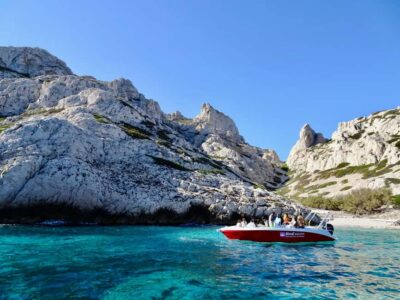
From Marseille: Iconic Calanques Boat Tour with Swimming
Read our review →
Marseille: Côte Bleue Calanques Half-Day Kayak Tour
Read our review →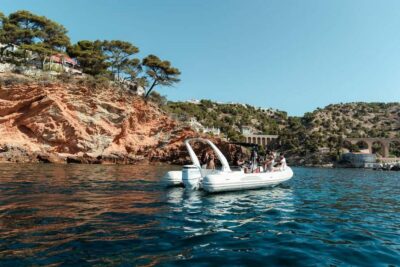
Marseille: Côte Bleue Calanques Boat Tour with Swimming
Read our review →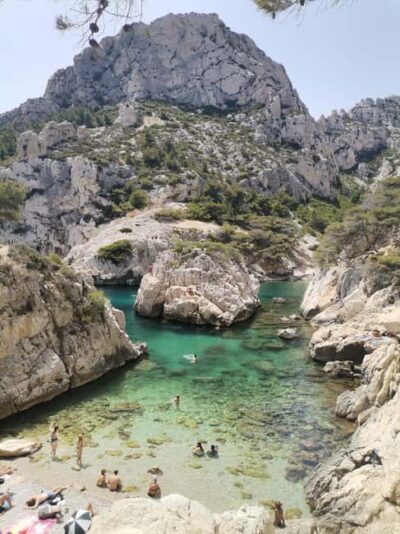
Marseille: Calanques National Park Guided Hike with Picnic
Read our review →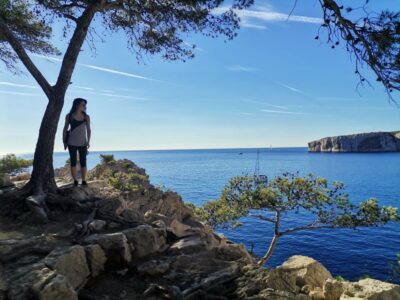
From Marseille: Calanques National Park Guided Hike
Read our review →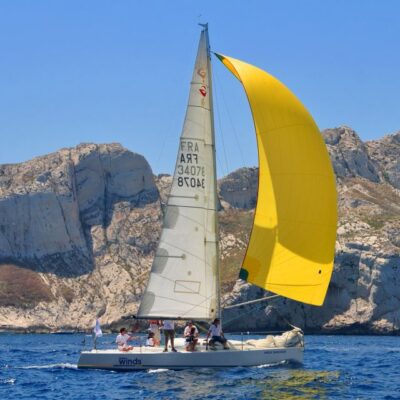
Marseille: Calanques Sailing Day Trip with Lunch and Wine
Read our review →
Marseille: Calanques Catamaran Tour & Standup Paddle
Read our review →Browse the lists this tour appears in