
Review · MARSEILLE
Marseille: Côte Bleue Calanques Half-Day Kayak Tour
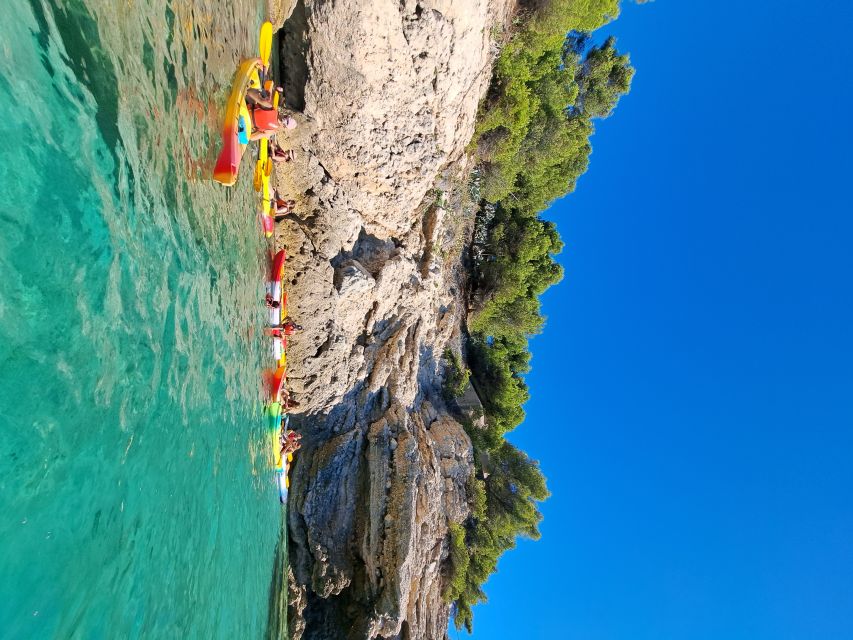
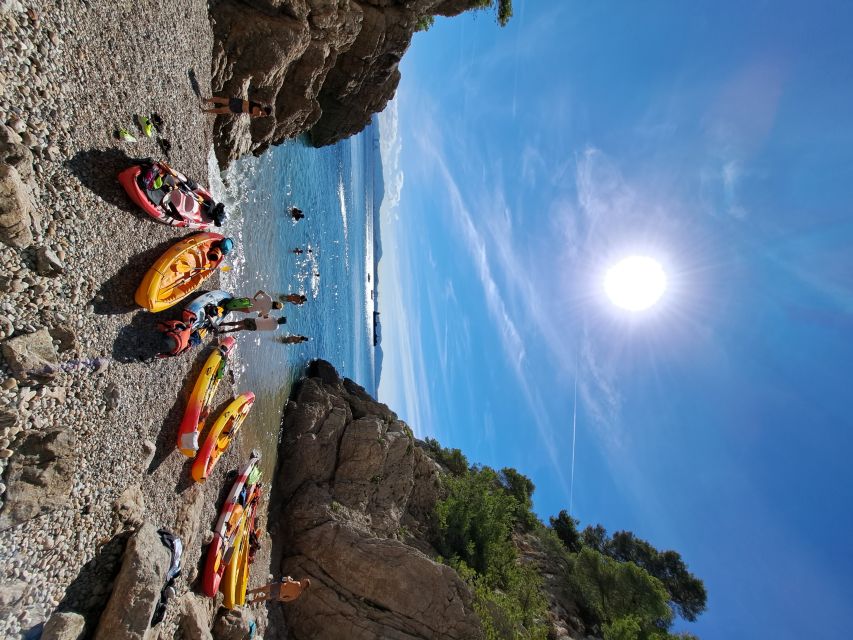
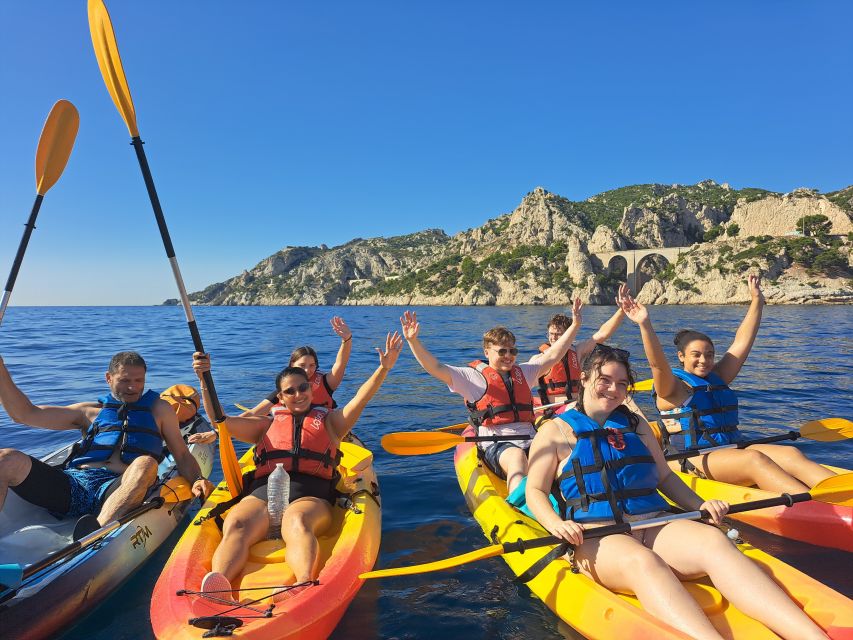
The best part of this outing is the change of viewpoint. From a kayak, Marseille’s Côte Bleue becomes a string of blue-green coves, pale cliffs, little homes, and sea caves that are easy to miss from land. You paddle from Estaque toward Carry-le-Rouet, with a certified guide nearby and a swimming stop built into the three-hour route.
I like the small-group feel and personal guiding, especially when guides such as Loup, Jordan, and Audrey take time to help beginners. I also like the simple beach break at a quiet cove, where you can swim, stretch your legs, or scramble over the rocks. The main drawback is practical: the launch point is an unfurnished parking area with no working toilets, and three hours of paddling can be tiring in wind or choppy water.
Key points to know before booking
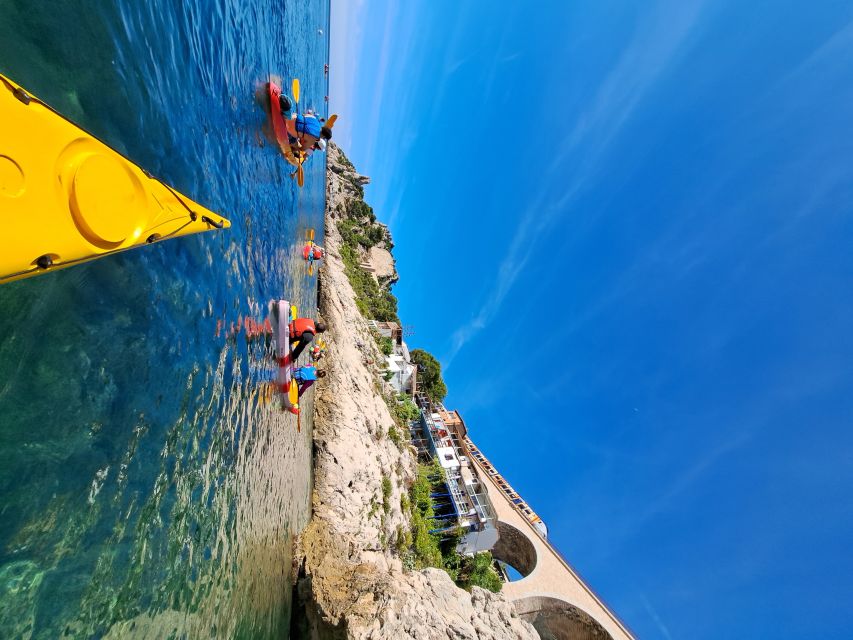
- Two-person kayaks: You normally share a kayak, which gives beginners extra stability and lets partners split the work.
- A real swimming stop: The route includes time at a small beach or cove, not just a quick photo pause from the boat.
- Morning is better for beginners: The sea is usually calmer earlier in the day.
- Good guide support: English and French instruction is provided, with safety help throughout the route.
- Bring your own basics: Water, swimwear, sunscreen, and closed-toe shoes are essential.
- No toilet at the meeting point: Use facilities before arriving at 175 Port de la Lave.
Why kayaking is a smart way to see the Côte Bleue
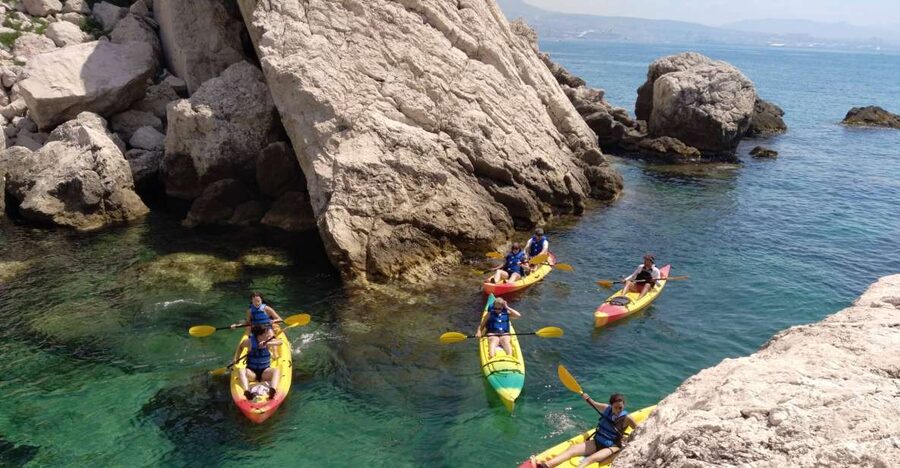
The Côte Bleue is the stretch of coast west of Marseille, where rocky inlets interrupt the shoreline. A boat-level view lets you see the cliffs from below, peer into narrow corners, and approach coves that are awkward to reach on foot.
You are not simply paddling in a straight line for three hours. The guide points out local sea life, rocky formations, small caves, and features along the coast. Cormorants, gulls, and fish have been spotted along the route, and the guides also share facts about the area’s natural and human setting.
The water is the star of the outing. On a calm day, it can look almost unreal against the pale stone. The color changes as you move from open water into the creeks, and the view back toward Marseille gives you a fresh sense of the city’s coastal setting.
There is also a small environmental touch. Each kayak comes with a bag for floating waste, so you can collect bits of rubbish as you paddle. It is not the main reason to book, but it gives the activity a useful purpose beyond sightseeing.
More Kayak Trips in Marseille:
- Marseille: Calanques Catamaran Tour & Standup Paddle
★ 4.8 · 411 reviews - Marseille: stand-up paddle tour – discover the calanques
★ 4.7 · 33 reviews - Clear Kayak Tour of Shell Key Preserve and Tampa Bay Area
★ 5.0 · 5,800 reviews
Meeting Sud Kayak at Port de la Lave
The meeting point is Sud Kayak, at 175 Port de la Lave. This is important to understand before you set out. You are not walking into a large watersports center with a reception desk, café, or changing rooms. The location is an open parking area near the port, and the team arrives with a van or trailer carrying the kayaks and equipment.
Use Google Maps or Waze and search for Sud Kayak. Do not rely on Apple Maps for this location, since the provided directions warn that it may not work correctly. If you are coming from a cruise ship, allow time for the taxi ride and make sure your driver has the exact address.
The launch point is roughly a 20-minute taxi ride from the cruise port, depending on traffic. There is no included transport, and one practical challenge is arranging your return ride from a fairly plain port area. If you use a taxi, it is sensible to keep the driver’s number or arrange a pickup plan before you begin.
Go to the bathroom before arriving. The on-site toilets are currently unavailable, and there is no nearby shop listed for last-minute drinks or snacks. Bring your own water rather than counting on buying it there. Bottled water may be sold for €3, but supplies are limited and the better plan is to arrive prepared.
The first 20 minutes: briefing, gear, and paddling basics
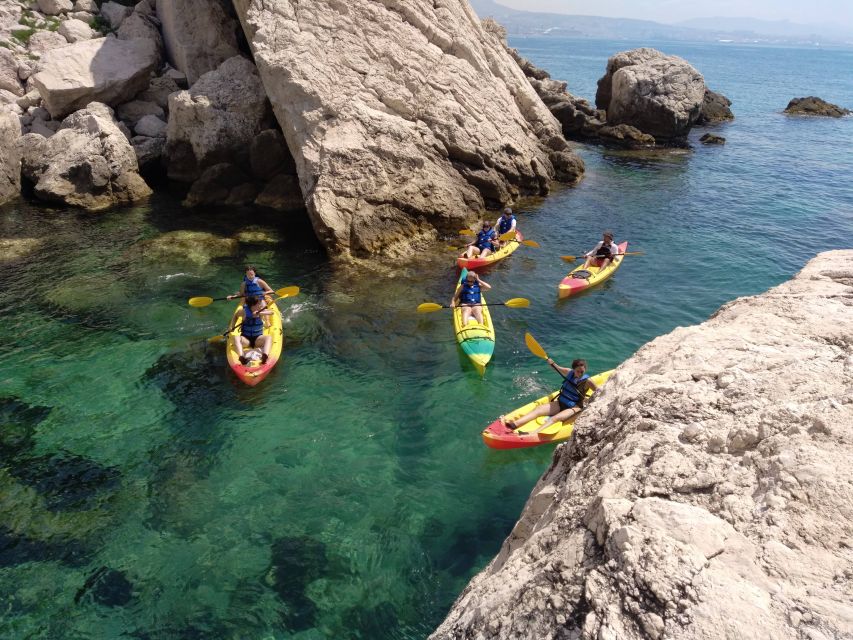
The tour starts with a short weather check, route explanation, and safety briefing. You receive a sea kayak, paddle, life jacket, and dry bag. The guide explains how to handle the kayak, how to paddle as a pair, and what to do if conditions change.
The kayaks are generally designed for two people. That may surprise you if you expected a solo boat, but the arrangement makes sense for a mixed group. A stronger paddler can help a less experienced partner, and tired arms are less of a problem on the return trip.
The boats do not always include a backrest. A comfort backrest can be rented for €5, and a snorkeling kit is also available for €5. A waterproof phone pocket costs €10. Since dry bags are provided, your phone and other small items should go inside the bag unless you are using a secure case.
Water shoes are listed as an extra, although some outings have included shoes for the group. I would still bring closed-toe footwear and ask about the arrangement when you arrive. You may need to step onto a pebbly beach or uneven rock, and bare feet are not ideal there.
The guide stays close enough to give corrections and encouragement. Beginners have managed the route with careful instruction, but this is still an active sea outing, not a gentle harbor cruise. You must be able to swim, and the activity is not suitable for non-swimmers, people with respiratory issues, pregnant women, people with mobility impairments, or children under six.
Establon Creek: the first major coastal section
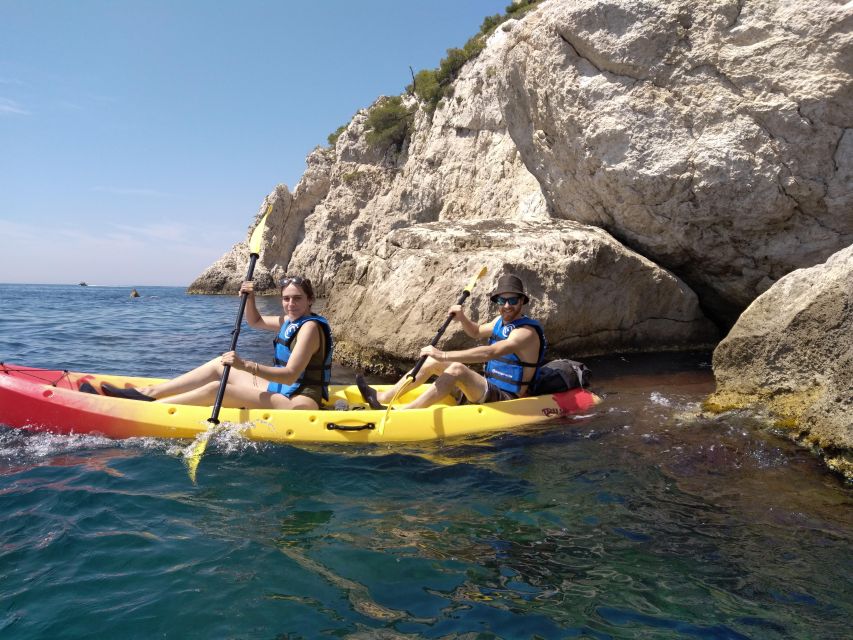
Once the group leaves the starting point, the route follows the rocky shore toward Establon Creek. This is where the trip begins to feel different from ordinary Marseille sightseeing. The city recedes, and the kayak brings you close to cliffs, small openings, and folds in the coast.
Your guide leads the group into corners that are best appreciated from the water. The pace includes pauses, so you can catch your breath and listen to information about the coast. The exact route depends on the weather and the group’s speed, which means you should not expect every departure to cover precisely the same distance.
The sea can be calm in the morning and more demanding later in the day. Wind matters more than the clock suggests, so even a sunny afternoon may require steady work. One group covered about five miles, but that is a useful indication of effort rather than a fixed promise for every outing.
If you are new to kayaking, pay attention to the guide’s advice about paddling together. Two people using the same rhythm will move more efficiently than two people pulling against each other. The boat can also feel more comfortable once you stop trying to force speed and let the guide set the pace.
More Half-Day Trips in Marseille:
- East Coast National Park: Half-Day Caves Jeep Safari
★ 4.6 · 1,090 reviews - Canyonlands National Park Half-Day Tour from Moab
★ 5.0 · 1,074 reviews - Nairobi National Park Half-Day Tour; Free Wi-Fi connection
★ 5.0 · 878 reviews - Half-day Everglades National Park Tour and 1-Hour Air Boat Ride
★ 5.0 · 811 reviews
Aragnols Creek and the beach break
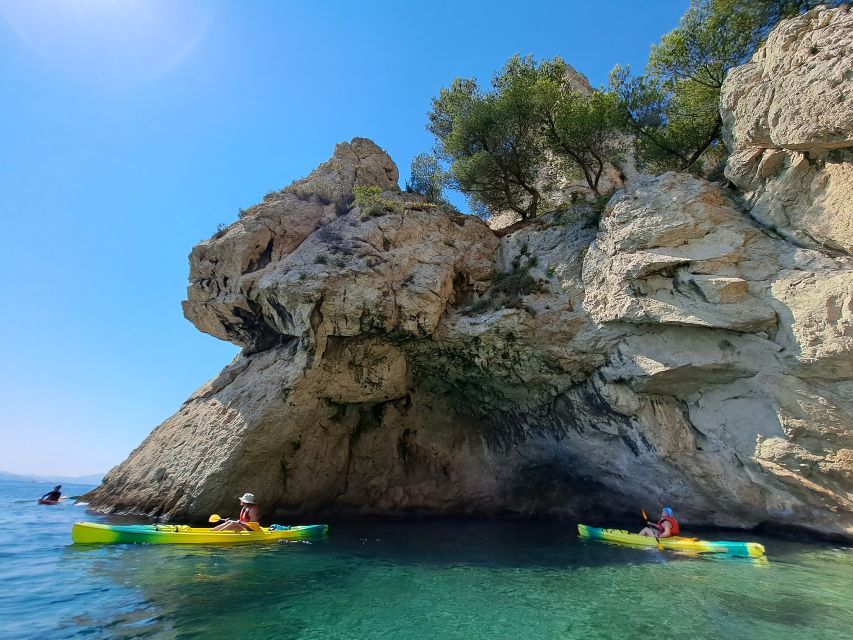
Aragnols Creek is one of the most appealing parts of the route. The rocky setting narrows the view, and the water gives you a good look at the pale stone and small beach tucked into the coast.
The beach stop is the natural halfway point. You can get out, swim, sunbathe, or explore the rocks around the cove. It is a useful rest rather than a rushed photo stop, though the exact length depends on the group and the sea conditions.
The water is often the main reward here. A swim breaks up the physical work and gives you a chance to cool off before the return paddle. If you want to snorkel, bring or rent a mask, but do not assume it is included. The snorkeling kit costs €5 on site.
The beach itself is not a polished resort stop. Expect a small, natural cove with pebbles or rocks rather than broad sand and full facilities. That is precisely why it feels special, but it also means you should carry only what you need and take care with your footing.
Figuerolles Creek, if time and conditions allow
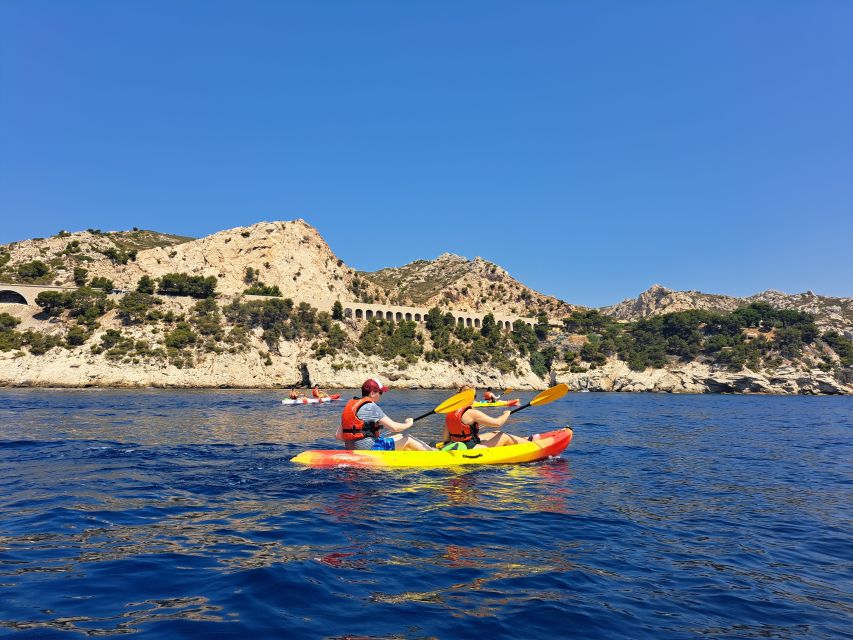
The guide may continue toward Figuerolles Creek if the group is moving well and the conditions permit. This is an optional extension, not something you should treat as guaranteed.
That flexibility is useful. A strong group may see more of the coast, while a slower group can spend more time resting and swimming without turning the outing into a race. The guide has to balance distance, wind, safety, and the abilities of everyone in the group.
You will get more from the outing by accepting that the route may change. The goal is a safe look at the Côte Bleue, not a fixed mileage target. If Figuerolles is reached, it is an added reward. If not, Establon and Aragnols still provide the main coastal experience.
What the three-hour paddle feels like
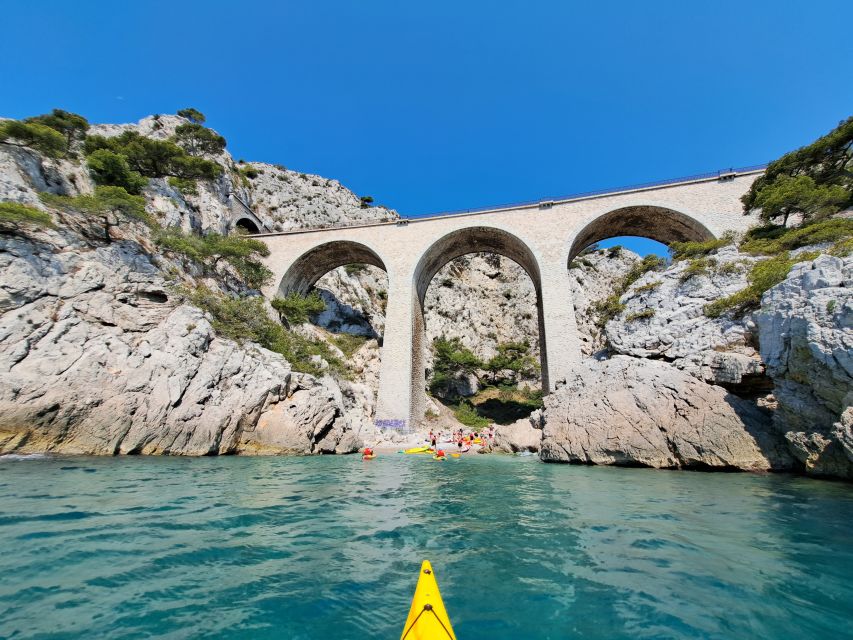
Three hours sounds modest on a schedule, but it is a genuine workout. Your shoulders, arms, and back do the work, especially if wind picks up on the way back. You do not need to be an athlete, but moderate fitness helps.
The stop at the cove makes the effort manageable. The guide also pauses at points along the route to explain the surroundings or let the group regroup. Still, if you have back problems or do not enjoy repeated paddling, this may not be the right half-day activity.
Beginners can do it, and the two-person kayaks help. Guides have assisted people who were struggling, including towing a kayak briefly with a rope when someone could no longer paddle. That kind of help is reassuring, but it should not replace an honest look at your own fitness.
The return leg may be more demanding if the wind has changed. This is another reason to choose a morning departure if you have never kayaked before. The sea is generally calmer then, giving you a better chance of enjoying the views rather than fighting the water.
The guides make a real difference
The guides are one of the strongest parts of the experience. Loup has been especially praised for calm instruction, clear communication, and staying near people who need help. Jordan is known for friendly explanations and attention to the group, while Audrey has led outings with a patient and welcoming approach.
You can expect guidance in French and English. That matters during the safety briefing, but it also improves the sightseeing. The guide can explain what you are seeing while keeping the group moving and watching the water.
The best guides adjust their style to the group. First-time paddlers get basic coaching, stronger paddlers receive a little more freedom, and people who are tired get a chance to regroup. You should still speak up if your back, shoulders, or hands are becoming uncomfortable.
Some guides take photos along the route, though you should not assume this is guaranteed or included. A dry bag is supplied for personal items, and a waterproof phone case is available for purchase if you want easy access to your camera.
Price, extras, and overall value at $64
At $64 per person, the tour is good value if you want a three-hour coastal activity with equipment, a certified guide, a life jacket, and a dry bag included. You are also paying for route planning and safety support on open water, not only for use of a kayak.
The price is less attractive if you expect a full-service beach operation. Water, water shoes, backrests, snorkeling masks, and waterproof phone cases are not included. Add-on costs are modest, but they can change the total if you need several items.
I would bring a reusable water bottle, swimwear, sunscreen, and closed-toe shoes. Pack as lightly as possible. Anything you carry must either stay secure in the dry bag or be protected from splashes.
The free cancellation window closes 24 hours before departure, and you can reserve without paying immediately if that option is available for your date. Since the outing depends on weather, flexible planning is useful. A bad-weather cancellation or postponement may affect your day, but open-sea safety has to come first.
Who should book this Côte Bleue outing
I would choose this for couples, friends, active families with older children, solo visitors who want guided support, and cruise passengers with a suitable half-day window. It is also a good choice if you have already seen central Marseille and want a more physical way to experience the coast.
The tour works for beginners, provided you can swim and are comfortable with an active morning or afternoon. The guide handles instruction, and sharing a kayak makes the learning curve gentler.
I would think twice if you need guaranteed toilets, easy changing facilities, a private kayak, or a completely relaxed boat trip. The launch area has no working toilets, changing arrangements are limited, and the sea can become tiring. People with mobility or respiratory limitations should choose another activity.
Should you book it?
Book the Marseille Côte Bleue kayak tour if you want clear water, rocky coves, a proper swim stop, and a close view of the coast for $64. The guides add real value, especially for first-time paddlers, and the route offers more than a short harbor loop.
Choose the morning departure when possible, use Google Maps or Waze for Sud Kayak, and arrive with water and swimwear already packed. If you can handle three hours of paddling and do not mind the basic meeting point, this is a memorable and fairly priced way to see a quieter side of Marseille.
FAQ
Where does the Côte Bleue kayak tour start?
The tour starts at Sud Kayak, 175 Port de la Lave, in Marseille.
How long does the kayak tour last?
The activity lasts three hours.
What language is the tour offered in?
The tour is offered in French and English.
Are kayaks and paddles included?
Yes. A sea kayak and paddle are included, along with a life jacket, dry bag, and state-certified guide.
Do I need to know how to kayak?
No. Beginners can join, and the guide provides a safety briefing and basic kayaking instruction. You should still be able to swim and manage an active three-hour outing.
Are the kayaks single or double?
The kayaks are generally designed for two people, so you should expect to share with another person in your group.
Is there a swimming stop?
Yes. The route includes a stop at a small beach or cove where you can swim, relax, or explore the rocks.
What should I bring?
Bring swimwear, sunscreen, water, and closed-toe shoes. Water shoes, a backrest, a snorkeling mask, and a waterproof phone case are not included.
Are toilets available at the meeting point?
No. The toilets at the launch area are currently unavailable, so make your own arrangements before arriving.
Just added around Marseille
- Marseille: stand-up paddle tour – discover the calanques★ 4.7 · 33 reviews
- Calanques National Park Snorkel and Scuba Dive★ 4.8 · 27 reviews
- Marseille: Calanques Shore Excursion Electric Bike Day Tour★ 4.7 · 38 reviews
- From Marseille: Calanques National Park E-Mountain Bike Tour★ 4.7 · 123 reviews
- Marseille : Calanques Catamaran Cruise with Lunch & Wine★ 4.8 · 54 reviews
- Marseille: Guided Hiking Calanques National Park from Luminy★ 4.8 · 100 reviews
- Marseille: Evening sailboat trip to the Calanques du Frioul with buffet and organic wine★ 4.8 · 79 reviews
- Marseille: Full-Day Guided E-Bike Coast & Calanques Tour★ 4.8 · 95 reviews
Marseille National Park Tours, compared.
From Marseille: Iconic Calanques Boat Tour with Swimming
Read our review →
Marseille: Côte Bleue Calanques Boat Tour with Swimming
Read our review →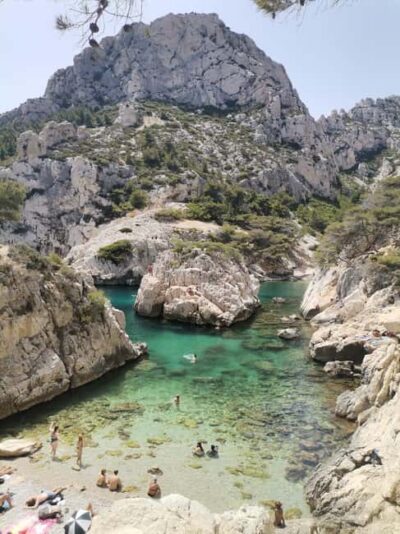
Marseille: Calanques National Park Guided Hike with Picnic
Read our review →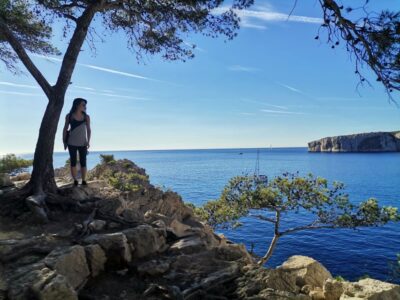
From Marseille: Calanques National Park Guided Hike
Read our review →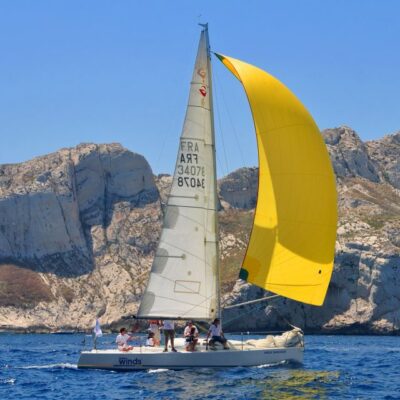
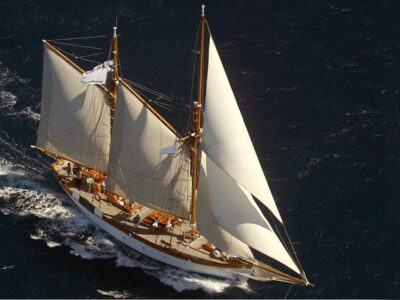
Marseille: Calanques Sailing Day Trip with Lunch and Wine
Read our review →
Marseille: Calanques Catamaran Tour & Standup Paddle
Read our review →
Marseille: Calanques Eco Boat Cruise with Lunch and Wine
Read our review →Browse the lists this tour appears in