
Review · JACKSON
Sunset 4-Hour Grand Teton Wildlife Adventure
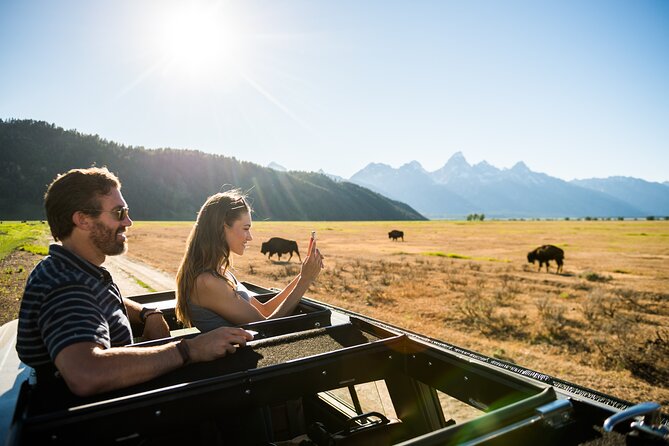
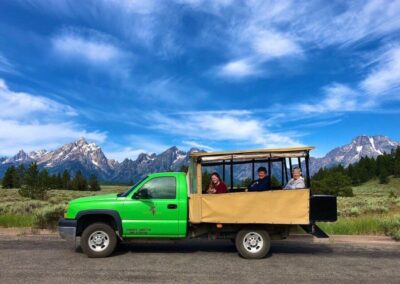
The best part of this Grand Teton wildlife tour is the timing. As daylight softens, animals often become more active, and the mountains take on their finest evening color. You ride through Jackson Hole and Grand Teton National Park in a custom safari-style vehicle, stopping when your guide spots something worth seeing.
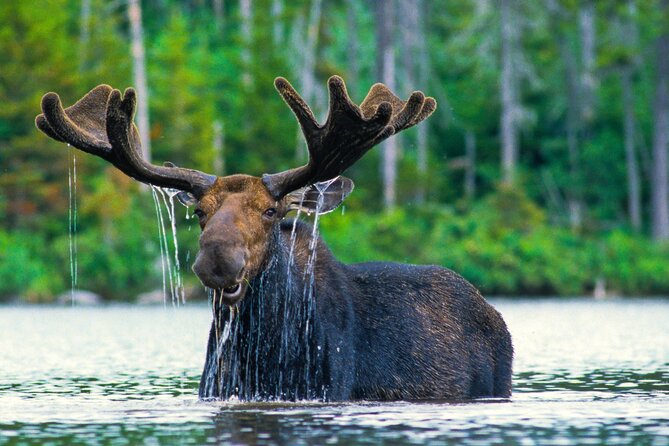
I especially like the seven-person limit, since everyone gets a window seat and a fair shot at the scopes. I also like the thoughtful gear: binoculars, Swarovski spotting scopes, iPads, wildlife specimens, drinks, snacks, and even hand warmers on colder outings. The main drawback is simple: wild animals do not follow a schedule. You may see moose, elk, bison, or pronghorn, but no guide can promise a wolf, bear, or any particular animal.
Key points to know before you book
- Sunset is the star of the show: Evening light brings out both wildlife activity and the Tetons’ best color.
- Only seven people ride along: Every seat has a window, with roof hatches for better upward and long-range views.
- Your guide does more than drive: Science-trained guides such as Kirk, Ricky, Joy, Raf, Ashley, Billy, and Sarah explain animal behavior, geology, ecology, and local culture.
- Professional optics make a real difference: Binoculars and Swarovski scopes help you see animals that may be far from the road.
- The $198 price includes useful extras: Snacks, bottled water, coffee, tea, wildlife specimens, and iPads are included.
- Plan for the park fee: Grand Teton admission costs $20 per person and is valid for seven days, unless you already hold a park pass.
Why the sunset hours work so well in Grand Teton
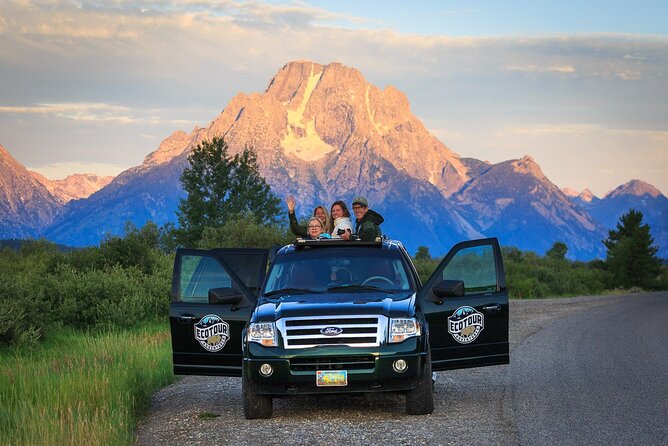
Grand Teton National Park can look quiet from the road, especially during the middle of the day. The animals are still there, but many are resting, feeding in cover, or difficult to spot against the wide Wyoming scenery. A sunset departure gives you a better chance of seeing movement as the day cools.
You also get the best light for the mountains. The tour is not just about checking animals off a list. Your guide may point out the shape of the peaks, explain how the valley formed, or connect the plants, water, and animals into one working system. That broader view makes the ride more rewarding than a quick drive through the park with a camera pressed to the window.
I would still keep expectations realistic. This is a search for wild animals, not a zoo visit. A guide can know the usual feeding areas and animal habits, but a moose can move into the trees, a bear can stay out of sight, and a wolf can cross the road before anyone has a camera ready.
More Sunrise and Sunset Tours in Jackson:
- Sunrise 4-Hour Grand Teton Wildlife Adventure
★ 5.0 · 899 reviews - Teton Village: Grand Tetons Sunrise Hot Air Balloon Tour
★ 4.7 · 102 reviews - Jackson: Grand Teton Sunrise Safari with Naturalist Guide
★ 4.8 · 49 reviews
Your four hours in the custom safari vehicle
The tour begins at 210 North Cache Street in Jackson and returns to the same meeting point. From there, you head toward wildlife areas in Jackson Hole and Grand Teton National Park in a specially designed 4×4 vehicle.
The setup is a real advantage. Each person has a window seat, so you do not have to fight for a view. Roof hatches let you look above the vehicle and get a more open angle for mountain scenery or birds in flight. Panoramic windows help when animals appear on the side of the road.
This arrangement also keeps the tour comfortable when the weather turns cool. You can watch from inside instead of standing beside the road for long periods. Guides provide bottled water, coffee, tea, and snacks, and one outing included hot chocolate as well. Some groups also received electric hand warmers, a small but welcome touch on a cold evening.
The vehicle is not a luxury coach. It is a practical viewing platform built around wildlife watching. If you need a large amount of personal space, four hours in a compact group vehicle may feel close. For most people, though, the limited capacity is one of the reasons the experience works.
How the wildlife search unfolds
There is no fixed list of stops because the route depends on animal reports, recent sightings, weather, daylight, and what your guide sees along the way. You may pause near open flats, wet areas, wooded edges, or roadside clearings. Your guide will often scan first, then pull over when a closer look seems possible.
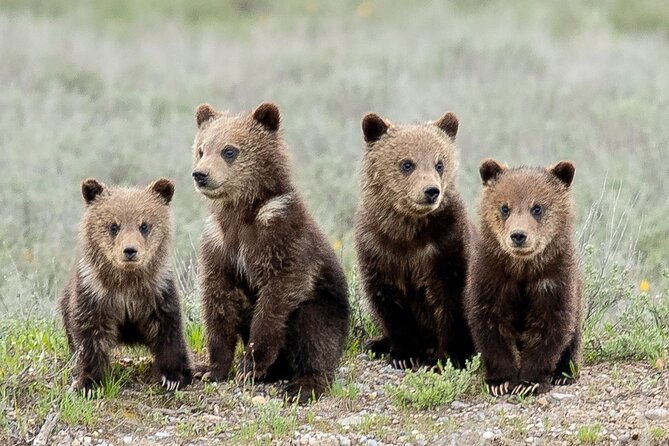
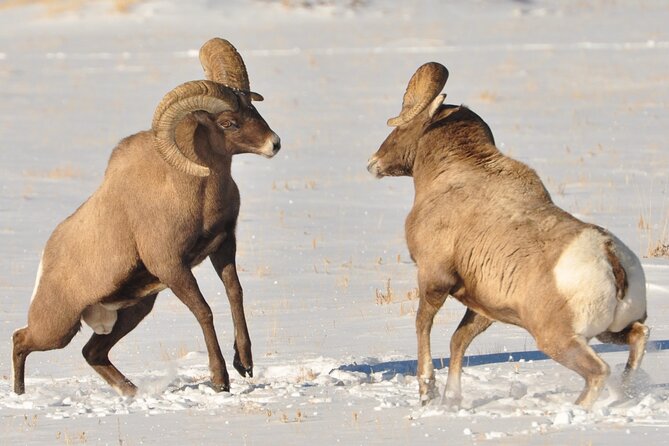
Moose, elk, bison, and pronghorn are among the animals most often reported on this experience. Guests have also seen bighorn sheep, mule deer, coyotes, bald eagles, pelicans, herons, swans, great horned owls, beavers, wolves, black bears, and grizzlies. That is a remarkable range, but it should not be treated as a promise for your particular departure.
The equipment changes what you can see. Your guide sets up a professional spotting scope and adjusts it for the group. You may look through binoculars from your seat, then use the larger scope for a closer view of an animal far from the road. Guides have also recorded photos and video through the scope and shared them with the group afterward.
This matters because animals often stay at a respectful distance. You might see an elk clearly through the scope even when it looks like a small brown shape with the naked eye. The guide can also point out details you would miss on your own, such as antler shape, body posture, feeding behavior, or the difference between a mule deer and another deer species.
The guides shape the experience
The tour is only as good as the person reading the park, and the guides receive especially strong praise for their teaching and care. The company says all guides have science backgrounds and years of experience. Names associated with recent outings include Kirk, Ricky, Raf, Joy, Ashley, Billy, Sarah, Rob, Laura, Bo, Drew, and Roy.
Kirk is described as especially thorough and strong at finding bison, moose, elk, bighorn sheep, mule deer, and coyotes. Ricky is noted for combining wildlife knowledge with stories about Jackson Hole and for adapting the outing to the group. Joy has helped guests understand regional topography before departure and has worked hard to locate specific animals, including a well-known bull elk called Hollywood.
Raf, Ashley, Billy, and Sarah are also praised for explaining the area clearly and treating the animals with respect. These details matter because a good guide does not simply point and name. You want someone who can tell you why the animal is in that place, what it may do next, and how to watch without disturbing it.
The best guides also know when to change plans. One account describes a guide offering choices based on fading daylight. That is useful during a four-hour outing, since you cannot see every corner of the park in one evening. You may have to choose between spending more time with an animal already located or moving on in search of something else.
More Wildlife Watching in Jackson:
- From Jackson Hole: Yellowstone Old Faithful, Waterfalls and Wildlife Day Tour
★ 5.0 · 1,557 reviews - Grand Teton Wildlife Safari in a Enclosed or Open-Air Vehicle (season dependent)
★ 5.0 · 1,212 reviews - Jackson: Grand Teton National Park Guided Wildlife Tour
★ 4.8 · 676 reviews - Half-Day Wildlife Safari Tour in Grand Teton National Park
★ 5.0 · 341 reviews
More than animals: ecology, geology, and local culture
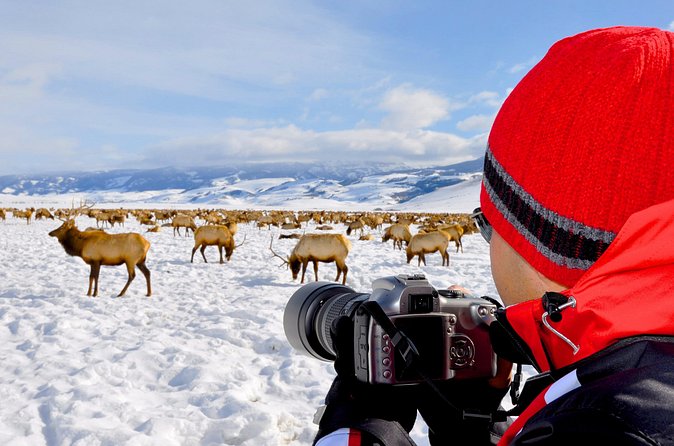
A strong wildlife outing gives you a better sense of place. Your guide discusses local ecology, animal behavior, geology, and cultural history as you move through the valley. That can include the relationship between open feeding areas and nearby cover, the effect of seasonal conditions, and the way the mountains shape the valley.
You may also hear stories about Jackson Hole and the surrounding community. Several guides are described as connecting the park to local life rather than treating it as a collection of scenic pullouts. One guide, a native of the area, shared local details while stressing conservation and respectful animal watching.
I appreciate that focus. Grand Teton is not simply a backdrop for wildlife photographs. It is a living system, and the experience is better when you understand why animals gather in certain places and why visitors need to keep their distance.
The iPads and wildlife specimens add another layer. They give the guide a way to show more detail than you can see outside the vehicle. If an animal is hidden or too distant for a clear view, the explanation can still help you understand what you are looking at.
The value of the optics and window seats
Many people assume a wildlife tour is just a drive with a guide pointing through the windshield. This one offers more than that. The combination of a guaranteed window seat, binoculars, roof hatches, and professional scopes reduces the usual frustrations.
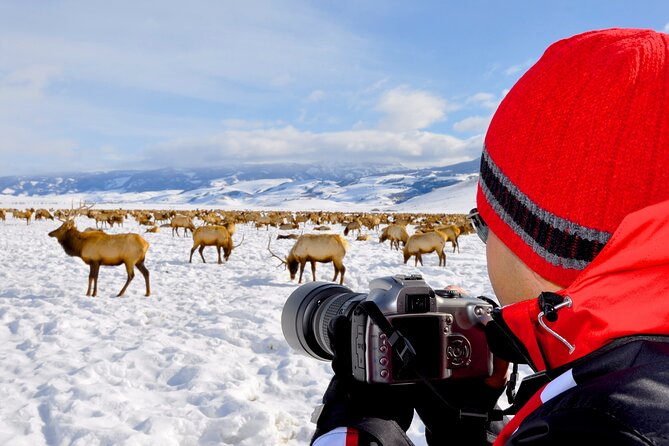
You do not need to bring expensive equipment to take part. Your own camera is welcome, and the guide can help you locate an animal before you try to photograph it. A phone may not capture what you see through the scope, but the guided viewing still gives you a far better look than a quick roadside glance.
The roof opening is especially helpful for birds and broad mountain views. It also gives the vehicle a more open feel. On a cold evening, you may prefer to stay inside and use the side window, so the flexible viewing setup is useful.
The guide’s scope can also help when safety or wildlife etiquette prevents a close approach. One guide recorded distant animals through the field scope and shared the images later rather than taking the group closer. That is the right tradeoff in a national park.
Is $198 a fair price?
The cost is $198 per person, before gratuity and park admission. You should add the $20 Grand Teton entrance fee if you do not already have a valid park pass, bringing the basic outlay to $218 per person. A 15 to 20 percent tip for the guide is also appreciated.
That is not a cheap sightseeing ride. The value comes from the small group, the specialized vehicle, the four-hour search, the guide’s experience, and the viewing equipment. If you are interested in wildlife and would otherwise need to rent binoculars, plan your own route, and spend hours guessing where to stop, the price can make sense.
You are also paying for interpretation. A self-drive visit may give you freedom, but it does not give you an expert who can scan a meadow, recognize an animal’s behavior, explain the geology, and move the group to a better viewing point.
The value is weaker if you only want a quick scenic drive or if you dislike sitting in a vehicle while searching for animals. It is also less certain than a standard attraction because the main subject is wild and unpredictable.
Who should book this sunset adventure?
I would recommend it to first-time visitors who want an efficient introduction to Grand Teton wildlife. It suits couples, solo visitors, and families with older children or teenagers. One 16-year-old with an interest in hunting particularly enjoyed the guide’s animal stories and conversation.
Families with children age eight or younger must book a private tour. That rule is intended to give younger children and their families more flexibility and comfort. The shared outing is limited to seven people, but it is not the right choice for every family setup.
Photography-minded visitors will appreciate the window position and scopes, although this is not presented as a dedicated photography workshop. You bring your own camera, while the guide handles the wildlife search and may share guide-shot images or video.
The tour also suits anyone who wants more than animal names. If you enjoy learning about geology, animal behavior, conservation, and Jackson Hole, the guide’s science background adds real value. If you want a guaranteed close-up of a particular species, no wildlife tour can offer that.
Practical details that affect your decision
The experience is offered in English and uses a mobile ticket. Confirmation is sent when you book. Service animals are allowed, and the meeting point is near public transportation.
Most people can participate, but the tour requires good weather. If poor weather cancels the outing, you can choose another date or receive a full refund. The same choice applies if the minimum number of bookings is not met.
You can cancel for a full refund up to 24 hours before the start time. Inside that window, the amount paid is not refunded, and changes are not accepted. Since the tour is popular and averages 61 days of advance booking, reserve early if your Jackson schedule is fixed.
Bring your camera and dress for an evening outdoors, even though much of the viewing takes place from the vehicle. The exact sunset departure time will depend on the date. The important point is that the outing is planned around the last part of the day, not a fixed morning schedule.
Should you book the Grand Teton sunset tour?
Book it if you want a small group, serious viewing equipment, and a guide who can turn a four-hour drive into a lesson about the park. The strongest reasons are the seven-person limit, the window seat for everyone, and the chance to see animals through professional scopes rather than hoping they appear beside the road.
Skip it if you need a guaranteed species sighting, dislike vehicle-based tours, or only want a quick look at the mountains. Otherwise, this is a strong use of one Jackson evening. You may see bison and elk, or you may get the rarer thrill of a wolf, bear, owl, or moose. Either way, you will have a better chance of understanding what you are seeing, and that is what makes the experience worth the cost.
FAQ
How long is the Grand Teton Wildlife Adventure?
The experience lasts approximately four hours and ends back at the meeting point in Jackson.
Where does the tour begin?
The tour begins at 210 N Cache St, Jackson, Wyoming 83001, USA.
How many people can join the tour?
The maximum group size is seven people. The vehicle provides a window seat for every person.
Is the Grand Teton entrance fee included?
No. Grand Teton National Park admission costs $20 per person and is valid for seven days. If you already have a park pass, bring it. If not, you can purchase admission on the tour.
Are children allowed on the tour?
Children can join, but families traveling with children age eight or younger must book a private tour.
What happens if the tour is canceled because of weather?
You will be offered a different date or a full refund if poor weather cancels the experience.
More Evening Experiences in Jackson
- Yellowstone & Grand Tetons: 4-Day/3-Night Wildlife Adventure
★ 4.9 · 145 reviews - Tenerife: Teide National Park Sunset & Stargazing Tour
★ 4.2 · 3,812 reviews - Tenerife: Sunset and Stargazing at Teide National Park
★ 4.7 · 2,826 reviews - Teide National Park Sunset & Stargazing with Dinner (Star Safari)
★ 5.0 · 2,601 reviews
Just added around Jackson
- Jackson: Grand Teton and National Elk Refuge Winter Day Trip★ 4.8 · 140 reviews
- Jackson: Yellowstone Snowcoach Tour to Old Faithful★ 4.5 · 41 reviews
- Jackson: Grand Teton Sunrise Safari with Naturalist Guide★ 4.8 · 49 reviews
- Grand Teton National Park: Full-Day Tour with Boat Ride★ 4.8 · 207 reviews
- From Jackson: Half-Day Grand Teton National Park Tour★ 4.8 · 344 reviews
- Yellowstone & Grand Tetons: 4-Day/3-Night Wildlife Adventure★ 4.9 · 145 reviews
- Jackson: Yellowstone Snowmobile Tour to Old Faithful★ 4.9 · 118 reviews
- Teton Village: Grand Tetons Sunrise Hot Air Balloon Tour★ 4.7 · 102 reviews
Jackson National Park Tours, compared.
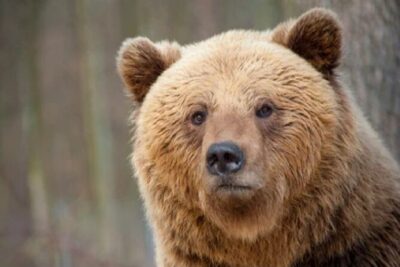
From Jackson Hole: Yellowstone Old Faithful, Waterfalls and Wildlife Day Tour
Read our review →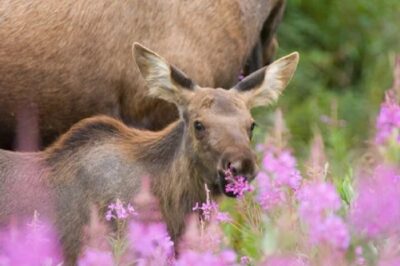
Grand Teton Wildlife Safari in a Enclosed or Open-Air Vehicle (season dependent)
Read our review →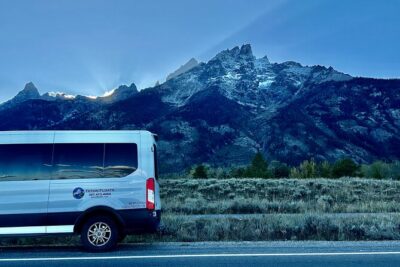
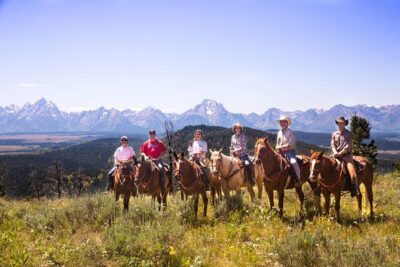
Horseback Riding with Grand Teton Views in Jackson Hole
Read our review →
Grand Teton National Park Guided Wildlife Tour
Read our review →
Yellowstone National Park – Full-Day Lower Loop Tour from Jackson
Read our review →Browse the lists this tour appears in