
Review · JACKSON
Jackson: Grand Teton Sunrise Safari with Naturalist Guide
The first light on the Teton Range is only half the show. The other half may be a moose near the road, a bald eagle over the water, or a bison herd waking on the plain. This four-hour sunrise safari gives you a strong chance to see Grand Teton before the day gets busy, with a guide watching for wildlife while you enjoy the views.
I like the small group of up to nine people, which makes it easier to ask questions and get a clear look through the spotting scope. I also like the practical extras: hotel pickup in Jackson, binoculars, field guides, water, and locally made snack bars. The main catch is simple: wildlife is wild, and a sunrise tour can start slowly. You pay for expert searching, not a guaranteed animal checklist.
Key points to know
- Sunrise timing improves your odds: Early morning brings good light, active wildlife, and quieter roads.
- A spotting scope adds real value: Guides can locate distant animals and help you use your phone to capture closer-looking photos.
- Small groups keep the outing personal: With no more than nine people, you get better access to the guide and equipment.
- The vehicle is built for viewing: Raised roofs, leather captain’s chairs, and large viewing areas help during changing weather.
- Guides make the difference: Michelle, Michael, Alec, Chris, and Frank are praised for animal knowledge, photo help, and local insight.
- The price includes useful convenience: Pickup and drop-off, equipment, snacks, and water are included, but the park entrance fee and meals are extra.
Why Sunrise Works So Well in Grand Teton
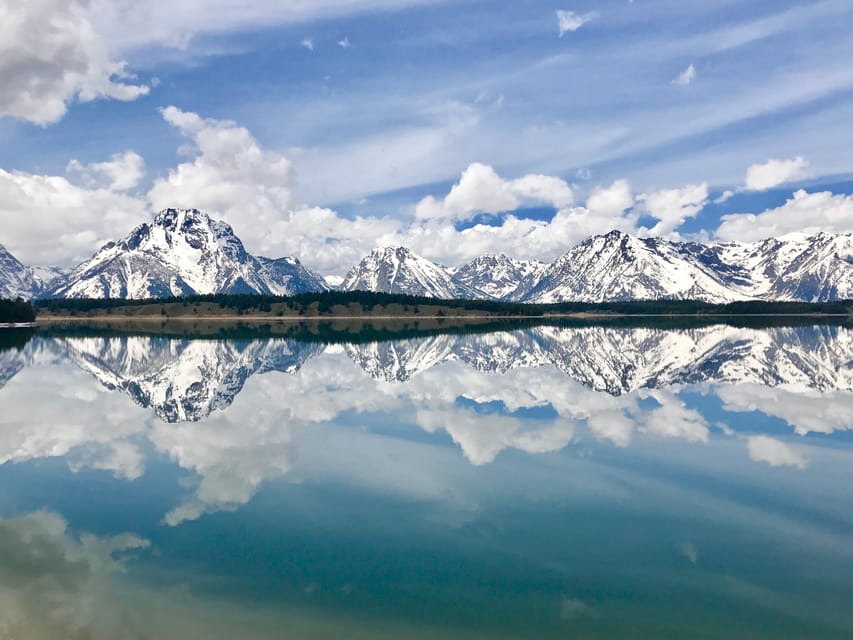
Grand Teton National Park looks different every few minutes at dawn. The Teton Range catches the first light while the valleys remain cool and shadowed. That contrast makes the mountain views especially good for photographs, even before you find an animal.
Early morning also gives your guide a useful head start. Moose, elk, bison, bears, foxes, and birds may be active near feeding areas or waterways. Sightings still depend on the season, weather, and luck, but the timing is sensible. You are not spending the morning hoping animals will appear in the heat of the day.
I would choose this tour near the beginning of a Jackson visit. You get an introduction to the park’s scenery, wildlife, geology, and basic viewing etiquette, then you can use the guide’s suggestions for the rest of your trip. One participant said the guide pointed out places worth returning to later, which is exactly the kind of practical help that turns a four-hour outing into a useful first look at the area.
The early start is also the main tradeoff. You need comfortable, weather-appropriate clothing and shoes, and you may be out before your usual breakfast hour. If you want a slow morning, this is not your tour. If you want the best chance of seeing the park in a quiet mood, the early alarm earns its keep.
More Safari Tours in Jackson
- Grand Teton Wildlife Safari in a Enclosed or Open-Air Vehicle (season dependent)
★ 5.0 · 1,212 reviews - Half-Day Wildlife Safari Tour in Grand Teton National Park
★ 5.0 · 341 reviews - Half Day Grand Teton Wildlife Safari Tour
★ 5.0 · 259 reviews
Leaving Jackson in a Small, Comfortable Group
Pickup takes place at your hotel lobby or outside your private residence in the Jackson Hole area. That saves you from finding a meeting point before sunrise, and it matters when roads and parking are part of the morning puzzle.
The group is limited to nine people. That is small enough for a more relaxed conversation and large enough to keep the price below a private safari. You are not guaranteed a private seat beside the guide, but the vehicle is arranged for viewing from every seat. One account specifically praised the spacious van and its clear sight lines.
The vehicle has leather captain’s chairs and a raised roof. Those details are more than decoration. They give you a comfortable place to wait during a wildlife stop, and the raised roof helps you look out without constantly twisting your neck. The tour operates in rain or shine, so an enclosed vehicle is useful when the weather turns cold, wet, or windy.
Bring sunglasses even for a cool morning. The sun can become bright quickly once it clears the mountains. Dress in layers, and wear shoes you can use for short walks and scenic stops. The information provided does not promise long hikes, and this is best understood as a vehicle-based wildlife tour with opportunities to get out, stretch your legs, and take photographs.
The First Stops: Mountains, Water, and Morning Light
The exact sequence depends on conditions and where animals have been seen, so you should not expect a fixed parade of named viewpoints. Instead, the guide makes multiple stops across the park for mountain views, lakes, valleys, and wildlife checks.
That flexible approach is a strength. If an animal is spotted in one area, the guide can give it time rather than rushing through a rigid schedule. If a stop is quiet, you can still enjoy the Teton Range, streams, open valleys, and changing morning light. A slow start does not mean the tour is failing. Wildlife watching often means waiting, scanning, and moving on when the scene is empty.
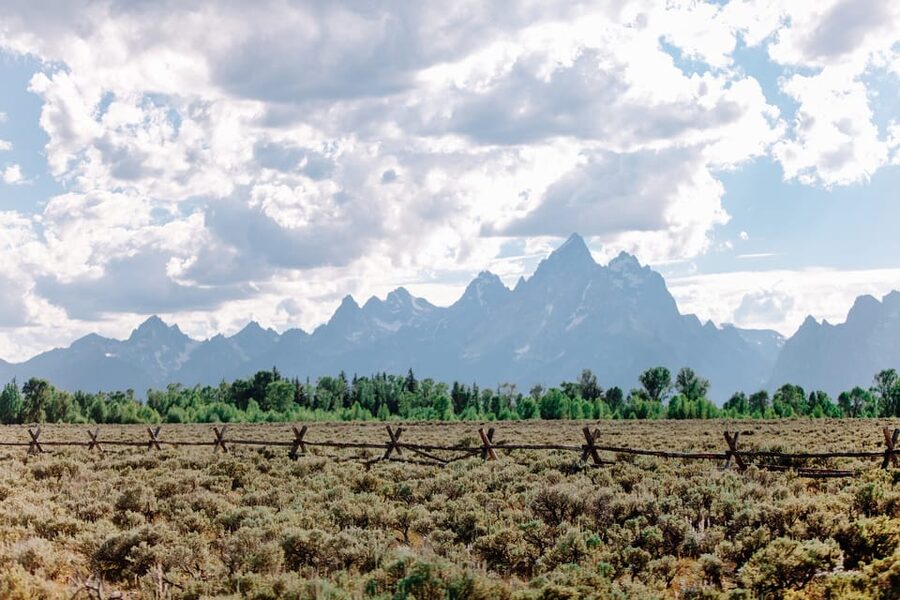
At each stop, you may get out to stretch your legs and take in the view. The guide can add context about the area’s geology and history, helping you see more than a row of dramatic peaks. Grand Teton’s sharp mountains, broad valley, lakes, and streams are not just pretty backdrops. They explain where different animals feed, rest, and move.
I especially value the quiet pauses. A sunrise safari is not only about collecting species. It gives you time to notice the way light moves across the mountains, the sound of open country, and the small changes in the valley as morning begins. The best stops may be the ones where you watch for several minutes and nothing dramatic happens, then suddenly spot movement through the scope.
How the Wildlife Search Actually Works
Your guide does the hard part first: scanning the area, reading the setting, and deciding where to stop. Guides such as Michelle, Michael, Alec, and Frank are repeatedly praised for finding animals, explaining habitats, and helping everyone get a useful view.
The binoculars supplied to you are helpful for nearby and medium-distance sightings. The spotting scope is the star tool for animals farther away. Once the guide places it on an animal, you can take turns viewing it without wasting time searching the wrong patch of grass or trees.
Several guides also use digiscoping, a method that lets you hold a phone to the scope and capture a magnified image. This is a practical bonus. You may not have a long lens, but the scope can still help you bring home a clear photo or video of a moose, eagle, or distant bear. Alec was also praised for finding the animal with the scope first, making it easier for people to locate the same subject with their own binoculars.
Expect plenty of stopping, looking, and waiting. You may see a great deal in one morning, or you may spend time searching before the sightings improve. One morning began slowly but produced more wildlife than expected because the guide kept working the area. That is an important point: the guide’s skill raises your chances, but no ethical wildlife operator can promise every animal on the list.
More Safari Tours in the USA
- Best of Yellowstone – Guided National Park Safari Tour
★ 5.0 · 178 reviews - Miami: Everglades Safari Park Airboat Tour
★ 4.4 · 1,267 reviews - Everglades Airboat Safari Adventure with Transportation
★ 3.0 · 956 reviews - 3 Hour Off-Road Sunset Safari to Grand Canyon with Entrance Gate Detour
★ 5.0 · 904 reviews
What You Might See, From Moose to Golden Eagles
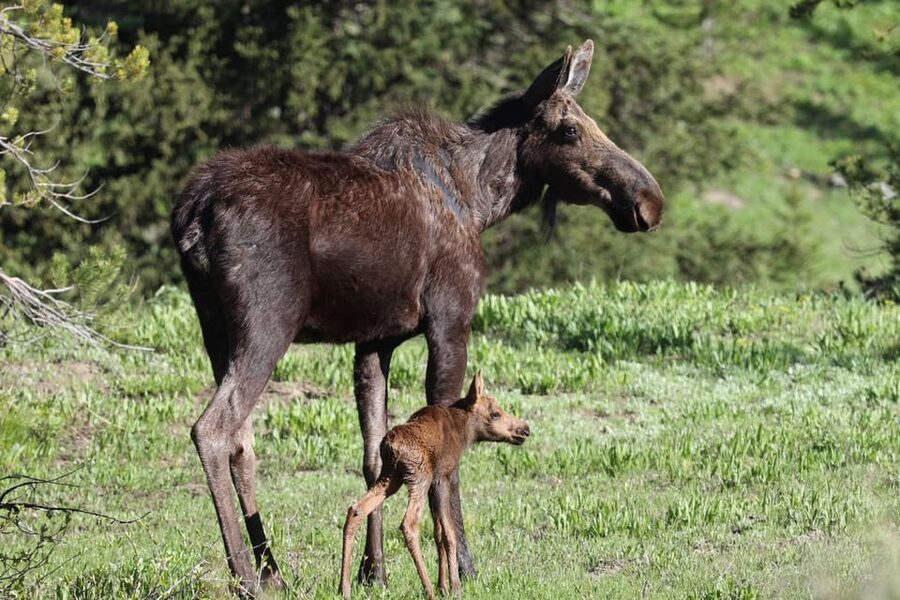
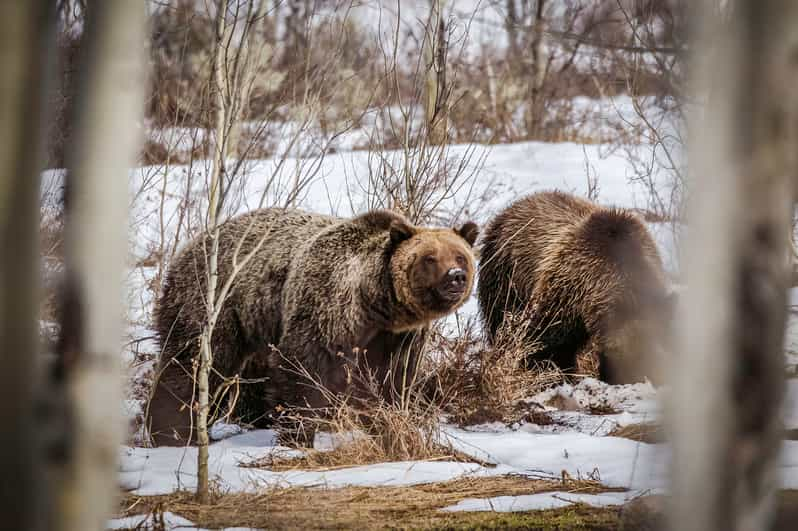
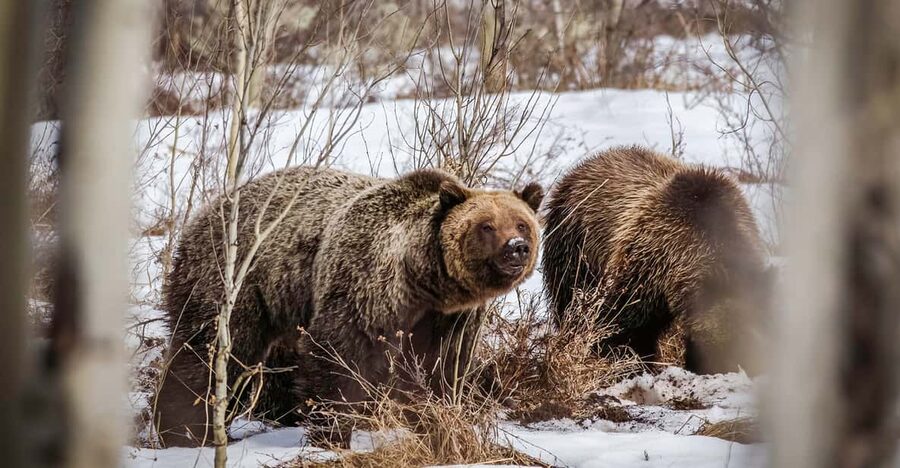
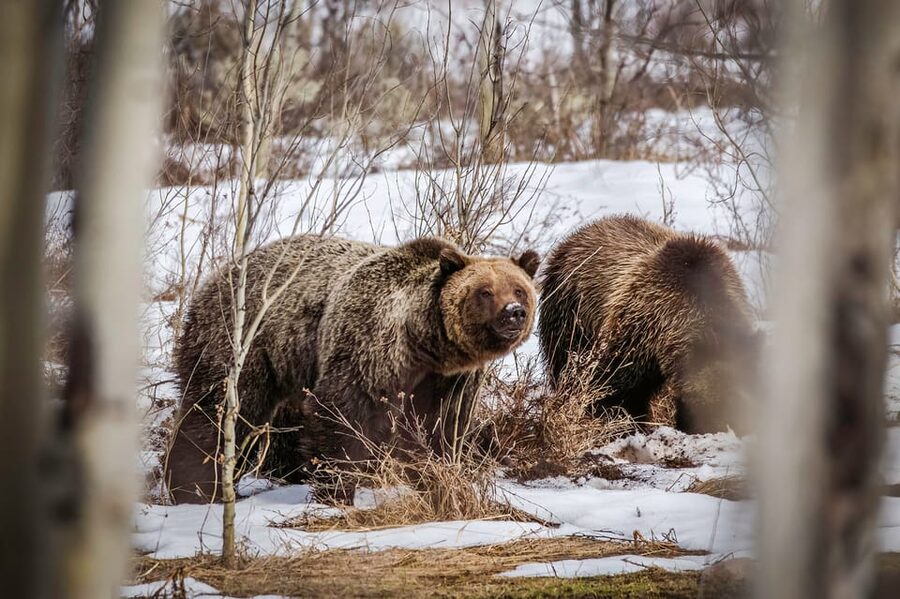
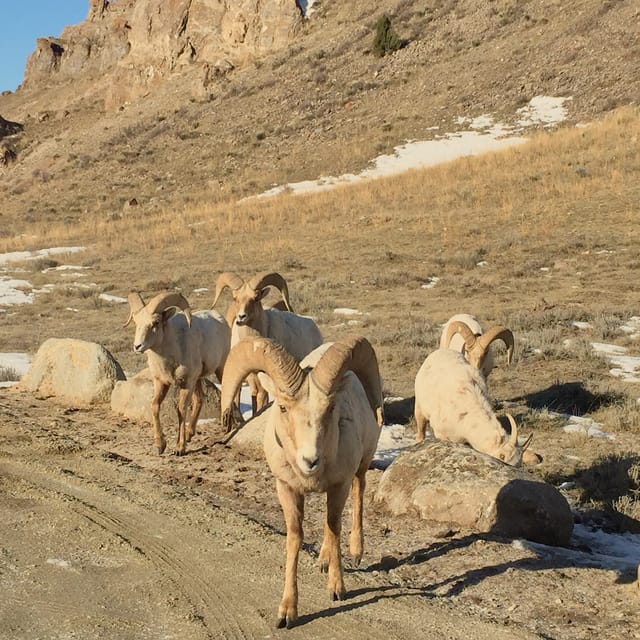
The advertised possibilities include moose, elk, bison, bears, bald eagles, wolves, and other wildlife. Actual sightings vary, but the recorded outings include a useful range: black bear, several moose, elk, bison herds, fox, bighorn sheep, bald eagles, and golden eagles.
Moose are a major draw. They can be difficult to spot without help, especially when they are near brush or water. One outing included a moose close to the van, while another found several moose during the morning. You should treat that as good fortune supported by careful searching, not as a promise that a moose will stand beside your vehicle.
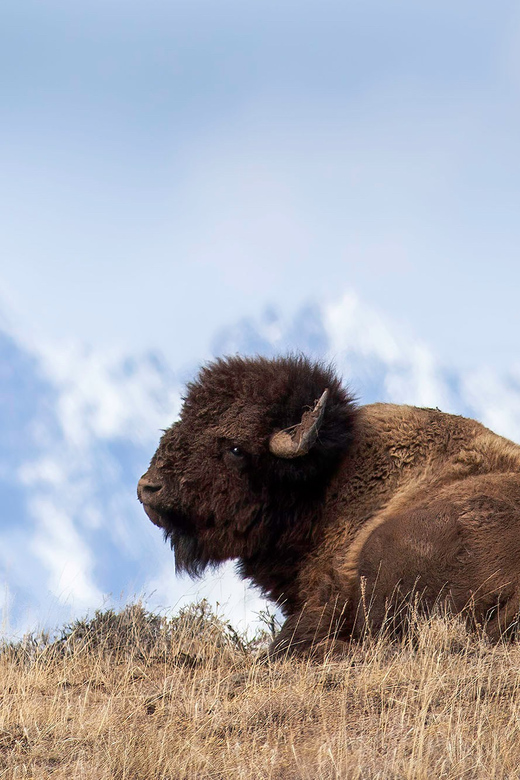
Bison offer a different kind of sighting. A herd is easier to notice than a single hidden animal, and the scope helps you study the group without approaching too closely. Elk can appear in larger numbers as well, while bears require more patience and luck. A black bear sighting was paired with moose, elk, and a bald eagle on one morning, but bear sightings are never something you should count on.
Birds reward a slower eye. Bald eagles and golden eagles may be far away at first, which is where the scope earns its place. One guide called a golden eagle an uncommon find, so that kind of sighting is best viewed as a fortunate extra.
Wolves are listed among the possible animals, but no specific wolf sighting is documented in the supplied information. Keep your expectations broad. The tour is about seeing wildlife in its own setting, not checking every box.
The Guides Bring the Park to Life
A good wildlife guide needs more than a list of animal names. You want someone who can explain behavior, habitat, geology, and local history while keeping the group comfortable and interested.
The guides associated with this tour receive especially strong praise for those skills. Michelle is described as enthusiastic, attentive, and willing to take the group around the area for both wildlife and scenery. Michael is praised for animal and habitat information, photo help, and finding places that are easy to miss. Alec is noted for clear pickup communication, flexibility, and careful use of the spotting scope.
Frank also receives credit for allowing extra time for photographs and for explaining the wildlife. Chris helped one group identify scenic places to revisit later. These details matter because the tour’s quality depends heavily on who leads your particular morning. The guide is the person who turns a ride through the park into a useful natural history lesson.
You should also feel free to say what matters most to you. If you care about photographs, tell the guide. If you want more mountain scenery or more time watching one animal, the small group makes that conversation easier. The outing is designed to allow time for both wildlife observation and quiet appreciation, rather than rushing from one sighting to another.
What $170 Includes, and Where the Value Lies
The price is $170 per person. That is not the cheapest way to enter Grand Teton National Park, but it covers more than transportation. You receive hotel pickup and drop-off, a naturalist guide, binoculars, a spotting scope, field guides, bottled water, and locally made snack bars.
The strongest value comes from combining transport with equipment and local searching. Renting or bringing a vehicle does not automatically teach you where to look, and a regular pair of binoculars cannot match the scope for distant animals. You are paying for the guide’s time, the vehicle, and the chance to see more than you might find by simply driving the park roads alone.
The small group also helps justify the price. You are not packed into a large coach, and the vehicle is designed for viewing. The supplied score of 88 percent perfect transport ratings supports the practical side of the experience, while the overall rating of 4.8 from 49 reviews points to consistently strong satisfaction.
Still, calculate the full cost. The national park entrance fee is not included and can be purchased at the park entrance. Meals are also not included, though snack bars and water are supplied. Since the tour lasts four hours, you will need to plan breakfast around it rather than expect a full meal during the outing.
For me, the tour is good value if wildlife is a priority and you do not already have a full day, a suitable vehicle, or a strong understanding of the park. If your main goal is only to see the Teton Range at sunrise, you can explore more cheaply on your own. The extra cost makes sense when you want the guide, scope, pickup, and focused wildlife search.
Who Will Get the Most From This Morning
I would recommend this tour to first-time visitors, photographers using phones or basic cameras, families who want help finding animals, and anyone who prefers a guide to doing the searching alone.
It also suits people with limited time in Jackson. Four hours gives you a focused introduction without taking your entire day. You can return to town with time for other plans, while still seeing major scenery and learning enough to make later park visits more rewarding.
Photographers should bring their own camera or phone, but you do not need professional gear to benefit. The scope and digiscoping technique can produce useful images, and guides may help position the scope for a better shot. If photography is your main goal, tell the guide early so the group can allow enough time at promising sightings.
This may be less suitable if you dislike early starts, sitting in a vehicle, or waiting for wildlife. It is also not ideal if you need a guaranteed list of animals. The natural setting is the point, and nature does not follow a schedule.
Practical Details Before You Reserve
The tour lasts four hours, with starting times based on availability. Pickup and drop-off are included for accommodations in the Jackson Hole area, and the guide meets you in the lobby or outside your private residence.
English is the tour language. The group is limited to nine participants. Cancellation is free up to 24 hours in advance, and you can reserve now and pay later, which helps if your Jackson plans are still shifting.
Pack comfortable shoes, sunglasses, and clothing suited to the forecast. Since the trip runs in rain or shine, do not rely on a perfect weather report. The enclosed vehicle, captain’s chairs, and raised roof offer shelter, but you still want to be comfortable when you step outside for views and photographs.
Call the activity a wildlife search rather than a guaranteed safari. The guide may find a moose, bear, or eagle, or may spend more time with bison, elk, scenery, and geology. A good morning is measured by the quality of the watching, not only by the number of species.
Should You Book the Grand Teton Sunrise Safari?
Book it if you want an efficient, well-supported first morning in Grand Teton National Park. The combination of early light, a small group, hotel pickup, viewing equipment, and guides such as Michelle, Michael, Alec, and Frank makes this much easier than driving around and hoping to notice movement.
I would be especially inclined to book if you have only a short stay in Jackson, want help with wildlife photography, or do not want to organize park driving yourself. The price is reasonable for the equipment and local guiding, though you should add the park entrance fee and make your own breakfast plan.
Skip it if you prefer a late start, already know the park well, or want a private itinerary built around one specific animal. For everyone else, this is a smart way to start the day: quiet roads, brightening peaks, and a guide who knows where to point the scope.
FAQ
How long is the Grand Teton sunrise safari?
The tour lasts four hours. Starting times depend on availability.
Where does pickup take place?
Pickup and drop-off are provided at accommodations in the Jackson Hole area. You meet the guide in your hotel lobby or outside your private residence.
How many people are in the group?
The tour is limited to nine participants, making it a small-group experience.
Which animals might I see?
Possible sightings include moose, elk, bison, bears, bald eagles, wolves, foxes, bighorn sheep, and golden eagles. Wildlife sightings are not guaranteed.
Are binoculars and a spotting scope provided?
Yes. Binoculars, a spotting scope, and field guides are included. Guides may also use digiscoping to help you take magnified photos with your phone.
Is the national park entrance fee included?
No. The national park entrance fee is separate and can be purchased at the park entrance.
What happens if the weather is poor?
The tour operates rain or shine. You can stay comfortable in the enclosed vehicle, which has leather captain’s chairs and a raised roof. Bring weather-appropriate clothing, comfortable shoes, and sunglasses.
More Morning in Jackson
- Yala National Park Safari Tours: Morning/Evening/Full Day
★ 4.8 · 818 reviews - Jasper National Park: Evening or Morning Wildlife Watch Tour
★ 4.6 · 691 reviews - Maui: Haleakala National Park Sunrise Tour
★ 4.7 · 545 reviews - Las Vegas > Grand Canyon Sunrise + Antelope + Horseshoe Bend
★ 4.7 · 292 reviews
More Sunrise and Sunset Tours in Jackson
- Sunset 4-Hour Grand Teton Wildlife Adventure
★ 5.0 · 1,020 reviews - Sunrise 4-Hour Grand Teton Wildlife Adventure
★ 5.0 · 899 reviews - Teton Village: Grand Tetons Sunrise Hot Air Balloon Tour
★ 4.7 · 102 reviews - Tenerife: Teide National Park Sunset & Stargazing Tour
★ 4.2 · 3,812 reviews
Just added around Jackson
- Jackson: Grand Teton and National Elk Refuge Winter Day Trip★ 4.8 · 140 reviews
- Jackson: Yellowstone Snowcoach Tour to Old Faithful★ 4.5 · 41 reviews
- Grand Teton National Park: Full-Day Tour with Boat Ride★ 4.8 · 207 reviews
- From Jackson: Half-Day Grand Teton National Park Tour★ 4.8 · 344 reviews
- Yellowstone & Grand Tetons: 4-Day/3-Night Wildlife Adventure★ 4.9 · 145 reviews
- Jackson: Yellowstone Snowmobile Tour to Old Faithful★ 4.9 · 118 reviews
- Teton Village: Grand Tetons Sunrise Hot Air Balloon Tour★ 4.7 · 102 reviews
- From Jackson: Grand Teton Wildlife & Scenery Tour with Lunch★ 4.8 · 19 reviews
Jackson National Park Tours, compared.
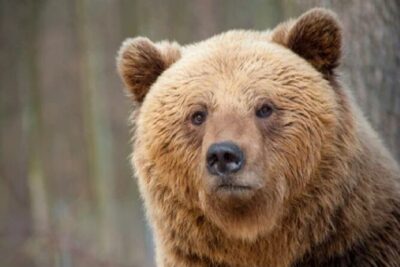
From Jackson Hole: Yellowstone Old Faithful, Waterfalls and Wildlife Day Tour
Read our review →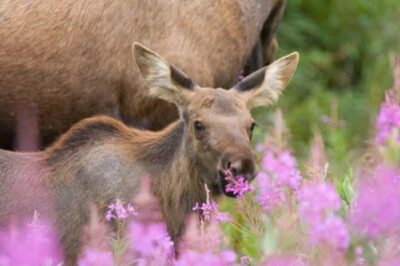
Grand Teton Wildlife Safari in a Enclosed or Open-Air Vehicle (season dependent)
Read our review →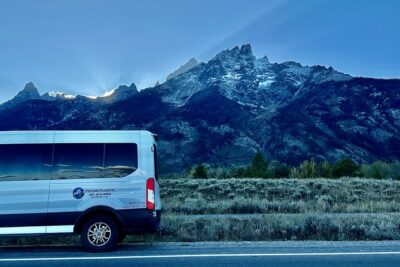
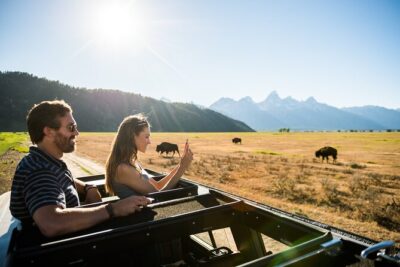
Sunset 4-Hour Grand Teton Wildlife Adventure
Read our review →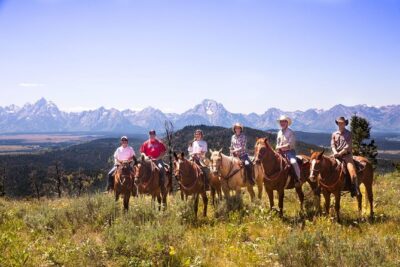
Horseback Riding with Grand Teton Views in Jackson Hole
Read our review →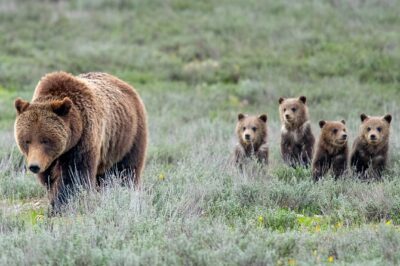
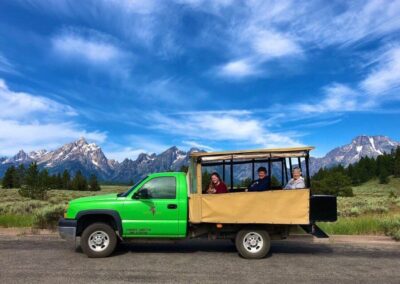
Grand Teton National Park Guided Wildlife Tour
Read our review →Browse the lists this tour appears in