
Review · ARUSHA
3 Days 2 Nights Group Joining Serengeti and Ngorogoro Safari
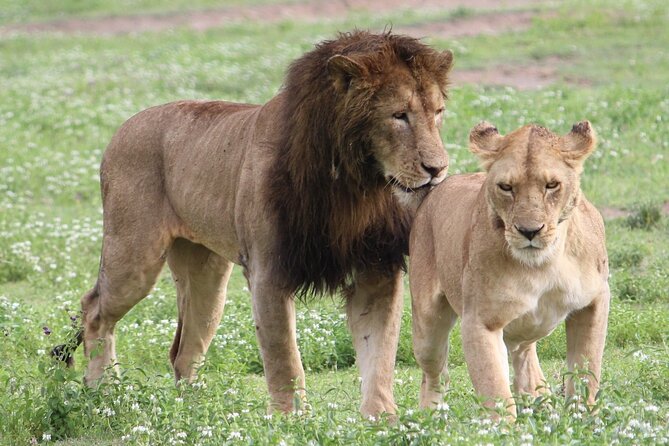
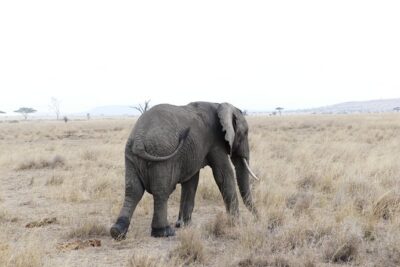
The big draw here is simple: you get two of Tanzania’s best wildlife areas in three busy but rewarding days. Serengeti gives you wide-open game country and a strong chance of seeing lions, cheetahs, elephants, giraffes, zebras, and wildebeest. Ngorongoro Crater delivers close-range animal viewing in a much smaller setting.
I like the open-roof Land Cruiser, where every seat has a window and you can charge your phone between sightings. I also like the practical all-in price: transport, guide, meals, water, camping gear, and two nights of accommodation are covered. The main catch is the pace. Long drives and early starts leave little time for rest, and the simple option means camping rather than a basic lodge.
Key things to know before you book
- Serengeti begins with a long first day: You leave Arusha at 6:00am and reach the park in the early afternoon after passing through Ngorongoro Conservation Area.
- Ngorongoro is the final wildlife highlight: The crater floor is home to more than 25,000 large mammals, including black rhinos.
- The vehicle is designed for safari viewing: The open roof, window seats, and charging sockets make long game drives more comfortable.
- Simple accommodation means camping: The simple lodge plan uses camping in the Ngorongoro area because a simple lodge is not available there.
- A chef prepares the included meals: You receive two breakfasts, three lunches, and two dinners, plus mineral water.
- The group is capped at seven: That is small enough to keep the vehicle personal, though you still share the schedule with the group.
What $900 buys you over three days
At $900 per person, this is not the cheapest way to see northern Tanzania, but it covers many costs that can quickly add up on a safari. Park and conservation fees, a professional English-speaking guide, transport from Arusha, accommodation, meals, water, camping equipment, and the safari vehicle are included.
That matters because a safari price can look low until you add park entry, food, fuel, tents, and transfers. Here, the main extras are tips and your personal toiletries. The price also includes an open-roof 4×4 with all window seats, a useful feature when a lion appears on one side of the vehicle and a giraffe appears on the other.
The value depends heavily on your accommodation choice. You can select a category of accommodation, but the simple lodge option is not actually a simple lodge for the Ngorongoro night. That plan uses camping in the area. Read that detail carefully before paying, especially if you expect a bed, private bathroom, or hot shower.
The tour is capped at seven people, which helps. A full vehicle can feel crowded when everyone wants the same view, but seven is a manageable number for a group safari. The guide also has a better chance of keeping the group together and moving efficiently between sightings.
The published rating is 4.8 from 56 ratings, with 96 percent recommending the experience. The strongest praise centers on the guide’s effort and wildlife knowledge, especially the ability to find a wide range of animals. One account described seeing the Big Five, but you should treat that as a lucky possibility rather than a promise. Wildlife is wild, and no three-day route can guarantee every sighting.
More Safari Tours in Arusha
- Balloon Safari & Bush Breakfast in Serengeti – Miracle Experience
★ 5.0 · 1,646 reviews - 3 Days Serengeti & Ngorongoro Group Camping Safari
★ 5.0 · 574 reviews - 3-Day Classic Serengeti Safari
★ 5.0 · 263 reviews
The early road from Arusha to Serengeti
Your first day starts at 6:00am in Arusha. That early departure is necessary because the road to Serengeti is long, and you still want useful game-drive time once you reach the park.
The first planned breakfast stop is in Karatu. From there, you continue through the Ngorongoro Conservation Area. This is not just a transfer across empty ground. The route includes a game drive through the conservation area, so the day begins offering wildlife before you reach Serengeti itself.
Expect roughly seven hours of activity on this first day. That figure includes driving, the breakfast stop, the conservation area, and the game drive after arrival. You should be ready for a full day in the vehicle. Pack sunglasses, sunscreen, a hat, and a light layer, since an open-roof vehicle can feel cool early in the morning and exposed later in the day.
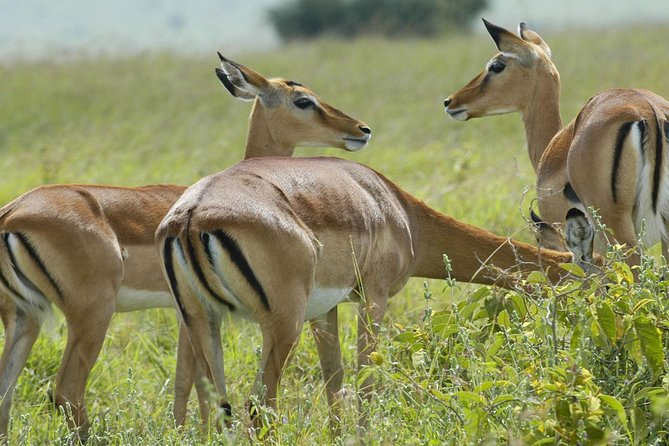
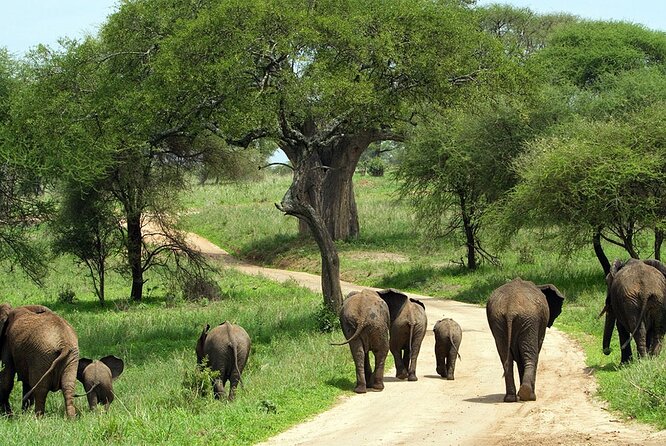
Serengeti National Park is the main event. Its name is closely linked with huge herds of wildebeest and buffalo, but the animal list is much longer. You might see elephants, giraffes, eland, impala, Grant’s gazelles, lions, leopards, and other species during the afternoon drive.
Arrival is scheduled for the early afternoon, followed by game driving until sunset. That gives you a useful first look at the park rather than simply checking into camp. The tradeoff is that you will arrive tired. The first day is about reaching Serengeti and making the most of the remaining daylight, not taking it easy.
Dinner is served at your selected accommodation category. Since accommodation details vary by plan, confirm exactly what you are buying before departure, especially if sleeping arrangements matter to you.
Sunrise in Serengeti on day two
Day two begins early, with a sunrise game drive. This is one of the best uses of your limited time. The morning offers another chance to spot animals before the drive back toward Ngorongoro, and the changing light can make the open plains especially memorable.
The game drive continues until early afternoon. Depending on the schedule, you either return to the accommodation for a hot lunch or eat a packed lunch while out in the park. Both options have advantages. A hot meal is more comfortable, while a packed lunch keeps you closer to the animals and avoids losing time on the road.
The wildlife focus remains broad. You might see lions, leopards, cheetahs, zebras, wildebeest, gazelles, and hyenas. The repeated mention of cats is important: Serengeti is a strong place to look for predators, but sightings still depend on luck, timing, and the guide’s ability to read the area.
After the morning drive, you travel back through Serengeti and the Ngorongoro Conservation Area, with more game viewing along the way. This creates a second wildlife window rather than making the day only a return transfer. Still, day two is another long day of about seven hours, so it suits you best if you enjoy active itineraries and do not need much downtime.
You spend the second night in the Ngorongoro area. This is where the accommodation distinction becomes especially important. If you select the simple lodge option, you camp because there is no accommodation of simple lodge standard in the area. Camping gear is supplied, but that does not mean camping will feel like a lodge.
A basic camp may involve shared toilets and limited facilities. One account describes rain, cold, no hot water, and no toilet paper at the first camp. Take that warning seriously. Bring your own toiletries, toilet paper, warm layers, and waterproof protection for your bags. The tour supplies camping equipment, but personal comfort items remain your responsibility.
Ngorongoro Crater delivers the close-up sightings
After breakfast on day three, you leave with a packed picnic lunch for a game drive into Ngorongoro Crater. The crater is very different from Serengeti. Instead of a broad park with animals spread across a huge area, you are exploring a compact natural basin where many large mammals live.
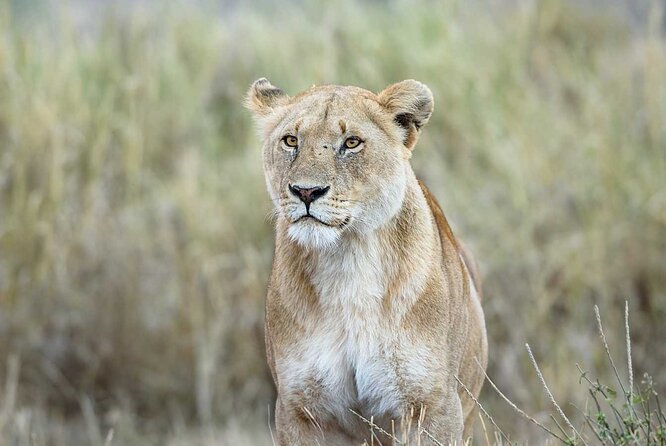
The crater floor supports more than 25,000 large mammals. You might see black rhinos, zebras, wildebeest, gazelles, buffalo, lions, hippos, elephants, eland, hyenas, and aquatic birds. The animals can come close to the vehicle, which makes this part of the trip particularly appealing if you want strong viewing without spending all day searching across open plains.
The schedule allows you to explore until late afternoon before returning to Arusha. This is another six-hour day, although road conditions, traffic, wildlife sightings, and the return journey can affect how the timing feels. The packed lunch keeps the crater visit moving, but you should not expect a relaxed meal in a dining room.
Ngorongoro is also the emotional high point for many people on this route. The mix of dense wildlife, crater walls, and close sightings gives the day a different character from Serengeti. The area is not simply a second version of the national park. It adds variety and makes the three-day plan feel more complete.
The drawback is that this final day ends with a drive back to Arusha. After an early breakfast and a crater game drive, you may be tired by arrival. If you have an evening flight, leave plenty of margin and confirm the timing with the operator rather than assuming the vehicle will reach Arusha at a precise hour.
More Safari Tours in Tanzania
- 10-Day Serengeti Wildebeest Migration Safari from Arusha
★ 5.0 · 218 reviews - 4-Day Safari from Arusha: Tarangire, Serengeti and Ngorongoro
★ 5.0 · 173 reviews - 8 Day Spectacular Migration Serengeti mid -Range Tanzania Safari
★ 5.0 · 161 reviews - 7 Days Tanganyika Wilderness Safari
★ 5.0 · 159 reviews
Why the open-roof 4×4 matters
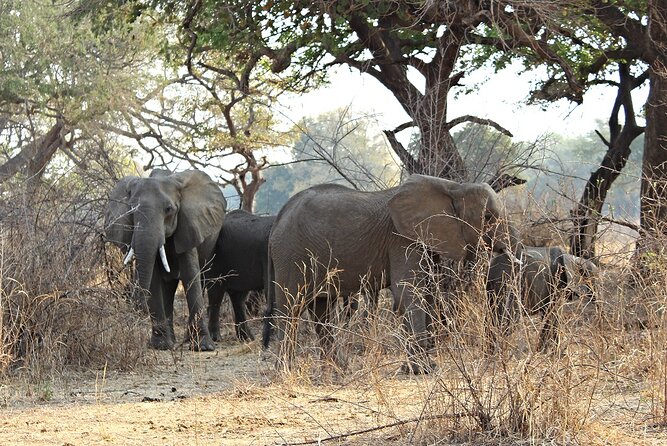
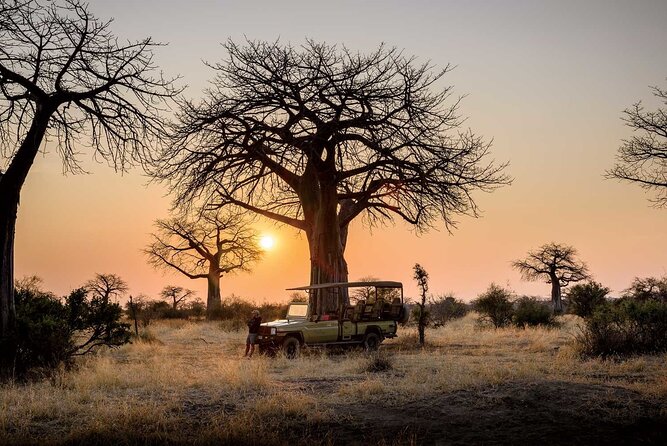
The vehicle is one of the most practical features of the tour. You travel in a 4×4 Land Cruiser with an open roof, all window seats, and charging sockets. That setup lets you stand or look upward for better views, particularly when watching giraffes, birds, or animals at a distance.
All window seats are valuable on a shared safari. You are not assigned to a middle seat with poor visibility, and you have a better chance of photographing animals from your side of the vehicle. The small group limit also helps reduce the usual scramble for space.
Charging ports may sound minor, but they matter after long game drives. Camera and phone batteries disappear quickly when you are taking pictures all day. Bring your own charging cable and keep your devices protected from dust.
An open roof also means more exposure. You can feel the sun, dust, wind, and morning chill. Dress in layers, use sun protection, and keep small items secured. The same feature that improves viewing can make the ride less comfortable in poor weather.
Meals, camping, and the comfort question
All meals are included: two breakfasts, three lunches, and two dinners. A chef prepares the food, and mineral water is supplied. That removes the need to find restaurants during a route where choices are limited and driving time matters.
Lunch arrangements change with the day. On some drives, you return for a hot lunch. On others, you carry a packed meal. This is practical rather than luxurious. You gain more time in the parks, but a picnic lunch will not offer the same comfort as sitting down at camp.
Camping equipment is included, which keeps the simple plan affordable and easier to arrange. Still, camping is not the same as lodge accommodation. If you want reliable hot water, private facilities, or a more restful night, choose a higher accommodation category if available and confirm the exact property or camping arrangement.
The negative experience recorded for this tour was tied to rain, cold, shared toilets, and missing paper supplies. That does not make the whole safari a poor choice, but it shows the importance of matching the accommodation plan to your expectations. Budget camping can work well if you arrive prepared. It can feel miserable if you expect lodge comfort.
Who should book this safari?
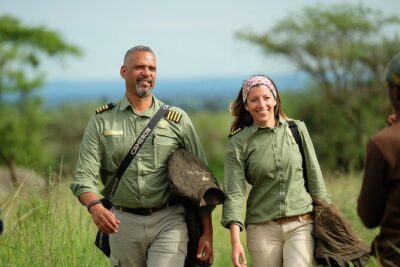
I would recommend this trip to you if you want to see Serengeti and Ngorongoro in a short period and prefer one package that handles transport, meals, equipment, and guiding. It suits people who value wildlife time over long hotel stays and who are comfortable with early mornings.
It is also a good fit for solo visitors or pairs who want to join a small group rather than pay for a private vehicle. The maximum of seven people keeps the group limited, while the included vehicle and guide avoid the complications of arranging separate park transfers.
You should think twice if you dislike long drives, shared facilities, camping, or fixed schedules. Three days is enough for a memorable introduction, but it is not a slow safari. The route covers large distances, and the first two days are especially full.
The tour description refers to Manyara and Tarangire in the general overview, but the detailed three-day plan names Serengeti, Ngorongoro Conservation Area, and Ngorongoro Crater. Do not assume Manyara or Tarangire are included in this exact departure. Confirm the route before booking if either park is essential to you.
Booking, cancellation, and useful preparation
Pickup is offered, the start time is 6:00am, and confirmation is provided when you book. The experience is near public transportation, and most people can participate. Since the schedule begins early, arrange your evening before departure so you are ready on time.
Free cancellation is available if you cancel at least 24 hours before the start time. Inside that 24-hour window, the payment is not refunded, and changes are not accepted. The cut-off uses local time.
Bring warm clothing, rain protection, sunscreen, a hat, personal toiletries, toilet paper, and any medication you need. Pack light enough for the vehicle, but do not skimp on layers if you are selecting the camping plan.
Tips are not included. Keep some cash available if you wish to tip the guide, chef, or camp staff for good service. The tour provides the main practical needs, but tips remain your own choice.
Should you book the three-day Serengeti and Ngorongoro route?
Book it if your priority is maximum wildlife coverage in a short trip, especially with the chance to see Serengeti predators and Ngorongoro’s dense animal population. The open-roof vehicle, small group size, included meals, and supplied camping gear make $900 a reasonable package price for a tightly planned safari.
Do not book it expecting a gentle holiday or guaranteed luxury. The days are long, the roads take time, and the simple option is camping with shared facilities. For the best experience, choose your accommodation category carefully and prepare for weather.
My call: this is a strong choice for an active first safari, provided you accept the pace and confirm the exact route and sleeping arrangements before paying.
FAQ
Where does the safari start?
The safari starts in Arusha, Tanzania, with a pickup and departure time of 6:00am.
How many people can join the tour?
The group has a maximum of seven travelers.
Is transport included?
Yes. Transport is provided in a 4×4 vehicle with an open roof, all window seats, and charging sockets.
Are meals included?
Yes. The package includes two breakfasts, three lunches, and two dinners. Mineral water is also included.
Is camping equipment supplied?
Yes. Camping equipment is included. If you choose the simple lodge option, the Ngorongoro-area night is spent camping because simple lodge accommodation is not available there.
What animals might I see?
You might see wildebeest, buffalo, elephants, giraffes, impala, Grant’s gazelles, lions, leopards, cheetahs, zebras, hyenas, hippos, black rhinos, eland, and aquatic birds.
What is the cancellation policy?
You can receive a full refund by canceling at least 24 hours before the experience starts. Cancellations or changes made within 24 hours are not accepted and are not refunded.
More 3-Day Experiences in Arusha
- 3 Days Tarangire, Ngorongoro & Lake Manyara Group Camping Safari
★ 5.0 · 102 reviews - 3 Days Private Safari – manyara, Ngorongoro & Tarangire
★ 5.0 · 94 reviews - 3 Days Small Group Safari to Serengeti NP and Ngorongoro Crater Tour in Tanzania
★ 5.0 · 77 reviews - 3 Days Safari to Serengeti National Park & Ngorongoro Crater in Tanzania
★ 5.0 · 34 reviews
Just added around Arusha
- Serengeti & Ngorongoro fly in safari★ 5.0 · 76 reviews
- serengeti, ngorongoro & tarangire 5days private tour★ 5.0 · 77 reviews
- 3 Days Private Safari – manyara, Ngorongoro & Tarangire★ 5.0 · 94 reviews
- 05 Days Tarangire, Serengeti, Ngorongoro and Lake Manyara★ 5.0 · 54 reviews
- day trip tarangire★ 5.0 · 46 reviews
- 5 days safari, hiking & culture (Serengeti & kilimanjaro)★ 5.0 · 27 reviews
- Tanzania safari with guide in Italian, the great Migration of the Serengeti★ 5.0 · 23 reviews
- 03 days Serengeti and Ngorongoro Crater group (camping)★ 5.0 · 75 reviews
Arusha National Park Tours, compared.
Balloon Safari & Bush Breakfast in Serengeti – Miracle Experience
Read our review →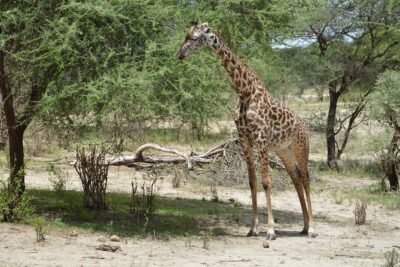
3 Days Serengeti & Ngorongoro Group Camping Safari
Read our review →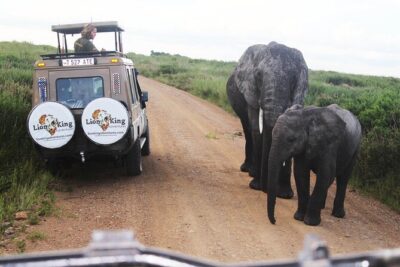
5-Day Highlights mid-Range Crater, Serengeti, Tarangire
Read our review →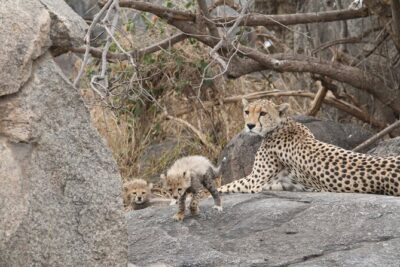
Private 6-Day Tarangire Manyara Crater and Serengeti with Mid-Range Lodges
Read our review →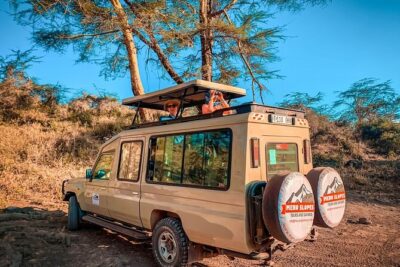
5 Days Camping Tarangire, Serengeti & Ngorongoro crater & Visiting Maasai
Read our review →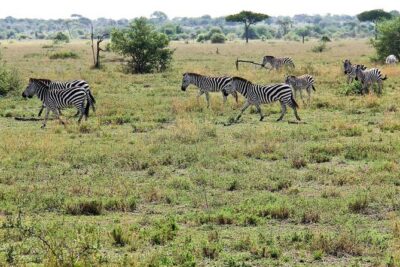
4 Days Join Group tour Tarangire Serengeti and Ngorongoro crater
Read our review →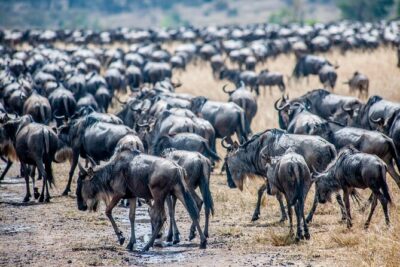
10-Day Serengeti Wildebeest Migration Safari from Arusha
Read our review →Browse the lists this tour appears in