Review · ARUSHA
3 Days Safari Serengeti & Ngorongoro Crater
The big appeal here is simple: in three busy days, you reach both the Serengeti and Ngorongoro Crater, two of Tanzania’s best places for wildlife. You’ll spend one night in the Serengeti and one at Simba Campsite near the crater rim, with a guide, chef, tents, sleeping bags, mattresses, meals, and park fees bundled into the price.
I like the early game drives, which give you a good shot at active animals and a chance to look for the crater’s black rhino. I also like the maximum group size of six, since a smaller vehicle makes it easier to ask questions and find a good viewing angle.
The trade-off is the long first day. Driving from Arusha to the Serengeti takes about eight hours with stops, so this is an efficient safari, not a leisurely one. You’ll cover a lot of ground and spend two nights camping, which suits flexible, outdoors-minded visitors best.
Key points to know before booking
- Two famous parks in three days: You visit the Serengeti and Ngorongoro Crater rather than spending the whole trip in one park.
- An eight-hour first drive: The route from Arusha passes through the Ngorongoro Conservation Area before reaching the Serengeti.
- Early starts matter: Day two begins with breakfast at about 6:30 a.m., and the crater descent on day three is scheduled for about 6:15 a.m.
- Camping gear is supplied: Tents, sleeping bags, and mattresses are included, along with two breakfasts, three lunches, and two dinners.
- A small group keeps things personal: The vehicle carries no more than six people, according to the tour details.
- Maasai culture is an optional addition: You may stop at a village to learn about Maasai traditions on the way toward the Serengeti.
Why this safari works for a short Tanzania visit
If you have only three days, this route gives you a strong introduction to northern Tanzania. You get the wide-open Serengeti, the enclosed wildlife setting of Ngorongoro Crater, and a taste of the Ngorongoro Conservation Area between them.
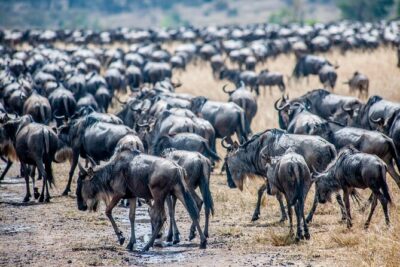
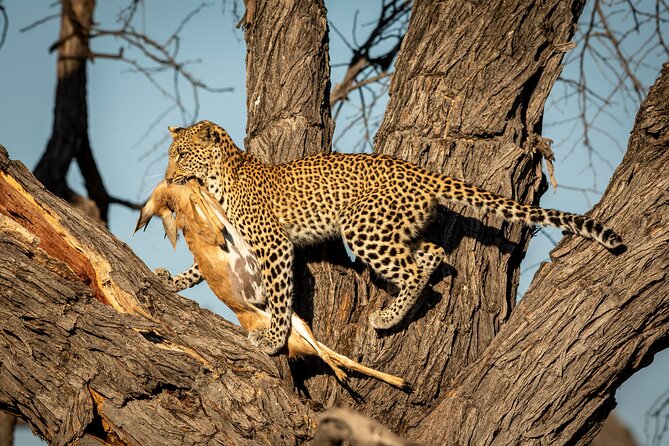
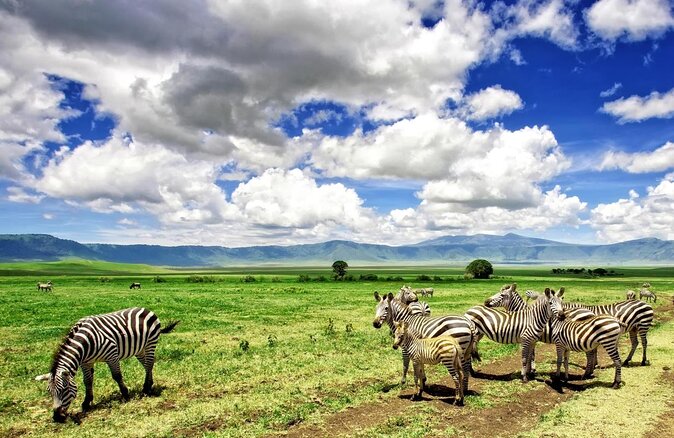
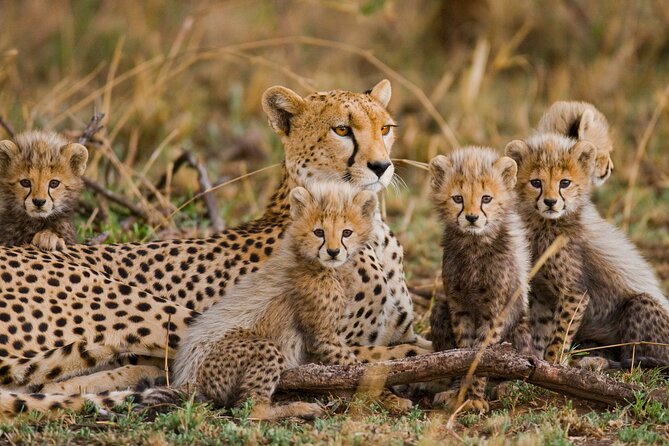
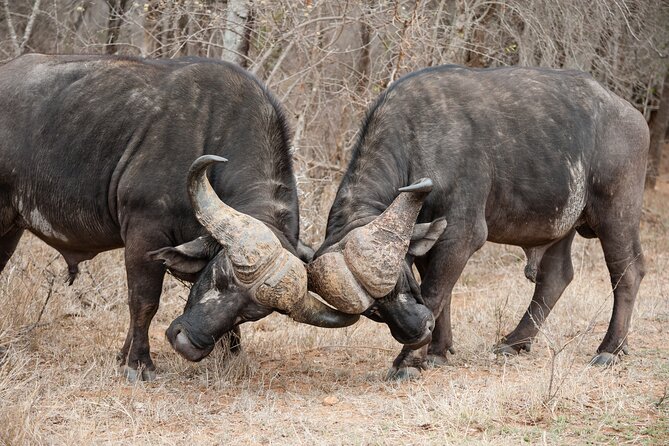
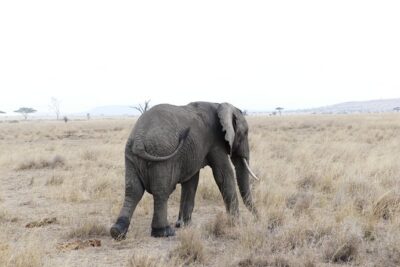
That variety matters. The Serengeti is known for broad plains and moving herds, while the crater’s floor concentrates many animals in a smaller area. You can look for lions, elephants, buffalo, zebra, wildebeest, giraffe, antelope, hyena, hippos, crocodiles, baboons, birds, and gazelles. Big cats such as cheetahs and leopards are never guaranteed, but the safari’s repeated game drives give you several chances to search.
The price is $750 per person. For that amount, you receive park entrances and taxes, vehicle costs, camping equipment, six included meals, and transport during the safari. Flights, visas, and tips are extra. I consider that a solid package price if you want a basic camping safari and do not need lodge accommodation.
The value comes from what is already folded into the cost. You do not need to separately arrange a tent, sleeping bag, mattress, park admission, or meals. A chef travels with the group, and the food receives especially warm praise in the available feedback, which is useful after long drives and early starts.
Still, compare the price carefully with your priorities. If you want a private vehicle, lodge rooms, or a slower pace, this may not be the right format. The listed maximum is six people, not one or two, and the schedule is built to fit two major parks into a short window.
More Safari Tours in Arusha
- Balloon Safari & Bush Breakfast in Serengeti – Miracle Experience
★ 5.0 · 1,646 reviews - 3 Days Serengeti & Ngorongoro Group Camping Safari
★ 5.0 · 574 reviews - 3-Day Classic Serengeti Safari
★ 5.0 · 263 reviews
Day one: the long road from Arusha to Serengeti
After breakfast, you leave Arusha for the Serengeti. The drive takes about eight hours with stops, and the route passes through the Ngorongoro Conservation Area. This is the day to settle in, watch the scenery change, and get used to the rhythm of a safari vehicle.
The first meaningful stop is at the Ngorongoro gate and viewpoint. You have about 20 minutes to look over the crater. That is not enough time for a full visit, but it gives you a memorable first look at the great volcanic bowl before continuing toward the Serengeti.
The optional Maasai village visit adds a cultural note to an otherwise road-heavy day. You can learn about Maasai customs and the warrior traditions associated with lion hunting, while also hearing how some older practices have changed. The visit is optional, so you can decide if you prefer more time on the road or a short cultural stop.
I would ask about the village visit before departure. The itinerary describes it as lasting several hours, but the exact timing may depend on the day’s route and the group’s preference. Since reaching the Serengeti already requires a long drive, this addition could make day one feel especially full.
Once you enter Serengeti National Park, the drive becomes part of the safari. Animals may appear at any point, and the itinerary notes that wildlife can even be found near campsites. Keep your camera ready, but do not expect the first day to feel like a full-length game drive. Much of it is still about getting across the park.
Day two: an early Serengeti game drive
Day two begins with breakfast at about 6:30 a.m., followed by an early game drive around Seronera. This is one of the best features of the schedule. Animals are often easier to seek out early in the day, and the cooler morning hours are more comfortable for sitting in an open-sided safari vehicle.
You’ll spend the morning and part of the afternoon looking for wildlife before returning to camp for lunch and packing. The plan then continues with a game drive while you leave the Serengeti and travel toward Simba Campsite near the Ngorongoro Crater rim.
The itinerary gives this transfer about two hours, though the actual time can vary with animal sightings, road conditions, and stops. That flexibility is part of the appeal of a safari, but it also means you should not expect a precise arrival time.
The Seronera area is a good place to focus on variety. You may see large herbivores such as zebra, wildebeest, giraffe, and buffalo, as well as predators including lions, cheetahs, or hyenas. The guides connected with this company, including Assad, David, and Mike, receive strong praise for spotting animals and explaining their habits. If Assad is leading your trip, his name is worth confirming when you book. The same goes for David or Mike, since the guide can make a real difference in how much you notice.
Guiding is not only about finding a lion in the grass. A good guide helps you understand what you are seeing, reads the behavior of animals, and positions the vehicle without turning every sighting into a rushed photo stop. The feedback about the guides repeatedly highlights sharp eyes, care for the group, and a willingness to work hard for better views.
Lunch and dinner are included, and a chef accompanies the safari. The food is one of the most praised parts of the experience, with specific comments about excellent breakfasts, lunches, and dinners. That is a real advantage on a camping trip, where meals can otherwise be an afterthought.
You spend the second night at Simba Campsite near the crater. The package includes a tent, sleeping bag, and mattress. Camping here keeps the price down and places you close to the next morning’s crater descent, but you should be comfortable with basic outdoor accommodation. This is not a lodge-based itinerary.
Day three: searching for black rhino in Ngorongoro Crater
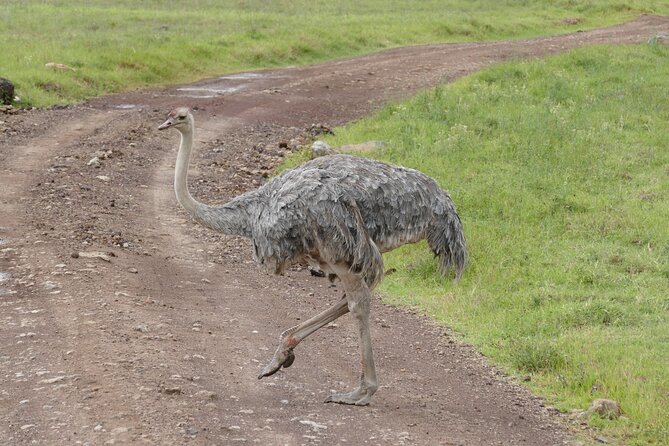
The final day starts early, with a descent into Ngorongoro Crater scheduled for about 6:15 a.m. The main target is the black rhino, one of the most difficult animals to spot in the area.
That early departure is worth taking seriously. You will be tired after two days of driving and camping, but the morning gives you more time inside the crater and puts the group out early in the day. The crater floor is a compact wildlife area, so you can often see a large range of animals in a shorter space than in the Serengeti.
The itinerary describes rhinos as the hardest animals to find, while many other species may be easier to spot on the crater floor. You might see lions, elephants, buffalo, zebra, hippos, hyenas, and many birds. One of the strongest outcomes reported for this safari is the chance to see all of the Big Five: lion, leopard, elephant, buffalo, and rhino. That is never promised, but the combination of Serengeti and Ngorongoro gives you a sensible chance to search for them.
After lunch, you continue the game drive before ascending to camp. You then pack and begin the return trip to Arusha. The itinerary says an airport transfer is included depending on your flight time, so confirm your departure details before booking a same-day flight. The schedule is active, and game drives or road delays can affect when you arrive.
More Safari Tours in Tanzania
- 10-Day Serengeti Wildebeest Migration Safari from Arusha
★ 5.0 · 218 reviews - 4-Day Safari from Arusha: Tarangire, Serengeti and Ngorongoro
★ 5.0 · 173 reviews - 8 Day Spectacular Migration Serengeti mid -Range Tanzania Safari
★ 5.0 · 161 reviews - 7 Days Tanganyika Wilderness Safari
★ 5.0 · 159 reviews
Camping, meals, and the practical side
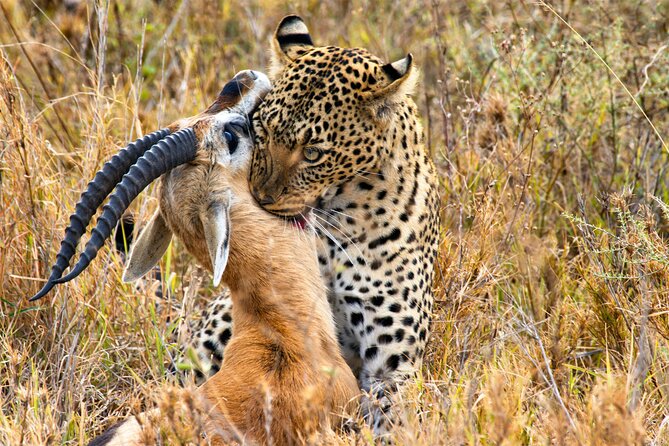
The included camping kit covers the basics: tents, sleeping bags, and mattresses. This saves you from bringing bulky gear and helps explain why the $750 price can work for budget-conscious visitors.
Pack for changing temperatures. Early mornings can feel cool, while the middle of the day may be warm. Comfortable layers, sturdy shoes, sun protection, and a small bag for personal items will make the days easier. The supplied information does not specify the tent setup or bathroom arrangements, so ask those questions before paying if camping comfort matters to you.
Meals included in the package are:
- Two breakfasts
- Three lunches
- Two dinners
The chef is an important part of the setup. The food receives repeated praise, and the cooking adds comfort to a schedule that otherwise involves long drives, early alarms, and camp packing. If you have dietary needs, raise them before the trip because the published details do not explain special-meal options.
The group limit of six is another practical strength. A small group usually means less waiting, easier communication with the guide, and more room to adjust the day around wildlife sightings. It does not mean you have a private safari, so confirm the group arrangement if that distinction matters to you.
The guides and the value of good spotting
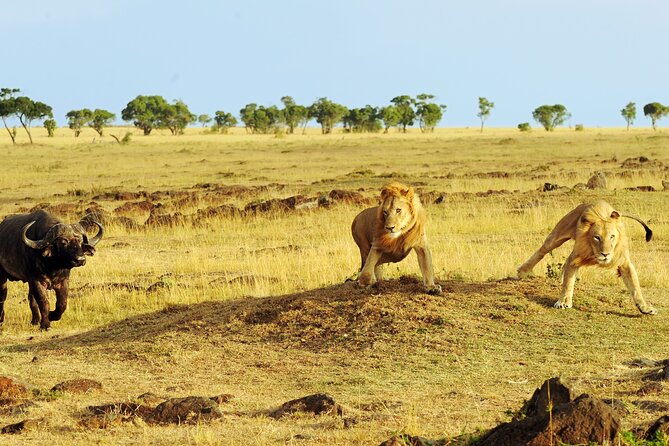
Names associated with this safari include Assad, David, and Mike. Assad is described as both organizer and guide on several trips, while David and Mike are also praised for their guiding. The exact guide is not guaranteed in the information provided, so ask who will lead your departure.
This is worth doing because guiding shapes the whole experience. The strongest descriptions focus on guides who spot animals before the group does, explain animal behavior, maintain the vehicle, and take care of practical details. In a large park, those skills can mean the difference between driving past a shape in the grass and realizing it is a cheetah.
You should also ask how much flexibility is possible within the fixed three-day route. The major stops are set, but the amount of time spent at each sighting can affect your day. A guide who communicates clearly will help you understand when it makes sense to wait and when the group must keep moving.
Who should book this three-day safari
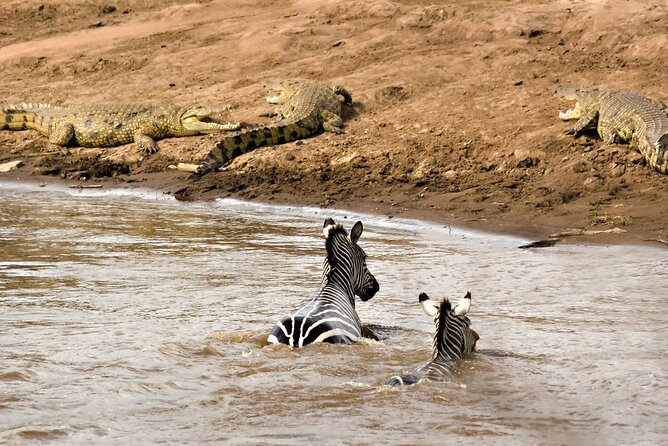
I would choose this trip if you want the following:
- A first safari with a strong mix of animals and scenery
- The Serengeti and Ngorongoro Crater in one short trip
- Camping rather than lodge accommodation
- Meals, park fees, and basic equipment included
- A group capped at six people
- A reasonable chance to search for Big Five wildlife
- A route that begins and ends around Arusha
This is also a good fit if you enjoy a full schedule and do not mind long vehicle days. It suits people who want to spend their budget on park access and game drives rather than upscale rooms.
I would hesitate if you dislike early mornings, long road transfers, or basic camping. The first day takes about eight hours, and the final day includes a dawn crater descent followed by a return to Arusha. You will see a lot, but you will not have much spare time.
The safari has a 4.9 rating from 26 ratings and is recommended by 100 percent of the listed feedback. The most consistently praised features are the guides, animal spotting, cooking, organization, and value. One practical note: a few experiences describe a slight mix-up that was resolved with help from the organizer, so clear communication before departure remains sensible.
Booking advice and cancellation terms
Confirmation is provided at booking, and most people can participate. The activity requires a minimum number of participants, so a departure can be changed or refunded if that minimum is not met.
You can cancel for a full refund up to 24 hours before the start time. Cancellations or changes made inside that 24-hour window are not accepted for a refund. The timing uses local time, so check the start time carefully.
Should you book it?
Book this safari if you want maximum wildlife variety in minimum time, and you are comfortable trading lodge comfort for camping and a packed schedule. The Serengeti, Ngorongoro Crater, experienced guides, chef-prepared meals, park fees, and equipment make $750 a reasonable price for a short northern Tanzania safari.
Before you commit, confirm three things: your guide’s name, the camping setup, and the airport transfer timing. If those details fit your plans, this is a practical and wildlife-focused introduction to Tanzania. If you want a slower trip or more comfortable nights, choose a longer lodge itinerary instead.
FAQ
How long is the safari?
The safari lasts approximately three days. The first drive from Arusha to the Serengeti takes about eight hours, including stops.
Which parks and areas does the tour visit?
The route includes Serengeti National Park, Ngorongoro Crater, and the Ngorongoro Conservation Area.
Is camping equipment included?
Yes. Tents, sleeping bags, and mattresses are included for the two camping nights.
Are meals included?
Yes. The package includes two breakfasts, three lunches, and two dinners.
How many people can join the tour?
The maximum group size is six people.
Can I cancel for a full refund?
Yes. You can cancel at least 24 hours before the experience start time for a full refund. Cancellations or changes made less than 24 hours before the start time are not accepted for a refund.
More Volcano and Crater Tours in Tanzania
- 4 Days Tarangire Serengeti Ngorongoro Crater
★ 5.0 · 117 reviews - 5 Days Tanzania Group Joining Safari, Tarangire/Serengeti/Ngorongoro Crater
★ 5.0 · 85 reviews - 5 day safari Tarangire Serengeti and Ngorongoro crater
★ 5.0 · 83 reviews - 3 Days Small Group Safari to Serengeti NP and Ngorongoro Crater Tour in Tanzania
★ 5.0 · 77 reviews
More Volcano and Crater Tours in Arusha
- 5-Day Highlights mid-Range Crater, Serengeti, Tarangire
★ 5.0 · 296 reviews - Private 6-Day Tarangire Manyara Crater and Serengeti with Mid-Range Lodges
★ 5.0 · 238 reviews - 5 Days Camping Tarangire, Serengeti & Ngorongoro crater & Visiting Maasai
★ 5.0 · 229 reviews - 4 Days Join Group tour Tarangire Serengeti and Ngorongoro crater
★ 5.0 · 219 reviews
Just added around Arusha
- Serengeti & Ngorongoro fly in safari★ 5.0 · 76 reviews
- serengeti, ngorongoro & tarangire 5days private tour★ 5.0 · 77 reviews
- 3 Days Private Safari – manyara, Ngorongoro & Tarangire★ 5.0 · 94 reviews
- 05 Days Tarangire, Serengeti, Ngorongoro and Lake Manyara★ 5.0 · 54 reviews
- day trip tarangire★ 5.0 · 46 reviews
- 5 days safari, hiking & culture (Serengeti & kilimanjaro)★ 5.0 · 27 reviews
- Tanzania safari with guide in Italian, the great Migration of the Serengeti★ 5.0 · 23 reviews
- 03 days Serengeti and Ngorongoro Crater group (camping)★ 5.0 · 75 reviews
Arusha National Park Tours, compared.
Balloon Safari & Bush Breakfast in Serengeti – Miracle Experience
Read our review →
3 Days Serengeti & Ngorongoro Group Camping Safari
Read our review →
5-Day Highlights mid-Range Crater, Serengeti, Tarangire
Read our review →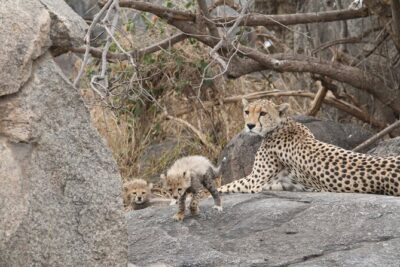
Private 6-Day Tarangire Manyara Crater and Serengeti with Mid-Range Lodges
Read our review →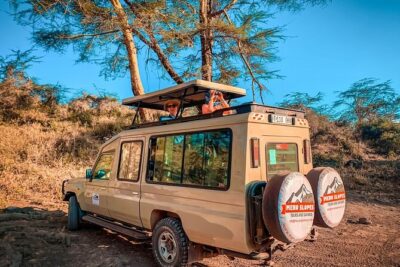
5 Days Camping Tarangire, Serengeti & Ngorongoro crater & Visiting Maasai
Read our review →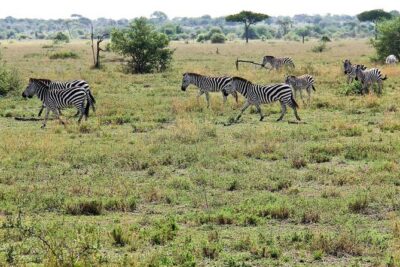
4 Days Join Group tour Tarangire Serengeti and Ngorongoro crater
Read our review →