Review · ARUSHA
4 Day Great Migration Safari Serengeti & Ngorongoro Crater
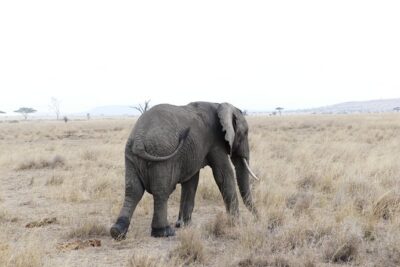
The main draw here is simple: you get three days in the Serengeti and a full wildlife day inside Ngorongoro Crater, all within four days. That gives you a fair shot at lions, elephants, buffalo, cheetahs, leopards, giraffes, zebras, and possibly a black rhino without committing to a week-long safari.
I like the private format, since only your own group rides together, and I like that meals, drinks, park fees, lodging, and a professional guide are included. The catch is the long first-day drive from Arusha, plus rough, dusty Serengeti roads. If you want more time in the park, an optional flight from Arusha costs extra.
Key points at a glance
- Three Serengeti days: You get an afternoon game drive on day one, a sunrise start on day two, and another wildlife drive before leaving on day three.
- Full Ngorongoro day: A picnic lunch and crater drive give you a strong chance to see several famous African animals in one compact area.
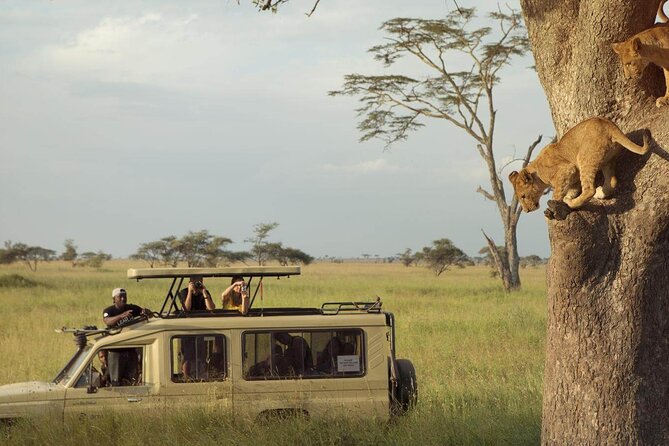
- Private safari jeep: Your group has its own pop-up-roof vehicle, guide, and driving schedule.
- Mid-range comfort: Three nights of accommodation, three dinners, four breakfasts, and four lunches are covered.
- Optional extras: A hot air balloon ride in the Serengeti and a flight from Arusha are available for an additional fee.
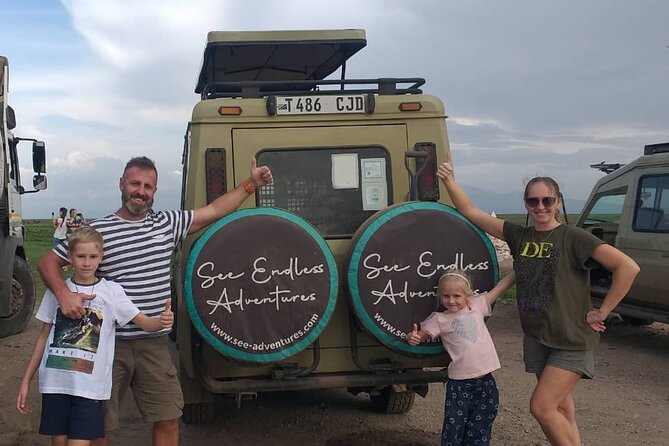
- Flexible planning: See Endless Adventures has adjusted trips for guests, including airport pickup and changes to daily plans.
Why this four-day route works
Four days is a useful middle ground for Northern Tanzania. You are not trying to squeeze the Serengeti into one rushed day, but you also avoid the cost and time of a longer safari. The route focuses on two major parks: Serengeti National Park and Ngorongoro Conservation Area.
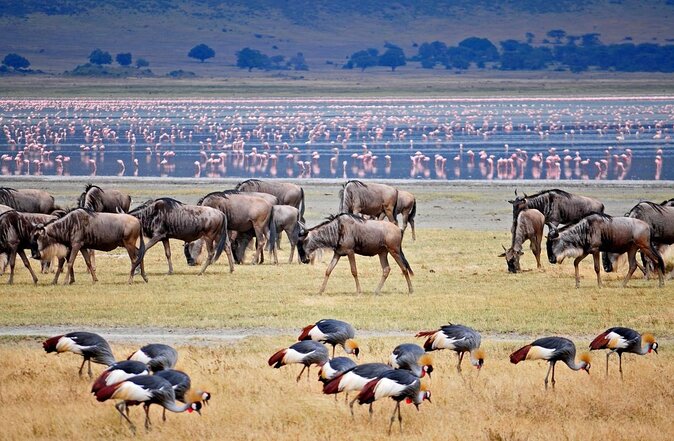
The Serengeti is the place for wide-ranging game drives and the possibility of seeing large herds during the annual wildebeest movement. Ngorongoro is different. Its crater is a compact wildlife setting where lions, buffalo, elephants, and other animals may be seen during one long drive.
I would choose this trip if you have limited time in Tanzania and want the classic northern circuit experience. It is also a good match for a couple, family, or small private group that wants a guide focused on their needs instead of sharing a vehicle with strangers.
The $2,680 price per person is not a budget safari rate, but it covers the costly essentials: park and crater fees, four days of meals, three nights of lodging, a private vehicle, drinks, and a professional guide. Its value depends heavily on the accommodation you receive and the size of your group. A private safari is usually more expensive than a shared departure, but you gain control over the pace and have room to ask for wildlife stops.
More Safari Tours in Arusha
- Balloon Safari & Bush Breakfast in Serengeti – Miracle Experience
★ 5.0 · 1,646 reviews - 3 Days Serengeti & Ngorongoro Group Camping Safari
★ 5.0 · 574 reviews - 3-Day Classic Serengeti Safari
★ 5.0 · 263 reviews
Day one: the long road from Arusha to Serengeti
Your pickup is in Arusha in the early morning. The first day is mainly a transfer, so set your expectations correctly. The drive to Serengeti takes about seven hours according to the schedule, with time spent passing through the Ngorongoro Conservation Area and reaching the park entrance in the afternoon.
This route is not just dead time. You may catch sight of Ngorongoro Crater along the way, and the changing scenery helps you understand how the northern safari areas fit together. Still, the first day can feel tiring, especially after an international arrival or a night with little sleep.
Once you reach Serengeti National Park, you have an afternoon game drive until sunset. This is a valuable start because you are already looking for wildlife before your first night in camp or lodge. Afternoon light can be pleasant for photographs, and the guide can begin reading the area for the next day.
The listed admission cost is covered, as are your game drives. The details of the exact accommodation are not fixed in the information provided, beyond the mid-range category, so I would ask for the property name before paying. That matters most in the Serengeti, where some camps are comfortable and welcoming while others can feel cold or basic.
Day two: a 6 a.m. Serengeti start
The second day begins around 6 a.m. for a sunrise game drive. This early start is one of the best features of the schedule. Animals are often active in the cooler morning hours, and the soft light gives you a better chance at clear photographs.
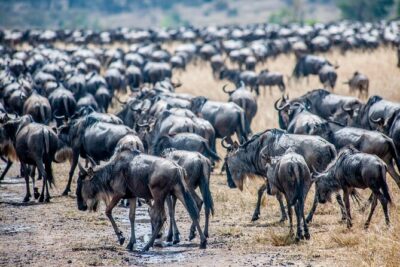
The plan is to drive toward the area where the wildebeest migration is expected to be moving. That wording matters. The migration is not a fixed show at one location, and no responsible operator can promise that a herd will appear beside your vehicle. Your guide will work from seasonal patterns and current sightings, but nature sets the schedule.
You may see much more than wildebeest. The trip is designed around general wildlife viewing, with possible sightings of zebra, buffalo, giraffe, cheetah, leopard, and lion. One guide praised in past departures is Mustafa, who was described as friendly and skilled at finding animals. Other named guides include Benjamin, Mike, Godlisten, Ökuli, Kindu, and Geraldy. Your assigned guide is not specified, so treat these names as examples of the wider team rather than a promise.
The hot air balloon ride is an optional extra. It adds cost, but it changes the view completely, giving you a high look across the Serengeti before returning to the usual vehicle-based safari. If you are considering it, ask about the exact price and timing before booking, since it is not included in the $2,680 package.
You return to your accommodation in the evening for dinner and another night in the Serengeti. The long day means you should pack lightly in the vehicle and keep your camera, water, sunscreen, and warm layer close by.
Day three: one last Serengeti drive, then Ngorongoro
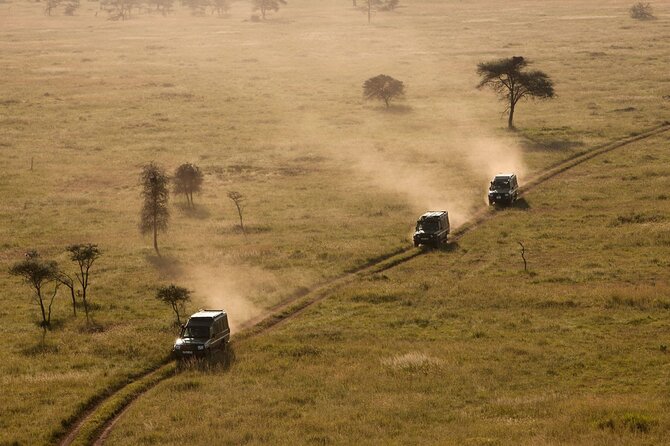
The third day gives you more time to explore a different part of the Serengeti before leaving in the afternoon. That extra range is important. Wildlife sightings can change from one area to the next, and a second or third drive gives you more chances than a single park visit.
The schedule then turns toward Ngorongoro Conservation Area. You have dinner and spend the night near Ngorongoro Crater. This overnight stop makes the final morning more practical than returning all the way to Arusha first.
The Serengeti roads can be rough and dusty. That is part of the setting, not a flaw unique to one operator, but it affects comfort. Expect jostling, road dust, and long hours in the vehicle. A scarf or light face covering, closed shoes, and a washable day bag can help. The pop-up roof is a major plus because you can stand or sit higher for viewing while remaining in the safari vehicle.
Accommodation is an area where expectations should be clear. The package says mid-range lodging, but the properties are not named in the supplied details. One past guest found a northern Serengeti zebra camp cold and disappointing, while describing the other stays as satisfactory. Ask where each night will be spent, especially if you are sensitive to cold or want a more polished lodge.
More Safari Tours in Tanzania
- 10-Day Serengeti Wildebeest Migration Safari from Arusha
★ 5.0 · 218 reviews - 4-Day Safari from Arusha: Tarangire, Serengeti and Ngorongoro
★ 5.0 · 173 reviews - 8 Day Spectacular Migration Serengeti mid -Range Tanzania Safari
★ 5.0 · 161 reviews - 7 Days Tanganyika Wilderness Safari
★ 5.0 · 159 reviews
Day four: down into Ngorongoro Crater
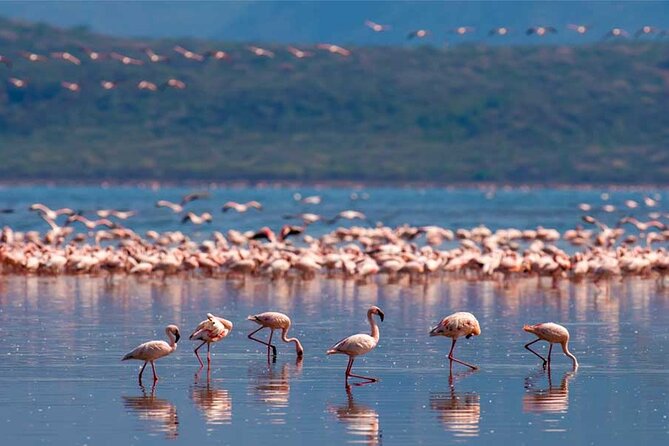
After breakfast, you leave with a picnic lunch and descend into Ngorongoro Crater for a full day of wildlife viewing. This is the route’s most concentrated wildlife experience. The crater floor holds a mix of open areas and wildlife habitat, making it possible to see several species in a relatively small region.
The famous Big Five are lion, leopard, elephant, buffalo, and black rhino. The first four may be possible, while a black rhino is less certain. The tour description is careful about this, and you should be too. A safari is not a checklist. Your guide can search likely areas, but sightings depend on the day.
You eat your picnic lunch within the crater during the afternoon, then continue the game drive until evening before leaving the conservation area and returning to Arusha. The listed driving and viewing time is about six hours, so this final day is full rather than leisurely.
The crater day is especially useful for visitors who want a strong chance at seeing many major species in a short period. It is less appealing if you dislike early starts, long drives, or a packed schedule. You will not have much spare time for wandering around the vehicle or taking a slow lunch at a lodge. The reward is a broad wildlife day before returning to Arusha.
Guides, food, and the human side of the trip
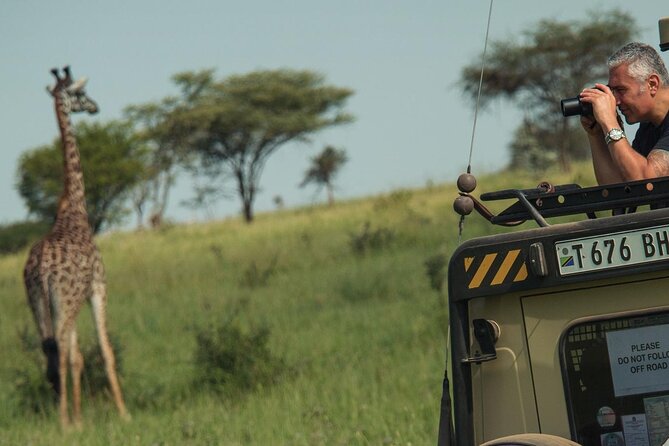
A safari vehicle is only as good as its guide. The strongest praise connected with this operator centers on guides who were patient, friendly, careful, and able to explain wildlife, nature, local people, and culture during the drive and meals.
That matters when the roads are rough and the days are long. A good guide can make a slow stretch interesting, help you wait for an animal without crowding the moment, and adjust the day when conditions change. Past departures have included guides named Mustafa, Benjamin, Mike, Godlisten, and Ökuli, along with cooks such as Othman. You can request a preferred guide, but the information does not promise that a particular person will lead your safari.
Food is included throughout the trip: four breakfasts, four lunches, and three dinners, along with drinks. A personal chef has been part of some departures, which is useful on a private safari because meals can be handled within the group’s schedule. Since no sample menu is given, ask about dietary needs before arrival rather than assuming every preference can be met.
The company has also arranged airport pickup and personalized changes on longer trips. For this four-day package, pickup is offered, but confirm the meeting point and timing directly.
Who should book this safari?
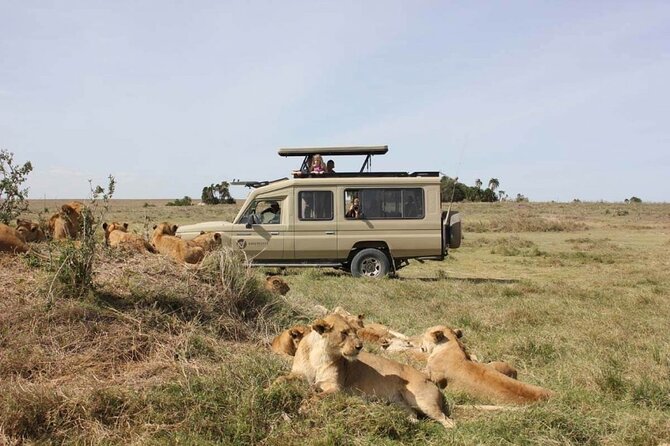
I would choose this trip if you want the main Northern Tanzania highlights in a compact package. It suits first-time safari visitors, couples, families, and small groups who value a private vehicle and do not want to plan park fees, meals, lodging, and transfers separately.
It is also a sensible choice after climbing Kilimanjaro, when you may want a shorter safari but still want the Serengeti and Ngorongoro. One past guest became sick after climbing Kilimanjaro and received extra care from the team, including direct help from Hamisi. That does not replace travel insurance or medical planning, but it suggests the operator can respond personally when a guest is not feeling well.
I would hesitate if your priority is luxury. The accommodation is mid-range, one camp has been found cold, and the road travel is demanding. I would also hesitate if you want a slow safari with long stays in one place. This route covers a lot of ground in four days.
The price includes travel insurance? No. Visa costs, international flights, personal expenses, and tips for the guide and chef are extra. Free cancellation is available up to 24 hours before the start time, but changes or cancellations inside that window are not accepted for a refund.
Should you book it?
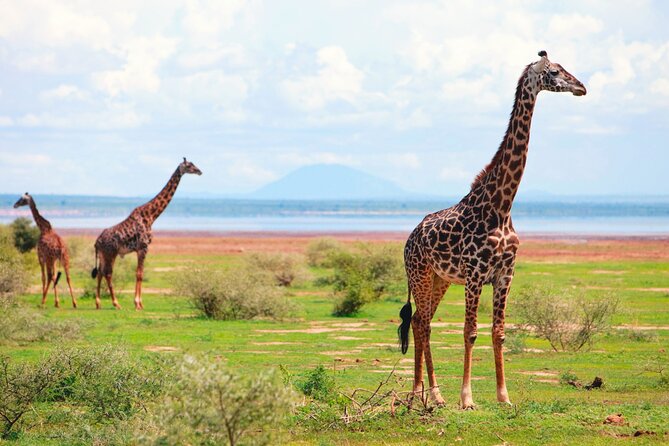
Book this safari if you want Serengeti plus Ngorongoro in four days, with a private jeep, included meals, and a guide-led schedule. The strongest reasons are the three Serengeti days, the full crater visit, and the chance to personalize the experience within your own group.
Before booking, confirm the exact accommodation, assigned guide, group size, airport or Arusha pickup details, and any extra cost for flights or the balloon ride. If those points match your expectations, this is a practical, wildlife-focused route with strong value for a short Tanzania visit.
FAQ
Where does the safari start?
The safari starts in Arusha, Tanzania, where pickup is offered.
How long is the safari?
The experience lasts approximately four days and includes three nights of accommodation.
Is the safari private?
Yes. Only your group participates in the private tour or activity.
Which parks and protected areas does the safari visit?
The route visits Serengeti National Park and the Ngorongoro Conservation Area, including a game drive inside Ngorongoro Crater.
Are meals included?
Yes. The package includes four breakfasts, four lunches, and three dinners.
Is accommodation included?
Yes. Accommodation during the tour is included, with mid-range lodging described for the three nights.
Is a hot air balloon ride included?
No. A hot air balloon ride in the Serengeti is available as an optional extra fee.
What is not included in the price?
Visa costs, travel insurance, international flights, personal items, other personal expenses, and tips for the guide and chef are not included.
More Volcano and Crater Tours in Tanzania
- 4 Days Tarangire Serengeti Ngorongoro Crater
★ 5.0 · 117 reviews - 5 Days Tanzania Group Joining Safari, Tarangire/Serengeti/Ngorongoro Crater
★ 5.0 · 85 reviews - 5 day safari Tarangire Serengeti and Ngorongoro crater
★ 5.0 · 83 reviews - 3 Days Small Group Safari to Serengeti NP and Ngorongoro Crater Tour in Tanzania
★ 5.0 · 77 reviews
More Volcano and Crater Tours in Arusha
- 5-Day Highlights mid-Range Crater, Serengeti, Tarangire
★ 5.0 · 296 reviews - Private 6-Day Tarangire Manyara Crater and Serengeti with Mid-Range Lodges
★ 5.0 · 238 reviews - 5 Days Camping Tarangire, Serengeti & Ngorongoro crater & Visiting Maasai
★ 5.0 · 229 reviews - 4 Days Join Group tour Tarangire Serengeti and Ngorongoro crater
★ 5.0 · 219 reviews
Just added around Arusha
- Serengeti & Ngorongoro fly in safari★ 5.0 · 76 reviews
- serengeti, ngorongoro & tarangire 5days private tour★ 5.0 · 77 reviews
- 3 Days Private Safari – manyara, Ngorongoro & Tarangire★ 5.0 · 94 reviews
- 05 Days Tarangire, Serengeti, Ngorongoro and Lake Manyara★ 5.0 · 54 reviews
- day trip tarangire★ 5.0 · 46 reviews
- 5 days safari, hiking & culture (Serengeti & kilimanjaro)★ 5.0 · 27 reviews
- 4 Days Private Safari – Tarangire, Serengeti & Ngorongoro Crater★ 5.0 · 28 reviews
- Tanzania safari with guide in Italian, the great Migration of the Serengeti★ 5.0 · 23 reviews
Arusha National Park Tours, compared.
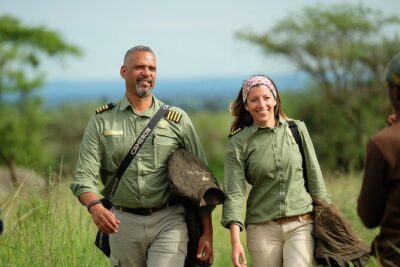
Balloon Safari & Bush Breakfast in Serengeti – Miracle Experience
Read our review →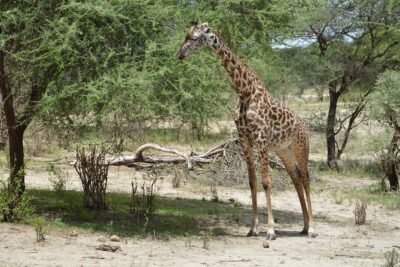
3 Days Serengeti & Ngorongoro Group Camping Safari
Read our review →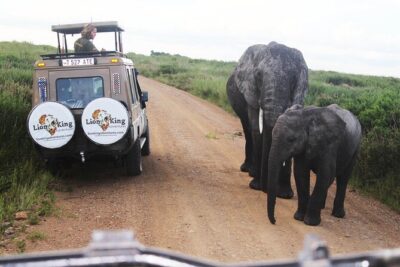
5-Day Highlights mid-Range Crater, Serengeti, Tarangire
Read our review →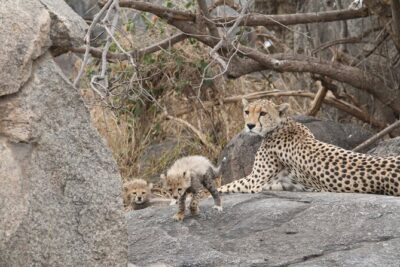
Private 6-Day Tarangire Manyara Crater and Serengeti with Mid-Range Lodges
Read our review →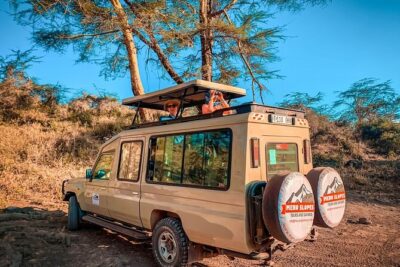
5 Days Camping Tarangire, Serengeti & Ngorongoro crater & Visiting Maasai
Read our review →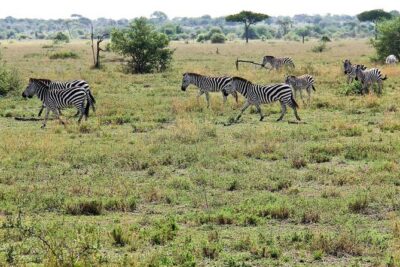
4 Days Join Group tour Tarangire Serengeti and Ngorongoro crater
Read our review →