Review · ARUSHA
Arusha: 3-Day Serengeti & Ngorongoro Crater Big Five Safari
The main attraction here is simple: in only three days, you visit both the Serengeti and Ngorongoro Crater, two of Tanzania’s strongest wildlife destinations. The Big Five are possible, and the early starts put you out when lions, elephants, rhinos, buffalo, and leopards are most active.
I like the pop-up-roof Land Cruiser, which gives you a much better view than a standard car, and I like that park fees, meals, water, guiding, and two nights of accommodation are included. The guides have made a strong impression, with Mike, Eric, Savio, and Nico praised for animal spotting, calm driving, and clear explanations.
The trade-off is the pace. You spend long hours on rough roads, especially between Arusha, Serengeti, and Ngorongoro. There is also one serious report of a vehicle accident, followed by agency support and a refund. Ask about the vehicle and driver before departure, and do not treat safety as a minor detail.
Key points to know before booking
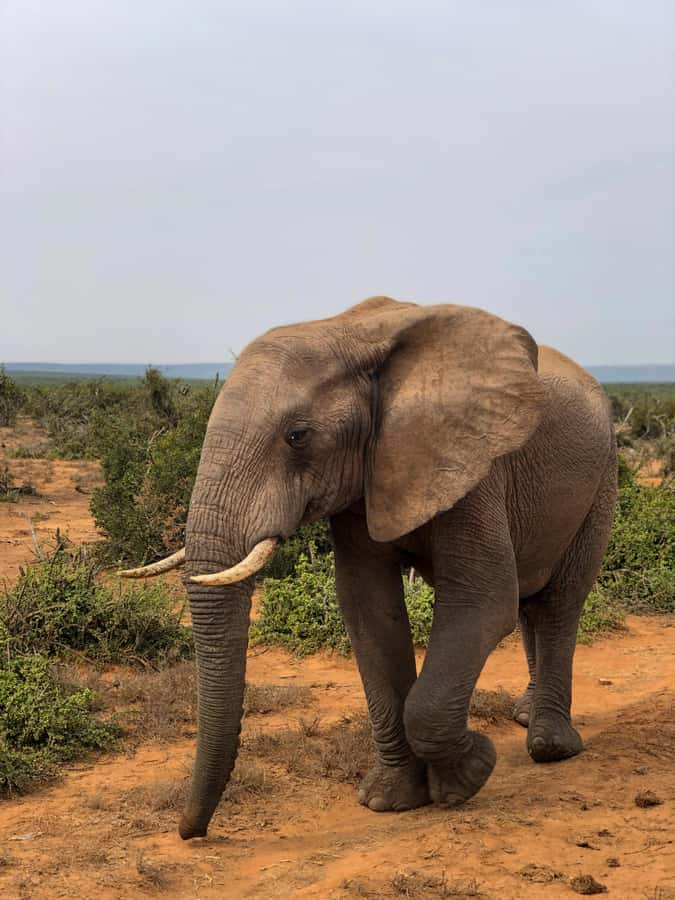
- Big Five country: The Serengeti and Ngorongoro Crater give you a real chance to see lions, elephants, buffalo, rhinos, and leopards, though wildlife is never guaranteed.
- Long first day: Arusha to Serengeti includes roughly five hours in a Jeep or SUV before the main wildlife viewing begins.
- Sunrise pays off: Day two begins early, when predators and prey are often easier to spot.
- Two stay styles: Choose mid-range tented lodges or a more basic public campsite with tents, mattresses, and cooking equipment.
- Light packing matters: The luggage limit is 10 kilograms per person, and a duffel bag is recommended.
- Bring warm layers: Night temperatures can fall to about 5°C, even after warm days in the sun.
Why this short safari works
Three days is not enough to see every corner of northern Tanzania, but it is enough to reach the two headline parks. That makes this a useful choice if you are staying in Arusha, have limited time, or want a compact safari before or after a longer Tanzania trip.
You get the open plains of the Serengeti and the enclosed wildlife bowl of Ngorongoro. Those settings feel quite different. The Serengeti gives you long views and moving herds. Ngorongoro concentrates animals in a smaller area, which can make sightings feel more frequent.
The price is $900 per person. That is not a budget day trip, but it covers major costs: pickup in Arusha, a 4×4 vehicle, park entry and transit fees, the crater service fee, a professional English-speaking guide, full-board meals, bottled water, and two nights of accommodation. For a safari in these parks, that bundle gives the price real value.
Still, you are paying for access as much as comfort. The roads are rough, the schedule is active, and much of the first and second days is spent in transit. If you want a relaxed holiday with long afternoons at a lodge, this is not the right format. If you want maximum wildlife access in a short window, it makes much more sense.
More Safari Tours in Arusha
- Balloon Safari & Bush Breakfast in Serengeti – Miracle Experience
★ 5.0 · 1,646 reviews - 3 Days Serengeti & Ngorongoro Group Camping Safari
★ 5.0 · 574 reviews - 3-Day Classic Serengeti Safari
★ 5.0 · 263 reviews
Day one: from Arusha to the Serengeti plains
Pickup is arranged from hotels in Arusha town, with listed pickup areas also including Karatu, Makuyuni, Mto wa Mbu, and the wider Arusha region. City-center hotels are the simplest choice. Hotels outside the center may involve an added pickup charge.
The first section takes you through the Great Rift Valley and the Ngorongoro Highlands. A stop at Mto wa Mbu adds a small cultural note to what is otherwise a long transfer. You have time for a brief look at village life and local produce before continuing toward the park.
This stop is useful because it breaks up the drive and gives the day some connection to local life. Keep your expectations realistic, though. It is a short stop, not a full cultural tour.
A picnic lunch comes along the route. The long road section is part of the bargain. The listed driving time is about five hours, and the actual day can feel longer once stops, park entry, and wildlife sightings are added. Pack patience, water is supplied, and keep your camera ready when the scenery changes.
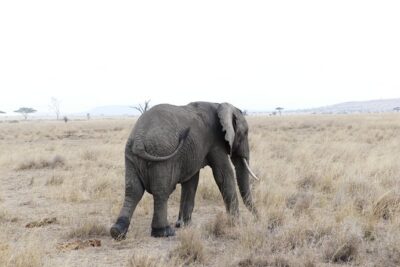
At Naabi Hill Gate, the journey shifts from transfer to safari. This is the entrance to the Serengeti, and the first game drive begins around the gate and nearby plains. You may see giraffes, zebras, antelopes, elephants, and lions. The attraction is not just a single animal sighting. It is the sense of space, with wildlife moving across a huge open area rather than appearing in a fenced reserve.
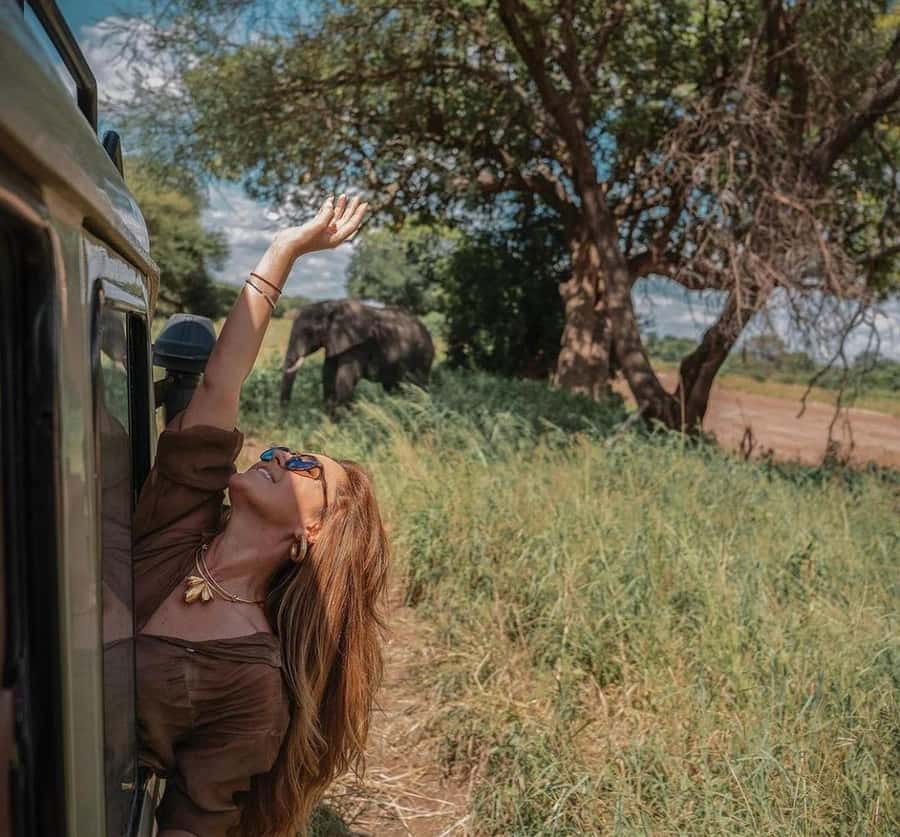
The Land Cruiser has a pop-up roof, so you can stand or sit with a broad view above the vehicle. That matters when a giraffe rises above the grass or an elephant passes close by. The guide’s driving skill also matters on the rough tracks. Savio was specifically praised for calm driving during difficult road conditions, while Mike, Eric, and Nico received strong praise for finding animals and explaining what you were seeing.
At night, you stay in the Serengeti at a mid-range tented lodge such as Shuhudia Tented Lodge or Kumbukumbu Tented Lodge, or at Tumbili Public Campsite on the camping option. The accommodation can therefore vary, so confirm the exact property before paying if the standard of your room matters to you.
The camping choice is more basic but more connected to the setting. You sleep in tents with mattresses, and camping equipment such as tables, chairs, and cooking gear is supplied. A professional safari chef prepares the meals. Several accounts describe the food as fresh and plentiful, with lunches packed in large containers for a shared picnic.
Day two: sunrise in the Serengeti, then the crater rim
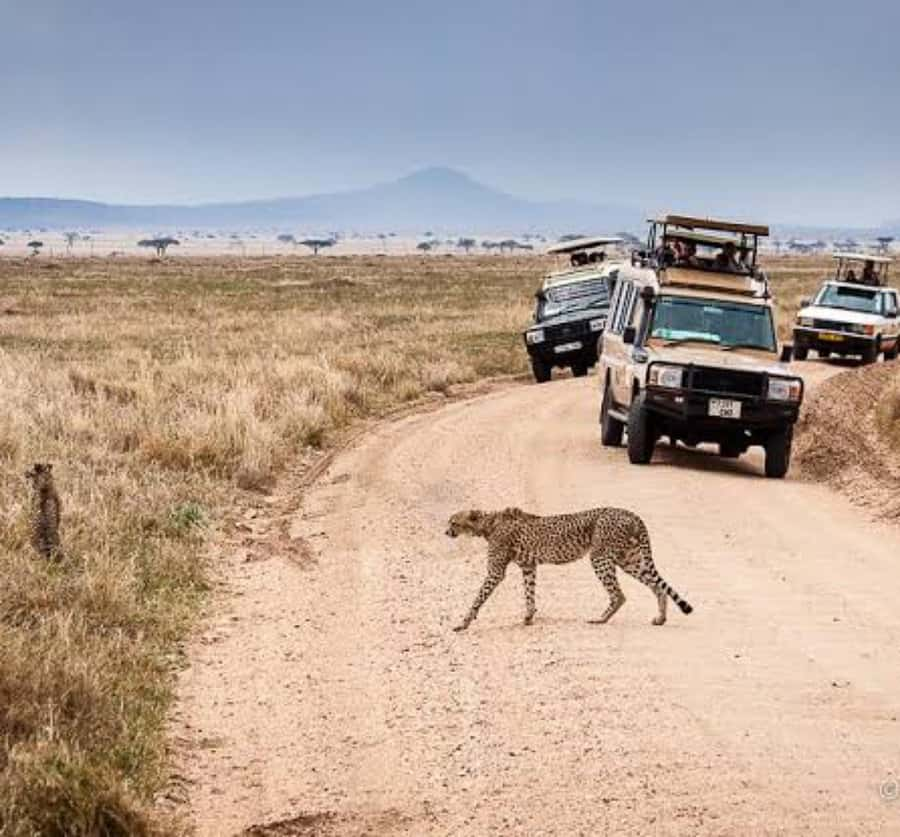
Day two starts with a sunrise game drive. This is one of the strongest parts of the plan. Morning light gives the plains a softer look, and the timing puts you out when animals are active. You may see predators returning from a hunt, herbivores moving into open areas, or large groups of animals beginning their day.
Breakfast is taken in the park, followed by another morning drive. This second wildlife period is important because the Serengeti is enormous. A single drive can produce excellent sightings, but more time on the tracks improves your odds and gives the guide room to respond to fresh animal activity.
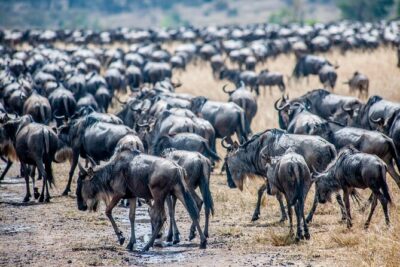
The wildlife can vary greatly. Several people on this experience saw all five of the Big Five, as well as dozens of other mammal and bird species. One January trip benefited from calving season and large herds. That is a useful reminder that timing can shape the safari, but it is not a promise of what you will see on your own dates.
Mid-morning, you leave the Serengeti for the Ngorongoro Conservation Area. The road passes through open country and rolling highland scenery. The listed transfer time is about two hours, though the full schedule depends on stops, road conditions, and animal sightings.
Lunch is served as a picnic en route. Then you reach accommodation near the crater rim, such as Ngorongoro Wild Tented Lodge or Ngorongoro Safari Lodge. Camping is available at Simba Public Campsite.
The crater-rim stay is valuable because it places you near the next morning’s main activity. It also gives you a dramatic view over the crater. Temperatures can fall sharply at night, so bring a warm sweater, socks, and a jacket. Five degrees Celsius is possible, and a light tropical packing list will leave you cold.
Day three: 600 meters down into Ngorongoro Crater
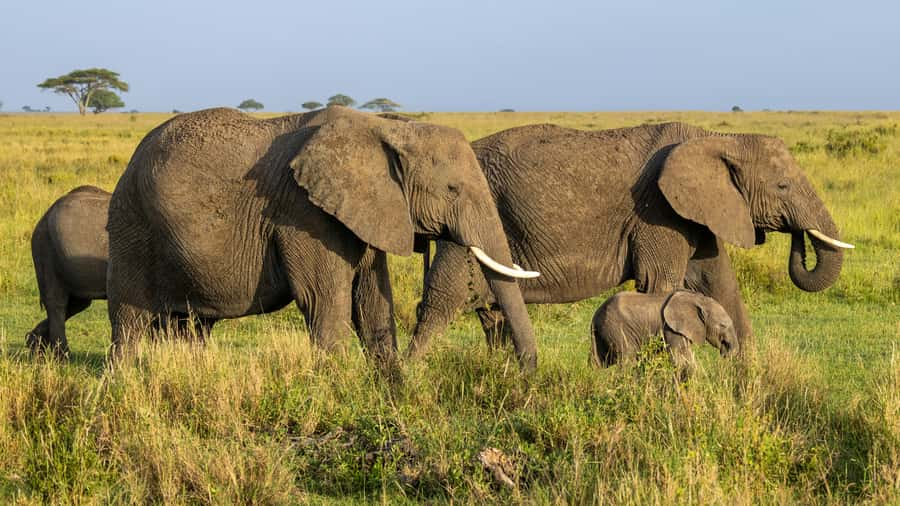
After breakfast, the vehicle descends about 600 meters into Ngorongoro Crater. The descent itself is scenic, but the real reward is the wildlife area below. Water, grass, and shelter draw many animals into the crater, creating one of Tanzania’s best places for concentrated viewing.
The morning game drive can include lions, elephants, zebras, hippos, wildebeests, and buffalo. Rhinos are among the most sought-after sightings, and Ngorongoro is one of the better places to look for them. The crater can also give you the best chance to complete the Big Five, particularly if the Serengeti leopard or rhino sightings did not work out.
This is not a zoo, and animals do not follow a schedule. Your guide may spend time scanning a distant area, changing direction after a radio call, or waiting for a sighting to develop. Bring binoculars if you have them. The guide carries one for passengers to share, but your own pair saves time and helps you study birds and distant animals.
A scenic picnic lunch breaks up the drive before you climb out of the crater and return to Arusha. The listed drive back is about three hours. Arrival is expected in the late afternoon, with drop-off at an Arusha hotel or airport.
Airport drop-off and transfers on different days can cost extra. If your flight is tight, confirm the timing rather than assuming the late-afternoon return leaves plenty of room. The safari ends in Arusha, and the package is designed around that start and finish.
More Safari Tours in Tanzania
- 10-Day Serengeti Wildebeest Migration Safari from Arusha
★ 5.0 · 218 reviews - 4-Day Safari from Arusha: Tarangire, Serengeti and Ngorongoro
★ 5.0 · 173 reviews - 8 Day Spectacular Migration Serengeti mid -Range Tanzania Safari
★ 5.0 · 161 reviews - 7 Days Tanganyika Wilderness Safari
★ 5.0 · 159 reviews
Lodges or camping: choose your comfort level
The mid-range option uses tented lodges or similar properties. This generally gives you a bed, more settled evenings, and a simpler end to long driving days. The exact names can change, so ask for the confirmed accommodation.
Camping provides a stronger sense of being outdoors. You sleep in tents with mattresses, and wild animals may be heard near camp. One account described elephants, giraffes, and Cape buffalo around the campsite, while another noted that rangers helped people feel safe at night.
That atmosphere is exciting, but it is not hotel comfort. You should bring a towel and toilet paper, both specifically recommended. If you need private facilities and quiet nights, select the lodge option. If you enjoy basic camp life and want the setting to remain part of the experience, camping is likely worth considering.
Food, vehicle, and guide quality
Full-board meals are included on all three days. Breakfast, lunch, dinner, and bottled drinking water are supplied. On the camping option, the safari chef prepares the food, and meals may be carried in large containers for picnic stops.
The food received unusually warm praise, especially the fresh cooked meals served at camp. That matters on a safari because you spend many hours outside and cannot simply stop at a restaurant. Ask about dietary needs before departure, since the supplied details do not specify special meal arrangements.
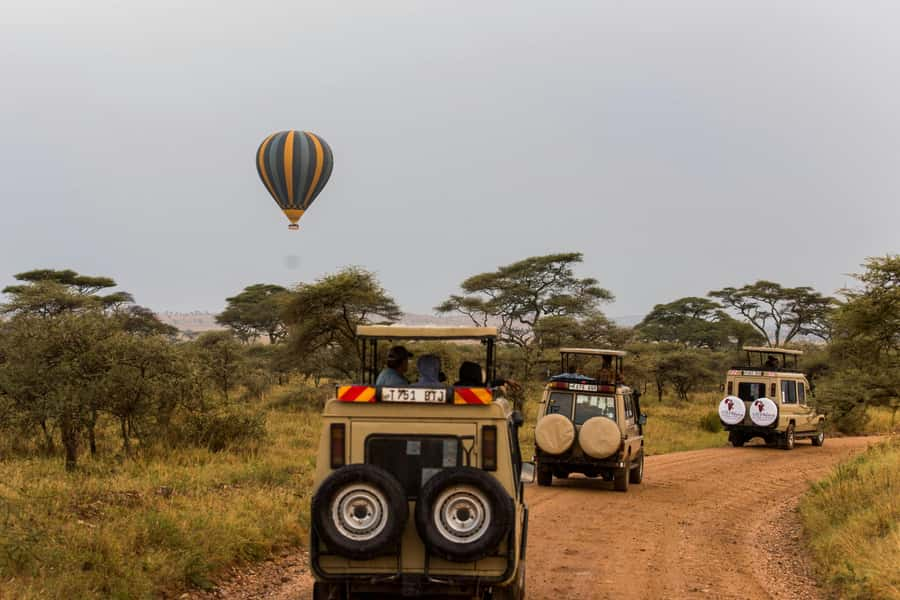
The Toyota Land Cruiser has a pop-up roof and is set up for wildlife viewing. The benefit is clear: you can stand for a higher view, photograph over the grass, and follow animals without a solid roof blocking your sightline.
The serious caution is vehicle safety. One reported trip involved a Jeep in poor condition that overturned on the first day, injuring everyone inside. The agency offered support and refunded the booking, but the incident still points to an important question: ask how the vehicle is inspected and who will drive your group.
Most of the available feedback is strongly positive, with an overall rating of 4.6 from 20 reviews. The most consistent praise goes to the guides and cooking. Mike, Eric, Savio, and Nico were each singled out for qualities such as safe driving, animal spotting, friendliness, and useful explanations. Good guiding can change the whole trip, especially when wildlife is far away or the tracks are confusing.
What to pack for this particular route
Keep your luggage to 10 kilograms per person. A soft duffel is recommended, and extra bags can be stored at your hotel.
Pack neutral colors such as beige, green, or white. Bright colors are discouraged. Add sunscreen and strong insect repellent, with a high-mint concentration recommended in the packing advice.
Your essential clothing list should include:
- A warm sweater, jacket, and socks for cold nights
- Comfortable clothing for long hours in the vehicle
- Sunscreen and insect repellent
- Binoculars, if you have them
- A towel and toilet paper
- A camera with spare battery capacity
Drones are not allowed. You must not feed or touch animals. These rules protect both people and wildlife, and they are especially important when camping near open country.
The experience is listed as wheelchair accessible, but the supplied details do not explain the vehicle setup or the accessibility of every lodge and campsite. Contact the operator before booking if you need specific assistance. Pregnant women are advised not to take this safari, mainly because of the long, bumpy road sections.
Who should book this safari?
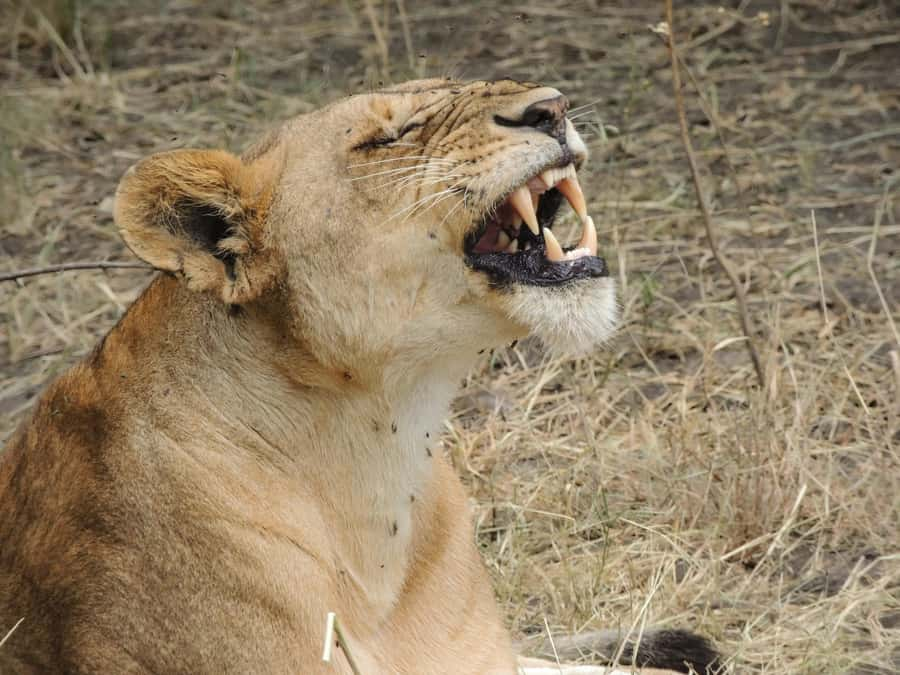
I would choose this trip if you have only three days, want the Big Five, and are willing to accept long drives for access to famous parks. It works especially well from an Arusha base, and the included fees remove much of the guesswork from budgeting.
You should also like early mornings, picnic lunches, basic camp routines, and changing road conditions. The experience is active rather than polished. Even the lodge option cannot remove the distance between Arusha, Serengeti, and Ngorongoro.
Families should consider the road time and the pregnancy restriction. Couples, solo visitors, and small groups who want private or small-group travel may find the format easier to manage. English guiding is provided, and private or small-group arrangements are available.
Should you book it?
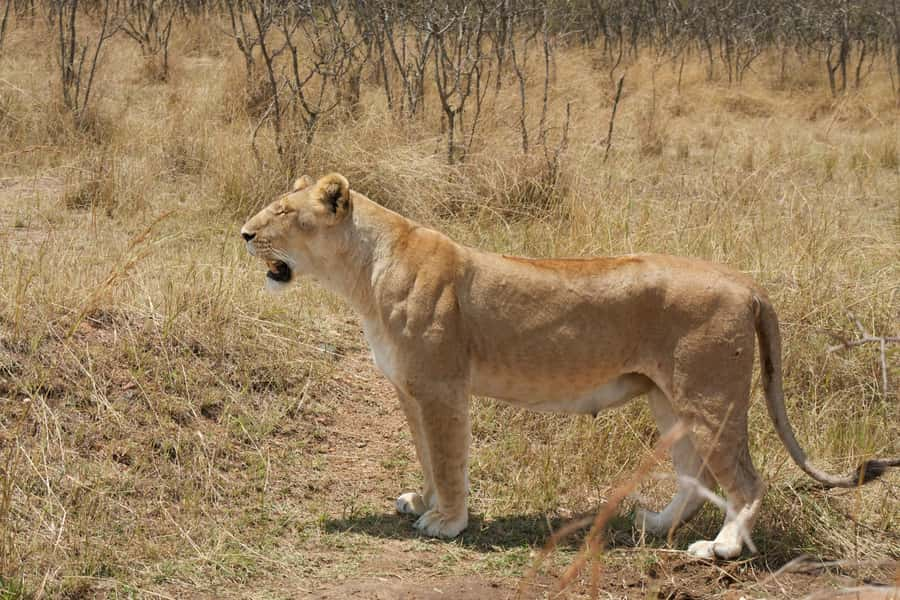
Book it if you want a compact, high-value safari with two major wildlife areas, full-board meals, park fees, and a proper 4×4 vehicle included. The strongest reasons are the sunrise Serengeti drive, the chance to see the Big Five, and the concentrated wildlife viewing inside Ngorongoro Crater.
Choose the lodge option for more comfort, or camping for a closer connection to the bush. Before confirming, verify the accommodation, pickup location, vehicle condition, driver, and any extra airport transfer costs. With those points settled, this is a strong short safari for someone who values wildlife time more than easy road travel.
FAQ
Where does the safari start and finish?
The safari starts with pickup in Arusha and ends with drop-off at your hotel in Arusha or at the airport. Pickup areas also include Karatu, Makuyuni, Mto wa Mbu, and the wider Arusha region.
Is transportation included?
Yes. Transportation is provided in a 4×4 Toyota Land Cruiser with a pop-up roof throughout the safari. The package includes pickup and drop-off at hotels in Arusha town.
Are park and crater fees included?
Yes. The price includes park entry fees, transit fees, concession or camping fees, and the Ngorongoro Crater service fee.
What accommodation options are available?
You can choose mid-range tented lodge accommodation or camping. Camping includes tents with sleeping mattresses, tables, chairs, cooking equipment, and the services of a professional safari chef.
What should I bring?
Bring sunscreen, insect repellent, warm clothing, socks, a jacket, binoculars if available, a towel, and toilet paper. Luggage is limited to 10 kilograms per person, and duffel bags are recommended.
Can I cancel or pay later?
You can cancel up to 24 hours before the activity for a full refund. Reserve-now, pay-later booking is available, subject to the booking conditions.
More Volcano and Crater Tours in Tanzania
- 4 Days Tarangire Serengeti Ngorongoro Crater
★ 5.0 · 117 reviews - 5 Days Tanzania Group Joining Safari, Tarangire/Serengeti/Ngorongoro Crater
★ 5.0 · 85 reviews - 5 day safari Tarangire Serengeti and Ngorongoro crater
★ 5.0 · 83 reviews - 3 Days Small Group Safari to Serengeti NP and Ngorongoro Crater Tour in Tanzania
★ 5.0 · 77 reviews
More Volcano and Crater Tours in Arusha
- 5-Day Highlights mid-Range Crater, Serengeti, Tarangire
★ 5.0 · 296 reviews - Private 6-Day Tarangire Manyara Crater and Serengeti with Mid-Range Lodges
★ 5.0 · 238 reviews - 5 Days Camping Tarangire, Serengeti & Ngorongoro crater & Visiting Maasai
★ 5.0 · 229 reviews - 4 Days Join Group tour Tarangire Serengeti and Ngorongoro crater
★ 5.0 · 219 reviews
Just added around Arusha
- Serengeti & Ngorongoro fly in safari★ 5.0 · 76 reviews
- serengeti, ngorongoro & tarangire 5days private tour★ 5.0 · 77 reviews
- 3 Days Private Safari – manyara, Ngorongoro & Tarangire★ 5.0 · 94 reviews
- 05 Days Tarangire, Serengeti, Ngorongoro and Lake Manyara★ 5.0 · 54 reviews
- day trip tarangire★ 5.0 · 46 reviews
- 5 days safari, hiking & culture (Serengeti & kilimanjaro)★ 5.0 · 27 reviews
- Tanzania safari with guide in Italian, the great Migration of the Serengeti★ 5.0 · 23 reviews
- 03 days Serengeti and Ngorongoro Crater group (camping)★ 5.0 · 75 reviews
Arusha National Park Tours, compared.
Balloon Safari & Bush Breakfast in Serengeti – Miracle Experience
Read our review →
3 Days Serengeti & Ngorongoro Group Camping Safari
Read our review →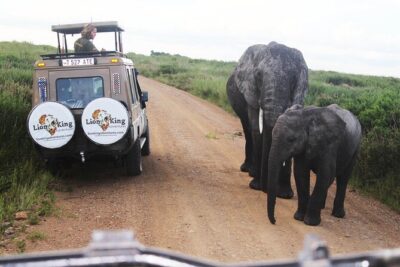
5-Day Highlights mid-Range Crater, Serengeti, Tarangire
Read our review →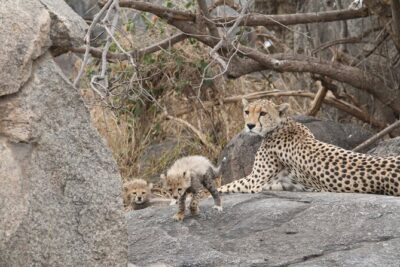
Private 6-Day Tarangire Manyara Crater and Serengeti with Mid-Range Lodges
Read our review →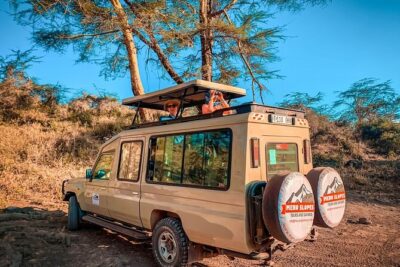
5 Days Camping Tarangire, Serengeti & Ngorongoro crater & Visiting Maasai
Read our review →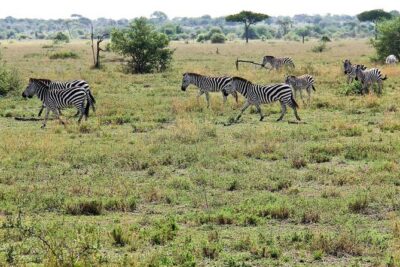
4 Days Join Group tour Tarangire Serengeti and Ngorongoro crater
Read our review →