
Review · ARUSHA
Arusha: Serengeti and Ngorongoro Multi-Day Camping Safari
The chance to see Tanzania’s Big Five across two very different settings is the main draw here. You get the wide, open Serengeti, where animals can be spread across enormous distances, followed by the compact Ngorongoro Crater, where wildlife is often easier to find. I like the guaranteed window seat and the small vehicle, limited to six clients plus the driver and chef. I also like that a cook travels with the group, serving hot meals instead of leaving you to manage camp food yourself.
The tradeoff is time on the road. Serengeti is huge, and some drives involve many hours with long stretches between sightings. Camps are basic, toilets can be rough, and there are no drinks included, so you need to pack with simple camping conditions in mind.
Key points to know before booking
- Three nights under canvas: You sleep in tents and receive sleeping bags, with one night in Serengeti and the final night near Ngorongoro.
- Six clients per vehicle: The shared 4×4 Land Rover has a pop-up roof and a guaranteed window seat for game viewing.
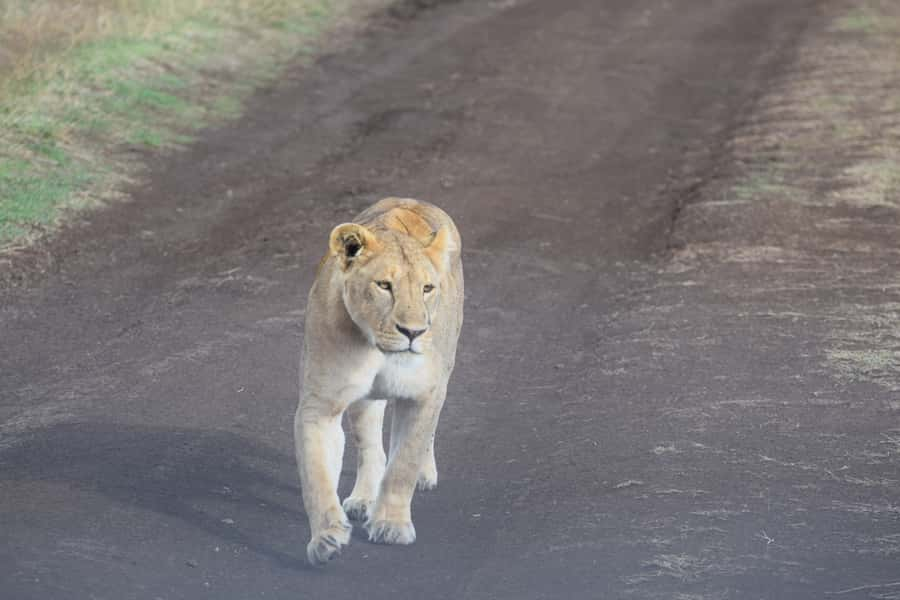
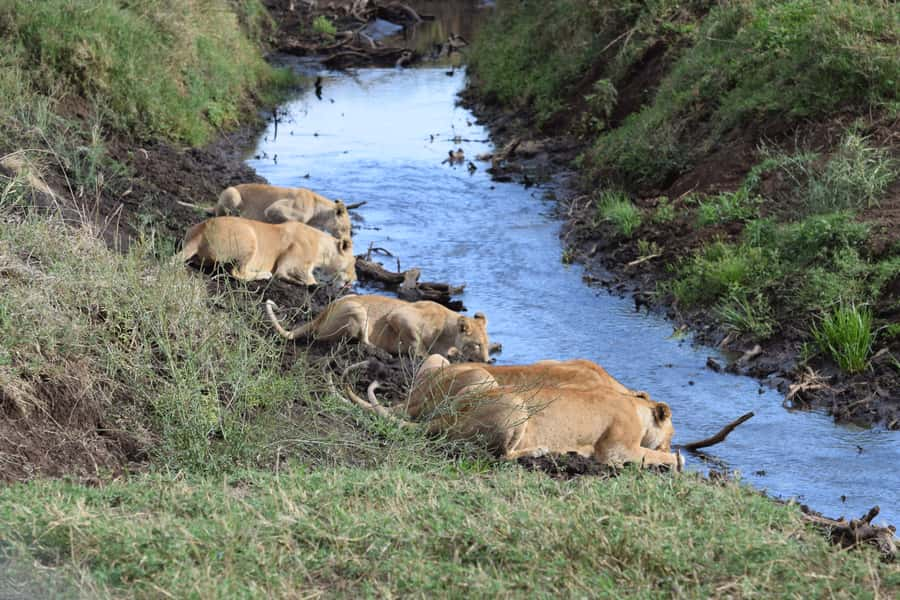
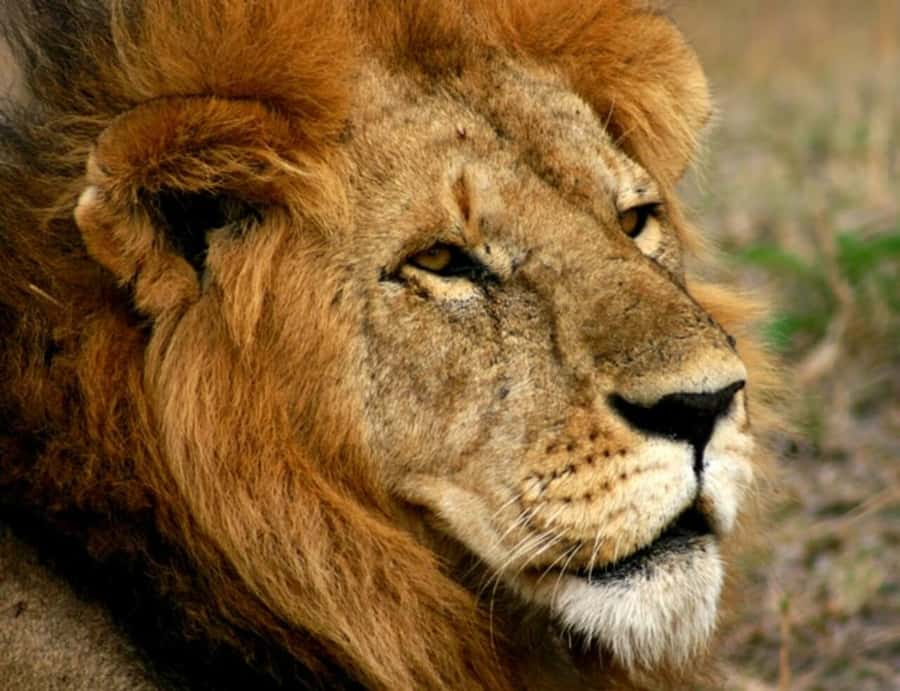
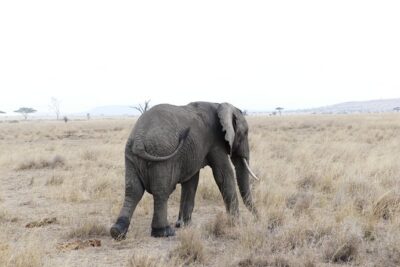
- Strong wildlife potential: Lions, leopards, elephants, cheetahs, buffalo, zebra, wildebeest, gazelles, crocodiles, and many bird species are possible.
- A cook travels with you: The food has earned especially warm praise, with Christian and Musa among the cooks associated with recent departures.
- Ngorongoro is the concentrated finale: The crater floor is smaller and often more productive for animal sightings than the long Serengeti drives.
- Olduvai Gorge costs extra: You can add the museum visit on the route to Ngorongoro, but it is not part of the included price.
Why this four-day safari works
At $950 per person, this is not a quick, low-cost wildlife outing. You are paying for four days, park entrance fees, three nights of camping, meals, bottled water, a guide, and transport from Arusha and back. For a safari in two of Tanzania’s best-known protected areas, that makes the package worth serious consideration, particularly if you want the full camping format rather than a lodge-based trip.
The value depends on your expectations. You get a shared vehicle, not a private safari, and the schedule involves long drives. But six clients is a manageable group size, and the guaranteed window seat matters when everyone wants to photograph the same lion or watch a herd cross the road.
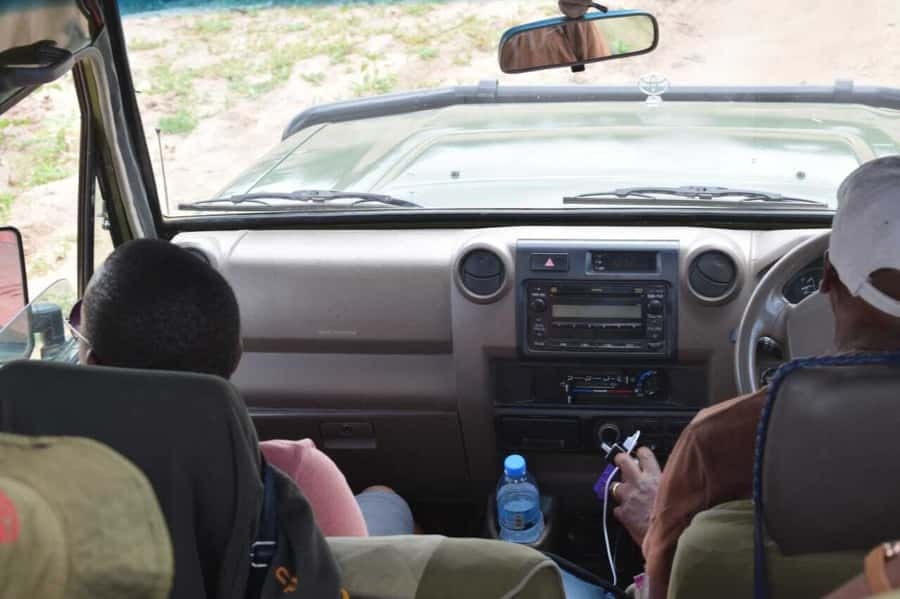
The vehicle is a 4×4 Land Rover with a pop-up roof. That roof is the key to game viewing. You can stand or sit with a clear view above the vehicle, rather than trying to watch animals through side windows. Since the vehicle carries only six clients, you should have a much better view than you would in a crowded minibus.
The crew can vary. Guides associated with this experience have included Ali, Thomas, and Julius, while cooks have included Christian and Musa. The strongest praise has gone to the guides’ driving, animal-spotting, and explanations, as well as the cooks’ food. Do not assume you will have a particular person unless the operator confirms it, but you can expect an English-speaking driver-guide and a separate chef.
More Safari Tours in Arusha
- Balloon Safari & Bush Breakfast in Serengeti – Miracle Experience
★ 5.0 · 1,646 reviews - 3 Days Serengeti & Ngorongoro Group Camping Safari
★ 5.0 · 574 reviews - 3-Day Classic Serengeti Safari
★ 5.0 · 263 reviews
Day one: from Arusha to the Serengeti
Your morning begins with hotel pickup in Arusha. Pickup is also available from a private residence in Arusha if you provide the address while booking. Airport pickup is possible the day before the safari for an additional charge, which can be useful if you are arriving in Tanzania shortly before the trip.
The road to Serengeti takes much of the day. A packed lunch is provided, and the drive itself is part of the adventure, though not always the easy part. You should expect a long transfer before the first full day of wildlife viewing.
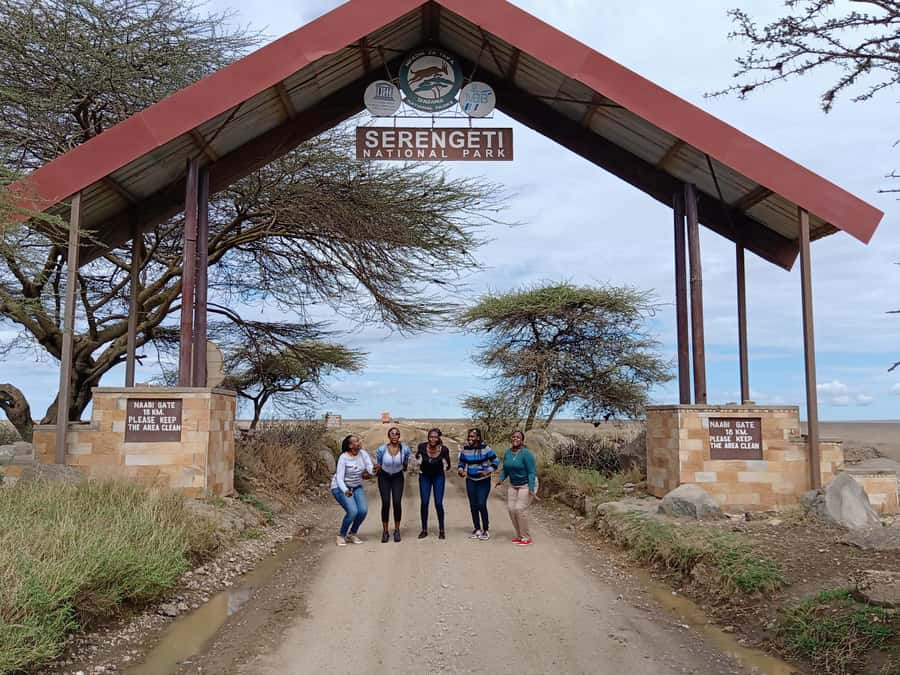
The route enters Serengeti National Park, famous for its endless grasslands and the annual movement of wildebeest and zebra. The name Serengeti is commonly translated as endless plains, and the description makes sense once the road opens into broad country with few obvious boundaries.
You begin a game drive en route to camp. That means your first sightings can come before you reach your tent, but wildlife is never guaranteed at a particular moment. You might see elephants, buffalo, gazelles, zebra, wildebeest, big cats, crocodiles, or birds. The park also receives Eurasian migrant birds, adding interest for anyone who pays attention beyond the larger animals.
Dinner is served at camp, followed by your first night in a tent. Sleeping bags are provided, but this remains a camping trip. If you need hotel-style bathrooms, room service, or a quiet private room, this format may not suit you.
Day two: a full day across the Serengeti
The second day is the heart of the safari. After breakfast, you set out for morning and afternoon game drives, with a lunch break at camp. The long hours are useful because animal activity and sightings can change as you move through different parts of the park.
Your guide will search for herds, birds, and predators. Lions, leopards, cheetahs, and hyenas are among the hoped-for sightings, while elephants, buffalo, zebra, wildebeest, eland, wild dogs, and gazelles add variety. Crocodiles may appear near water, and the park’s birdlife is easy to overlook if you focus only on the Big Five.
The annual migration is a major reason people choose the Serengeti, but its timing and location change. You may see moving herds of wildebeest and zebra, yet the tour cannot promise a river crossing or a particular migration scene. The best way to approach this day is to value the full range of animal life, not just one famous event.
This is also where the size of Serengeti can test your patience. You may drive many miles between sightings, and some stretches can feel quiet. That is not a flaw in the park, but it is an important part of the experience. You are covering a very large protected area, not moving between a series of small animal enclosures.
A guide makes a real difference here. The strongest guide feedback has centered on careful driving, animal knowledge, and the ability to find wildlife. Ali has been praised for locating enough animals for a Big Five sighting, while Thomas and Julius have also been associated with good driving and clear communication. The individual guide matters because a skilled search can turn a quiet stretch into a memorable stop.
Meals are served at camp, including dinner and the next morning’s breakfast. One practical point is that the gap between breakfast and lunch can feel long. On some days, you may spend six or seven hours without food before the midday meal, so carry any permitted personal snacks and ask the operator what is allowed. Bottled water is included, but other drinks are not.
You spend a second night in a Serengeti tent. Camp facilities are basic. A recent departure described the Serengeti bathrooms as poorly maintained, with cold water only. That is useful information to take seriously, especially if you are used to lodge accommodation.
Day three: leaving Serengeti for Ngorongoro
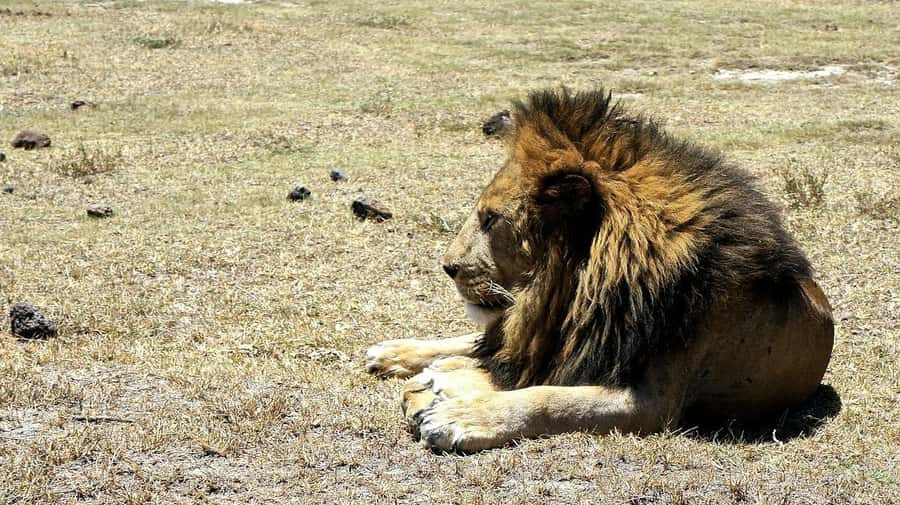
After breakfast, you check out and continue toward Ngorongoro. A game drive takes place as you leave Serengeti, giving you another chance to spot animals before the scenery and wildlife patterns change.
This transition day includes another long drive. The distance is part of the price of seeing both parks in only four days, but it also means less time parked in one area. You should expect a full day in the vehicle, with scenic views and wildlife stops along the way.
Olduvai Gorge is available as an optional visit for an extra fee. The museum adds a human-prehistory angle to the safari and can break up the journey, but it is not included. If you want to visit, confirm the additional cost and timing before departure.
You spend the night at Ngorongoro A Campsite. Like the Serengeti camp, this is a practical base rather than a luxury stay. The tent and sleeping bag provide the essentials, while meals and water are handled by the safari team.
This night is useful because it positions you for an early start into the crater. The final day begins with breakfast and a descent to the crater floor, so there is no need to make the entire trip back from Serengeti before your main Ngorongoro drive.
More Safari Tours in Tanzania
- 10-Day Serengeti Wildebeest Migration Safari from Arusha
★ 5.0 · 218 reviews - 4-Day Safari from Arusha: Tarangire, Serengeti and Ngorongoro
★ 5.0 · 173 reviews - 8 Day Spectacular Migration Serengeti mid -Range Tanzania Safari
★ 5.0 · 161 reviews - 7 Days Tanganyika Wilderness Safari
★ 5.0 · 159 reviews
Day four: the Ngorongoro Crater finale
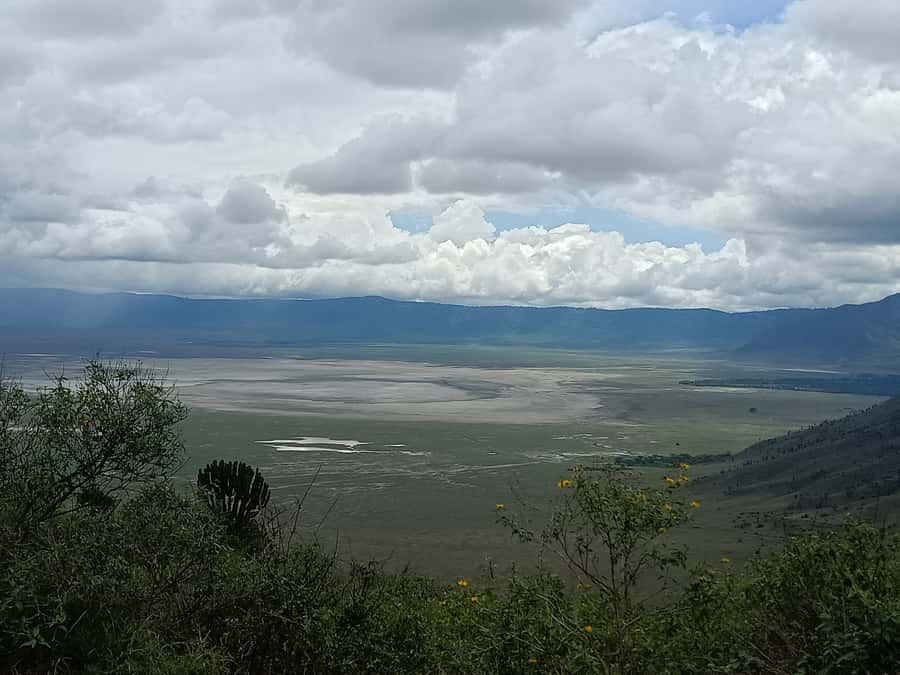
The day begins early. You head down into Ngorongoro Crater for game drives on the floor, where animals are often easier to locate because the area is much more contained than Serengeti.
The crater is especially good for variety. At Soda Lake, you may see flamingos, while geese, storks, and vultures occupy the surrounding areas. The crater floor also offers a strong chance of seeing larger mammals, including the species sought throughout the safari.
Lunch is served at Ngoitoktok Springs picnic site. This is a scenic break during a long day, followed by more game viewing before you ascend from the crater.
This final section often feels more productive than Serengeti because you spend less time crossing empty distances. One visitor found the Serengeti drives monotonous at times but felt Ngorongoro had more animals in a smaller area. I would plan around that contrast rather than treating it as a problem: Serengeti gives you scale and the possibility of migration, while Ngorongoro gives you concentration and a strong closing day.
After the final game viewing, you return to Arusha by vehicle and receive hotel drop-off. The published drop-off options include Arusha and an unnamed road location, so provide a clear address if you are staying at a private residence.
Camping, meals, and daily comfort
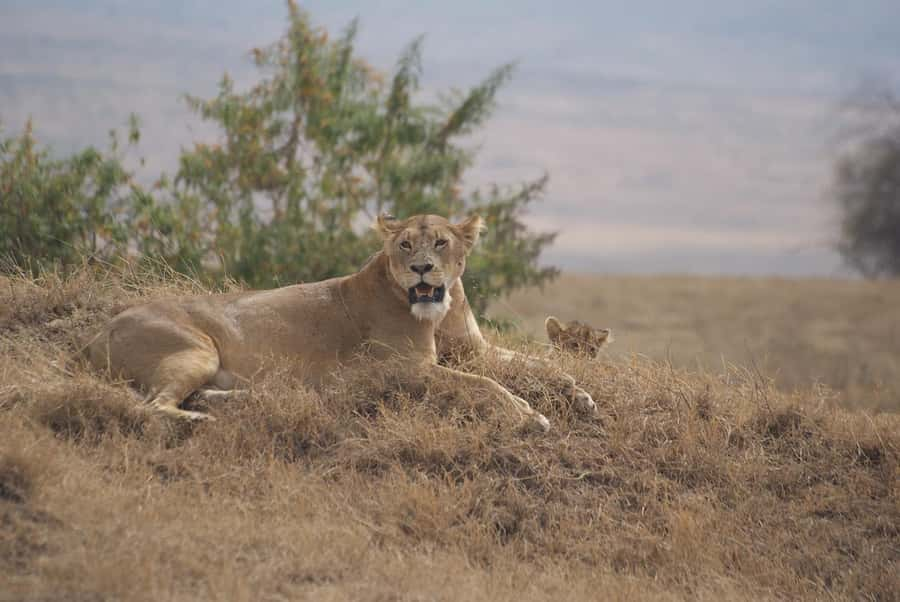
Camping is central to this experience, not just a sleeping arrangement between game drives. You spend three nights in tents and receive sleeping bags, allowing you to remain close to the parks rather than returning to Arusha each evening.
The camps are basic but functional. You should be comfortable with simple facilities and cold water. Bring personal toiletries and clothing that can handle dust, long drives, and changing temperatures. The provided information does not specify luggage limits, so ask before packing large bags.
The cook is an important part of the trip. Christian has been praised for delicious local food and good organization, while Musa has also been credited with very good meals. Food quality can make a major difference after a full day in the vehicle, and this is one of the strongest parts of the experience.
Drinks other than bottled water are not included. That means you should budget for any additional beverages and confirm how much water is supplied each day. The experience includes meals according to the schedule, but small snacks are not listed, and long gaps between meals are possible.
What $950 gets you, and what it does not
The $950 price includes the costly basics: park entrance fees, a guide, a 4×4 vehicle, three nights of camping, sleeping bags, meals, bottled water, and Arusha hotel pickup and drop-off. It also includes the benefit of a small shared group, capped at six clients in the vehicle.
That is a solid package for someone who wants Serengeti and Ngorongoro in one trip. A private safari would usually offer more control over the pace, while a lodge safari would provide greater comfort. This option keeps the price lower by sharing the vehicle and using camps.
You should set aside extra money for drinks, the optional Olduvai Gorge museum stop, and a tip if you choose to give one. One past departure reported pressure around a suggested minimum tip, so decide in advance what you consider fair and do not let an end-of-trip request catch you unprepared.
The booking terms are flexible: you can reserve now and pay later, and cancellation is allowed up to 24 hours before departure for a full refund. Starting times depend on availability. These terms help if your Arusha schedule is still taking shape.
Who should choose this safari
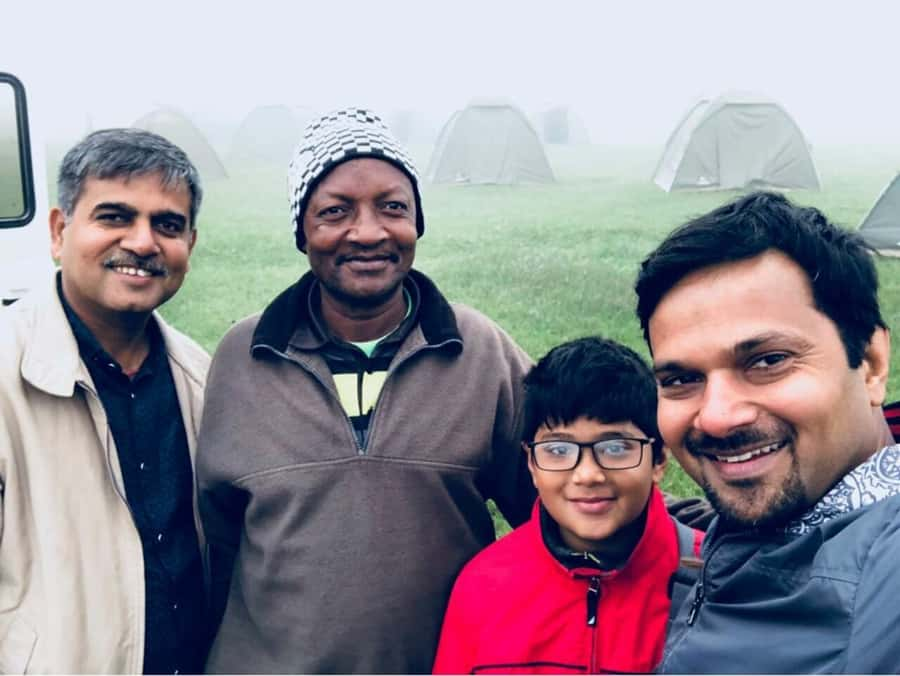
I would recommend it to you if you want a genuine camping safari, value a small shared group, and care more about time in the parks than hotel comfort. It is also a good fit if you want a cook, included park fees, and a planned route without arranging each transfer yourself.
You should be ready for long drives, basic bathrooms, cold water, and a busy schedule. The experience is not ideal if you need frequent meal breaks, private accommodation, or complete control over where the vehicle stops.
Wildlife fans have a strong reason to consider it. The route covers two famous areas with different strengths, and the vehicle setup gives you a clear viewing position. Still, no safari can guarantee every animal. One person saw four of the Big Five but missed the leopard, while another group was fortunate enough to see all five.
Should you book the Serengeti and Ngorongoro camping safari?
Book this safari if you want the highest practical value from four days and are happy to trade comfort for access, scenery, and wildlife. The small vehicle, window seat, included meals, and strong cooking make the $950 package appealing.
Think twice if you dislike long transfers or rough facilities. In that case, a longer trip with more nights in one area may feel better paced. For an active visitor who accepts the hard edges of camping, this safari offers a useful combination: Serengeti’s wide-open animal country, Ngorongoro’s concentrated wildlife, and a crew that can make the difference between a routine drive and a memorable one.
FAQ
How long is the safari?
The safari lasts four days and includes three nights of camping.
Where does the safari start?
Pickup is provided from your hotel in Arusha. Pickup from a private residence in Arusha is also available when you provide the address while booking.
Does the safari include airport pickup?
Airport pickup is available the day before the tour for an additional cost. The included pickup and drop-off service covers Arusha.
How many people share the safari vehicle?
The shared safari vehicle carries up to six clients, along with the driver and chef.
Is a window seat guaranteed?
Yes. The experience includes a guaranteed window seat.
What kind of vehicle is used?
You travel in a 4×4 Land Rover with a pop-up roof for wildlife viewing.
Are sleeping bags included?
Yes. Sleeping bags and three nights of tent accommodation are included.
Are meals included?
Yes. Meals are included according to the scheduled program. Bottled water is included, but other drinks are not.
Is the Olduvai Gorge visit included?
No. The Olduvai Gorge museum visit is optional and costs extra.
What language does the guide speak?
The live tour guide speaks English.
Just added around Arusha
- Serengeti & Ngorongoro fly in safari★ 5.0 · 76 reviews
- serengeti, ngorongoro & tarangire 5days private tour★ 5.0 · 77 reviews
- 3 Days Private Safari – manyara, Ngorongoro & Tarangire★ 5.0 · 94 reviews
- 05 Days Tarangire, Serengeti, Ngorongoro and Lake Manyara★ 5.0 · 54 reviews
- day trip tarangire★ 5.0 · 46 reviews
- 5 days safari, hiking & culture (Serengeti & kilimanjaro)★ 5.0 · 27 reviews
- Tanzania safari with guide in Italian, the great Migration of the Serengeti★ 5.0 · 23 reviews
- 03 days Serengeti and Ngorongoro Crater group (camping)★ 5.0 · 75 reviews
Arusha National Park Tours, compared.
Balloon Safari & Bush Breakfast in Serengeti – Miracle Experience
Read our review →
3 Days Serengeti & Ngorongoro Group Camping Safari
Read our review →
5-Day Highlights mid-Range Crater, Serengeti, Tarangire
Read our review →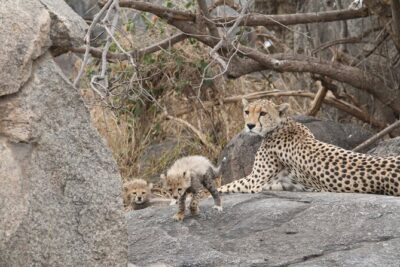
Private 6-Day Tarangire Manyara Crater and Serengeti with Mid-Range Lodges
Read our review →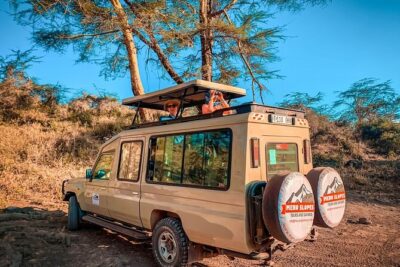
5 Days Camping Tarangire, Serengeti & Ngorongoro crater & Visiting Maasai
Read our review →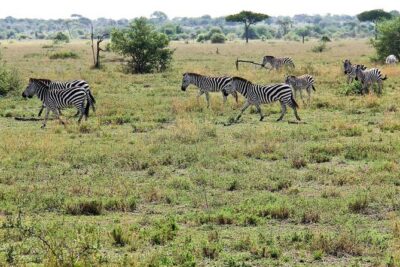
4 Days Join Group tour Tarangire Serengeti and Ngorongoro crater
Read our review →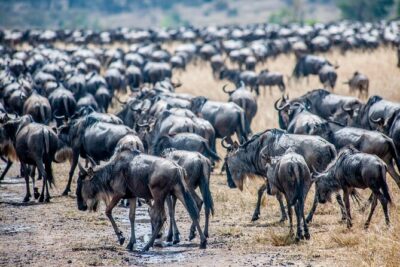
10-Day Serengeti Wildebeest Migration Safari from Arusha
Read our review →Browse the lists this tour appears in