Review · ARUSHA
3 Days Safari to Serengeti National Park & Ngorongoro Crater in Tanzania
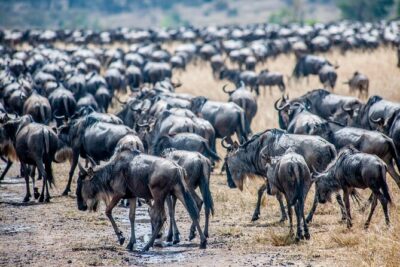
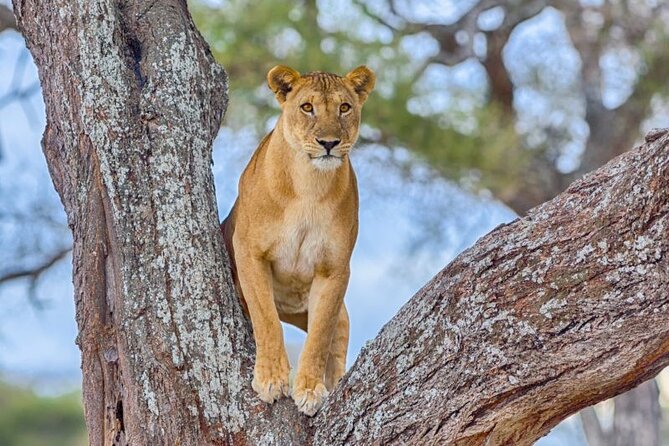
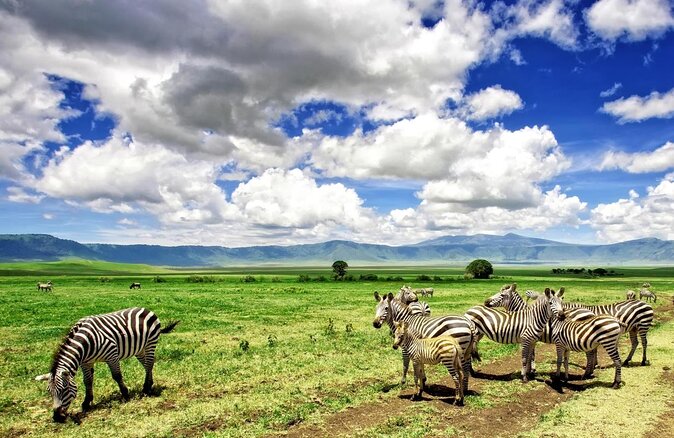
The big draw here is the pairing of Serengeti National Park and Ngorongoro Crater in only three days. You move from wide-open grassland, where lions, cheetahs, zebras, and wildebeest roam, to a volcanic crater with a concentrated mix of animals and a soda lake bright with flamingos.
I like the private 4×4, which gives your small group up to seven people more room to watch wildlife and ask questions. I also like the camping setup and included cook, since meals and sleeping gear are handled while you focus on the animals. The tradeoff is time: this is a fast safari with early mornings, long drives, and no spare day if road conditions or animal movements slow you down.
Key points at a glance
- Private 4×4 for up to seven people: A custom-built vehicle gives you better viewing space than a crowded shared minibus.
- Two major wildlife areas in three days: You see the Serengeti’s open plains and Ngorongoro’s enclosed crater.
- Camping equipment and meals included: Tents, sleeping mats, camping furniture, breakfasts, lunches, and dinners are provided.
- Olduvai Gorge adds human history: The museum connects the safari to major discoveries about human evolution.
- Strong guide and cook element: Guides such as Frankie, Albert, Bryson, Joel, Jordan, Ismael, and others have been praised for animal knowledge, safe driving, and good judgment in the parks.
- The main compromise is pace: The days begin early and combine wildlife viewing with substantial road travel.
From Arusha to the Serengeti in one long day
Your pickup begins in Arusha, usually at about 7 a.m., after breakfast around 6 a.m. Day one is roughly nine hours and includes the drive toward Serengeti National Park, with a packed lunch for the road.
That timing matters. The Serengeti covers about 14,763 square kilometres, or roughly 5,700 square miles. You are not simply driving to one small viewing area. Reaching the park takes time, but the scale is part of the attraction. The farther you go, the more the scenery opens into a huge sweep of grassland and wildlife country.
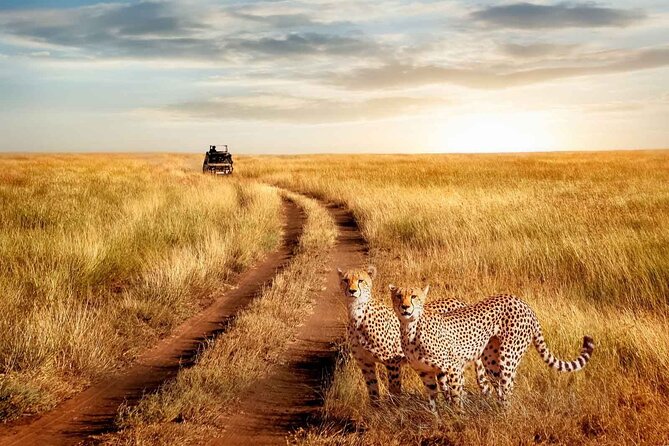
The custom 4×4 is one of the strongest features of this trip. A private vehicle lets your guide choose where to pause, within park rules, and gives you a better chance of getting a clear view when animals appear. You can also keep your camera ready without negotiating for space with a large group.
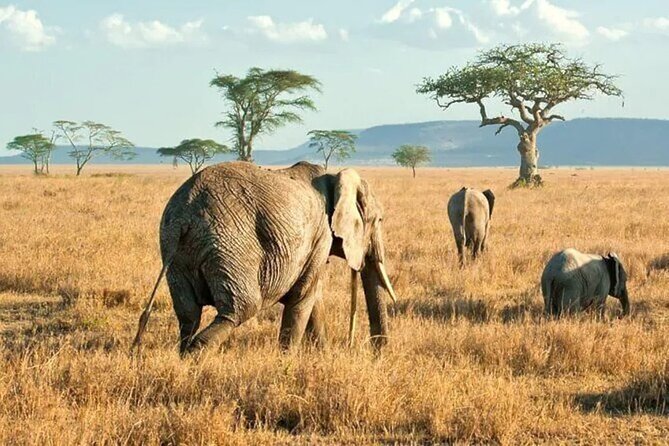
Serengeti wildlife can include lions, leopards, elephants, cheetahs, buffalo, zebras, wildebeest, eland, wild dogs, gazelles, crocodiles, and many other species. No safari can promise a particular animal, but the park’s size and variety make it a powerful first stop.
The most useful part of your guide’s job is not simply pointing out animals. A good guide explains behavior, reads the activity around a sighting, and helps you understand why one quiet patch of grass matters. Guides named in past departures include Frankie, Albert, Bryson, Joel, Jordan, and Ismael. Their work has been especially praised for safe driving, animal knowledge, and finding good viewing spots.
The first day can feel demanding. You will spend much of it in the vehicle, and the combination of an early start, a long approach, and game viewing may leave you tired by evening. Still, that long transfer is what allows this short trip to include the Serengeti at all.
More Safari Tours in Arusha
- Balloon Safari & Bush Breakfast in Serengeti – Miracle Experience
★ 5.0 · 1,646 reviews - 3 Days Serengeti & Ngorongoro Group Camping Safari
★ 5.0 · 574 reviews - 3-Day Classic Serengeti Safari
★ 5.0 · 263 reviews
An early Serengeti morning and the road to Olduvai Gorge
Day two starts around 6 a.m. with an early game drive. The schedule also lists a 9 a.m. game drive, so the exact rhythm may depend on the guide and the day’s conditions. Plan on being ready early rather than expecting a lazy camp breakfast.
Morning is valuable because predators may still be active, and the cooler hours are easier for watching animals from an open-sided vehicle. You may see wildebeest and zebras near lions, along with the possibility of leopards and cheetahs. The park is not a zoo, so sightings are never guaranteed. The reward is that any encounter feels earned rather than staged.
You return to camp for breakfast, then check out and continue with lunch and wildlife viewing along the way. This is an efficient use of the day, but it also means you should expect more sitting and bouncing on rough roads. Pack water, sun protection, and a small bag that can stay within reach in the vehicle.
The route can pass Olduvai Gorge, where Louis and Mary Leakey carried out important excavation work. A small museum documents archaeological finds connected with human evolution. This stop gives the trip a welcome change of pace. Instead of looking only at animals, you get a sense of the much older human story tied to northern Tanzania.
The museum is not presented as a full-day archaeological visit. Think of it as a compact, meaningful stop on a day already shaped by driving and game viewing. If you enjoy science, archaeology, or the question of how humans developed, it adds real depth to the safari.
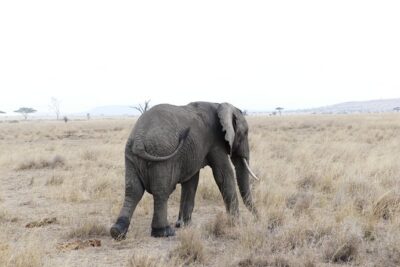
The second day also includes information about elephants and the stages of their lives. That detail is useful because elephant sightings are more rewarding when you understand family groups, age, and behavior instead of simply counting animals.
By the end of the day, you continue toward the Ngorongoro Crater rim. The change in scenery is dramatic. You leave the broad Serengeti plains and approach a huge volcanic formation that holds its own concentration of wildlife.
Ngorongoro Crater, a natural bowl full of wildlife
Day three begins with breakfast and a drive to the crater entrance at about 7 a.m. You descend to the crater floor for roughly six hours of game viewing.
Ngorongoro Crater measures about 19.2 kilometres across and reaches around 610 metres deep. Its floor covers approximately 304 square kilometres. Those numbers help explain why this stop feels so different from the Serengeti. The animals are gathered within a massive natural bowl, framed by steep walls and open areas of grassland.
The crater is known for its chance of seeing the Big Five: rhino, lion, leopard, buffalo, and elephant. You may also encounter many other mammals and a wide range of birds, including flamingos at the soda lake, geese, storks, and vultures.
The crater is often the strongest single day for visitors who want varied wildlife without covering the enormous distances of the Serengeti. You can see open grass, water, woodland, and crater walls in one compact setting. The scenery changes quickly, and the views from the rim and floor are memorable even when the animals are temporarily out of sight.
A lunch break is scheduled at the Ngoitoktok spring picnic site. Fresh water and a soda lake help explain why the crater supports so much life. The setting also gives you a chance to stretch and eat after a morning in the vehicle.
The main caution is that the crater can feel busier than the Serengeti, especially around a notable sighting. Your private vehicle does not mean you have the whole crater to yourself. It does mean your guide can help manage the day and keep the experience personal within the park’s rules.
After the crater drive, the activity ends back at the meeting point in Arusha. The supplied schedule does not specify an exact return time, so do not plan a tight evening connection unless the operator confirms it directly.
What camping and meals are really like
This is a camping safari, not a lodge-based escape. Tents, sleeping mats, camping furniture, and other basic camping equipment are included. You also receive two breakfasts, two lunches, and two dinners, along with the national park fees and vehicle fuel.
That arrangement keeps the cost below many lodge-based safaris and gives the trip a more direct connection to the parks. You are not paying only for a bed and a polished dining room. Much of your budget goes toward permits, transport, the guide, and the practical machinery that makes a safari work.
The included cook is important. A chef named John has been praised for keeping meals generous, while Mtumishi has been noted for tasty food during camping departures. You should still think of the meals as safari camping food rather than restaurant dining, but having a dedicated cook can make a major difference after a long day.
Camping also requires flexibility. Facilities may be basic, and your sleep schedule follows the wildlife program rather than your normal holiday routine. If you need a private room and full hotel comfort each night, choose a lodge safari instead. If you like the idea of sitting around camp, eating food prepared for the group, and keeping the price under control, this setup makes sense.
More Safari Tours in Tanzania
- 10-Day Serengeti Wildebeest Migration Safari from Arusha
★ 5.0 · 218 reviews - 4-Day Safari from Arusha: Tarangire, Serengeti and Ngorongoro
★ 5.0 · 173 reviews - 8 Day Spectacular Migration Serengeti mid -Range Tanzania Safari
★ 5.0 · 161 reviews - 7 Days Tanganyika Wilderness Safari
★ 5.0 · 159 reviews
How good is the $1,200 value?
At $1,200 per person, this is not a budget day trip. It is a serious three-day safari covering national park fees, a private 4×4, fuel, an English-speaking guide, camping equipment, and most meals.
The value depends on what you compare it with. Against a simple wildlife excursion near Arusha, the price is high. Against a private safari that includes both the Serengeti and Ngorongoro, the package is more attractive because the major operating costs are already included.
The private vehicle is the key value point. A group of no more than seven people gets more space and a better chance of seeing through the vehicle’s viewing openings. You are also not paying separately for each park entrance or for the fuel needed to cover the long distances.
International flights, a Tanzanian visa, travel insurance, tips, laundry, and communication costs are not included. Build those into your total budget. Tips and personal spending can vary, but they should not be treated as optional surprises at the end of your planning.
I would call this good value for someone who wants the classic northern Tanzania combination and is comfortable camping. It is less appealing if you want slow travel, high-end lodging, or a relaxed schedule.
Who will enjoy this safari most?
This trip suits first-time safari visitors who want a strong introduction to Tanzania in a short period. Families can also enjoy it, and children have responded well to seeing lions, zebras, elephants, and other animals in the wild. Parents should be realistic about the early starts and long drives.
It also suits photographers and wildlife fans who value a private vehicle. You have more room to watch, take pictures, and ask the guide to explain what is happening.
The trip is a good match for people who want both wildlife and context. Olduvai Gorge adds archaeology, while the elephant information, crater geology, birdlife, and conservation setting give you more to think about than a simple list of animal sightings.
I would be cautious about recommending it to anyone with very limited energy for rough roads, long vehicle hours, or camping. Most people can participate, but the schedule is active and the three days are packed.
Practical details before you book
Pickup is offered in Arusha, and the activity returns to the meeting point. A mobile ticket is available, and confirmation is sent at booking. The maximum group size is seven people.
The listed operating information shows a date range from January 1, 2025, to January 7, 2026, with an unusual Monday time window from midnight to 1:30 a.m. Because that entry does not match the stated 7 a.m. pickup, confirm the actual pickup time with Kipok Africa Adventures before departure.
Free cancellation is available up to 24 hours before the start time for a full refund. Cancellations or changes made less than 24 hours before the start time are not accepted for a refund.
Pack light, keep essentials close in the vehicle, and bring clothing for early mornings as well as strong sun. The supplied information does not specify a packing list, so ask the operator what personal items are required for the camps.
Should you book it?
Book this safari if you want the Serengeti and Ngorongoro Crater in one compact trip, prefer a private vehicle, and are happy with camping. The strongest reasons are the small group, included park fees and meals, experienced driver-guides, and the mix of wildlife, archaeology, and crater scenery.
Skip it if your priority is lodge comfort or a slow pace. Three days is enough for a memorable introduction, but not enough to remove every compromise. You will spend long hours on the road and start early each morning.
For the right person, this is a practical way to see two of Tanzania’s great wildlife areas without paying for a high-end lodge safari. At 97 percent recommended and a 4.9 rating from 34 submitted ratings, it has a strong record, but the best decision still comes down to your comfort with camping and a busy schedule.
FAQ
Where does the safari start?
The safari starts in Arusha, Tanzania, with pickup offered.
Where does the activity end?
The activity ends back at the meeting point in Arusha.
How long is the safari?
The safari lasts approximately three days.
What is the maximum group size?
The maximum group size is seven people.
Is the safari operated in a private vehicle?
Yes. The package includes a private 4×4 custom-built safari vehicle with a driver-guide and fuel.
Is an English-speaking guide included?
Yes. An English-speaking guide is included.
Are national park fees included?
Yes. National park fees are included in the price.
Is camping equipment provided?
Yes. Tents, sleeping mats, camping furniture, and other camping equipment are included.
Are meals included?
Yes. The package includes two breakfasts, two lunches, and two dinners.
What is not included in the price?
International flights, a Tanzanian visa, travel insurance, tips, laundry, communication, and other personal expenses are not included.
More Volcano and Crater Tours in Tanzania
- 4 Days Tarangire Serengeti Ngorongoro Crater
★ 5.0 · 117 reviews - 5 Days Tanzania Group Joining Safari, Tarangire/Serengeti/Ngorongoro Crater
★ 5.0 · 85 reviews - 5 day safari Tarangire Serengeti and Ngorongoro crater
★ 5.0 · 83 reviews - 3 Days Small Group Safari to Serengeti NP and Ngorongoro Crater Tour in Tanzania
★ 5.0 · 77 reviews
More Volcano and Crater Tours in Arusha
- 5-Day Highlights mid-Range Crater, Serengeti, Tarangire
★ 5.0 · 296 reviews - Private 6-Day Tarangire Manyara Crater and Serengeti with Mid-Range Lodges
★ 5.0 · 238 reviews - 5 Days Camping Tarangire, Serengeti & Ngorongoro crater & Visiting Maasai
★ 5.0 · 229 reviews - 4 Days Join Group tour Tarangire Serengeti and Ngorongoro crater
★ 5.0 · 219 reviews
Just added around Arusha
- Serengeti & Ngorongoro fly in safari★ 5.0 · 76 reviews
- serengeti, ngorongoro & tarangire 5days private tour★ 5.0 · 77 reviews
- 3 Days Private Safari – manyara, Ngorongoro & Tarangire★ 5.0 · 94 reviews
- 05 Days Tarangire, Serengeti, Ngorongoro and Lake Manyara★ 5.0 · 54 reviews
- day trip tarangire★ 5.0 · 46 reviews
- 5 days safari, hiking & culture (Serengeti & kilimanjaro)★ 5.0 · 27 reviews
- Tanzania safari with guide in Italian, the great Migration of the Serengeti★ 5.0 · 23 reviews
- 03 days Serengeti and Ngorongoro Crater group (camping)★ 5.0 · 75 reviews
Arusha National Park Tours, compared.
Balloon Safari & Bush Breakfast in Serengeti – Miracle Experience
Read our review →
3 Days Serengeti & Ngorongoro Group Camping Safari
Read our review →
5-Day Highlights mid-Range Crater, Serengeti, Tarangire
Read our review →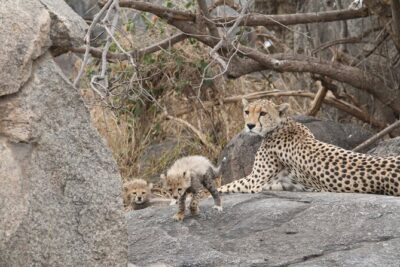
Private 6-Day Tarangire Manyara Crater and Serengeti with Mid-Range Lodges
Read our review →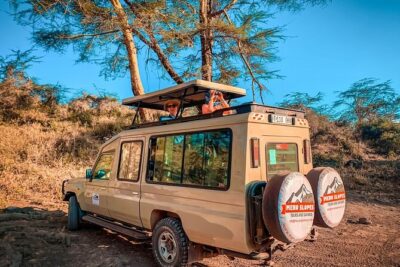
5 Days Camping Tarangire, Serengeti & Ngorongoro crater & Visiting Maasai
Read our review →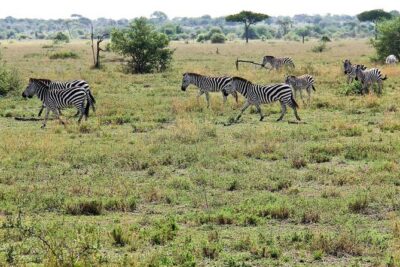
4 Days Join Group tour Tarangire Serengeti and Ngorongoro crater
Read our review →