
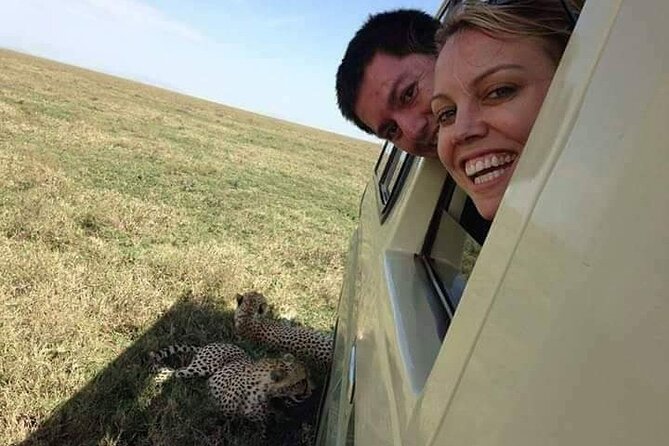
Review · ARUSHA
4-Day Safari to Tarangire, Serengeti and Ngorongoro from Arusha – Join a group
The main appeal here is simple: in four days, you reach three of Tanzania’s great safari areas without paying for a private vehicle. Tarangire brings elephant herds and baobabs, Serengeti delivers wide-open plains and big cats, and Ngorongoro packs an astonishing range of animals into one crater.
I like the small group limit of seven and the guaranteed window seat, both of which matter when a lion appears on the far side of the vehicle. I also like the practical setup: meals, park fees, camping gear, bottled water, pickup, and drop-off are included. The trade-off is a busy schedule, with long drives and early starts, plus basic camping if you choose the budget version.
Key points to know before booking
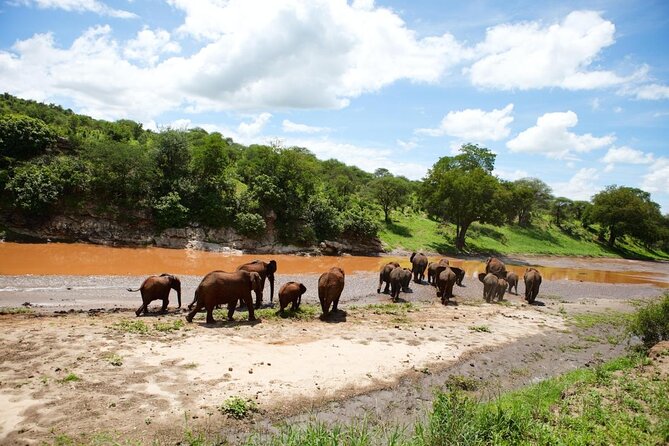
- Tarangire begins the safari with six hours of game viewing, including a picnic lunch among baobabs and elephant country.
- Serengeti receives the most time, with an afternoon game drive on day two and an early morning drive on day three.
- Ngorongoro Crater is the final wildlife centerpiece, with about six hours on the crater floor and lunch near a hippo pool.
- The group is capped at seven people, and every person receives a window seat in the 4WD vehicle.
- Budget camping is part of the value, with a tent, mattress, and sleeping bag supplied. Deluxe and comfort options are also offered.
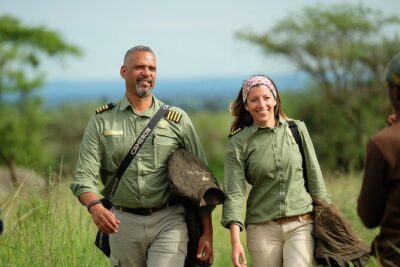
- The guides make a real difference, with Mbwana, Jonas, and other Golden Dream Safaris guides praised for animal knowledge, communication, and careful driving.
Three major parks in four demanding days
This is a classic northern Tanzania route, but it is not a gentle holiday with a little wildlife added. You cover a lot of ground, rise early, spend hours on rough park roads, and sleep in or near safari camps. The reward is variety: Tarangire feels wooded and dramatic, Serengeti feels immense, and Ngorongoro feels concentrated and almost theatrical.
At $1,050 per person, the package offers solid value if you want the main northern circuit and do not need a private vehicle. Park fees, four days of game drives, meals, accommodation, guide service, transport, and camping equipment are built in. You still need to budget for tips, drinks beyond water, visas, flights, and accommodation before or after the safari.
I would compare the accommodation level carefully before paying. The budget option includes a tent, mattress, and sleeping bag, while comfort and deluxe versions are available. Those labels are not explained in detail, so ask exactly what room or tent standard you are booking.
More Safari Tours in Arusha
- Balloon Safari & Bush Breakfast in Serengeti – Miracle Experience
★ 5.0 · 1,646 reviews - 3 Days Serengeti & Ngorongoro Group Camping Safari
★ 5.0 · 574 reviews - 3-Day Classic Serengeti Safari
★ 5.0 · 263 reviews
Day 1: Tarangire’s elephants and baobab country
Pickup from your Arusha accommodation is scheduled for 8:30 in the morning. The drive to Tarangire takes about two and a half hours, with arrival at the gate around 11. That timing gives you a useful first look at rural scenery before the game drive begins.
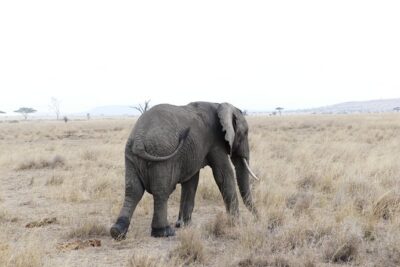
Tarangire takes its name from the river running through the park. During the dry season, that water draws animals from a broad area, which helps explain the park’s reputation for large elephant herds. The baobab trees add a strong sense of place, with their thick trunks and unusual shapes giving the park a look unlike Serengeti or Ngorongoro.
You spend about six hours in the park, including a picnic lunch. The possible sightings listed for this day include elephants, giraffes, hippos, buffaloes, zebras, wildebeest, lions, and hyenas, along with many bird species.
The strength of this first day is its visual variety. You are not only scanning for animals. You are also watching elephant families move through trees, looking for giraffes above the brush, and taking in the baobabs. Tarangire can feel more intimate than the broad Serengeti because vegetation often frames the view.
At about 5 p.m., you leave the park and drive roughly another hour toward your overnight accommodation. This is a full day, so do not treat the 8:30 pickup as a late start. You will already have spent several hours on the road before the main game drive begins.
Day 2: The long road to the Serengeti
After breakfast, you leave at about 9 a.m. for Serengeti National Park. The drive to the park gate takes around three hours and passes through the Ngorongoro Highlands. The road itself is part of the experience, with changing scenery and the chance to spot wildlife before reaching the gate.
The itinerary says you enter Serengeti around noon. That leaves roughly six hours for game viewing, depending on the pace of the group, park formalities, and the location of your accommodation. This is one reason the shared format affects the experience: the guide must balance everyone’s interests and keep the schedule moving.
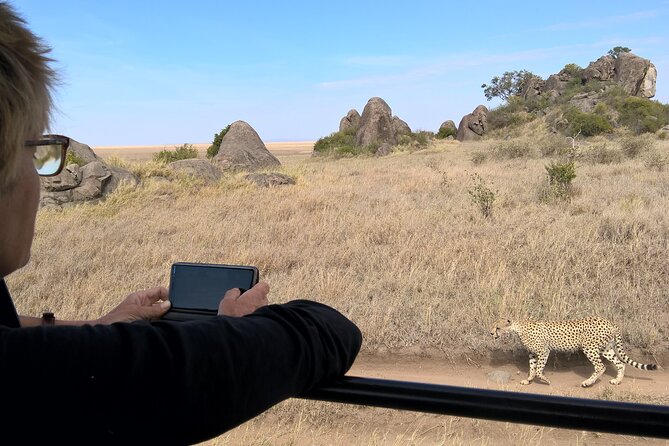
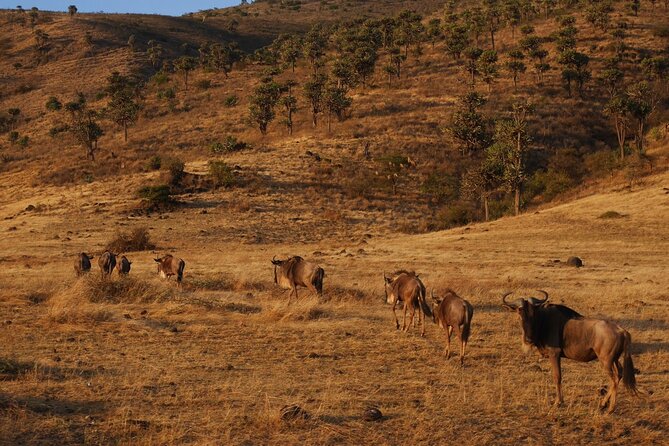
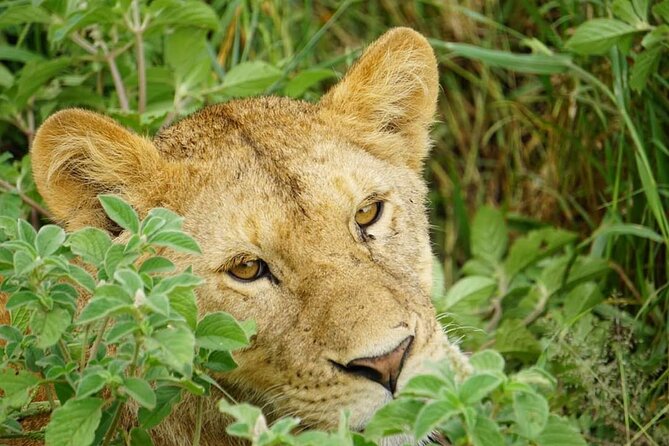
Serengeti means endless plains, and that description makes sense once the road opens up. The park covers about 30,000 square kilometers, and its large spaces support a remarkable range of animals. The area is famous for wildebeest migration and lion sightings, but you might also see cheetahs, leopards, hyenas, giraffes, zebras, impalas, ostriches, warthogs, monkeys, crocodiles, hippos, and many birds.
I would set realistic expectations about the big cats. Serengeti gives you excellent possibilities, but wildlife is wild. A guide may find a lion quickly, while a leopard or cheetah may remain out of sight. The strongest part of this day is not a guaranteed checklist. It is the chance to watch the plains change as you move through them, with animal behavior often providing the best moments.
The drive from the highlands into Serengeti is also tiring. If you are prone to motion sickness, bring whatever normally helps you. The 4WD has a pop-up roof and a window seat for each person, but roads can still be dusty and uneven.
Day 3: An early Serengeti start and a cold crater rim
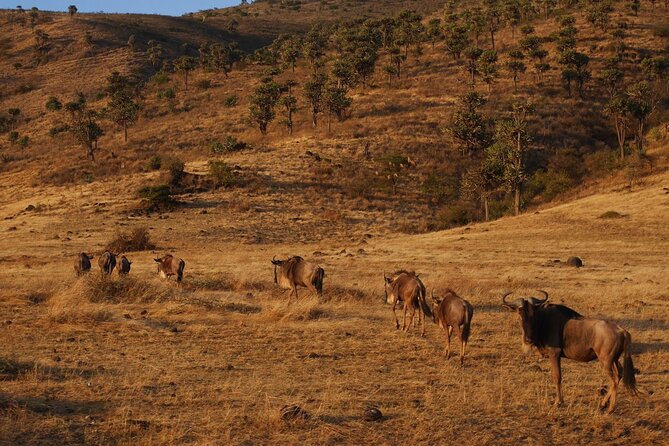
Day three begins at 6 a.m. with morning game drives in Serengeti. Early hours are valuable because the day is cooler and animals may be active before the heat builds. You then continue with game viewing as you leave the park and drive toward Ngorongoro.
The total game-drive time is about six hours, including a picnic lunch. This is the day when the route asks you to combine wildlife viewing with relocation. You get another chance at Serengeti animals, but you also need to reach the crater rim for dinner and overnight accommodation.
The crater rim is high, and the supplied advice to bring warm clothing is worth taking seriously. Even after hot days on the plains, the evening can feel chilly. Pack a fleece or warm jacket where you can reach it, rather than burying it in your main luggage.
The reward is the view. Ngorongoro’s rim gives you a broad look across the crater, and dinner followed by an overnight stay in this setting can be one of the most memorable parts of the trip. The drawback is that this day combines a 6 a.m. start, several hours of game driving, and another transfer. You will appreciate a quiet evening.
More Safari Tours in Tanzania
- 10-Day Serengeti Wildebeest Migration Safari from Arusha
★ 5.0 · 218 reviews - 4-Day Safari from Arusha: Tarangire, Serengeti and Ngorongoro
★ 5.0 · 173 reviews - 8 Day Spectacular Migration Serengeti mid -Range Tanzania Safari
★ 5.0 · 161 reviews - 7 Days Tanganyika Wilderness Safari
★ 5.0 · 159 reviews
Day 4: Six hours inside Ngorongoro Crater
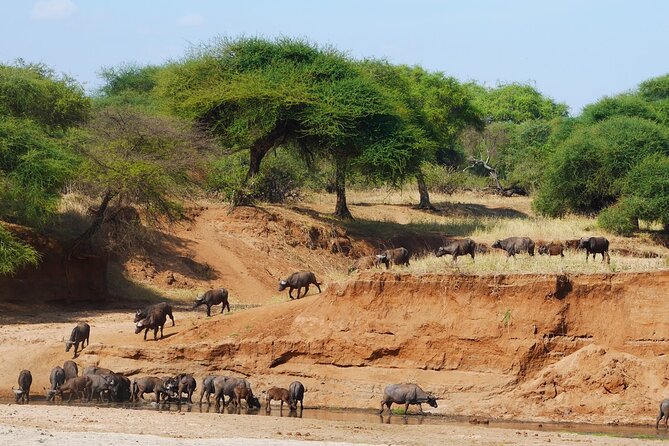
After an early breakfast, you descend into Ngorongoro Crater at about 7 a.m. The crater is part of the Ngorongoro Conservation Area, a UNESCO World Heritage site and one of Africa’s Seven Natural Wonders. Its enclosed setting supports a striking mix of grassland, water, and wildlife habitat.
You spend about six hours on game drives, with a picnic lunch at the hippo pool picnic site on the crater floor. Possible sightings include lions, buffaloes, hippos, flamingos, wildebeest, zebras, gazelles, leopards, rhinos, hyenas, elephants, and other animals.
The crater is especially useful for a short safari because it brings many species into one relatively contained area. That does not mean every animal appears on every visit, but the setting gives you strong odds for varied wildlife in a single morning. Rhinos can be seen from a distance, and seeing one is possible but never something a responsible guide should promise.
At around 1 p.m., you ascend the crater and begin the drive back to Arusha. Drop-off is provided at your hotel or chosen location in Arusha. Since this is still a driving day, avoid scheduling a flight or other fixed appointment too soon afterward.
What the shared 4WD setup means
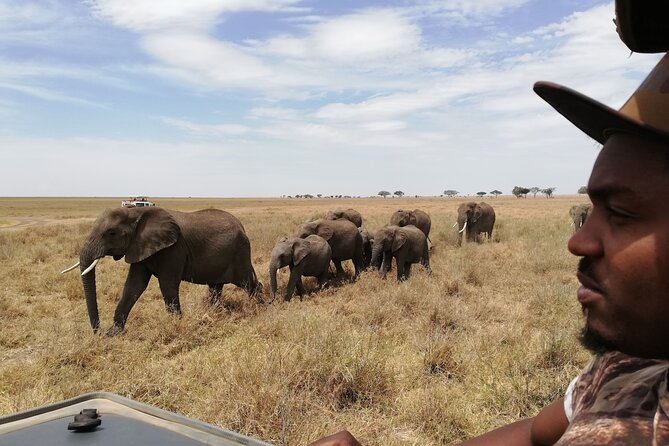
The vehicle has a pop-up roof, which gives you a better upward view for giraffes, birds, and animals standing close to the road. A guaranteed window seat is another practical advantage. You can lean toward the opening for photographs without competing for the only good position.
The group maximum is seven people. That is small enough to keep the vehicle social without creating a crowded bus feel, but it is still a group trip. You will share decisions about how long to stay at a sighting, when to stop for lunch, and how quickly to move toward camp.
This style suits you if you enjoy meeting people and want to reduce the cost of a safari. It is less suitable if you want to linger at one leopard sighting, change the route on a whim, or set a personal photography schedule. For that, a private safari is the better choice.
The guide is central to the experience. Names associated with the operation include Mbwana and Jonas. Mbwana is praised for explaining flora and fauna, spotting animals, and keeping groups engaged. Jonas is praised for handling rough ground safely and going the extra mile for the group. Guides can vary, but these details show what to look for: clear communication, good driving, and the ability to read animal behavior.
Camping, meals, and daily comfort
The budget version includes a tent, mattress, and sleeping bag. It also includes breakfast three times, lunch four times, and dinner three times. That covers the meal pattern of a four-day safari, including picnic lunches during game drives.
Camping adds atmosphere and lowers the cost, but you should choose it because you are comfortable with simple nights, not only because it is cheaper. The supplied equipment means you do not need to bring your own tent or sleeping bag, but personal comfort standards vary. Comfort and deluxe accommodation options are available, so confirm what each level includes before booking.
Water is limited to 1.5 liters per person per day. That is useful, but you may want to ask about buying extra water or bring a refill plan if you drink more, especially during long, warm game-drive days. Drinks other than water, including alcohol, are not included.
Pack light, but keep several essentials close:
- Warm clothing for the Ngorongoro rim
- Sun protection for open vehicle hours
- Personal toiletries and any regular medicine
- A camera with spare battery power
- Small cash for tips and personal purchases
Tips are not included and are highly recommended. The guide and camp staff shape much of the experience, so plan for tipping rather than treating it as an unexpected charge.
How the $1,050 price holds up
The price makes sense for someone who wants the headline parks in a short period and is willing to share the vehicle. Four days of park access, transport from Arusha, a guide, meals, accommodation, game drives, camping equipment, taxes, and bottled water would be difficult to arrange independently for the same price without a great deal of work.
The value is strongest in the all-in structure. You do not need to coordinate separate park entries, vehicle hire, meals, and transfers. The group format also spreads the cost of the 4WD and guide across several people.
The price is less attractive if your main goal is a slow photographic safari. You will have limited control over stops, and two of the four days include substantial driving. You also need to add visa costs, flights, pre- and post-safari hotels, drinks, and tips.
Who should book this safari
I would recommend this trip to a first-time safari visitor who wants the main northern Tanzania circuit in four days. It suits solo people, couples, and small groups who like shared experiences and want a reasonable chance of seeing a broad range of wildlife.
It is also a good fit if you are curious about camping but do not want to carry all the equipment yourself. The supplied tent, mattress, and sleeping bag remove much of the packing burden.
I would hesitate if you dislike early starts, long road transfers, basic accommodation, or fixed group schedules. Families can participate, since most people can take part, but the long drives and camping conditions should fit the children in your group.
Should you book the four-day route?
Book it if you want Tarangire, Serengeti, and Ngorongoro in one efficient package, and if the chance to see elephants, big cats, rhinos, buffaloes, and other wildlife matters more than having a relaxed pace. The combination of a seven-person maximum, window seats, included meals, and experienced guides gives the trip a strong practical foundation.
Before paying, confirm the accommodation level, ask which guide is assigned, and decide if camping suits you. If the answer is yes, this is a well-priced way to reach Tanzania’s famous northern parks without arranging every moving part yourself.
FAQ
Where does the safari begin?
Pickup is provided from your accommodation in Arusha at 8:30 a.m. on the first day.
How many people can join the group?
The tour has a maximum of seven travelers, and each person is guaranteed a window seat in the 4WD vehicle.
Which parks are included?
The route includes Tarangire National Park, Serengeti National Park, and Ngorongoro Crater in the Ngorongoro Conservation Area.
Is accommodation included?
Yes. Accommodation is included, with budget, comfort, and deluxe options available. The budget version provides a tent, mattress, and sleeping bag.
Are meals included?
Yes. The package includes three breakfasts, four lunches, and three dinners.
Is bottled water provided?
Yes. Each person receives 1.5 liters of bottled drinking water per day.
What should I bring for Ngorongoro?
Bring warm clothing for the night on the crater rim, where temperatures can feel chilly because of the high elevation.
Where does the safari end?
After the Ngorongoro game drive, you return to Arusha and are dropped off at your hotel or chosen location.
More 4-Day Experiences in Arusha
- 4 Days Join Group tour Tarangire Serengeti and Ngorongoro crater
★ 5.0 · 219 reviews - 4 Days Tarangire Serengeti Ngorongoro Crater
★ 5.0 · 117 reviews - 4 Days Tarangire, Serengeti and Ngorongoro Mid-Range Group Safari
★ 5.0 · 84 reviews - 4 Days Tanzania Lodge Safari With Two Nights at Serengeti
★ 5.0 · 62 reviews
Just added around Arusha
- Serengeti & Ngorongoro fly in safari★ 5.0 · 76 reviews
- serengeti, ngorongoro & tarangire 5days private tour★ 5.0 · 77 reviews
- 3 Days Private Safari – manyara, Ngorongoro & Tarangire★ 5.0 · 94 reviews
- 05 Days Tarangire, Serengeti, Ngorongoro and Lake Manyara★ 5.0 · 54 reviews
- day trip tarangire★ 5.0 · 46 reviews
- 5 days safari, hiking & culture (Serengeti & kilimanjaro)★ 5.0 · 27 reviews
- Tanzania safari with guide in Italian, the great Migration of the Serengeti★ 5.0 · 23 reviews
- 03 days Serengeti and Ngorongoro Crater group (camping)★ 5.0 · 75 reviews
Arusha National Park Tours, compared.
Balloon Safari & Bush Breakfast in Serengeti – Miracle Experience
Read our review →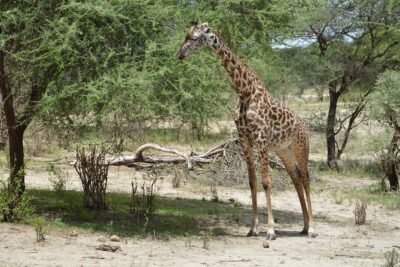
3 Days Serengeti & Ngorongoro Group Camping Safari
Read our review →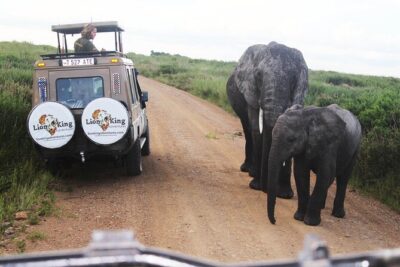
5-Day Highlights mid-Range Crater, Serengeti, Tarangire
Read our review →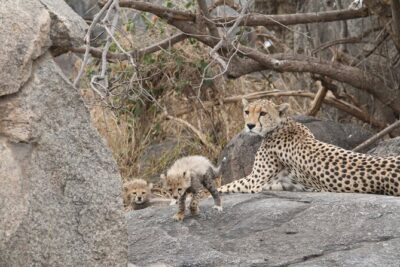
Private 6-Day Tarangire Manyara Crater and Serengeti with Mid-Range Lodges
Read our review →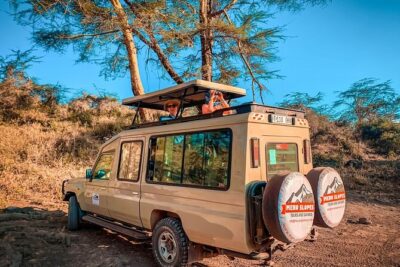
5 Days Camping Tarangire, Serengeti & Ngorongoro crater & Visiting Maasai
Read our review →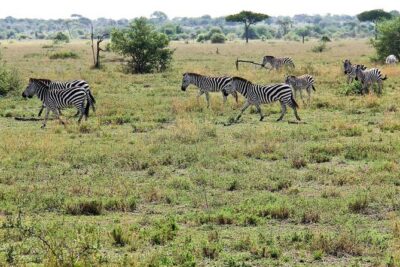
4 Days Join Group tour Tarangire Serengeti and Ngorongoro crater
Read our review →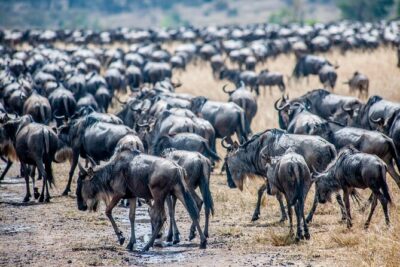
10-Day Serengeti Wildebeest Migration Safari from Arusha
Read our review →Browse the lists this tour appears in