Review · ARUSHA
5 Days Camping Tarangire, Serengeti & Ngorongoro crater & Visiting Maasai
The heart of this safari is the sheer range packed into five days. You move from Tarangire’s baobabs and elephant herds to the wide Serengeti plains, then down into the wildlife-filled bowl of Ngorongoro Crater. It is a fast-moving route, but it gives you three very different sides of northern Tanzania.
I like the private guide and small group limit of six, which gives you a better chance to ask questions, adjust your viewing time, and follow animal activity. I also like the value: the $1,254 price includes park fees, meals, drinking water, Wi-Fi in the safari vehicle, and accommodation before and after the safari.
The trade-off is comfort. This is a camping safari with early starts, long drives, basic camp facilities, and some uneven standards from one campsite to another. You should choose it for the parks and wildlife first, not for polished lodging.
Key points to know before booking
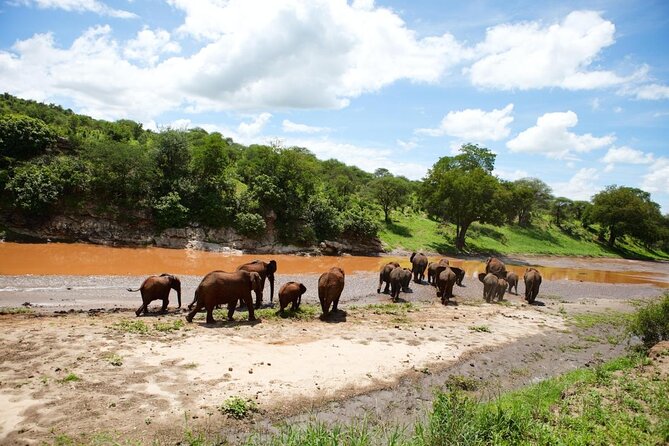
- Tarangire begins the wildlife action: Expect elephants, baobab trees, possible tree-climbing pythons, lions, leopards, and other animals on the first full game-drive day.
- Serengeti receives the most time: Days two and three focus on the central Seronera area, with an early start and a full day in the park.
- Ngorongoro is a powerful finale: The crater offers compact wildlife viewing, dramatic scenery, and a possible sighting of the endangered black rhino.
- The guide matters greatly: Samwel, Douglas, Jacob, and Johnson are praised for animal spotting, patience, communication, and park knowledge.
- Camping is basic by design: Some past guests loved the adventure, while others found certain restrooms and camp conditions difficult.
- Mto wa Mbu adds a local connection: The short visit includes banana plantations, local guiding, and an introduction to community life.
What the $1,254 price really covers
At $1,254 per person, this safari is priced as a budget-minded way to see Tanzania’s top parks without arranging each part yourself. The price includes all fees and taxes, five breakfasts, five lunches, five dinners, unlimited drinking water, Wi-Fi inside the safari vehicle, and accommodation the night before and the night after the main safari.
That package matters. Park fees alone can make northern Tanzania expensive, and the route includes three major wildlife areas. You also avoid paying separately for the first and last nights, which is useful if you are arriving in Arusha before the safari or leaving soon after it ends.
The value is strongest if you are comfortable sharing the practical side of camping. The safari is private, but the group can include up to six people. Private here means your party has its own guide and vehicle rather than joining a large coach group. It does not mean a private luxury camp or hotel-style service.
Tips and flights are not included. Vegetarian meals are available if you request them when booking. The operator also offers free cancellation up to 24 hours before the start time, which gives you some flexibility if your plans change.
More Volcano and Crater Tours in Arusha
- 5-Day Highlights mid-Range Crater, Serengeti, Tarangire
★ 5.0 · 296 reviews - Private 6-Day Tarangire Manyara Crater and Serengeti with Mid-Range Lodges
★ 5.0 · 238 reviews - 4 Days Join Group tour Tarangire Serengeti and Ngorongoro crater
★ 5.0 · 219 reviews
Day one: elephants and baobabs in Tarangire
Pickup is listed from an Arusha hotel at about 8:00 a.m., with the general meeting time shown as 9:00 a.m. Confirm the exact pickup hour with the operator, since the information gives both times. The drive to Tarangire takes about three hours, and the park lies roughly 115 kilometers from Arusha.
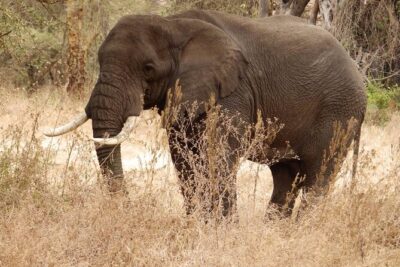
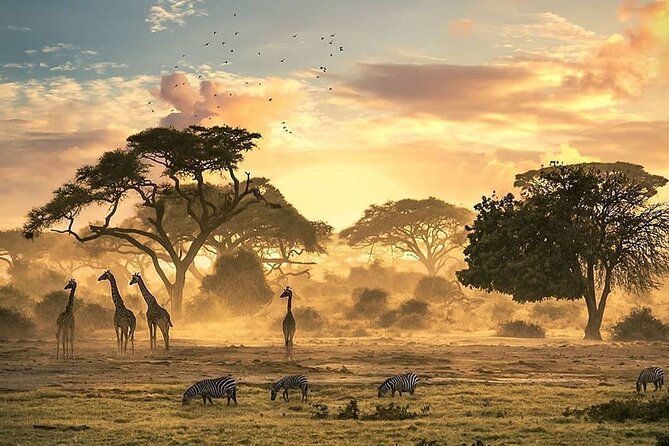
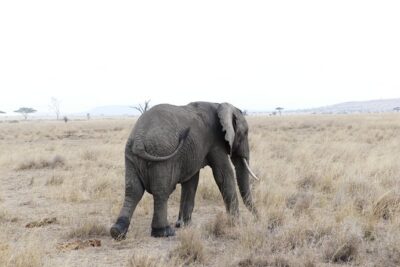
Tarangire covers about 2,800 square kilometers and takes its name from the Tarangire River. That river draws wildlife, especially in the dry season, and the park is especially well known for its large elephant population. The tall baobabs give the park a look you will not get in the Serengeti or Ngorongoro.
You can also look for lions, leopards, zebras, giraffes, and other animals during the full-day game drive. Tree-climbing pythons are one of the more unusual possible sightings. The guide’s skill matters here because animal activity is spread over a large area, and your driver must balance searching with getting you to the evening accommodation.
The day is long. After several hours on the road and inside the park, you drive to Jambo Lodge for dinner and the overnight stay. The description calls this a lodge, while other nights are described as campsites, so ask exactly what kind of room or tent is included on each night.
Day two: crossing into the Serengeti
After breakfast, you travel through the high farmland around Karatu and the Ngorongoro Conservation Area before descending toward the Serengeti. This transfer is not simply dead time. It takes you from cultivated highland country into the broad open plains that define the Serengeti.
The plan is to reach the central Seronera area around lunchtime, then continue with an afternoon game drive until sunset. Seronera is prized for the Seronera River, a water source that attracts a wide range of species. That makes the central area a sensible choice for a short safari because you have a good chance of seeing several kinds of wildlife in one region.
The day lasts about nine hours, much of it in the vehicle. I would keep your expectations realistic. The Serengeti is huge, and the drive between areas can be as important as any single sighting. Still, the first afternoon gives you a proper introduction rather than reducing the park to a quick pass-through.
Day three: a full day among Serengeti wildlife
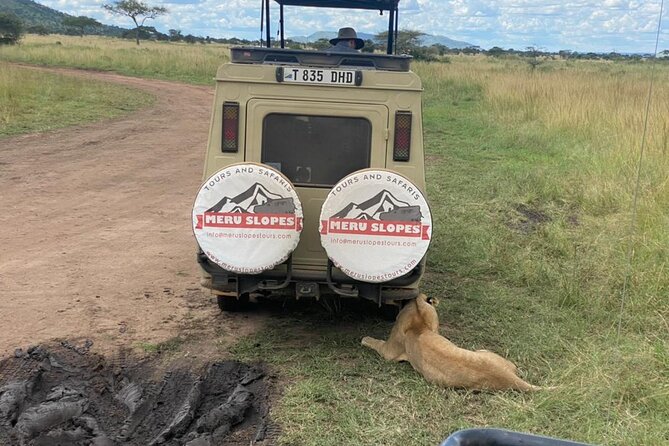
Day three gives you the most time in one park. You begin with breakfast, then spend the day on game drives through key areas of the Serengeti before returning to camp for dinner and the night.
The operator aims to follow the wildebeest migration when conditions allow. The timing matters. June through September is described as the strongest period for migration viewing, while January through March is the main calving period. From July through September, the route may extend toward northern Serengeti for a chance to see wildebeest crossing the Mara River.
That promise needs a sensible reading. Migration is controlled by rain, grazing, and animal movement, so no guide can guarantee a river crossing or a particular herd location. The useful advantage is having a full Serengeti day and a guide who can adjust the route.
The safari also gives you a chance to look beyond the famous wildebeest. Lions, elephants, zebras, giraffes, hippos, and many other species are part of the park’s appeal. Guests have particularly praised guides including Samwel, Douglas, Jacob, and Johnson for staying patient, explaining animal behavior, and finding good viewing opportunities.
More Volcano and Crater Tours in Tanzania
- 4 Days Tarangire Serengeti Ngorongoro Crater
★ 5.0 · 117 reviews - 5 Days Tanzania Group Joining Safari, Tarangire/Serengeti/Ngorongoro Crater
★ 5.0 · 85 reviews - 5 day safari Tarangire Serengeti and Ngorongoro crater
★ 5.0 · 83 reviews - 3 Days Small Group Safari to Serengeti NP and Ngorongoro Crater Tour in Tanzania
★ 5.0 · 77 reviews
Day four: sunrise, more game viewing, and the crater rim
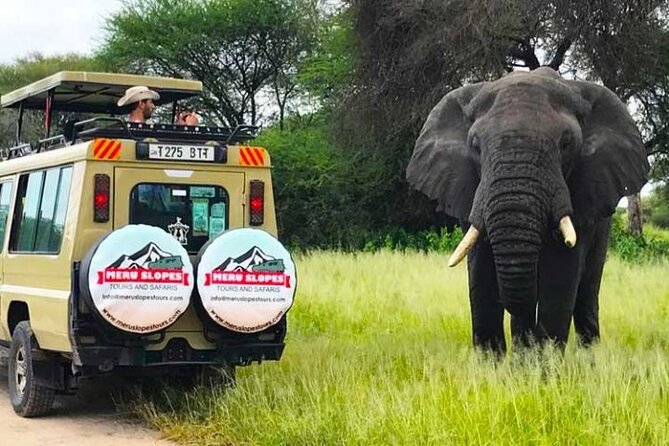
The fourth day starts early, at about 5:45 a.m. You have breakfast and a sunrise game drive in the Serengeti, continuing until about 11:30 a.m. Early morning is a sensible time for wildlife viewing, but it is also the point where the schedule begins to feel demanding.
After the morning drive, you return to camp for a hot lunch and pack your belongings into the safari vehicle. The plan then includes more game viewing while heading toward Ngorongoro Conservation Area and Simba Campsite for dinner and the overnight stay.
This day combines wildlife time with a major transfer. You will see more of the Serengeti, but you should not expect a relaxed afternoon at camp. If you want a slower safari with long pauses and more time at one camp, this route may feel rushed.
The payoff comes at the crater rim. Reaching the Ngorongoro area prepares you for the next morning’s descent, when the scenery changes from open plains to the enclosed world of the crater floor.
Day five: Ngorongoro Crater’s compact wildlife viewing
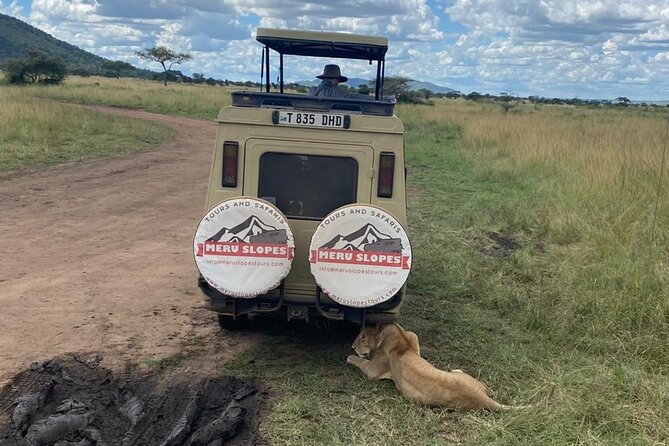
Early risers get the best chance to see the sun over the crater rim. After breakfast, you drive down the steep track into Ngorongoro Crater, a UNESCO World Heritage site and one of Africa’s most famous wildlife settings.
The crater is about 610 meters deep and covers roughly 260 square kilometers. Its enclosed form keeps a large animal population in a relatively concentrated area, which is why it can offer excellent game viewing in a short period. On the crater floor, you may see wildebeest, zebras, gazelles, elephants, and a large range of birds.
The possible black rhino sighting is a special draw, though it is never assured. You may see one through the grass, but it can be distant or hidden. The best approach is to enjoy the crater as a complete setting rather than measure the visit by one rare animal.
After lunch, you ascend the crater walls and continue to Mto wa Mbu. This final park section lasts about eight hours in total, so expect another full day rather than a quick morning outing.
Mto wa Mbu and the human side of the trip
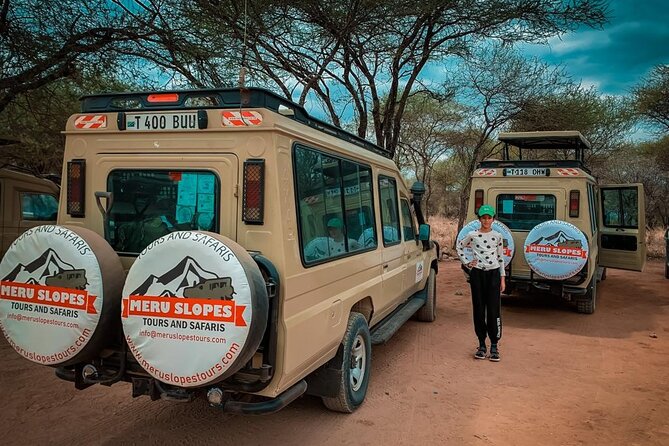
Mto wa Mbu gives the safari a needed change of pace. A local guide leads you through the community and explains social and economic life in the area. The visit includes banana plantations where more than 30 types of bananas are grown.
This is a short stop, listed at about one hour, so it is best understood as an introduction rather than a long cultural program. The title refers to visiting Maasai, but the detailed schedule specifically describes Mto wa Mbu and its village activities. If meeting Maasai families is important to you, ask the operator to confirm exactly what is included.
After the village visit, you return to Arusha for the final overnight stay. The route gives you wildlife, scenery, farming, and local community life in one compact package.
Camping comfort, food, and the people who make it work
Camping is the central practical question. Some guests found the camps clean enough and appreciated the adventure, while others described poor restroom conditions and an unhealthy level of discomfort. Those contrasting experiences suggest that standards can vary between camps and that you should be prepared for simple facilities.
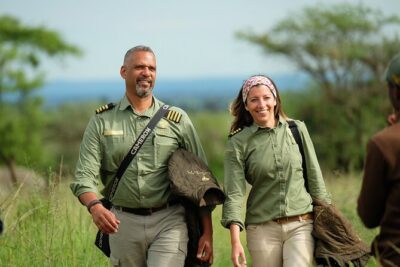
The food is a strong part of the setup. A cook travels with the safari, and Saleem and Johanna are among the cooks praised for making the meals a bright part of the trip. Breakfast, lunch, and dinner are included for all five days, along with drinking water.
The guide and cook often shape the experience more than the printed route. Samwel is praised for patience, animal explanations, and clear communication. Douglas is praised for knowing where to look and explaining what you are seeing. Jacob is associated with strong driving, good organization, and excellent meals from the support team. Johnson is praised for professionalism and for responding well to repeated requests for better animal views.
You may receive a multilingual guide. Ask about your preferred language before departure if this matters to you.
The main drawbacks to consider
The long driving days are the clearest drawback. Days two, three, and four run roughly nine to ten hours, and day one also includes a three-hour transfer before the game drive. Roads and tracks inside the parks can make the ride tiring.
The schedule also leaves little spare time. You move from Tarangire to Serengeti, then from Serengeti to Ngorongoro, and finally back to Arusha. That is excellent for seeing major sights in one trip, but not ideal if you prefer slow mornings or extra time at camp.
The accommodation description needs clarification before you pay. The package includes free accommodation before and after the safari, while the route names Jambo Lodge and Simba Campsite. Since the experience is sold as camping, ask what is tented, what is lodge-based, and what bedding and washroom arrangements are provided.
Finally, Wi-Fi is included inside the safari vehicle, but that does not mean you should expect a constant connection in remote parks. Treat it as a useful extra rather than the reason to book.
Who should book this safari
I would recommend this trip if you want the main northern Tanzania parks in five days, care more about wildlife than luxury, and like having a private guide without paying for a high-end lodge safari. It also suits you if you are happy with early starts, basic camping, and long road transfers.
It is a good fit for friends, couples, and parent-adult child trips. One parent and adult daughter had an especially successful experience with the guide and cook, while another pair appreciated being able to use separate tents by choice. The small group limit gives you some personal space without turning the trip into a costly solo arrangement.
I would think twice if you need dependable comfort, private bathrooms, short driving days, or a slow pace. You should also clarify the Maasai visit, accommodation type, and exact pickup time before booking.
Should you book it?
Book this safari if your priority is seeing Tarangire, Serengeti, and Ngorongoro Crater on a controlled budget. The route is ambitious, and the wildlife potential is excellent. The strongest value comes from the park access, full-board meals, guide service, and included nights before and after the safari.
Do not book it expecting a polished camping resort. Choose it for the elephants under baobabs, sunrise over the crater, wide Serengeti plains, and the chance to work with a guide such as Samwel, Douglas, Jacob, or Johnson. If you can accept basic facilities and long days, this is a compelling five-day introduction to northern Tanzania.
FAQ
Where does the safari begin?
The safari begins in Arusha, Tanzania, with pickup from an Arusha hotel.
How long is the experience?
The safari lasts five days, approximately.
Which national parks and protected areas are included?
The route includes Tarangire National Park, Serengeti National Park, Ngorongoro Conservation Area, and Ngorongoro Crater.
How many people can join the safari?
The maximum group size is six travelers.
Is this a private tour?
Yes. The experience is described as a private tour with a private guide.
Are meals included?
Yes. Breakfast, lunch, and dinner are included for five days.
Is drinking water included?
Yes. Unlimited drinking water is included.
Is Wi-Fi available?
Free Wi-Fi is provided inside the safari vehicle during the tour.
Can I request vegetarian meals?
Yes. A vegetarian option is available if you advise the operator when booking.
Are flights and tips included?
No. Flights and tips are not included in the stated price.
More 5-Day Experiences in Arusha
- serengeti, ngorongoro & tarangire 5days private tour
★ 5.0 · 77 reviews - 5 Days Serengeti Camping Safari
★ 5.0 · 60 reviews - Top Best 5 Days Tanzania Luxury Safari to Serengeti
★ 5.0 · 48 reviews - 5 Day Silver Serengeti & Ngorongoro Crater & Tarangire Safari
★ 5.0 · 46 reviews
Just added around Arusha
- Serengeti & Ngorongoro fly in safari★ 5.0 · 76 reviews
- serengeti, ngorongoro & tarangire 5days private tour★ 5.0 · 77 reviews
- 3 Days Private Safari – manyara, Ngorongoro & Tarangire★ 5.0 · 94 reviews
- 05 Days Tarangire, Serengeti, Ngorongoro and Lake Manyara★ 5.0 · 54 reviews
- day trip tarangire★ 5.0 · 46 reviews
- 5 days safari, hiking & culture (Serengeti & kilimanjaro)★ 5.0 · 27 reviews
- 4 Days Private Safari – Tarangire, Serengeti & Ngorongoro Crater★ 5.0 · 28 reviews
- Tanzania safari with guide in Italian, the great Migration of the Serengeti★ 5.0 · 23 reviews
Arusha National Park Tours, compared.
Balloon Safari & Bush Breakfast in Serengeti – Miracle Experience
Read our review →
3 Days Serengeti & Ngorongoro Group Camping Safari
Read our review →
5-Day Highlights mid-Range Crater, Serengeti, Tarangire
Read our review →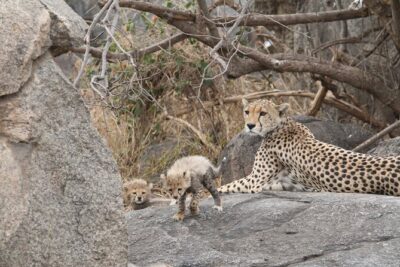
Private 6-Day Tarangire Manyara Crater and Serengeti with Mid-Range Lodges
Read our review →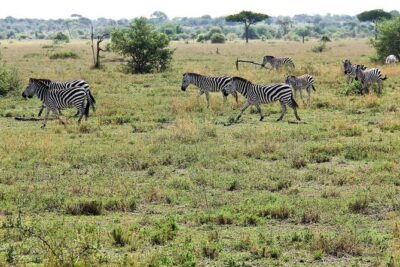
4 Days Join Group tour Tarangire Serengeti and Ngorongoro crater
Read our review →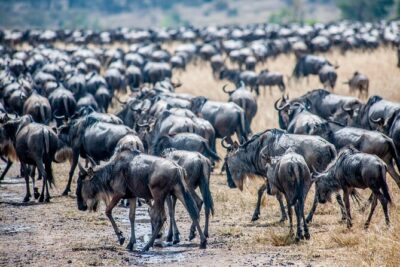
10-Day Serengeti Wildebeest Migration Safari from Arusha
Read our review →