
Review · ARUSHA
03 days Serengeti and Ngorongoro Crater group (camping)
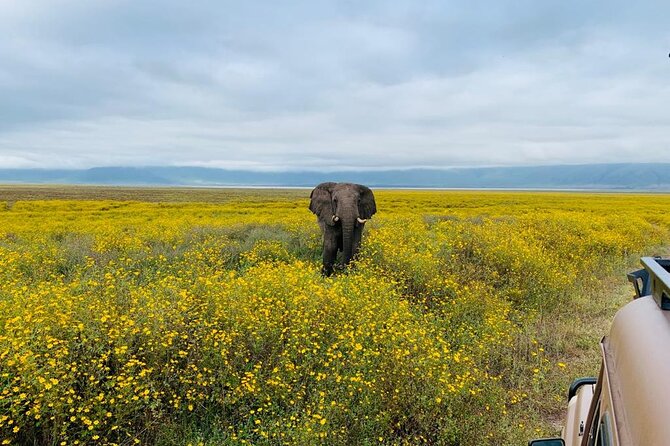
The real prize here is the Serengeti to Ngorongoro route. In three busy days, you move from wide grass plains and big-cat country to the steep-sided bowl of Ngorongoro Crater, with camping at Simba campsite on the crater rim. It is a fast, wildlife-heavy introduction to northern Tanzania.
I like the open-roof 4WD vehicles, which give you a clear view for photographs and animal watching. I also like the practical setup: transport, camping fees, meals, and a guide are bundled together, while past arrangements have included airport transfers and hotel nights before or after the safari.
The trade-off is time. Three days means long drives and early starts, and the Serengeti portion is compressed. The description also calls this a group camping safari, while the activity details say it is private to your party, so confirm the exact arrangement before paying.
Key points to know before you book
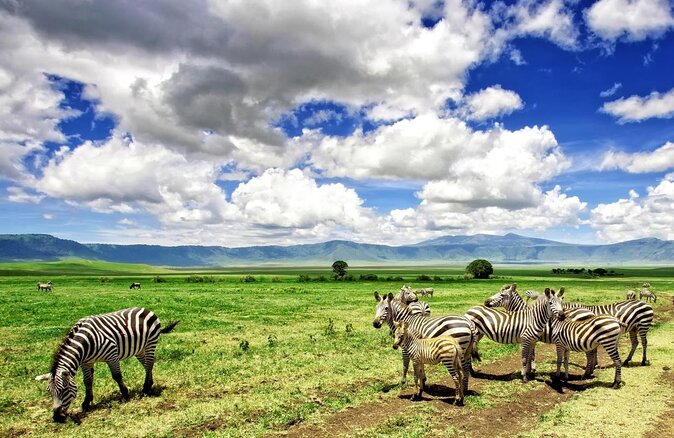
- The Serengeti is the main event: Expect broad plains, granite kopjes, wildebeests, zebras, lions, leopards, and cheetahs.
- Ngorongoro Crater adds wildlife density: The crater floor is one of the best places on this route to look for several major species in a single game drive.
- Camping is part of the value: You spend the night at Simba campsite on the crater edge rather than returning to Arusha.
- The vehicle matters: Transport is by 4WD with a viewing roof, useful for clear sightlines and photography.
- Guides make a difference: Emmanuel, Innocent, and Charles are names associated with careful planning, good explanations, and quick responses.
- This is a packed itinerary: The first two days are listed at about seven hours each, followed by roughly six hours on day three.
Why this three-day safari works
This safari is designed for you if you want Tanzania’s two headline wildlife areas but do not have a week to spare. It skips the slower pace of a longer circuit and puts the Serengeti and Ngorongoro Crater together in one compact trip.
That efficiency has real value. At $815 per person, the price covers the major safari foundations: a qualified driver-guide, 4WD transport with a viewing roof, camping fees, and meals. You are not simply paying for park entry and a vehicle. You are also paying for the planning needed to link two major parks, arrange the overnight stop, and get you back toward Arusha at the end.
Still, this is not a gentle holiday with long afternoons beside a pool. You will spend many hours on the road and in the vehicle. If you want more time in the western Serengeti or several relaxed game drives in each region, choose a longer safari. If your schedule is tight, this route gives you a strong first look.
The operator says the activity is private, meaning only your party should participate, but the product is also described as a group camping safari. That difference matters. Ask how many people will be in the vehicle, whether the $815 price is based on shared transport, and what type of tent or campsite setup is included.
More Volcano and Crater Tours in Arusha
- 5-Day Highlights mid-Range Crater, Serengeti, Tarangire
★ 5.0 · 296 reviews - Private 6-Day Tarangire Manyara Crater and Serengeti with Mid-Range Lodges
★ 5.0 · 238 reviews - 5 Days Camping Tarangire, Serengeti & Ngorongoro crater & Visiting Maasai
★ 5.0 · 229 reviews
Day one: driving into the endless Serengeti
The day begins with a 6:30 a.m. pickup listed at Kilimanjaro Airport, with Arusha given as the main location. The description also says pickup is offered, so confirm the exact pickup point if you are staying in Arusha or arriving at another hotel.
The drive toward Serengeti National Park takes up much of the day. The stated timing is about seven hours, though the actual pace can change with road conditions, park formalities, stops, and animal sightings. This is one reason the early start matters.
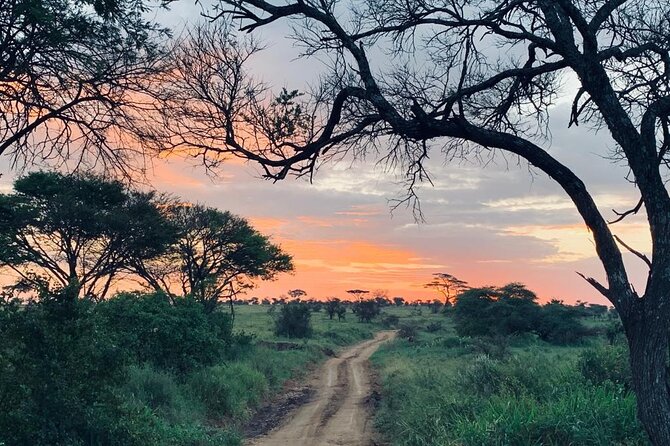
The name Serengeti comes from the Maasai word Siringitu, meaning endless plains. You understand the name quickly. The southern grasslands stretch toward the horizon, broken by kopjes, the weathered granite outcrops that rise from the flat ground.
Kopjes are more than scenic rocks. They provide raised viewpoints and sheltered spaces for wildlife, and they give the otherwise open plains some shape. The open roof of the vehicle lets you look out across this broad setting without a solid roof blocking your view.
The first day is especially appealing if you enjoy big cats. The open plains offer hunting ground for lions, leopards, and cheetahs, though no safari can promise a particular sighting. Your guide’s ability to read animal behavior and use reports from other vehicles can make a real difference.
The wording suggests an afternoon arrival at the destination, followed by camping. Since the itinerary does not spell out the exact first-night campsite, ask where you will sleep on day one and whether the camp is permanent or mobile. That small detail can help you pack properly and set expectations.
Day two: Seronera wildlife and a crater-rim sunset
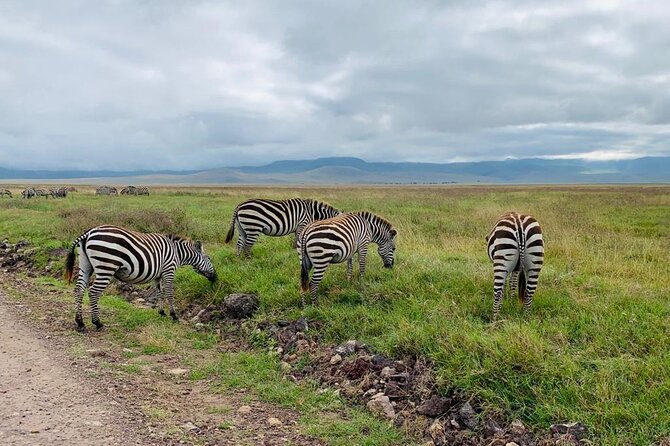
After breakfast, you continue your game drive through the Serengeti. The Seronera Valley is highlighted for its large numbers of wildebeests and zebras, along with regular chances to see lions, leopards, and cheetahs.
This is the day when the safari feels most focused on wildlife watching. Herds give the plains movement, while predators may be nearby. Your guide may spend time scanning the grass, checking rocky areas, and positioning the vehicle for a better view. Patience is useful. Wildlife watching is not a show with a fixed schedule.
Lunch is taken at a picnic site before you drive toward Ngorongoro. That change of setting is one of the pleasures of the route. The Serengeti feels open and horizontal, while the approach to the crater brings higher ground and a dramatic change in viewpoint.
You camp at Simba campsite on the crater edge. The view is a major reason to accept the basic camping style. As the sun drops, you can look across the vast caldera and watch the light change over the crater below.
Do not confuse this with a lodge stay. Camping usually means fewer comforts and less privacy than a mid-range property, and the itinerary does not provide details about tents, beds, showers, or electricity. The value is the setting and the lower-cost access to the route, not hotel-style service.
Some safari arrangements with this operator have also included lodge accommodation or upgraded stays, but that is not the same as this camping package. Confirm the accommodation category in writing if comfort is important to you.
Day three: down into Ngorongoro Crater
You rise early for breakfast and drive down into Ngorongoro Crater. The early start is worthwhile because it gives you more time on the crater floor and places you there during the cooler part of the morning.
Ngorongoro is the world’s largest unbroken caldera, according to the tour description. Its enclosed setting supports an impressive mix of East African wildlife. Grassland and acacia woodland create different habitats within a relatively compact area.
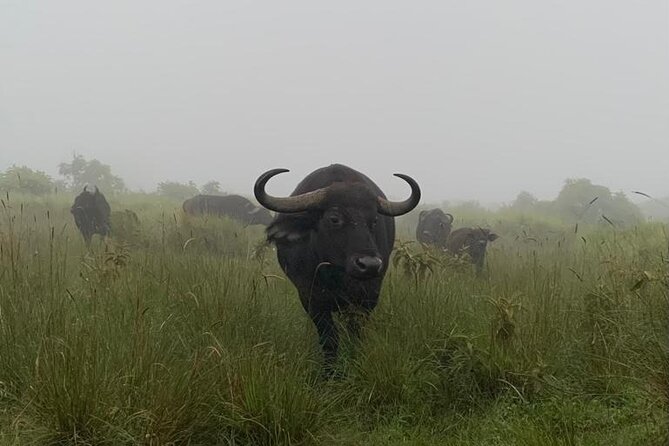
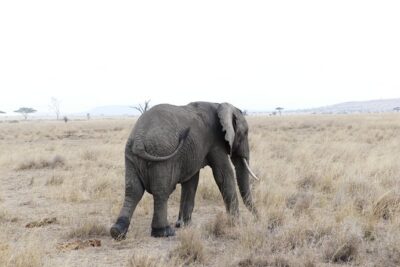
The itinerary says you may find almost all the species typical of the East African savannah here, with topis, giraffes, and impalas listed as exceptions. It also points to the possibility of seeing the Big Five: lion, elephant, buffalo, rhino, and leopard.
That is a strong reason to include Ngorongoro, especially if this is your first safari. The crater can give you a concentrated wildlife day after the wide-open scale of the Serengeti. Still, animal sightings depend on the season, the day, and luck. The right attitude is to value the setting and the search, not only a checklist.
After the crater visit, you drive to a hotel in Arusha for the night. The information also says you may fly home that same night or the next day. Do not schedule a tight international connection without confirming the return time. A crater drive followed by a long road transfer can make for a tiring travel day.
More Volcano and Crater Tours in Tanzania
- 4 Days Join Group tour Tarangire Serengeti and Ngorongoro crater
★ 5.0 · 219 reviews - 4 Days Tarangire Serengeti Ngorongoro Crater
★ 5.0 · 117 reviews - 5 Days Tanzania Group Joining Safari, Tarangire/Serengeti/Ngorongoro Crater
★ 5.0 · 85 reviews - 5 day safari Tarangire Serengeti and Ngorongoro crater
★ 5.0 · 83 reviews
What the guide and vehicle add
A safari vehicle is your viewing platform, dining room on some road sections, and transport between parks. Here, the vehicle is a 4WD with a viewing roof, which is the right basic design for game drives.
The roof allows you to stand or sit with a clearer view of animals and the surrounding plains. It also helps when several people need to look in the same direction. Ask about seating and group size, since the comfort of the vehicle depends partly on how many people share it.
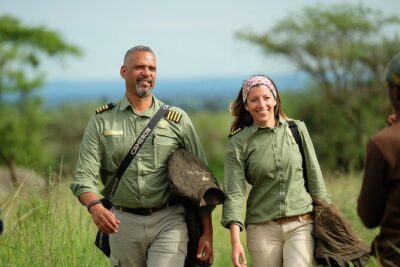
The driver-guide is central to the quality of the trip. Names connected with this operation include Emmanuel, Innocent, and Charles. Emmanuel is associated with trip planning and prompt communication, while Innocent and Charles are praised for professional conduct, wildlife explanations, and animal-spotting efforts.
Those skills matter more than a polished brochure. A good guide explains what you are seeing, watches the road, handles changes, and keeps the day moving. One account describes a flat tire being dealt with quickly, a useful reminder that safari roads can test equipment and patience.
Food is another practical strength of the package. Meals are included, and the available information describes the food as tasty and satisfying. Since the meal details are not fully specified, tell the operator about dietary needs before departure rather than waiting until you arrive.
The camping question: savings, setting, and comfort
Camping keeps the price below many lodge-based safaris and places you closer to the classic safari routine. You wake early, eat breakfast, spend the day outside, and return to a simple camp rather than a full-service hotel.
The best camping moment should be the night at Simba campsite, where the crater view gives the stop a strong sense of place. The drawback is that the exact standard of camping is not clear from the available details. Ask whether tents are provided, what bedding is supplied, whether bathrooms are shared, and how luggage is handled.
You may also see different accommodation descriptions attached to similar trips, including lodges and cabins. That does not mean those upgrades are included here. Treat the $815 rate as a camping price unless the operator confirms something else.
Pack for practical comfort: clothing that works for cool early mornings and warmer daytime hours, sturdy shoes, sun protection, and a small bag for the vehicle. Since the tour includes long drives and an early crater start, keep essentials close rather than buried in large luggage.
Is $815 good value?
The price is fair if you want the two major parks in a short period and are comfortable with camping. It includes the pieces that can quickly become expensive on an independent safari: a 4WD, a qualified driver-guide, park camping fees, and meals.
The value is strongest for a first safari or a short Tanzania visit. You get the Serengeti’s wide plains, the Seronera Valley, an overnight near Ngorongoro, and a crater game drive without arranging each transfer yourself.
The value is weaker if you dislike long road journeys or need guaranteed lodge comfort. A longer safari may offer more relaxed pacing, while a lodge option may suit you better even if it costs more. Ask for the full inclusion list, especially park fees, airport transfers, pre- and post-safari hotels, and the exact camping standard.
The activity is often booked well ahead, with an average booking lead time of 69 days. That suggests you should plan early, particularly if your dates are fixed. Free cancellation is available when you cancel at least 24 hours before the local start time. Changes or cancellations inside that window are not accepted for a refund.
Who should choose this safari?
Choose it if you want:
- A short route covering both the Serengeti and Ngorongoro Crater
- A chance to look for lions, leopards, cheetahs, elephants, buffalo, and rhinos
- Camping rather than a fully lodge-based safari
- Meals and transport arranged in one package
- A private party setup, once confirmed with the operator
- A guide who can explain wildlife and adjust the search during game drives
Think twice if you need:
- A slow schedule with plenty of rest
- Guaranteed Big Five sightings
- Detailed accommodation comforts
- A short final transfer before an international flight
- A clear group size without first checking the booking details
Should you book the Serengeti and Ngorongoro camping safari?
I would choose this trip when time is short and wildlife is the priority. The route is well chosen, the viewing vehicle is practical, and the combination of Serengeti plains with Ngorongoro’s compact wildlife zone gives you two very different safari settings.
Before booking, get three things confirmed: the number of people in the vehicle, the exact camping arrangements, and the timing of the return to Arusha. If those answers suit you, $815 is a sensible price for a tightly planned three-day safari. If you want comfort or a slower pace, spend more on a lodge option or add extra days.
FAQ
Where does the safari start?
The listed meeting point is Kilimanjaro Airport in Tanzania, with a 6:30 a.m. start. Pickup is offered, so confirm the exact collection point if you are staying elsewhere in Arusha.
How long is the safari?
The experience lasts approximately three days. Day one and day two are listed at about seven hours each, while day three is listed at about six hours.
Where do I sleep?
The itinerary includes camping and specifically names Simba campsite on the Ngorongoro Crater edge for the second night. The exact tent, bedding, and bathroom arrangements are not stated, so confirm those details before booking.
Are meals included?
Yes. The package includes all meals, although the available details do not provide a complete meal-by-meal breakdown.
Is the tour private or shared?
The activity details say it is private and limited to your group, while the title describes a group camping safari. Ask the operator to confirm the vehicle arrangement and group size before payment.
Can I fly home on the third day?
The information says you may fly home on the third day at night or on the following day after returning to Arusha. Confirm the actual transfer timing before booking a flight.
Just added around Arusha
- Serengeti & Ngorongoro fly in safari★ 5.0 · 76 reviews
- serengeti, ngorongoro & tarangire 5days private tour★ 5.0 · 77 reviews
- 3 Days Private Safari – manyara, Ngorongoro & Tarangire★ 5.0 · 94 reviews
- 05 Days Tarangire, Serengeti, Ngorongoro and Lake Manyara★ 5.0 · 54 reviews
- day trip tarangire★ 5.0 · 46 reviews
- 5 days safari, hiking & culture (Serengeti & kilimanjaro)★ 5.0 · 27 reviews
- Tanzania safari with guide in Italian, the great Migration of the Serengeti★ 5.0 · 23 reviews
- 4 Days Private Safari – Tarangire, Serengeti & Ngorongoro Crater★ 5.0 · 28 reviews
Arusha National Park Tours, compared.
Balloon Safari & Bush Breakfast in Serengeti – Miracle Experience
Read our review →
3 Days Serengeti & Ngorongoro Group Camping Safari
Read our review →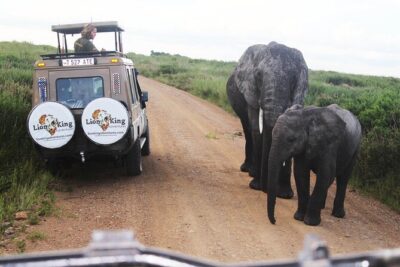
5-Day Highlights mid-Range Crater, Serengeti, Tarangire
Read our review →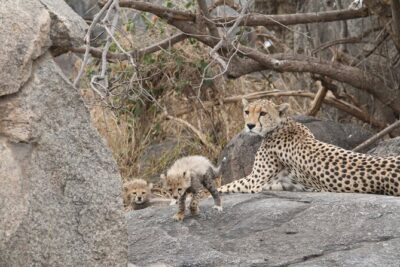
Private 6-Day Tarangire Manyara Crater and Serengeti with Mid-Range Lodges
Read our review →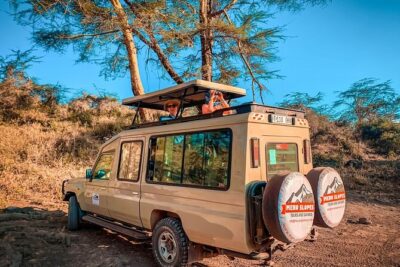
5 Days Camping Tarangire, Serengeti & Ngorongoro crater & Visiting Maasai
Read our review →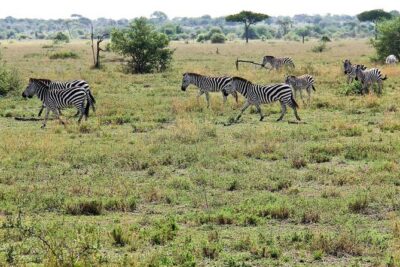
4 Days Join Group tour Tarangire Serengeti and Ngorongoro crater
Read our review →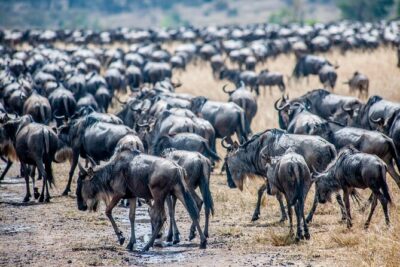
10-Day Serengeti Wildebeest Migration Safari from Arusha
Read our review →Browse the lists this tour appears in