Review · ARUSHA
4 Days Private Safari – Tarangire, Serengeti & Ngorongoro Crater
The best part of this four-day safari is the variety packed into a short trip: elephant country in Tarangire, open Serengeti plains, and a full game drive inside Ngorongoro Crater. I like the chance to see the Big Five and the fact that meals, tents, camping gear, park fees, and hotel pickup are bundled together.
I also like the human side of the route. The Ngorongoro Conservation Area supports both Maasai communities and wildlife, while the guides, including Penda, Joseph, Bakari, and Erasto, have earned strong praise for animal spotting and safe driving. The main caution is the pace: long drives, rough roads, and basic public campsites are part of the deal.
Key points to know before booking
- Three major wildlife areas in four days: Tarangire, Serengeti, and Ngorongoro Crater each offer different scenery and animal viewing.
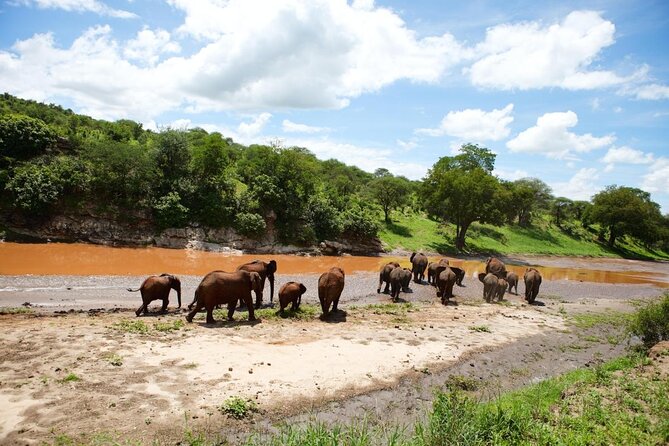
- Tarangire is the elephant specialist: Baobab trees, acacia woodland, and southern swamps draw large herds during the dry season.
- Camping keeps the price practical: You sleep in waterproof two-person tents with mosquito nets at public campsites inside or outside the parks.
- Meals are included: The package provides three breakfasts, four lunches, and three dinners.
- Guide quality matters: Penda, Joseph, Bakari, Erasto, Miraji, and Waldo are among the guides praised for spotting animals, explaining nature, and driving safely.
- Confirm the operating details: The experience is described as private, but some accounts mention shared vehicles or groups of up to 12 people. The listed start time also conflicts with the 8:30 AM hotel pickup.
Three parks, three very different safari moods
This route works because the parks do not feel interchangeable. Tarangire gives you elephants and baobabs. Serengeti gives you distance, open plains, and a strong chance of predator sightings. Ngorongoro gives you concentrated wildlife in a dramatic volcanic setting.
You will spend a fair amount of time in the vehicle. That is unavoidable on a northern Tanzania safari, especially when Serengeti and Ngorongoro are combined in only four days. The reward is that you cover a large sweep of northern Tanzania without arranging separate transfers or meals.
The advertised price is $1,500 per person. That is not a budget day trip, but it includes park fees, taxes, camping equipment, food, transport, and guiding. For a safari, those costs add up quickly. The value is strongest if you want the major northern circuit parks and are comfortable trading lodge comfort for camping.
More Safari Tours in Arusha
- Balloon Safari & Bush Breakfast in Serengeti – Miracle Experience
★ 5.0 · 1,646 reviews - 3 Days Serengeti & Ngorongoro Group Camping Safari
★ 5.0 · 574 reviews - 3-Day Classic Serengeti Safari
★ 5.0 · 263 reviews
Day one: elephants and baobabs in Tarangire
Pickup is described as taking place at your Arusha hotel at 8:30 AM, followed by the drive to Tarangire National Park. The supplied meeting information also gives a start time of 12:30 AM, which clearly needs confirmation before you pay. Ask the operator to state the exact pickup time in writing.
Tarangire is a smart first park because its wildlife feels different from what comes later. The park has acacia woodland, huge baobab trees, and broad swamp areas in the south. During the dry season, the Tarangire River and swamps pull animals toward dependable water.
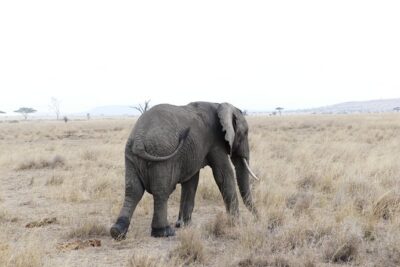
The park is especially known for elephants, and this is where you have one of the best chances to see large herds. The itinerary also points to Greater Kudu, fringed-eared oryx, and Ashy Starlings, three less common species that give the day more interest than a simple Big Five checklist.
You have a full-day game drive with a picnic lunch. That means a long day outdoors, with no return to town for a midday break. The tradeoff is worthwhile if wildlife is your priority, but bring patience. A safari is built around waiting, scanning, and moving slowly when something catches the guide’s eye.
Day two: crossing the highlands into the Serengeti
After breakfast, you travel through the farmland around Karatu and the Ngorongoro Conservation Area before descending toward Serengeti National Park. This transition is one of the memorable parts of the route. Cultivated highlands give way to a much more open setting, and the sense of distance grows as you approach the central Serengeti.
The plan is to reach the Seronera area for lunch and an afternoon game drive. Seronera is known for its river, which provides water and helps draw a wide range of wildlife. The area is also a practical base for seeing many of the Serengeti’s familiar species in one region.
This is your best day for the feeling of classic Serengeti. The plains stretch far into the distance, and the scale can make individual animals look surprisingly small. Your guide’s eyes and experience matter here. Joseph has been praised for safe driving and persistent animal spotting, while Penda and Bakari have been singled out for explaining animals, birds, and plants.
Do not assume that reaching the Serengeti means instant sightings of every famous animal. The Big Five are a goal, not a guarantee. Lions and elephants may be relatively easy to find, while leopards and black rhinos require more luck and careful searching.
The drive from the highlands to central Serengeti also means this is a demanding day. You are combining a transfer with an afternoon game drive, so the schedule favors coverage over long periods of rest.
Day three: one last Serengeti drive and Maasai country
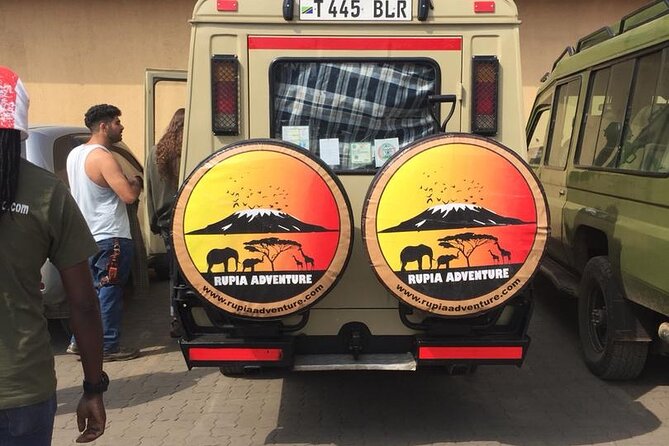
Day three begins with an early breakfast and a final morning game drive in the Serengeti. Early starts are useful because they give you one more chance to see animals before leaving the park and make the most of the limited time.
You then head toward the Ngorongoro Conservation Area, with game viewing along the way and a picnic lunch. This is not simply a road transfer. The route keeps you in wildlife country, so the journey itself can produce sightings.
Ngorongoro is often described as a national park, but it is a special conservation area with a different management model. Maasai people graze cattle in the area alongside wildlife. That matters because the visit is not only about animals and scenery. You are seeing a place where conservation and traditional pastoral life share the same space.
The overnight camping arrangement can be inside or outside the parks, depending on the schedule and campsite allocation. Public campsites are functional rather than luxurious. You will have a waterproof two-person tent, a mosquito net, and camping equipment, but you should not expect the privacy, furniture, or predictable comforts of a lodge.
Camping also changes the rhythm of the safari. You are closer to the outdoors, and meals are part of the experience. The package includes three dinners, four lunches, and three breakfasts, which removes one major daily expense. Tips are not included, so keep money aside for the guide, cook, and other service staff if you feel they have done a good job.
More Safari Tours in Tanzania
- 10-Day Serengeti Wildebeest Migration Safari from Arusha
★ 5.0 · 218 reviews - 4-Day Safari from Arusha: Tarangire, Serengeti and Ngorongoro
★ 5.0 · 173 reviews - 8 Day Spectacular Migration Serengeti mid -Range Tanzania Safari
★ 5.0 · 161 reviews - 7 Days Tanganyika Wilderness Safari
★ 5.0 · 159 reviews
Day four: five hours inside Ngorongoro Crater
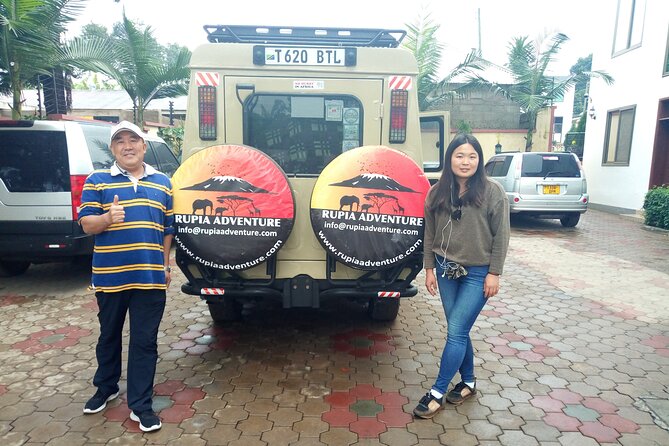
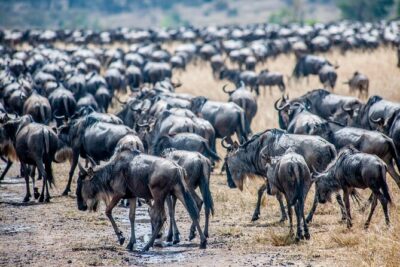
After breakfast, you descend into Ngorongoro Crater for about five hours of game viewing. The crater is the most concentrated wildlife stop on this route. Its water and grazing areas support large numbers of animals, including wildebeest, zebra, buffalo, eland, warthog, hippo, and elephant.
Predators are also a major reason to visit. Lions, hyenas, jackals, cheetahs, and leopards are all listed among the animals found here. The crater also offers one of Tanzania’s last remaining populations of black rhino, although a sighting is never assured.
The crater floor is a strong final day because you can see a wide mix of species without covering the vast distances required in the Serengeti. Five hours is long enough for a serious game drive, though it will pass quickly if the animals are active and your vehicle spends time at several sightings.
You eat a picnic lunch on the crater floor before the late drive back to Arusha. This is a full final day, not a relaxed checkout morning. If you have a flight or another fixed appointment, leave plenty of extra time and confirm the expected arrival time with the operator.
What the camping arrangement really means
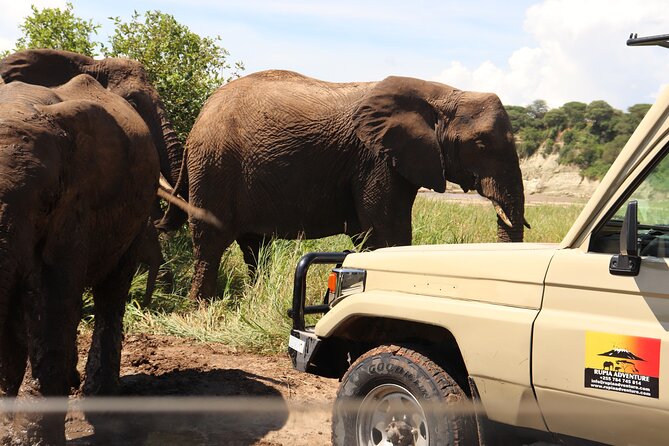
The accommodation is based on waterproof two-person tents with mosquito nets. Camping equipment is included, and campsites may be located inside or outside the parks. This is a practical setup for keeping the safari moving and the cost below a lodge-based itinerary.
The phrase public campsite is important. You should choose this trip for the parks and the outdoor setting, not for hotel-style comfort. The supplied accounts also show that lodge upgrades may be possible for an extra fee. One person specifically chose the lodge option after booking and considered it a worthwhile change.
If you sleep lightly or dislike basic facilities, ask about the exact campsite arrangements before booking. The listing does not specify bathrooms, showers, electricity, bedding thickness, or how meals are prepared. Those details can make a major difference after a long day on rough roads.
Guides, vehicles, and the details that shape the trip
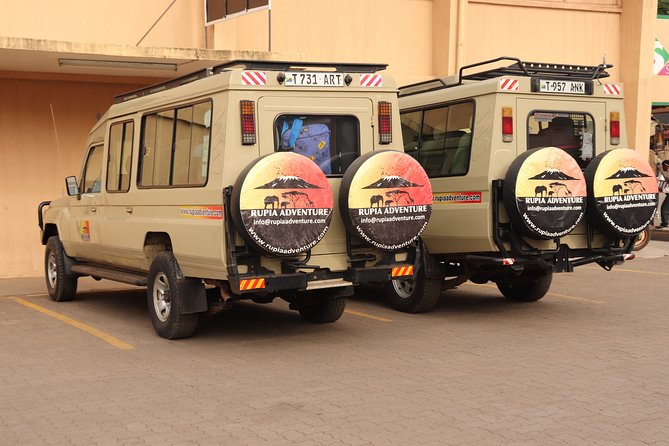
A safari guide does more than drive. The guide decides where to pause, explains animal behavior, watches for small species, and helps you understand the plants and terrain. Names associated with strong praise for this safari include Penda, Joseph, Bakari, Erasto, Miraji, Mirage, and Waldo.
The most consistent strengths are safe driving, animal spotting, and explanations of wildlife and birds. Some accounts also praise the cooks, particularly David, for preparing fresh and enjoyable meals during the camping trip. These details matter because you spend most of the four days with the guide and cook.
There is one serious note of caution. A negative account describes a vehicle in poor condition that stopped several times, along with weak logistics. That does not prove every departure has the same problem, but it is enough reason to ask about the vehicle before you go. Confirm that it is a safari vehicle suited to rough park roads, and ask what happens if there is a mechanical problem.
The package is called private, and the booking information says only your group will participate. At the same time, some accounts describe a group of 12 using two vehicles, or another couple joining after the first day. If you are paying for a private safari, get the group size and vehicle arrangement in writing. This is one of the most important points to settle before booking.
How much value do you get for $1,500?
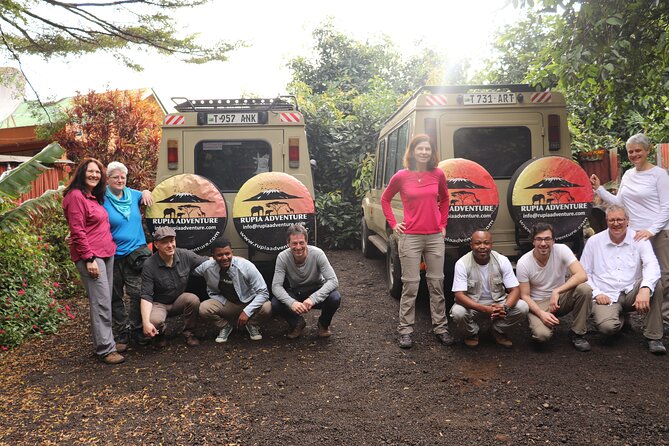
At $1,500 per person, the price needs to be judged against what is included. You receive transport from Arusha, park fees and taxes, a guide, camping equipment, three breakfasts, four lunches, three dinners, and access to three of northern Tanzania’s best-known wildlife areas.
A lodge safari would normally cost more, and a lodge upgrade may require an additional payment. Camping is the reason this trip can cover Tarangire, Serengeti, and Ngorongoro within a four-day budget. You are paying for access and logistics, not polished accommodation.
The value is best for someone who wants a concentrated first safari and accepts long drives and simple nights. If you want slow mornings, private lodge rooms, or more time in one park, this itinerary may feel rushed. The Serengeti alone can justify several days, but this route gives you a broad first look at northern Tanzania.
Tips are excluded. The amount is not specified, so ask the operator what is customary rather than guessing. Also confirm the exact accommodation style, group size, vehicle, and pickup time before treating the $1,500 price as final for your preferred version of the trip.
Who should book this safari?
I would consider this trip if you want the major northern circuit highlights in four days, especially if this is your first visit to Tanzania. It suits people who care more about wildlife and range than sleeping in a lodge every night.
It is also a good match for photographers and animal enthusiasts who want several different settings. Tarangire offers elephant herds and baobabs, central Serengeti offers broad plains and predator potential, and Ngorongoro offers dense wildlife viewing in a contained area.
I would be more cautious if you need a predictable schedule, have limited tolerance for bumpy roads, or expect a fully private departure with no possibility of shared arrangements. The negative vehicle account and the mixed descriptions of group size make advance questions essential.
The cancellation terms are fairly clear: cancel at least three full days before the local start time for a full refund. Later cancellations and changes are not refunded or accepted. Poor weather or failure to reach the minimum number of participants can lead to a different date or a full refund.
Should you book the Tarangire, Serengeti, and Ngorongoro route?
Book it if you want three major wildlife areas, camping, included meals, and a strong chance of seeing many species without building the trip yourself. The combination is excellent for a short safari, and the guides named in the supplied accounts receive especially strong praise for driving, spotting, and explaining what you see.
Before paying, clarify four things: the 8:30 AM pickup versus the 12:30 AM start time, the exact group size, the vehicle condition, and the campsite or lodge arrangement. If those answers suit you, this is a practical and wildlife-heavy introduction to northern Tanzania.
FAQ
How long is the safari?
The safari lasts approximately four days.
Which parks and conservation areas are included?
The route includes Tarangire National Park, Serengeti National Park, and the Ngorongoro Conservation Area, including a game drive inside Ngorongoro Crater.
How much does the safari cost?
The listed price is $1,500 per person.
Is hotel pickup available?
Yes. Pickup from your hotel in Arusha is offered. The itinerary gives an 8:30 AM pickup time, while the meeting information lists 12:30 AM, so confirm the correct time before departure.
Is this a private safari?
The activity is described as private, with only your group participating. Some arrangements described for this experience include shared vehicles or larger groups, so confirm the exact setup when booking.
What type of accommodation is provided?
The standard accommodation uses waterproof two-person tents with mosquito nets. Public campsites may be located inside or outside the parks.
Are meals included?
Yes. The package includes three breakfasts, four lunches, and three dinners.
Are park fees and taxes included?
Yes. All fees and taxes are included.
Are tips included?
No. Tips are not included in the listed price.
What is the cancellation policy?
You can receive a full refund if you cancel at least three full days before the experience start time. Later cancellations and changes are not accepted or refunded. If poor weather or an insufficient number of participants causes cancellation, you will be offered another date or a full refund.
More Volcano and Crater Tours in Tanzania
- 4 Days Tarangire Serengeti Ngorongoro Crater
★ 5.0 · 117 reviews - 5 Days Tanzania Group Joining Safari, Tarangire/Serengeti/Ngorongoro Crater
★ 5.0 · 85 reviews - 5 day safari Tarangire Serengeti and Ngorongoro crater
★ 5.0 · 83 reviews - 3 Days Small Group Safari to Serengeti NP and Ngorongoro Crater Tour in Tanzania
★ 5.0 · 77 reviews
More Volcano and Crater Tours in Arusha
- 5-Day Highlights mid-Range Crater, Serengeti, Tarangire
★ 5.0 · 296 reviews - Private 6-Day Tarangire Manyara Crater and Serengeti with Mid-Range Lodges
★ 5.0 · 238 reviews - 5 Days Camping Tarangire, Serengeti & Ngorongoro crater & Visiting Maasai
★ 5.0 · 229 reviews - 4 Days Join Group tour Tarangire Serengeti and Ngorongoro crater
★ 5.0 · 219 reviews
Just added around Arusha
- Serengeti & Ngorongoro fly in safari★ 5.0 · 76 reviews
- serengeti, ngorongoro & tarangire 5days private tour★ 5.0 · 77 reviews
- 3 Days Private Safari – manyara, Ngorongoro & Tarangire★ 5.0 · 94 reviews
- 05 Days Tarangire, Serengeti, Ngorongoro and Lake Manyara★ 5.0 · 54 reviews
- day trip tarangire★ 5.0 · 46 reviews
- 5 days safari, hiking & culture (Serengeti & kilimanjaro)★ 5.0 · 27 reviews
- Tanzania safari with guide in Italian, the great Migration of the Serengeti★ 5.0 · 23 reviews
- 03 days Serengeti and Ngorongoro Crater group (camping)★ 5.0 · 75 reviews
Arusha National Park Tours, compared.
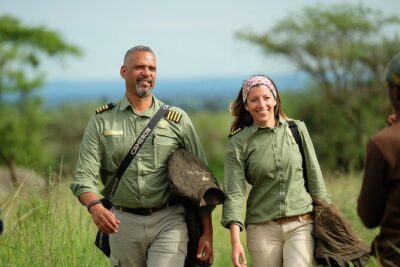
Balloon Safari & Bush Breakfast in Serengeti – Miracle Experience
Read our review →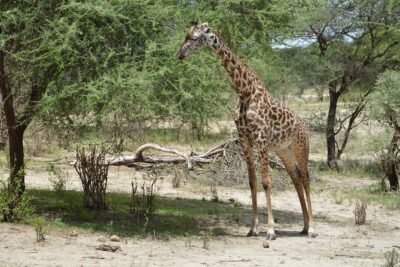
3 Days Serengeti & Ngorongoro Group Camping Safari
Read our review →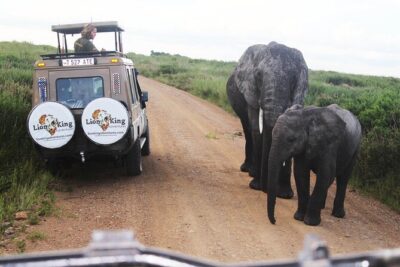
5-Day Highlights mid-Range Crater, Serengeti, Tarangire
Read our review →
Private 6-Day Tarangire Manyara Crater and Serengeti with Mid-Range Lodges
Read our review →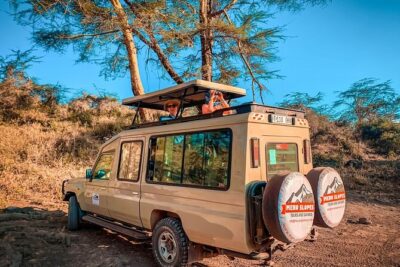
5 Days Camping Tarangire, Serengeti & Ngorongoro crater & Visiting Maasai
Read our review →
4 Days Join Group tour Tarangire Serengeti and Ngorongoro crater
Read our review →