
Review · MOSHI
Safari Serengeti And Ngorongoro
The real prize here is the pairing of two of Tanzania’s great wildlife areas in one compact trip. You get two full game-drive days in Serengeti National Park, followed by a day inside Ngorongoro Crater, where animals gather in remarkable numbers. This is the classic Northern Circuit route, with lions, elephants, giraffes, cheetahs, leopards, and a chance at the full Big Five.
I like the way the trip includes a night in Karatu at both ends. That breaks up the long road journey and gives you a chance to stop at local markets, rather than rushing from airport to park and back again. I also like that this is a private tour, so your group travels together instead of sharing the vehicle with strangers.
The main drawback is the pace. Five days is enough for a strong first safari, but not a leisurely one, and several days run close to 10 hours. The price is also substantial at $2,845 per person. Still, with meals, four nights of breakfast, five dinners, three lunches, safari transport, and air-medical evacuation coverage included, it offers a useful all-in-one package for a short Tanzania visit.
Key points to know before booking
- Two full days in Serengeti: You get more than a quick pass through the park, with game drives spread across Days 2 and 3.
- Ngorongoro Crater on Day 4: The crater floor is the trip’s most concentrated wildlife stop and includes a picnic lunch.
- Private vehicle for your group: You do not share the activity with other groups, which gives you more control over stops and timing.
- Karatu adds a local pause: The village markets offer a look at everyday life outside the parks, if your schedule allows.
- Guide quality matters: Guides named by past customers include Thomas, Maulidi, Emanuel, Daudi, Isaac, Semle, Richard, and Evarest.
- Most meals are covered: Breakfast, lunch, and dinner are included in the stated quantities, with dietary needs accommodated.
Why Serengeti and Ngorongoro work so well together
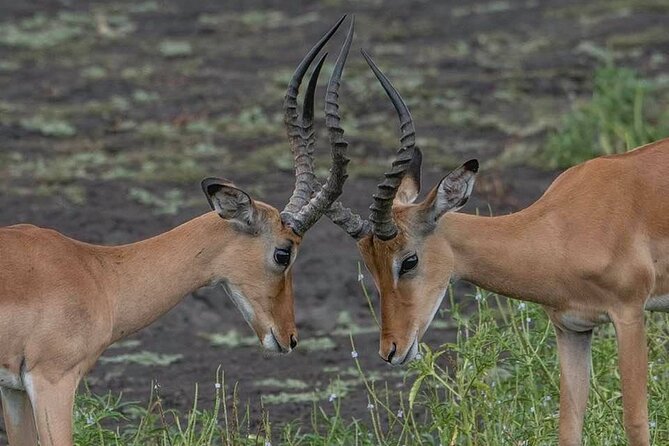
Serengeti and Ngorongoro offer two different kinds of safari. Serengeti gives you scale. It covers more than 15,000 square kilometers of open savannah, so the feeling is spacious and wild. Ngorongoro gives you concentration. The crater is much smaller, but its enclosed setting supports a high density of animals.
That contrast makes this route a smart choice for a first visit. In Serengeti, you might spend time scanning the open ground for a distant cat, a herd, or a moving line of animals. In Ngorongoro, you are more likely to see several species in a shorter area, although wildlife sightings can never be fully controlled.
The route also gives you a taste of local life. Karatu is not simply a place to sleep between parks. If time permits, you can stop at local markets and meet people from the area. That small cultural moment helps balance the wildlife focus of the trip.
More Safari Tours in Tanzania
- Serengeti Balloon Safari and authentic bush breakfast
★ 5.0 · 2,480 reviews - Balloon Safari & Bush Breakfast in Serengeti – Miracle Experience
★ 5.0 · 1,646 reviews - From Zanzibar: Mikumi Safari Day Trip with Flights and Meal
★ 4.7 · 1,470 reviews
Day 1: Kilimanjaro Airport to Karatu
The tour begins at 8:00 a.m. at Mount Kilimanjaro or Kilimanjaro Airport. From there, you transfer to Karatu for the night. The listed transfer takes about two hours, though the exact travel time can depend on your arrival arrangements and road conditions.
Karatu is a practical base for the Northern Circuit. It places you near the Ngorongoro Conservation Area and gives you a quieter first evening than heading straight into a park. You can relax at the lodge, or, if your timing works, stop at the local markets.
This first day is intentionally light. That is helpful after an international flight, especially if you have already spent hours in transit. The tradeoff is that the tour does not offer a major sightseeing stop on Day 1. You are mainly getting into position for the safari ahead.
The accommodation is described as a lodge, but the specific property is not named in the details provided. Ask for the lodge names before you pay if room style, location, or comfort level matters to you. Some past customers praised their accommodation and the courtesy of lodge staff, but standards can vary by property.
Day 2: Crossing the highlands into Serengeti
After breakfast, you leave Karatu and enter the Ngorongoro Conservation Area. The road crosses the Ngorongoro Highlands before reaching the Serengeti gate. This is not just a transfer between two parks. It is the first major change in scenery and a useful introduction to how closely conservation, pastoral life, and wildlife exist side by side in this part of Tanzania.
Once you reach the Serengeti gate, the game drive begins. The day is scheduled for about 10 hours, so you should expect a full day in the vehicle. That is a lot of time, but it gives your guide room to search for animals rather than turning the park into a quick drive-through.
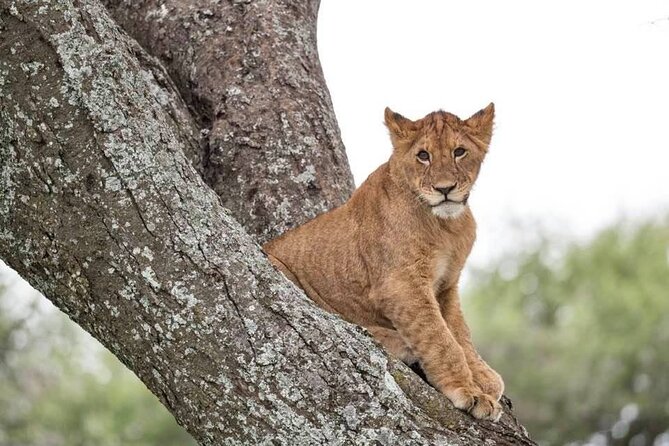
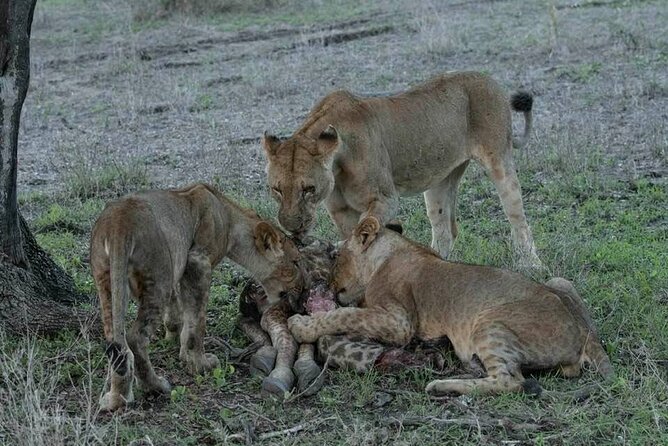
Serengeti is famous for its lions, leopards, cheetahs, giraffes, and elephants. The scale is part of the experience. You may see animals close to the vehicle, but you may also spend time watching the open savannah for movement or following a promising sighting.
The guide can make a major difference here. Names associated with this company include Maulidi, Thomas, Emanuel, Daudi, Isaac, Semle, Richard, and Evarest. Do not assume that you will receive a particular guide unless the company confirms it, but you can request one when booking. The strongest praise has focused on guides who combine animal-spotting skill, careful driving, enthusiasm, and a willingness to search for the Big Five.
Lunch is included, along with dinner. Ask in advance how meals are handled on game-drive days and explain any dietary requirements before departure. The tour states that meals can be catered to your needs, which is reassuring on a long day away from the lodge.
Day 3: A second full day in Serengeti
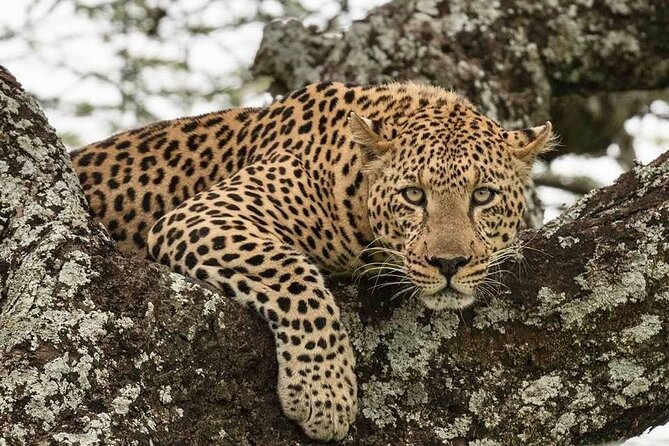
The third day keeps you inside Serengeti for another game drive after breakfast. This is one of the best features of the itinerary. A single day in a large park can feel rushed, especially when you are hoping to see specific animals. A second day gives you another chance to find predators, elephants, giraffes, and other wildlife.
It also allows your guide to adjust the plan. If the first day produces a strong sighting in one area, you may spend more time there. If you are still hoping to see a leopard, cheetah, or another member of the Big Five, the extra day gives you a better chance than a one-day visit would.
The wildlife goal is clearly ambitious. Several past customers described seeing all five of the traditional Big Five: lion, leopard, elephant, buffalo, and rhinoceros. That is possible on this route, but it is not something any safari company can promise on every departure. The right approach is to enjoy the full range of animals, from large herds to small details, rather than judging the trip only by a checklist.
Again, expect roughly 10 hours in the vehicle. That means early starts, long stretches of sitting, and dusty or uneven roads. You should be comfortable with a day built around patience. The reward is that the best sightings often come after time spent watching and waiting.
Breakfast, lunch, and dinner are included for the relevant days. Since the itinerary does not spell out the exact camp or lodge for Serengeti, request the accommodation plan before booking. This will help you understand how much driving is involved at the beginning and end of each game-drive day.
Same park country, a different day out:
- From Zanzibar: Day Selous Game Reserve Safari with Flights
★ 4.7 · 1,025 reviews - 3 Days Serengeti & Ngorongoro Group Camping Safari
★ 5.0 · 574 reviews - 5-Day Highlights mid-Range Crater, Serengeti, Tarangire
★ 5.0 · 296 reviews - 3-Day Classic Serengeti Safari
★ 5.0 · 263 reviews
Day 4: Inside Ngorongoro Crater
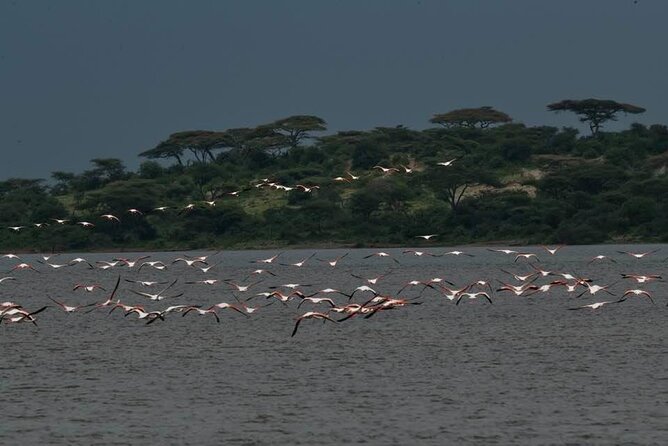
After breakfast, you drive back toward the Ngorongoro Conservation Area and descend into Ngorongoro Crater for a game drive. The day is again scheduled for about 10 hours, with a picnic lunch included.
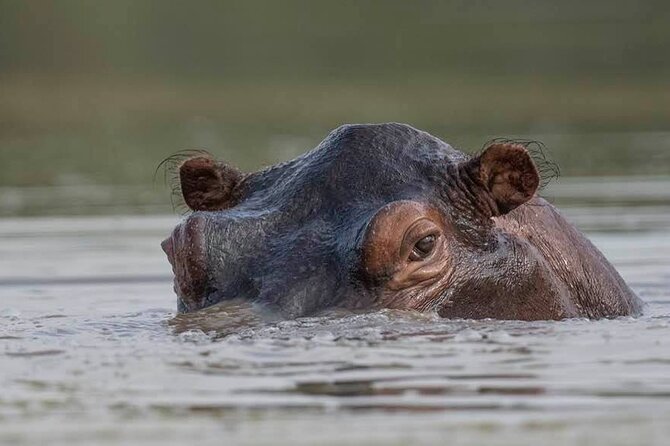
Ngorongoro is the emotional high point for many people on this route. The crater is the world’s largest caldera, and its enclosed setting supports a high concentration of wildlife. Elephants are a major attraction, and you may also look for lions, buffalo, rhinoceros, hippos, and other animals in the crater floor.
The Conservation Area is also important because Maasai communities and their livestock live alongside wild animals. That makes this more than a wildlife stop. You are seeing a working conservation area where human life remains part of the setting.
The crater day is efficient, but it may feel busy. Many safari vehicles can be present around popular sightings, and the schedule leaves little spare time for an unplanned stop. The benefit is the strong chance of seeing several species in one day. The cost is less solitude than you might find in a more remote or longer safari.
A picnic lunch keeps the day moving and means you do not need to return to the lodge midday. Admission is listed as included for this stop. Pack patience and keep your expectations flexible. Even in a place famous for dense wildlife, animals move on their own timetable.
Day 5: Returning through Karatu
After breakfast, you can relax at the lodge or shop in town if time allows. You then transfer to Arusha or Kilimanjaro Airport. The listed final transfer takes about two hours.
This is a useful ending for a short itinerary because it leaves room for a slow morning instead of forcing one final long game drive. It also gives you a last chance to buy something in Karatu, though the amount of free time depends on your onward transport.
The meeting information says the activity begins at Mount Kilimanjaro and ends back at the meeting point, while the Day 5 plan also mentions Arusha or Kilimanjaro Airport. Confirm your exact drop-off point before booking flights. That small detail matters when you are connecting to an international departure.
What the $2,845 price includes
At $2,845 per person, this is not a budget safari. The value depends on how much you want arranged in one package and how many people are in your private group.
The price includes breakfast four times, lunch three times, and dinner five times. It also includes AMREF Flying Doctors insurance for air medical evacuation within a 500-kilometer radius. That coverage is a useful safety measure, but it is not a substitute for regular travel insurance, which you may still need for medical care, cancellation, baggage, or international flights.
International flights are not included. The details also do not name the lodges, spell out every park fee, or describe the exact safari vehicle. Those are important questions to ask before paying $2,845. You should also ask how the private-group price changes with two, four, or more people, since group discounts are available.
The strongest value comes from convenience and concentrated wildlife time. You are not piecing together airport transfers, meals, park transport, and lodge nights on your own. You also avoid sharing the tour with another group. If you already have accommodation and transport arranged, a shorter custom plan might be better value. If you want a single company to handle the main moving parts, this package makes more sense.
The guide can shape the whole safari
On a safari, the guide is not just a driver. The guide decides where to look, how long to wait, and how to position the vehicle without disturbing the animals. Past praise has repeatedly centered on guides such as Thomas, known as Uncle T, along with Maulidi, Emanuel, Daudi, Isaac, Semle, Richard, and Evarest.
The qualities you want are clear: sharp animal-spotting, good local understanding, safe driving, patience, and a friendly manner. One guide may be excellent at finding predators. Another may be especially good at explaining the setting or managing a family group.
Because this is a private activity, you can discuss your priorities before departure. Tell the company if you care most about photography, the Big Five, birds, shorter driving days, or family comfort. The itinerary is fixed in its main shape, but a private group should have more room for conversation than a large shared departure.
Who should book this five-day safari
I would recommend this trip to a first-time safari visitor who wants Serengeti and Ngorongoro without committing to a much longer circuit. It also suits couples, families, and small private groups who value a dedicated vehicle and included meals.
Families should note the long game-drive days. The activity says most people can participate, but it does not give a specific minimum age or detailed mobility guidance. If someone in your group has health or mobility concerns, ask the company for practical advice before booking.
This is less suited to anyone who wants a slow, lodge-heavy holiday. Two days are scheduled at about 10 hours each, and the crater day is similar. You will spend a lot of time in the vehicle. That is normal for a Northern Circuit safari, but it should match your idea of a good holiday.
The tour may also work well before or after a Kilimanjaro climb, since the pickup point is at Mount Kilimanjaro and the route connects with Arusha. Still, allow enough recovery time if you are combining it with a demanding trek.
Booking advice and the final call
I would book this safari if your main goal is to see the classic Northern Circuit in a compact five-day package. Two Serengeti days are a real strength, and the Ngorongoro crater adds a different kind of wildlife experience. The private format, included meals, local market option, and emergency air-medical coverage add practical value.
Before paying, confirm four things: the assigned guide, the exact lodges, what park and concession fees are included, and your final airport or Arusha transfer. Also remember that the booking is non-refundable and cannot be changed for any reason.
Choose it if you want a focused wildlife trip and can accept long driving days. Skip it if you need a relaxed schedule, guaranteed access to a particular guide, or flexible cancellation terms. For the right person, this is a strong first look at Tanzania’s most famous safari country.
FAQ
Where does the safari begin?
The meeting point is Mount Kilimanjaro or Kilimanjaro Airport in Tanzania, with a listed start time of 8:00 a.m.
How long does the tour last?
The safari lasts approximately five days.
Which parks and conservation areas are included?
The route includes Serengeti National Park, Ngorongoro Crater, and travel through the Ngorongoro Conservation Area.
Is this a private tour?
Yes. Only your group participates in the activity, and the tour offers group discounts.
Are meals included?
Yes. The package includes four breakfasts, three lunches, and five dinners. Meals can be arranged around dietary requirements.
Are international flights included?
No. International flights are not included in the price.
What happens if I cancel?
The experience is non-refundable and cannot be changed for any reason. If you cancel or request an amendment, the amount paid will not be refunded.
Just added around Tanzania
- Serengeti & Ngorongoro fly in safari★ 5.0 · 76 reviews
- serengeti, ngorongoro & tarangire 5days private tour★ 5.0 · 77 reviews
- 3 Days Private Safari – manyara, Ngorongoro & Tarangire★ 5.0 · 94 reviews
- 05 Days Tarangire, Serengeti, Ngorongoro and Lake Manyara★ 5.0 · 54 reviews
- day trip tarangire★ 5.0 · 46 reviews
- 5 days safari, hiking & culture (Serengeti & kilimanjaro)★ 5.0 · 27 reviews
- Tanzania safari with guide in Italian, the great Migration of the Serengeti★ 5.0 · 23 reviews
- 03 days Serengeti and Ngorongoro Crater group (camping)★ 5.0 · 75 reviews
Moshi National Park Tours, compared.
Serengeti, Ngorongoro and Tarangire 4 Days Safari
Read our review →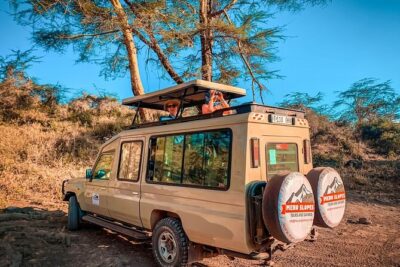
5 Days Camping Tarangire, Serengeti & Ngorongoro crater & Visiting Maasai
Read our review →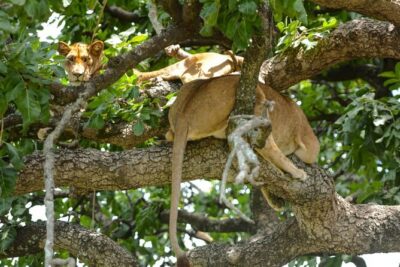
4 Days Group Joining Camping Safari to Tarangire Serengeti Ngorongoro Crater
Read our review →Browse the lists this tour appears in