
Review · JACKSON
Half Day Grand Teton Wildlife Safari Tour
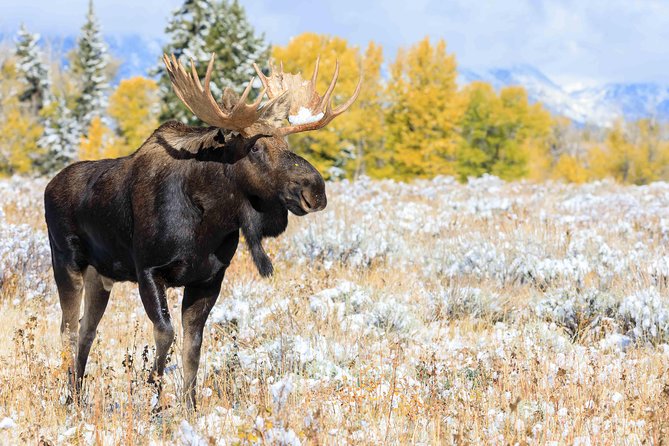
The best part of this safari is its flexibility. Instead of following one fixed loop, your guide checks current wildlife activity, road conditions, weather, and your group’s interests. That can mean moose near Jackson, bison on Antelope Flats, bighorn sheep near the National Elk Refuge, or a scenic stretch of Grand Teton National Park.
I like the eight-person limit, which keeps the van from feeling like a herd of tourists and gives you a better chance to ask questions. I also like the serious viewing gear, with UHD binoculars and spotting scopes available in the vehicle. The main drawback is simple: wildlife is wild, and a four-hour outing cannot promise every animal on your wish list.
Key points to know before booking
- Four hours with a naturalist guide: Expect wildlife knowledge mixed with stories about Jackson Hole, geology, local history, and animal behavior.
- Routes change by season: Grand Teton National Park, the National Elk Refuge, Antelope Flats, and Moose Wilson Road are possible areas, not guaranteed stops.
- Small vehicle, maximum eight people: The group size makes it easier to see through scopes and talk with your guide.
- Pickup and drop-off are included: Service covers hotels, condos, and private residences in Jackson and Teton Village.
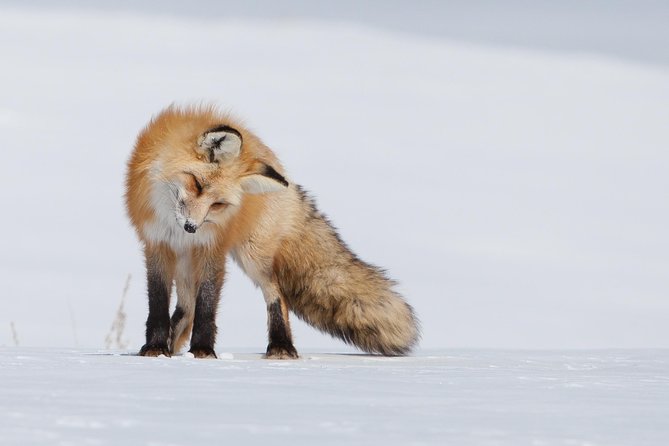
- Winter can be excellent: Guests have seen moose, elk, bison, foxes, coyotes, bald eagles, and bighorn sheep even when snow or road closures limit access.
- Bring more food if you need a full breakfast: Morning tours include a light breakfast, but the supplied food is closer to snacks than a large meal.
Why a half-day safari works well in Jackson Hole
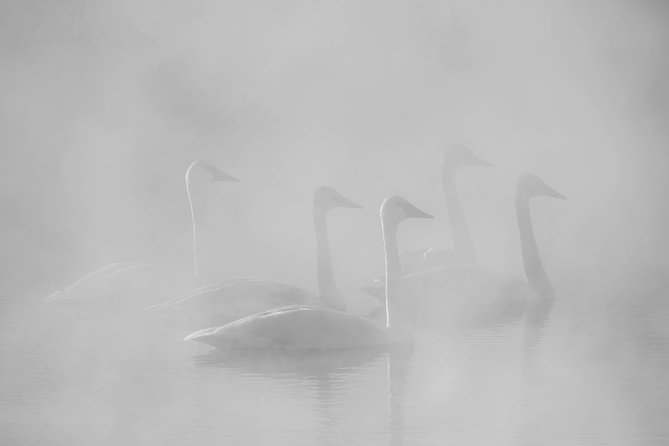
Jackson Hole offers a rare mix of open country, mountain views, and accessible wildlife habitat. You do not need a multi-day expedition to get a useful introduction. In about four hours, you can cover several areas that would be difficult to connect on your own, while learning what you are looking at instead of simply pointing a camera out the window.
The guide is the real engine of the experience. Guides such as Kayla, Corey, Jeffrey, Dave, Barry, Scott, and Lee Ramella have been praised for explaining animal habits, local geography, Jackson’s past, and the natural forces that shaped the area. That matters because a distant dark shape through binoculars becomes far more interesting when you understand why the animal is there and what it is doing.
I also appreciate the relaxed pace. The tour is not built around rushing from one photo stop to the next. Guides may pause to watch an animal move, cross behind a vehicle, graze, or disappear into cover. Several guides also help you record video through the spotting scope, a useful touch when your phone camera cannot handle the distance.
The tradeoff is that the route remains flexible for good reason. You may not visit every place listed in the possible itinerary. A road can be closed, weather can change visibility, or animals may have shifted to another part of the valley. That uncertainty is part of wildlife watching, but it is worth understanding before you pay for the trip.
More Safari Tours in Jackson
- Grand Teton Wildlife Safari in a Enclosed or Open-Air Vehicle (season dependent)
★ 5.0 · 1,212 reviews - Half-Day Wildlife Safari Tour in Grand Teton National Park
★ 5.0 · 341 reviews - Best of Yellowstone – Guided National Park Safari Tour
★ 5.0 · 178 reviews
Morning pickup or afternoon wildlife search
You can choose a sunrise departure or a sunset departure, depending on availability and your plans. Morning pickup begins around 7:00 a.m. from Teton Village, 7:15 a.m. from the Aspens, Amangani, and Spring Creek areas, and 7:30 a.m. from hotels and residences in Jackson.
Afternoon pickup is usually around 1:00 p.m. from Teton Village, 1:15 p.m. from the Aspens, Amangani, and Spring Creek, and 1:30 p.m. from Jackson. During March and April, those afternoon times move about one hour later.
Your exact time depends on where you are staying, so include your lodging address when booking. The operator contacts you with the final pickup time. This door-to-door arrangement is valuable in Jackson Hole, where you may not want to navigate unfamiliar roads before sunrise or after a long day outdoors.
The best departure time depends on your schedule and the season. A morning tour gives you the day afterward for skiing, hiking, or exploring Jackson. An afternoon departure can fit neatly around other plans and may offer warm light for photographs. The tour description does not promise that one departure will produce better sightings, so I would choose based on your itinerary rather than assume one is always superior.
Grand Teton National Park: mountain scenery and changing access
Grand Teton National Park is the headline setting, but the outing is not a standard sightseeing drive with a fixed list of overlooks. Your guide may stop in the park to discuss geology, local history, or current wildlife activity. Stops depend on weather, road conditions, and what your group hopes to see.
The park gives the tour its biggest visual payoff. Even when animals stay hidden, the mountain scenery can carry the outing. You might spend part of the time scanning open ground, forest edges, or distant slopes, then stop to hear how the area was formed or how seasonal movement affects wildlife.
Road access matters, especially in winter. One winter outing did not reach the park area next to Yellowstone, and other accounts noted that some park roads were closed. That does not make the safari a poor choice, but it does mean you should not picture a summer route in every season.
This is where a local guide earns the fee. If one road is unavailable, the guide can shift attention to other areas rather than waste the morning trying to force an impractical route. The result is less predictable than a fixed sightseeing tour, but usually more responsive to conditions.
National Elk Refuge: a close look at seasonal wildlife
The National Elk Refuge sits near Jackson and is one of the possible stops. Admission is included when the route visits it. Your guide explains the area’s historical or geological importance while helping you look for wildlife.
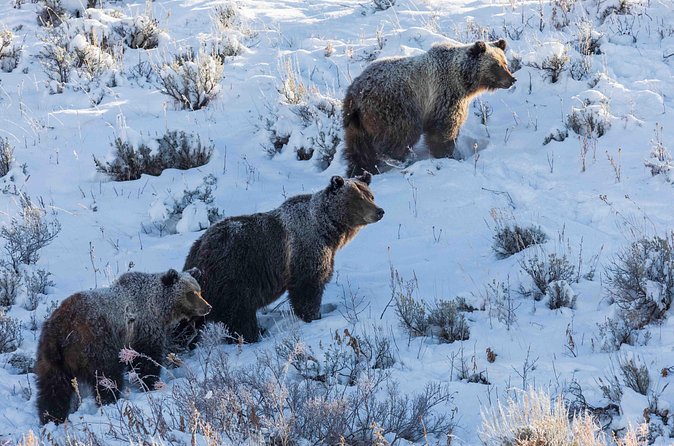
The refuge is especially relevant in winter, when elk and other animals can be easier to find in the valley. Sightings reported on these tours have included elk, moose, bison, mule deer, bald eagles, and many smaller birds. You may also see bighorn sheep, depending on where the animals are and how the route develops.
The refuge is not a guaranteed wildlife stage. You still need patience and a bit of luck. The advantage is that you are not relying on your own eyesight or a basic pair of rental binoculars. Your guide has spotting scopes and can help identify what you are seeing.
Restroom access is also worth noting. One useful detail from the experience is that a clean, modern restroom was available during the outing. Facilities in wildlife areas can be basic, so use a stop when you have the chance rather than assume another one is just ahead.
More Safari Tours in the USA
- Jackson: Grand Teton Sunrise Safari with Naturalist Guide
★ 4.8 · 49 reviews - Miami: Everglades Safari Park Airboat Tour
★ 4.4 · 1,267 reviews - Everglades Airboat Safari Adventure with Transportation
★ 3.0 · 956 reviews - 3 Hour Off-Road Sunset Safari to Grand Canyon with Entrance Gate Detour
★ 5.0 · 904 reviews
Antelope Flats: open country and long views
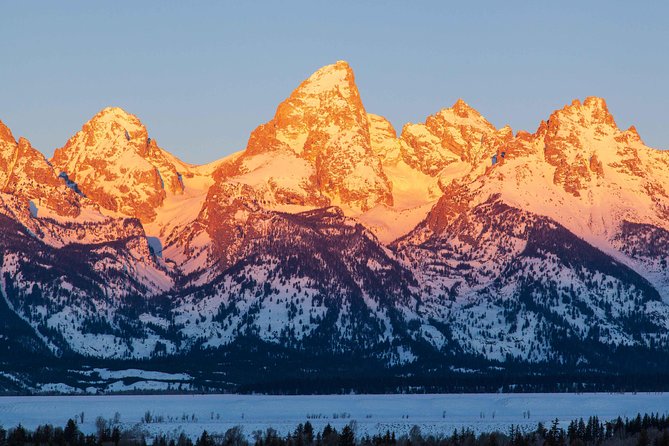
Antelope Flats is another possible stop, with no separate admission charge listed for the visit. The open setting can make it easier to scan for animals at a distance, especially when your guide knows where to look.
This area is a good reminder that wildlife safaris are not only about close encounters. An animal may be far away, but a spotting scope can bring it into view and reveal behavior that you would miss from a roadside pullout. Bison, pronghorn, elk, and birds are among the animals seen on outings in the area.
The open terrain also helps you appreciate scale. Jackson Hole is not a small wildlife enclosure, and the animals are not arranged for easy viewing. You are looking across real habitat, often with mountains and wide sky behind it. That makes the experience feel more authentic, though less controlled.
You should bring realistic expectations for photography. A phone may capture a distant animal as a small shape unless the guide can provide scope video or you carry a camera with a long lens. The scope is a major benefit, especially for people who want a good look more than a perfect photograph.
Moose Wilson Road: forest, water, and a different search
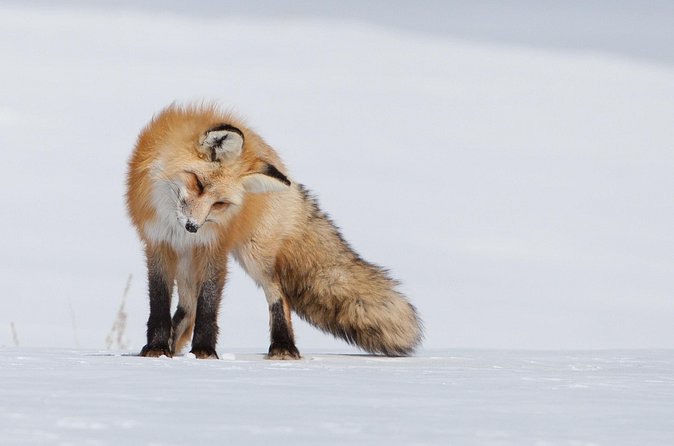
Moose Wilson Road may also be part of your route, with admission included when visited. Its character differs from Antelope Flats. Instead of broad open views, you may find a more enclosed setting where your guide searches carefully along the road and nearby habitat.
The road is especially useful because different animals favor different surroundings. The possibility of moose is part of the appeal, and moose sightings have been a highlight on many outings. Foxes, coyotes, elk, beavers, and birds have also been seen during safaris in the Jackson area.
Do not treat Moose Wilson Road as a guaranteed moose stop. Wildlife changes location, and road conditions can affect access. The guide’s skill is less about guaranteeing a sighting than about reading the conditions and knowing where a patient search makes sense.
A road with changing access can also shorten the time spent in one area. If this route is important to you, ask about seasonal conditions when booking. The operator makes clear that weather and road status shape the final plan.
What the guides add beyond animal spotting
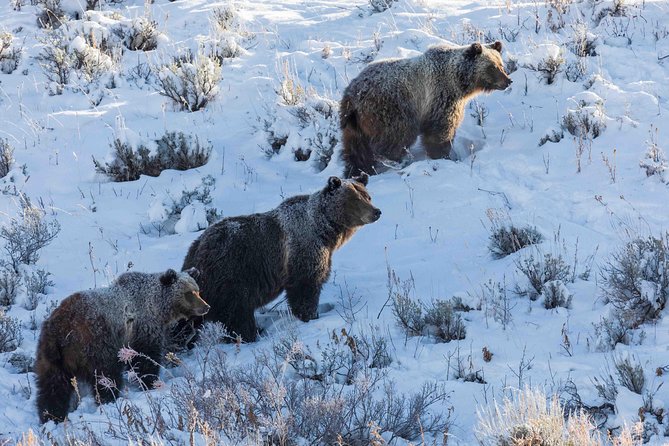
A good wildlife guide does more than name species. You can expect explanations of animal behavior, the natural setting, Jackson’s past, geology, biology, and the forces that shape the valley. Several guides have been singled out for making the information lively without talking over the experience.
Corey, for example, has been praised for spotting an unusually broad mix of animals, including moose, fox, coyote, wolf, elk, and bighorn sheep. Kayla has been praised for combining wildlife facts with information about local history and the area’s plants and geology. Jeffrey has been described as both highly informed and enthusiastic about his work, while Dave is known for long experience and a strong feel for the area.
Guide assignments are not guaranteed, so you should not book expecting one specific person unless the operator confirms it. Still, the repeated pattern is useful: the guide can make the difference between a pleasant scenic drive and a focused wildlife lesson.
The vehicle also helps. Each seat has access to binoculars, and spotting scopes are provided. Bottled water, hot and cold drinks, and snacks are included. Morning trips include a light breakfast, though I would eat something substantial beforehand if you usually need a full meal early in the day.
The $170 price and what you receive
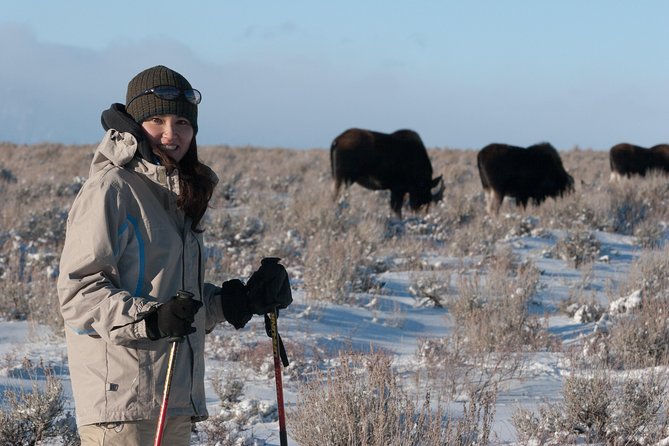
At $170 per person, the safari is not a cheap way to ride around Jackson. Grand Teton National Park admission is separate at $20 per person, bringing the listed base cost to about $190 per person if the park fee applies to your outing.
Still, the price covers more than transport. You receive hotel pickup and return, a professional naturalist guide, a small group capped at eight, binoculars, spotting scopes, snacks, drinks, and a light breakfast on morning departures. You are also paying for route decisions, local wildlife knowledge, and the chance to cover several areas without arranging a rental car.
Value depends on what you want. If you already have a car, binoculars, a long lens, and a full day to search independently, you may find the price high. One person specifically felt the cost was too much for roughly three and a half hours in a van, even while praising the driver.
I would judge the fee differently if you have limited time, do not want to drive, or care about learning what you are seeing. The small group and quality viewing equipment are meaningful advantages. They also reduce the chance that you spend your entire outing squinting at a distant animal through ordinary binoculars.
How to dress and prepare for the four hours
Dress warmer than you think you need, particularly for sunrise departures and winter tours. One guest’s practical advice was direct: bring warm clothing. Even if the vehicle is comfortable, you may spend time outside at roadside stops, and standing still while watching wildlife can feel colder than walking.
Plan for basic outdoor facilities. Restrooms may resemble those at camping areas, although a clean modern restroom has been available on some outings. Wear shoes suitable for short stops rather than assuming every viewing point will be paved or polished.
For food, the supplied snacks can include bars, muffins, fruit bars, trail mix, water, and juice. Hot coffee and other drinks have also been appreciated. The morning meal is light, so eat before pickup if you need more than a snack to get through four hours.
Bring your own camera if photography matters, but use the supplied optics as the main viewing tool. Your guide may help create video through the scope, which can preserve a sighting better than a shaky phone held toward a distant animal.
Who should book this safari
This tour suits you if you want a short, guided introduction to Jackson Hole wildlife without spending a full day in a car. It is a strong choice for couples, families with children age eight and older, and anyone who would rather let a local guide handle the route.
It also works well for visitors with mixed interests. One person may care about moose, another about geology, and another about Jackson’s history. The flexible route and guide commentary can give each person something to enjoy.
The safari is less suitable if you need a guaranteed species, a private vehicle, or a fixed sightseeing route. The standard tour has a maximum of eight people, and the operator says private safaris have no minimum age while this shared safari requires children to be at least eight.
The experience requires decent weather and a minimum number of participants. If poor weather or low enrollment cancels the outing, you are offered another date or experience, or a full refund. The current cancellation terms allow a full refund when you cancel at least 24 hours before the start time. Last-minute changes are not accepted, so check the terms attached to your booking.
Should you book the Grand Teton wildlife safari?
I would book it if you have only half a day, want expert help finding animals, and value learning as much as photographing. The strongest reasons are the eight-person limit, included optics, door-to-door pickup, and guides who can adjust the plan when conditions change.
I would skip it if your budget is tight and you are happy to search on your own with a car and good equipment. I would also avoid booking it with the expectation of a guaranteed moose, wolf, or bison sighting.
For most first-time visitors to Jackson Hole, this is a sensible introduction to the area. Go warmly dressed, eat breakfast before the morning departure, and think of the wildlife as a possibility rather than a promise. That mindset lets you enjoy the mountain scenery, the open valley, and the small discoveries along the way, even when an animal decides to stay out of sight.
FAQ
How long is the Grand Teton wildlife safari?
The safari lasts approximately four hours.
Where does pickup take place?
Pickup and return are offered at hotels, condos, and private residences in Jackson and Teton Village. Your exact time depends on your lodging location.
What is the maximum group size?
The shared tour has a maximum of eight people per vehicle.
Is transportation included?
Yes. Round-trip transportation from your Jackson or Teton Village lodging is included.
Are park admission fees included?
The listed Grand Teton National Park entrance fee is not included. The stated fee is $20 per person.
What wildlife might I see?
Possible sightings include moose, elk, bison, bighorn sheep, pronghorn, mule deer, foxes, coyotes, wolves, beavers, bald eagles, and other birds. Sightings depend on season, weather, road access, and animal movement.
Is there a minimum age?
Yes. The minimum age for the shared wildlife safari is eight years old. Private safaris have no stated minimum age.
More Wildlife Watching in Jackson
- From Jackson Hole: Yellowstone Old Faithful, Waterfalls and Wildlife Day Tour
★ 5.0 · 1,557 reviews - Sunset 4-Hour Grand Teton Wildlife Adventure
★ 5.0 · 1,020 reviews - Sunrise 4-Hour Grand Teton Wildlife Adventure
★ 5.0 · 899 reviews - Jackson: Grand Teton National Park Guided Wildlife Tour
★ 4.8 · 676 reviews
Just added around Jackson
- Jackson: Grand Teton and National Elk Refuge Winter Day Trip★ 4.8 · 140 reviews
- Jackson: Yellowstone Snowcoach Tour to Old Faithful★ 4.5 · 41 reviews
- Jackson: Grand Teton Sunrise Safari with Naturalist Guide★ 4.8 · 49 reviews
- Grand Teton National Park: Full-Day Tour with Boat Ride★ 4.8 · 207 reviews
- From Jackson: Half-Day Grand Teton National Park Tour★ 4.8 · 344 reviews
- Yellowstone & Grand Tetons: 4-Day/3-Night Wildlife Adventure★ 4.9 · 145 reviews
- Jackson: Yellowstone Snowmobile Tour to Old Faithful★ 4.9 · 118 reviews
- Teton Village: Grand Tetons Sunrise Hot Air Balloon Tour★ 4.7 · 102 reviews
Jackson National Park Tours, compared.
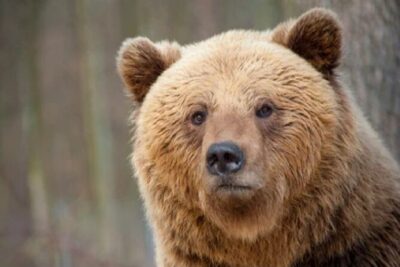
From Jackson Hole: Yellowstone Old Faithful, Waterfalls and Wildlife Day Tour
Read our review →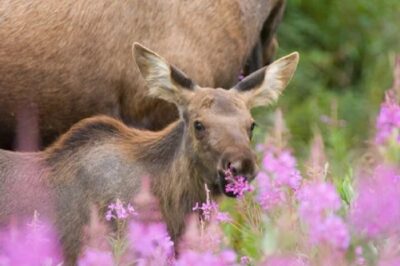
Grand Teton Wildlife Safari in a Enclosed or Open-Air Vehicle (season dependent)
Read our review →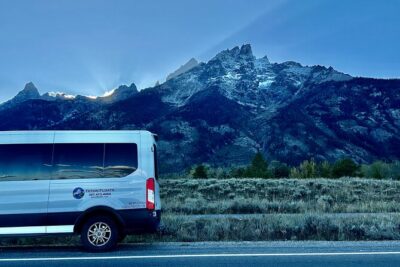
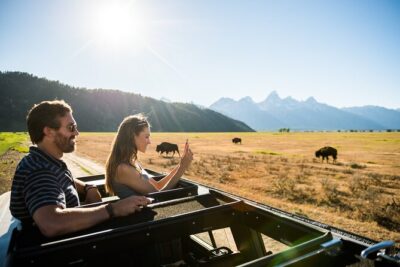
Sunset 4-Hour Grand Teton Wildlife Adventure
Read our review →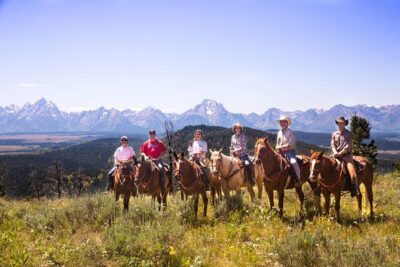
Horseback Riding with Grand Teton Views in Jackson Hole
Read our review →
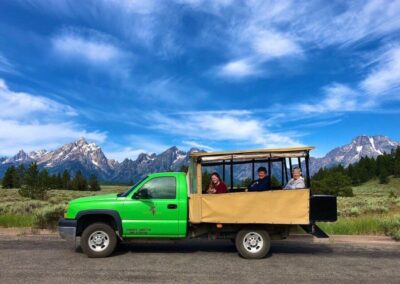
Grand Teton National Park Guided Wildlife Tour
Read our review →Browse the lists this tour appears in