
Review · BIG ISLAND
Private Tour: Hawaii Volcanoes National Park Eco Tour
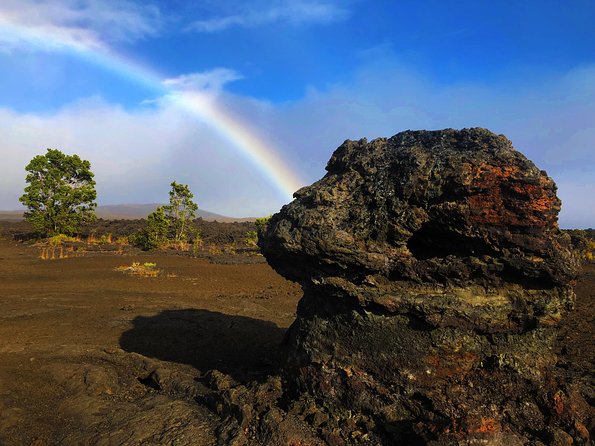
Kilauea is not a park you simply drive through and understand. Its steam vents, fresh lava rock, collapsed crater, native forest, and old lava tubes make more sense when someone points out what you are seeing. This private tour puts a guide beside you for the science, stories, and practical choices that turn a short visit into a proper introduction to the volcano.
I like the private format, which lets your guide adjust the pace and balance walking with driving. I also like the mix of geology and Hawaiian culture. Guides such as Erik, Jay, Michelle, Justin, Tyson, and Chris have been praised for making the subject clear, answering questions, and working well with children and older family members.
The main consideration is transportation. You meet at the park and arrange your own way there, and much of the tour involves moving between sites. The $160 per-person price also does not include the $30 National Park vehicle entrance fee, food, drinks, or transport.
Key points at a glance
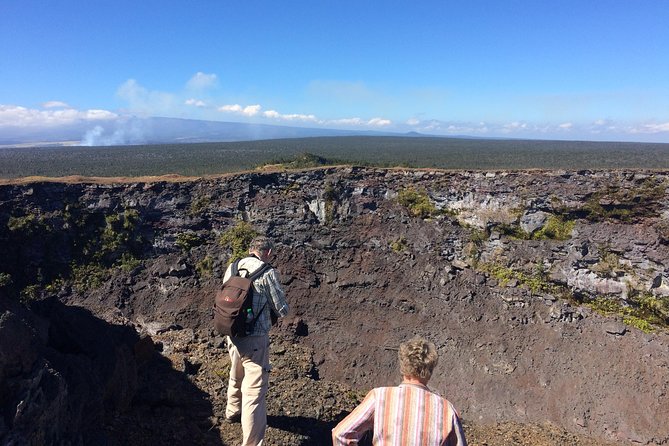
- See the volcano from several angles: Steam vents, Sulphur Banks, crater viewpoints, lava tubes, buried forest, coastal cliffs, and older eruption sites all fit into the experience.
- Your guide can shape the visit: A three-hour tour can focus on the main sights, while a longer booking allows more walking, driving, and time for questions.
- The science is a major strength: Expect explanations of lava fountains, pit craters, volcanic gases, native plant adaptations, and lava tube formation.
- The cultural side is part of the story: The tour also discusses Hawaiian culture and the importance of Kilauea, rather than treating the volcano as only a geological curiosity.
- Eruption viewing is never guaranteed: Keanakako’i Overlook is the best listed spot when lava is visible, but summit activity depends on current conditions.
- Bring water and snacks: There are no dependable lunch arrangements built into this park visit, and one longer tour can involve a good amount of driving and walking.
Why a guide changes the park
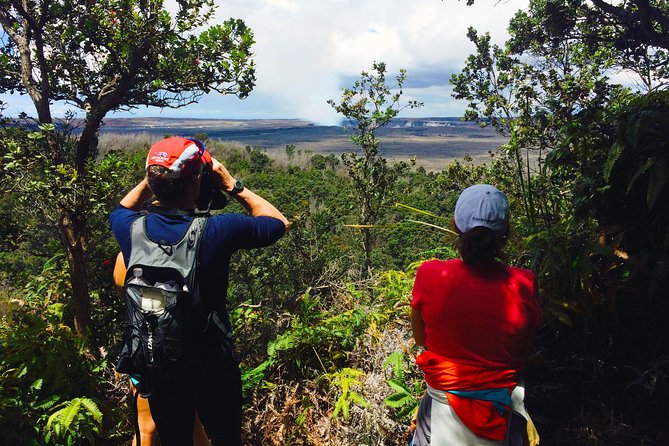
Hawaii Volcanoes National Park is easy enough to visit on your own, but the difference between seeing and understanding is large. You can stand at a steam vent and feel heat rising from the ground. A guide can explain why that heat appears there, how volcanic gases affect nearby plants, and how the ground beneath you has changed over time.
That extra context is the real product here. The guide is not just taking you to a viewpoint, but helping you notice small details such as olivine crystals, Pele’s tears, native birds, and plant life adapted to volcanic gases.
The private setup is especially useful for families and mixed-age groups. You can ask basic questions without holding up a busload of people, and your guide can spend more time on geology, birds, Hawaiian culture, or hiking depending on your interests.
The maximum group size is listed as 25, so private does not necessarily mean a tiny party. In practice, the experience is for your own booking rather than a mixed public group. Confirm the expected group size when you arrange your departure time.
More Volcano and Crater Tours in the USA
- Hilo Shore Excursion: Volcanoes National Park & Black Sand Beach
★ 4.5 · 2,338 reviews - Big Island: Fat Tire E-Bike Tour through Volcanoes National Park
★ 5.0 · 546 reviews - Big Island, Hawaii: Volcanoes National Park Safari
★ 4.5 · 545 reviews
Starting at Volcano House and the steam vents
The meeting point is at 1 Crater Rim Drive, at the historic Volcano House hotel inside the national park. Starting here gives you a useful sense of place. You are already on the crater rim, rather than spending the first part of the tour finding the park entrance or waiting for a transfer.
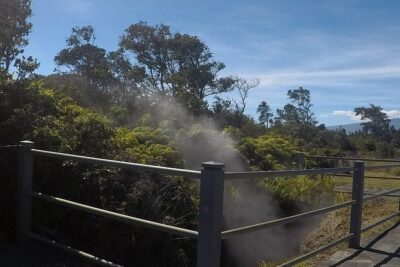
The first walks lead toward the steam vents and Sulphur Banks. Steam rises through cracks in the earth, and the heat gives you a direct reminder that Kilauea is not an extinct mountain sitting quietly in the distance.
Sulphur Banks adds a lesson in geochemistry. Volcanic gases alter the soil and affect which plants can survive nearby. The area is described as safe to explore because gas concentrations are low, but you should still follow your guide’s instructions and remain aware of conditions.
These are good early stops because they require less time than a long trail while giving you the basic vocabulary for the rest of the day: heat, gas, pressure, lava, and changing ground.
Thurston Lava Tube and the rainforest approach
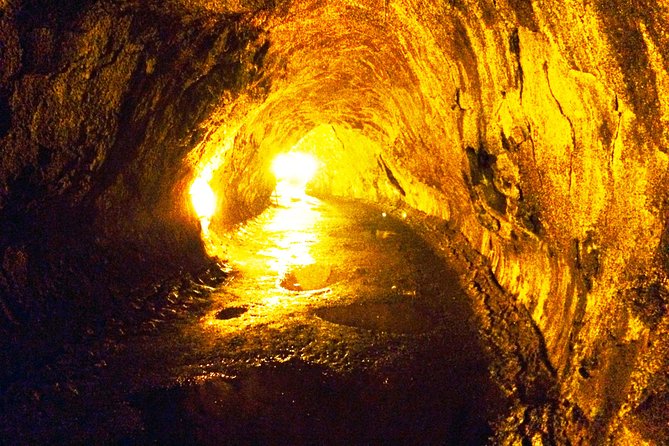
Nahuku, also called Thurston Lava Tube, is one of the most approachable features on the tour. You walk through old-growth native forest before entering a lava tube estimated at about 500 years old.
The important point is not only walking through a tunnel. Your guide explains how lava tubes form and points out the features created as molten rock moved through the ground and later drained away. The forest walk also gives the tour a welcome change of setting. Kilauea is not only black rock and open crater views.
The listed stop is about 15 minutes, so this is a short look rather than a long underground outing. If you want extra time for photographs or a slower forest walk, discuss that when you arrange your preferred departure time.
Halemaumau Trail and the summit caldera
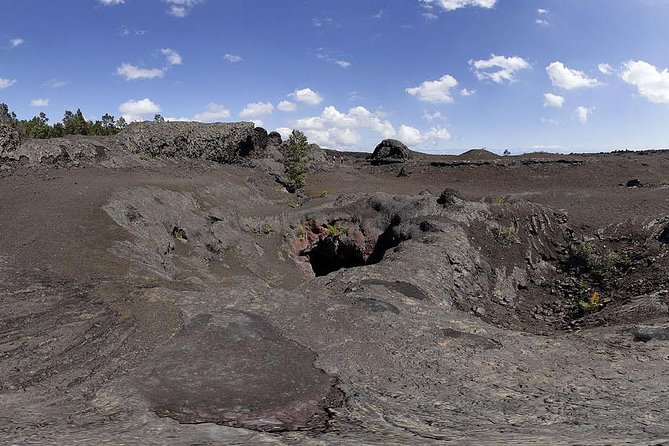
The Halemaumau Trail is where the visit becomes more focused on the summit caldera. You walk along a historic route toward views of the broad volcanic depression and hear about the geology specific to Hawaii.
This section can also carry more cultural meaning than a quick roadside stop. The tour connects Kilauea with native plants, birds, Hawaiian culture, and the continuing importance of the volcano. That approach matters because the park is not simply an outdoor science classroom. Kilauea is also a place with living cultural significance.
The trail stop is listed at 15 minutes, though the amount of walking can vary with the day’s plan. If you have limited mobility, tell the operator in advance so the tour can be shaped around the parts you can comfortably enjoy. The information says most people can participate, but it does not promise a fully accessible route at every stop.
More Volcano and Crater Tours in Big Island:
- Small-Group Big Island Tour: Hawaii Volcanoes National Park and Kona Coffee Farm
★ 5.0 · 343 reviews - Volcano National Park Adventure From Kona
★ 5.0 · 339 reviews - Volcano National Park Adventure from Waikoloa
★ 5.0 · 216 reviews - Private Guide Meet In Hawaii Volcanoes National Park
★ 5.0 · 181 reviews
Kilauea Iki and the 1959 eruption
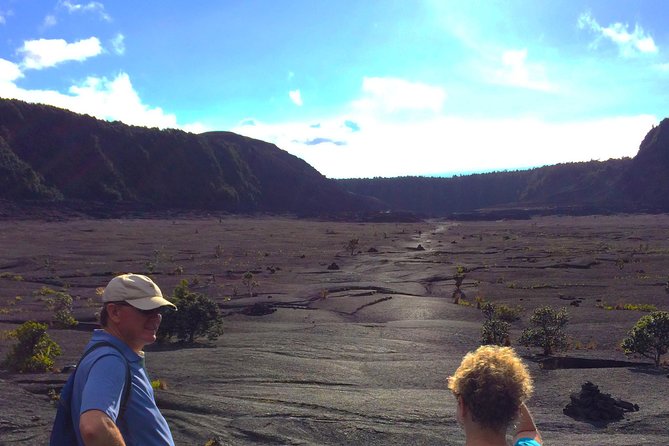
Kilauea Iki Trail is described as the park’s most popular trail and one of the strongest walking sections of the tour. The subject here is the 1959 eruption, including the highest lava-fountaining event in recorded history.
The crater floor gives you an unusual sense of scale. The surface can feel stark and otherworldly, and the tour uses that setting to explain how an eruption reshapes ground, vegetation, and the route people take through the park.
The listed 15-minute stop should not be mistaken for a full-length hike around the trail. A three-hour visit may only sample this area. If hiking is your priority, choose a longer tour and make that clear when you contact Kilauea EcoGuides after booking.
Several guide names appear repeatedly in the feedback attached to this experience. Erik is praised for geology, plants, history, and working with children. Jay brings experience from previous park work and is noted for adjusting the outing around a tight schedule. Those details suggest that the guide’s skill can matter as much as the stop itself.
Devastation Trail and volcanic debris
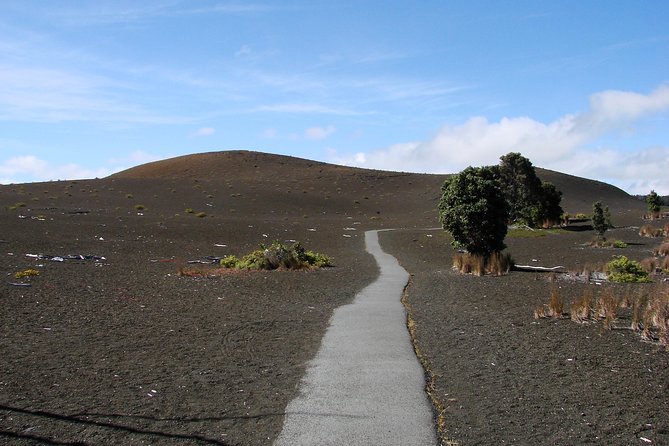
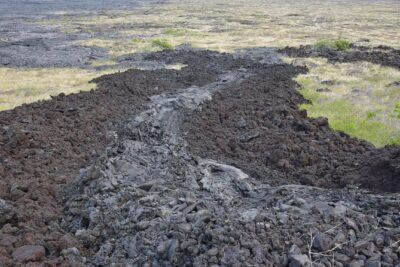
Devastation Trail shows what an eruption can do to a forest. In 1959, volcanic debris buried native rainforest in this area. Today, the site lets you examine the aftermath rather than only looking at a dramatic crater from a distance.
Your guide may point out Pele’s tears, olivine crystals, and other rock formations. These small pieces are easy to miss if you are walking quickly. I would pay close attention here, since the value is in learning what you are looking at, not simply checking off another trail.
This stop lasts about 30 minutes, making it one of the longer walking sections in the listed plan. Wear sturdy shoes and bring water. The tour is not a hard expedition by description, but it is still an outdoor experience with uneven surfaces and changing weather.
Chain of Craters Road and the coast
Chain of Craters Road links several volcanic sites and gives the longer tour its sense of range. You move from summit features toward the coast, seeing older eruptions, pit craters, and unusual rock formations along the way.
Lua Manu is specifically included as a place to discuss pit craters and their role on Kilauea. This is where the driving becomes useful. You cover more of the park than you could comfortably reach on foot in a few hours.
The drawback is that driving takes up part of the experience. One person specifically found that the amount of driving reduced the value of having a tour guide, since you cannot look around as freely from a vehicle. The description makes this clear, but it is easy to overlook when booking.
If you want a mostly walking experience, say so at the start. One highly praised visit was adjusted toward more hiking and less driving. If you prefer a broad overview and want to reach the coast, the road section is a sensible use of time.
At the end of the road, Holei Sea Arch offers an easy coastal walk and a strong photograph. Your guide can also discuss native seabirds. This is a pleasant change after the crater and forest sections, though the listed stop is brief at about five minutes.
Keanakako’i Overlook and eruption conditions
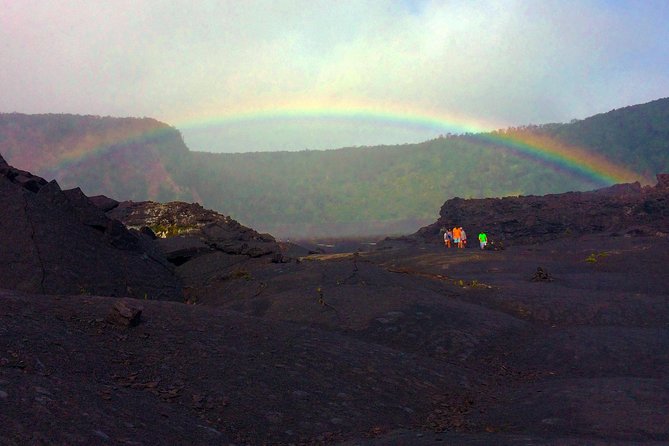
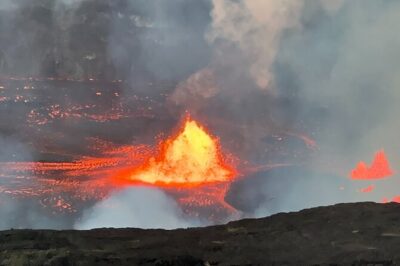
Keanakako’i Overlook is identified as the best place on this tour to see an active summit eruption when lava is visible. Guides may provide binoculars or spotting scopes for a closer look.
This needs a firm warning: an active eruption is not guaranteed. The tour can still be worthwhile when the summit is quiet because most of the experience concerns geology, ecology, history, and culture. If lava is visible during your visit, however, this stop can become the day’s highlight.
Conditions can also change access. A previous outing had to be shortened because seismic activity closed part of the park. The company reportedly helped adjust the plan and refund the difference when a longer tour was no longer practical. That flexibility is useful, but you should still expect the itinerary to change when park conditions require it.
Visitor Center and Volcano Art Center Gallery
The Kilauea Visitor Center is a short optional stop. You can look for park information, books about the volcano and Hawaiian culture, and Junior Ranger materials for children.
Families should make use of the Junior Ranger option. The guide can help a child complete the program and receive an official badge at the end of the tour. That gives younger participants a hands-on task, which can make the science and park rules easier to remember.
The Volcano Art Center Gallery adds a different note. It is also near the original Volcano House hotel, described as the oldest hotel in the state. This is a quick cultural stop rather than a major gallery visit, but it helps connect the national park to local art and the long history of people spending time near the volcano.
Choosing three hours or closer to six
The tour lasts approximately three to six hours, with morning or afternoon departure options. The flexible departure time is not automatic, though. After booking, you need to contact the local operator with your preferred time and discuss the itinerary you want.
A three-hour version works well if you want the main summit sights, a lava tube, steam vents, a crater view, and focused explanations. It is also a good choice for a family with a hard stop later in the day. One family found that three hours passed quickly and wished they had booked longer, but another group had to reduce a longer plan because of park access and outside logistics.
Choose closer to six hours if you want to combine summit features, walking trails, Chain of Craters Road, the coast, and plenty of questions. Remember that a longer tour can include more driving, not six hours of continuous hiking.
The pace appears adaptable. Guides have accommodated children, older adults, different hiking preferences, and a tight flight schedule. Still, explain your limits and priorities before setting off. Private touring works best when the guide knows exactly what you want from the available time.
Price, entrance fee, and what to bring
The cost is $160 per person, with a minimum booking of two people. That makes the starting price $320 for two, before the park entrance fee and any food or drinks.
The National Park entrance fee is not included and is listed as $30 per vehicle. Transportation to and from the park is also not included. You must reach the meeting point at Volcano House yourself, and the tour ends there.
Is the price fair? If you only want to see the main roads and viewpoints, you can visit the park independently for less. The private tour earns its price through interpretation, route planning, and flexibility. It is most worthwhile if you want to ask questions, understand the geology, combine several areas, or avoid spending your limited park time guessing what matters.
Bring water and snacks. There is not a dependable lunch stop built into the experience, and one outing included only snack-shop food. Comfortable walking shoes, sun protection, and a light rain layer are sensible choices, though the supplied information does not specify required equipment.
Who should book this private volcano tour?
I would choose this tour for a first visit to Hawaii Volcanoes National Park, especially if you have only part of a day. It also suits families, couples, and groups with different interests because the guide can shift between science, plants, birds, history, culture, and walking.
It is a particularly good fit for people who want more than a photo stop. Guides such as Erik, Tyson, Chris, Michelle, Justin, and Jay have been singled out for clear explanations, humor, flexibility, and strong work with children. Your assigned guide may differ, so treat those names as examples rather than a promise.
I would be more cautious if you dislike driving between sites, want a long uninterrupted hike, or mainly want guaranteed lava viewing. The eruption view depends on conditions, and the group’s private nature does not remove the park’s own closures or safety limits.
Cancellation is allowed up to 24 hours before the experience for a full refund. Confirmation is sent within 48 hours, subject to availability.
Should you book it?
Book it if you value expert interpretation and want to make a short park visit count. The best parts are the close attention to geology, the links to Hawaiian culture, and the ability to adjust the route around your group.
Skip it if your plan is simply to drive the park roads and stop at a few overlooks on your own. At $160 per person, this is not the cheapest way to see Kilauea. For a curious family, a first-time visitor, or anyone who wants the volcano explained rather than merely photographed, the private format offers solid value.
FAQ
Where does the tour begin and end?
The tour begins at 1 Crater Rim Drive, Hawaii Volcanoes National Park, at the historic Volcano House hotel. It ends back at the same meeting point.
How long does the tour last?
The tour lasts approximately three to six hours. You can choose a morning or afternoon time, but you need to contact the local operator after booking to confirm your preferred departure time.
Is the National Park entrance fee included?
No. The National Park entrance fee is listed separately at $30 per vehicle.
Is transportation to the park included?
No. Hotel pickup, hotel drop-off, and transportation to and from the attractions are not included. You must arrange your own transportation to the meeting point.
Can I see an active lava eruption?
You may see an active summit eruption from Keanakako’i Overlook when lava is visible, but viewing depends on current eruption conditions. Park access and the route can also change because of seismic activity.
Is this a private tour?
Yes. Only your group participates in the activity. A minimum of two people is required per booking, and the listed maximum is 25 people per booking.
Just added around Big Island
- Hawaii Volcanoes National Park Experience Departing From Maui★ 4.5 · 30 reviews
- Volcano National Park Adventure from Waikoloa★ 5.0 · 216 reviews
- Private Guide Meet In Hawaii Volcanoes National Park★ 5.0 · 181 reviews
- Self-Guided GPS Audio E-Bike Tour Hawaii Volcanoes National Park★ 4.5 · 131 reviews
- Big Island – Hawaii Volcanoes National Park Driving Tour★ 4.0 · 95 reviews
- Hawaii Volcanoes National Park Self-Guided Driving Audio Tour★ 4.5 · 29 reviews
- Hawaii Volcano National Park Shore Excursion★ 5.0 · 117 reviews
- Hilo Cruise Ship Excursion: Volcanoes National Park Rainbow Falls★ 4.5 · 130 reviews
Big Island National Park Tours, compared.
Hilo Shore Excursion: Volcanoes National Park & Black Sand Beach
Read our review →
Big Island, Hawaii: Volcanoes National Park Safari
Read our review →
Small-Group Big Island Tour: Hawaii Volcanoes National Park and Kona Coffee Farm
Read our review →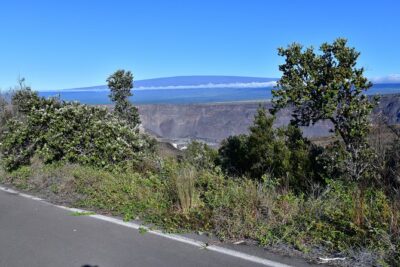
Self-Guided GPS Audio E-Bike Tour Hawaii Volcanoes National Park
Read our review →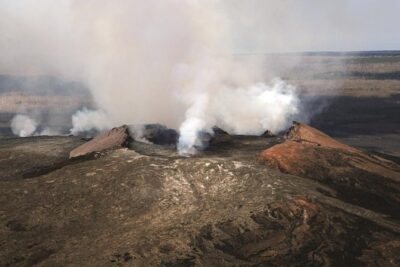
Hilo Cruise Ship Excursion: Volcanoes National Park Rainbow Falls
Read our review →Browse the lists this tour appears in